products, products, /products
Inquiry
Inquiry

Products

Filter Floss & Filter Media

Filter Floss & Filter Media

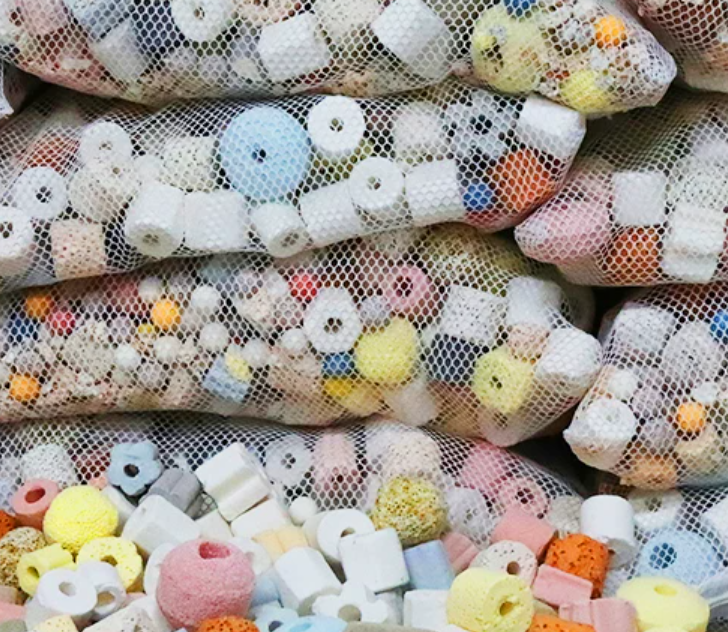
Filter Floss & Filter Media is an integrated three-stage filtration solution designed specifically for zebrafish high-throughput breeding and recirculating aquaculture systems (RAS). Combining mechanical filtration (filter floss), chemical filtration (activated carbon), and biological filtration (bio-balls), it achieves up to a 92% reduction in ammonia and a 35% decrease in routine maintenance costs.

Manufactured under ISO 9001 quality management and compliant with NSF/ANSI 61 standards, this product meets the stringent compliance and research reproducibility demands of biomedical R&D facilities. Whether buffering against ammonia spikes during peak spawning or minimizing water quality fluctuations on embryo development, this standardized filtration setup provides reliable, efficient, and consistent water quality for research facilities.

Fish Net

Fish Net

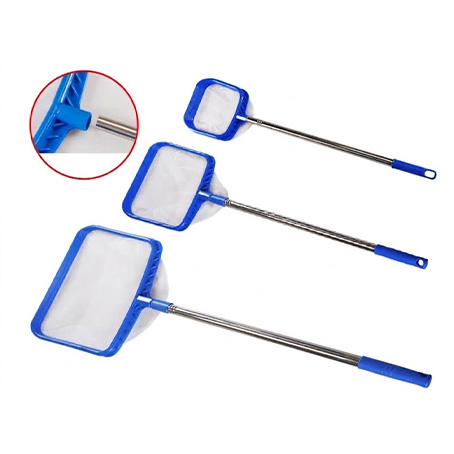
Zebrafish Research Net is an ISO 13485-certified, sterile handling tool designed specifically for zebrafish facilities. Available in Small (S), Medium (M), and Large (L) sizes, it caters to egg / embryo collection, juvenile handling, and adult fish transfers.

Featuring a humane design that reduces stress-induced mortality by 32%, the net significantly minimizes experimental baseline variability. It seamlessly integrates with automated zebrafish feeding systems (such as volumetric dosing feeders and anti-sedimentation mixers), reduces cross-contamination risks, and provides academic and biotech research facilities with a compliant, efficient, and reproducible animal handling solution.

Zebrafish Larval Rearing Tank

Zebrafish Larval Rearing Tank

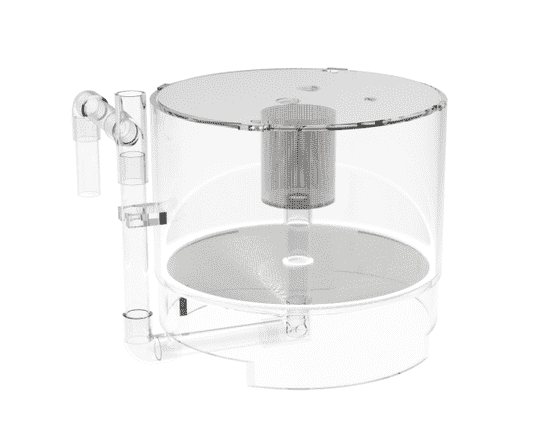
Zebrafish Larval Rearing Tank is an ISO 13485-certified high-performance larval aquaculture system ($\ge 5\text{L}$ capacity) engineered specifically for zebrafish larval culture from hatching through the juvenile stage.

Key engineering features include:

  • 22° Conical Base: Enables passive, continuous waste evacuation to minimize manual handling and stress.

  • 316L Stainless Steel Filter Mesh ($0.5\text{ mm}$ aperture): Retains post-hatch larvae securely while maintaining optimal water exchange.

  • Adjustable Micro-Current Inlet ($3\text{--}10\text{ L/h}$): Precisely adapts flow rates to match different developmental stages.

This system significantly improves larval survival rates and reduces experimental baseline variability, providing biomedical R&D and core facilities with a reliable, compliant, and standardized rearing solution.

The Electric Dosing Feeder

The Electric Dosing Feeder

The Electric Dosing Feeder is a handheld, portable automated feeding device designed specifically for zebrafish facilities. Integrating volumetric dispensing, anti-sedimentation auto-mixing, and a wearable/handheld form factor, it delivers high-precision and high-efficiency feeding for liquid diets such as live Artemia.

Zebrafish Mass Spawner

Zebrafish Mass Spawner

The Mass Spawning Tank is a laboratory system engineered specifically for mass zebrafish mating and high-efficiency embryo collection. Built with a vertical three-tier modular structure, it integrates current-induced stimulation, sex-separation courtship induction, and rapid, damage-free egg harvesting.

Zebrafish Forced Swimming Instrument

Zebrafish Forced Swimming Instrument

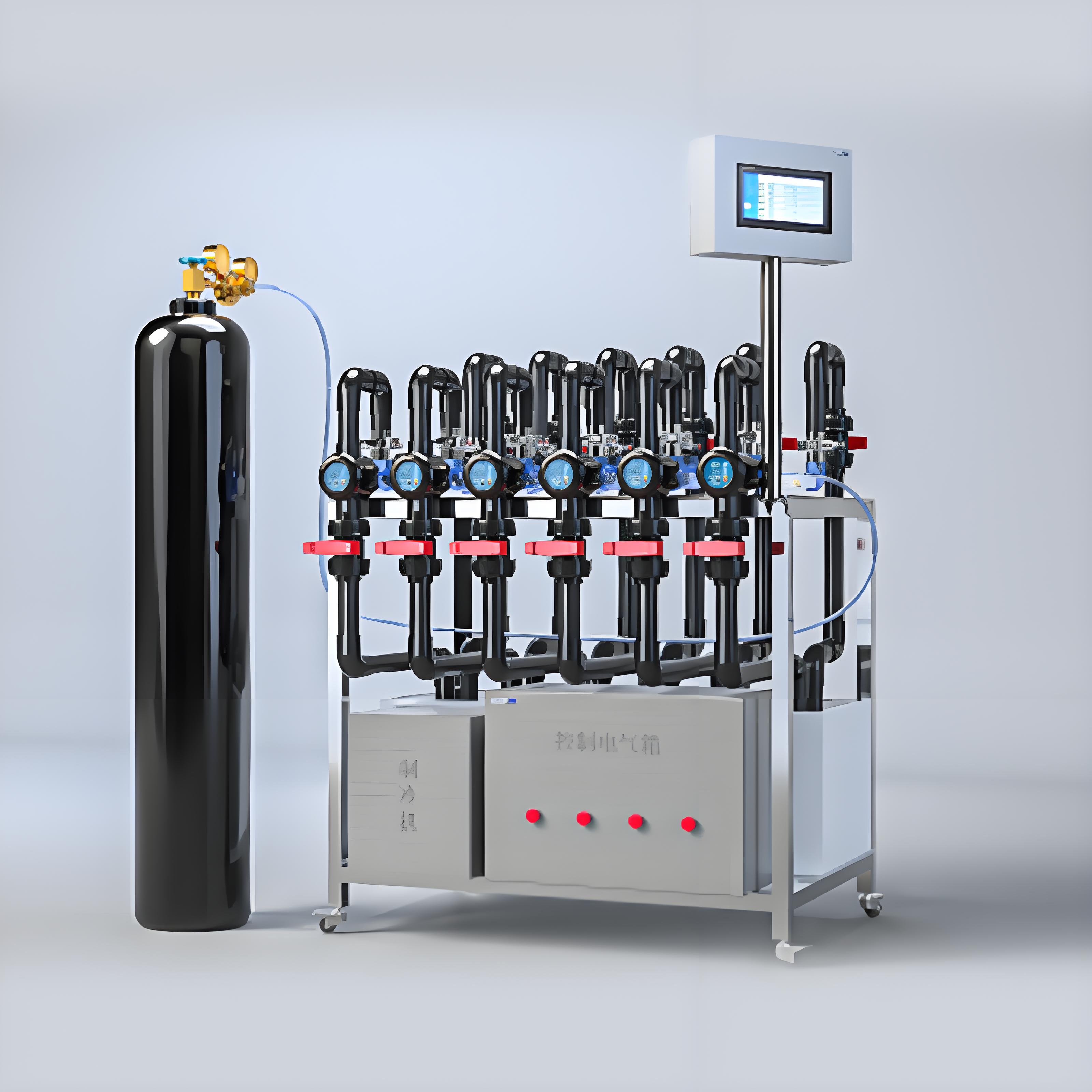
The Hunter Lab HT-YY (HTS-YY) Zebrafish Forced Swimming Instrument is a standardized behavioral testing platform engineered for zebrafish exercise-capacity and anti-fatigue research. The system integrates six independent swim tunnels and six dedicated pumps, optional hypoxia (N₂) and refrigeration modules, and a color digital touchscreen HMI for precise and reproducible per-channel control of water flow velocity, temperature, and dissolved oxygen. The closed-loop circulation with buffer design guarantees stable water quality and hydrodynamic conditions, while the PC swim tunnels withstand autoclave sterilization. The platform is purpose-built for antidepressant and anti-fatigue drug screening, exercise physiology assessment, hypoxic stress studies, environmental toxicology, and nutraceutical efficacy evaluation, delivering stable, sensitive, and fully traceable quantitative phenotyping of zebrafish exercise capacity.

Zebrafish Toxicology Exposure System

Zebrafish Toxicology Exposure System

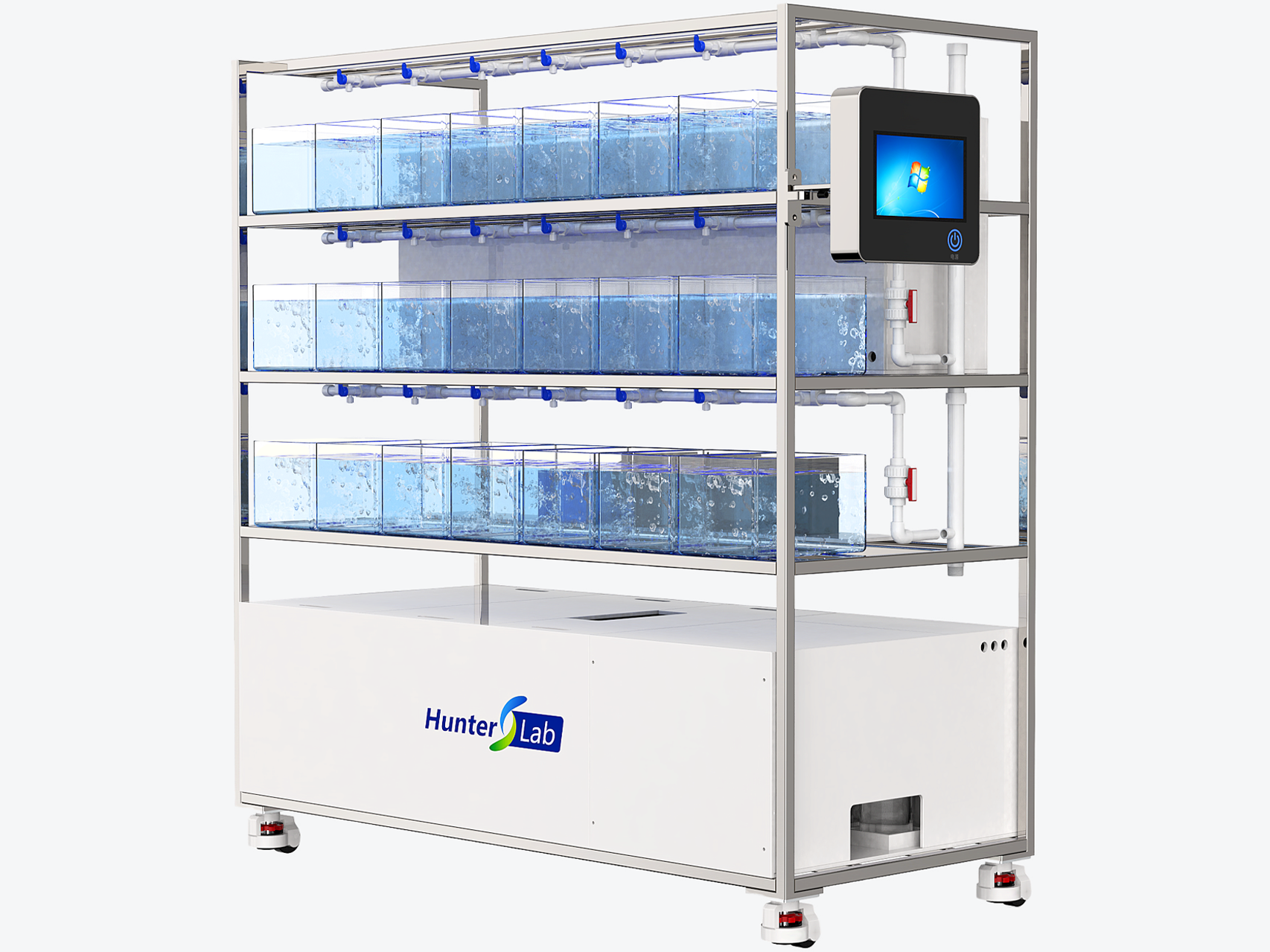
The Zebrafish Toxicology Exposure System is a standardized, modular exposure platform engineered for aquatic model-organism toxicology research. Built around a 316L stainless-steel frame with food-grade U-PVC plumbing, the system integrates two parallel rows of three tiers to provide 6 independently operable experimental units, each containing three high-transmittance glass aquaria (5 L or 10 L selectable) for triplicate parallel exposure. Integrated features include programmable dosing, individual temperature control, automatic drainage, photoperiod simulation, and online water-quality monitoring with 24-hour data logging. The platform supports static, semi-static, and flow-through exposure regimes, enabling simultaneous parallel testing at 6 different concentrations with full experimental reproducibility, operational safety, and data traceability for chemical ecotoxicology assessment, early drug safety evaluation, environmental pollutant screening, and developmental toxicology studies.

Automatic Feeding System

Automatic Feeding System

The Hunter Lab zebrafish feeding system is a precision aquaculture solution designed to eliminate the hidden operational costs of manual feeding in research facilities. Featuring high-precision dosing (≥0.1g/dose with ±0.05g accuracy), 24-hour programmable scheduling, and dual independent/centralized control for up to 112 tanks, it reduces labor costs by up to 70%. The system incorporates moisture-proof hoppers and food-grade materials to prevent feed clumping, protect water quality, and enhance experimental reproducibility. Built for academic, pharmaceutical, and multi-site labs, it delivers a strong lab automation ROI by removing weekend staffing overhead and dosing variability.
Recirculating Aquaculture System (RAS)

Recirculating Aquaculture System (RAS)

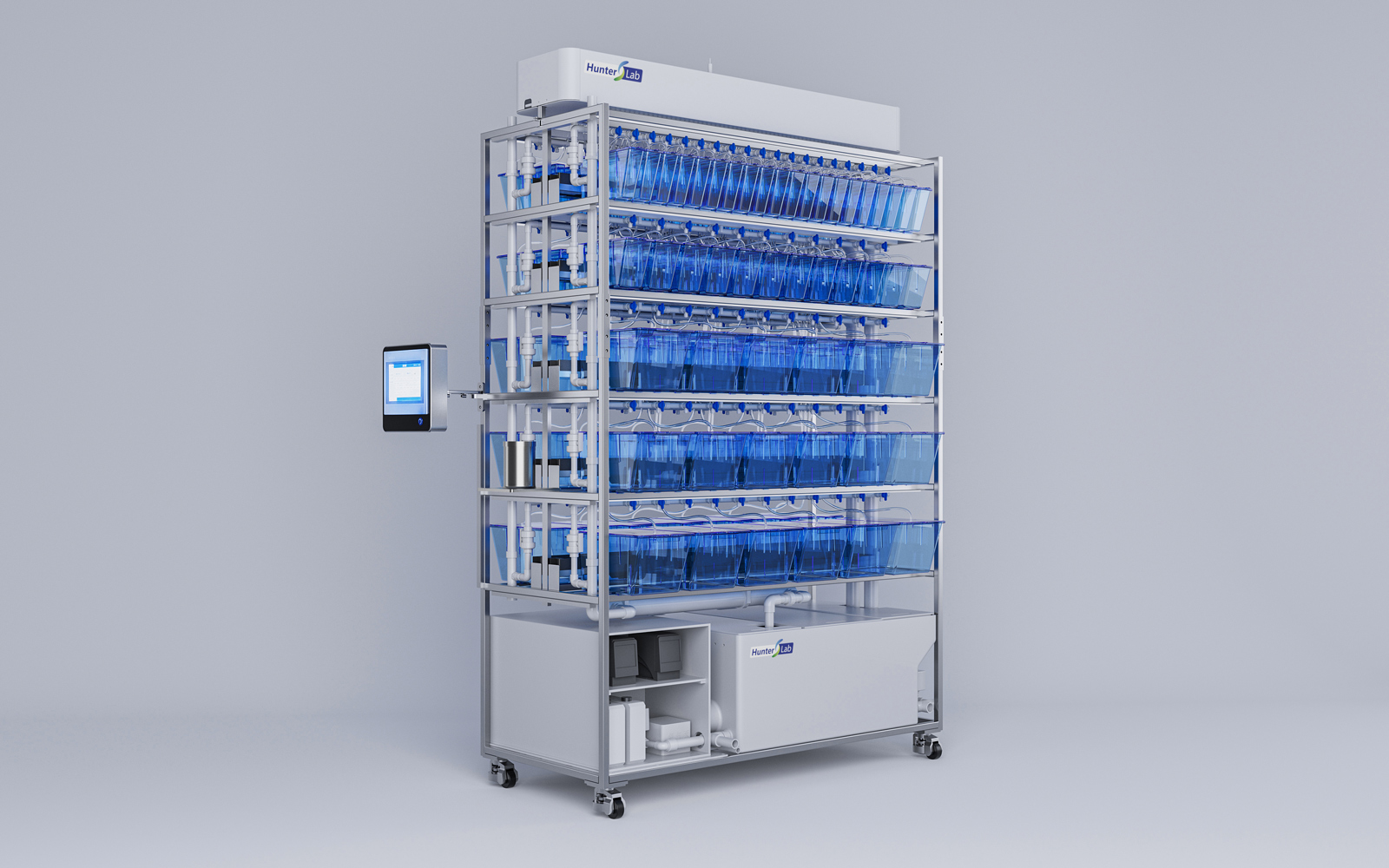
A zebrafish recirculating aquaculture system (RAS) provides closed-loop self-cleaning and high water reuse through mechanical filtration, bio-filtration, and UV sterilization. It automatically monitors and regulates water temperature (28°C), pH, and conductivity in real time to deliver a stable, pristine aquatic environment, ensuring consistent and reproducible research data.

Zebrafish housing tank

Zebrafish housing tank

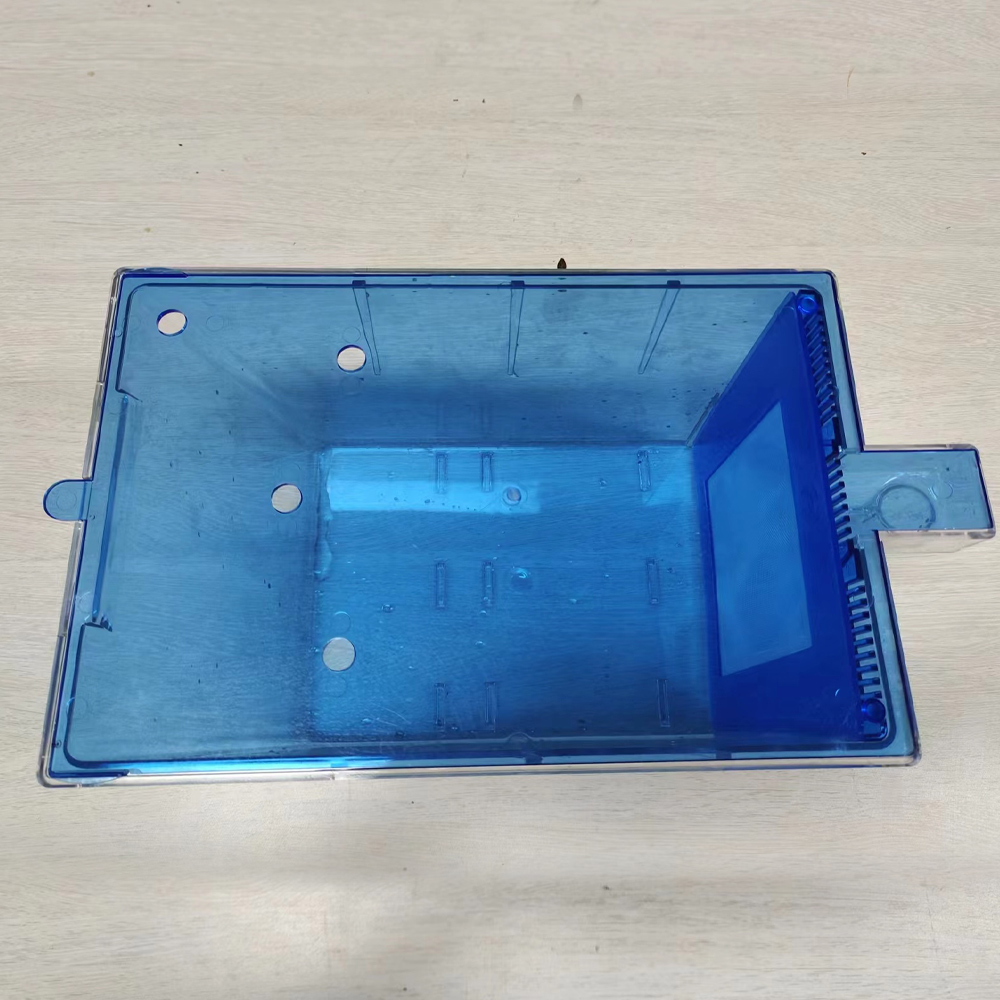
The zebrafish housing tanks are injection-molded from high-quality, food-grade polycarbonate (PC), offering exceptional light transmittance, outstanding impact resistance, and excellent heat tolerance. They are fully autoclavable, ensuring both biosafety and crystal-clear visual observation.

Spawning tank

Spawning tank

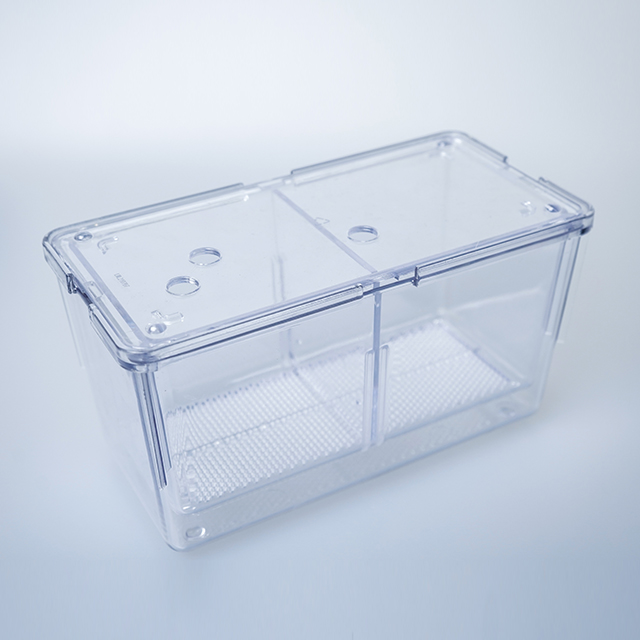
The Hunter Lab zebrafish spawning tank is an integrated polycarbonate breeding solution designed to streamline separation, mating, spawning, and egg collection into a single 2 L container (1.5 L recommended water capacity). Featuring a transparent design for visual monitoring, a built-in mesh floor for passive egg separation, a removable central divider, and a ventilated top cover, it ensures precise parental traceability. Measuring 225 × 111 × 120 mm, this compact unit minimizes handling stress, prevents egg consumption by adults, and reduces inter-session variability for academic, genetic, and biomedical research facilities.

Ozone Sterilization Cabinet for Zebrafish Housing

Ozone Sterilization Cabinet for Zebrafish Housing

The Ozone Sterilization Cabinet is an upright laboratory unit designed for processing and drying zebrafish housing equipment, vessels, and cleanroom materials. It integrates timed ozone circulation with hot-air drying inside a 1.2 mm SUS304 mirror-finish stainless steel inner chamber. Controlled via a PLC color touchscreen with a PID display, the unit features a Class-A PT100 temperature sensor (±0.1°C accuracy), nickel-chromium alloy heating, and robust electrical protections. Built with a 1.2 mm cold-rolled steel exterior and 20 kg-capacity stainless-steel shelves, it streamlines equipment handling and sterilization workflows in aquaculture and research facilities.

Zebrafish Incubator

Zebrafish Incubator

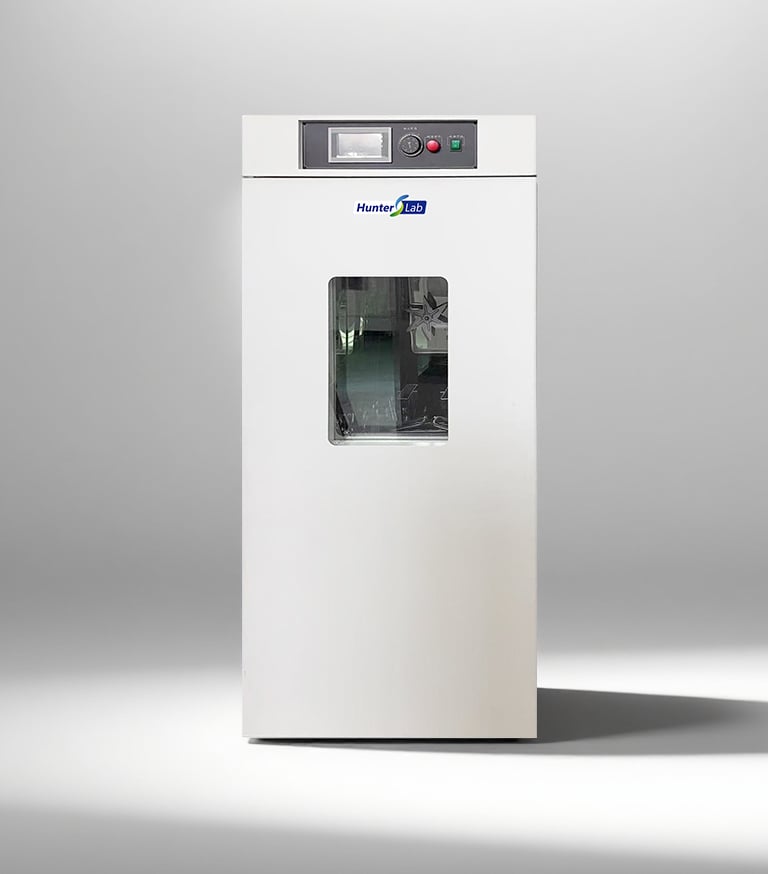
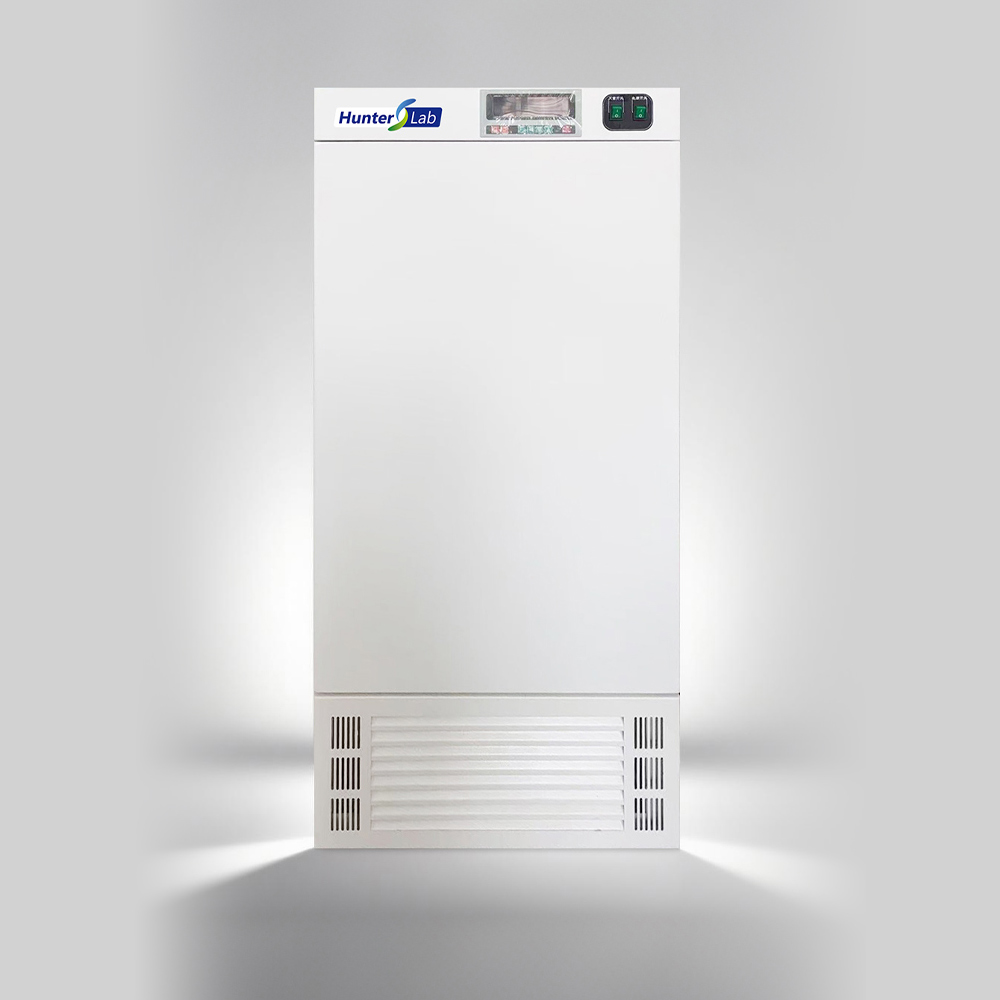
The Hunter OLab Zebrafish Incubator is a dedicated laboratory unit engineered for embryo hatching, breeding, and developmental research. It features a 5°C to 60°C temperature range with ±0.3°C to 0.5°C stability, microcomputer closed-loop control, and active refrigeration. Programmable photoperiods (0–99 cycles via fluorescent lighting) and an integrated UV germicidal lamp support automated, clean workflows. Built with a mirror-finish stainless-steel interior, adjustable wire grid shelves, and an observation window, it delivers high experimental reproducibility and strong lab automation ROI for academic, pharmaceutical, and biotechnology research facilities.

Zebrafish Heart Rate and Blood Flow Analysis System

Zebrafish Heart Rate and Blood Flow Analysis System

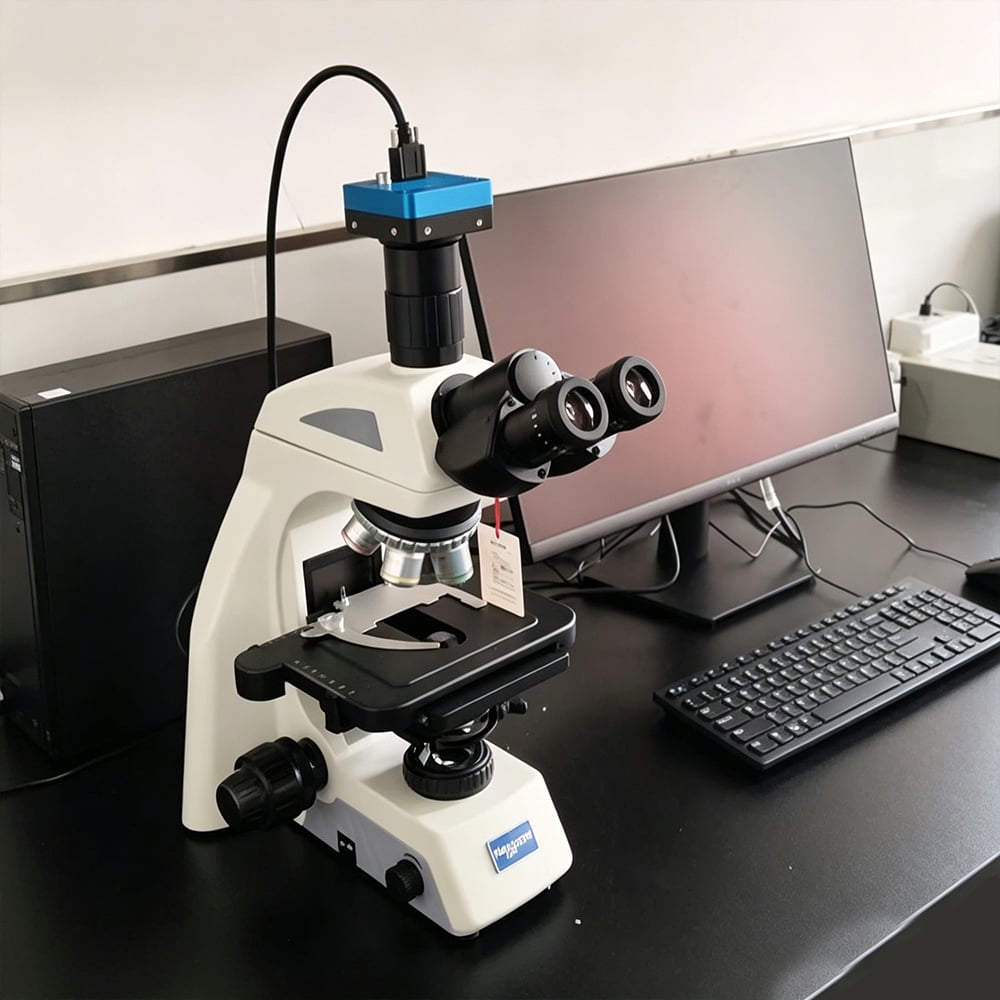
The Zebrafish Heart Rate & Blood Flow Analysis System is a microscopy-based research platform for label-free cardiovascular observation in live zebrafish larvae. Combining high-speed brightfield imaging with advanced software, it measures heart rate, blood-flow velocity, cardiac output, and vessel diameter using inter-frame correlation and multi-target tracking. Featuring flexible ROI selection and batch data processing, the platform streamlines phenotypic screening, developmental studies, and preclinical drug evaluation, exporting structured results directly to Excel for academic and pharmaceutical laboratories.

Zebrafish Panoramic Imaging System

Zebrafish Panoramic Imaging System

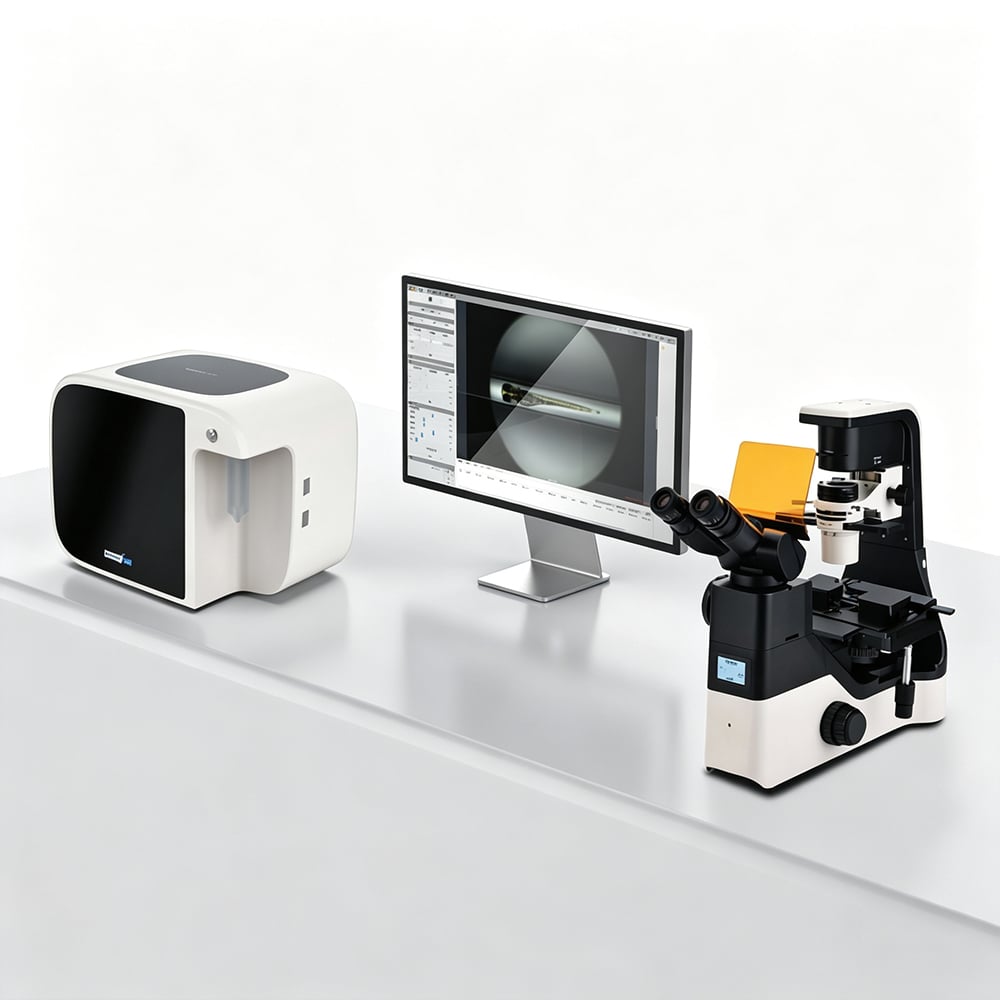
The Zebrafish Panoramic Imaging System is an integrated hardware and software platform for endpoint live imaging of zebrafish larvae (3–7 dpf). Combining microfluidic sample transport, a 360° rotating capillary observation stage, and multi-angle image stitching, it supports both brightfield and fluorescence imaging for comprehensive morphological, fluorescent, and safety evaluation studies. The system features a built-in sample recovery workflow for post-assay culture and configurable software controls to streamline high-consistency screening and documentation in academic and pharmaceutical research laboratories.

Zebrafish High-Throughput 2D Behavioral Analysis System

Zebrafish High-Throughput 2D Behavioral Analysis System

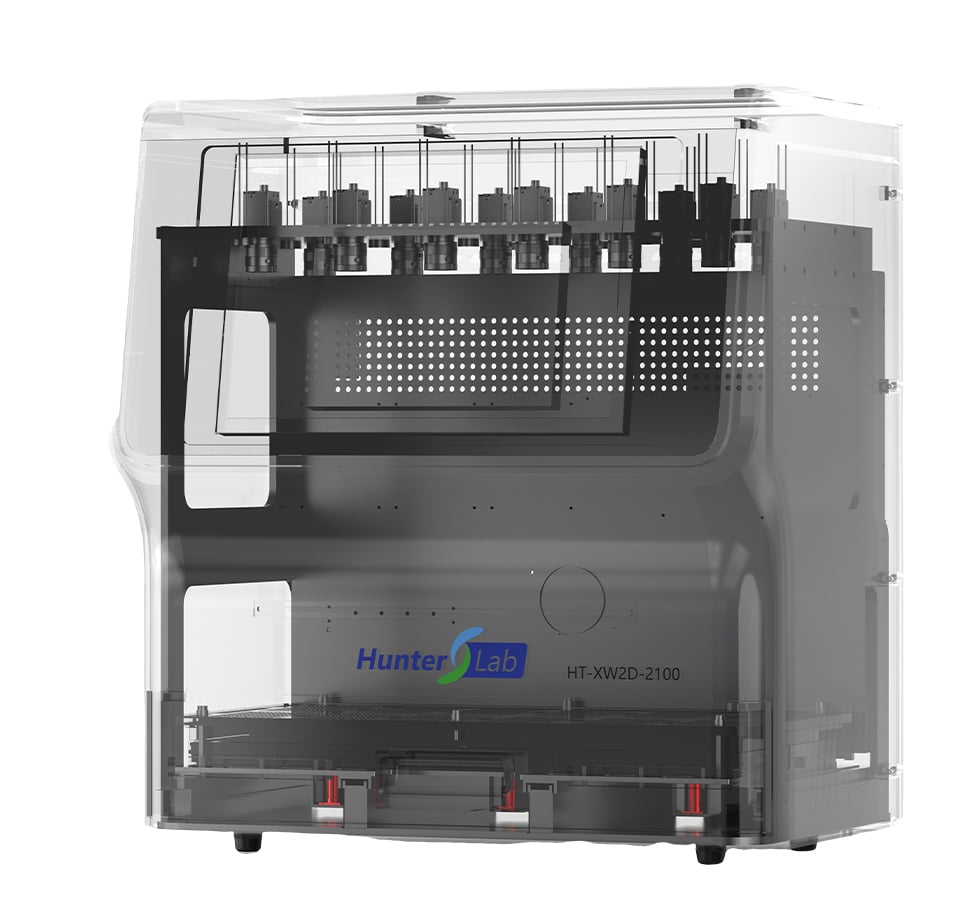
The Zebrafish High-Throughput 2D Behavioral Analysis System is an automated tracking platform designed for larval and adult zebrafish studies across neuroscience, toxicology, and drug screening. Combining a 2-megapixel machine-vision camera (up to 60 fps), parallel capacity for up to 12 multiwell plates (6, 24, and 96-well), and configurable environmental modules (light, vibration, temperature, acoustic), it simultaneously tracks over 1,000 subjects. The system generates comprehensive movement metrics, trajectory maps, and heatmaps, exporting structured data to Excel to streamline high-throughput behavioral research workflows.

Zebrafish 3D Behavioral Analysis System

Zebrafish 3D Behavioral Analysis System

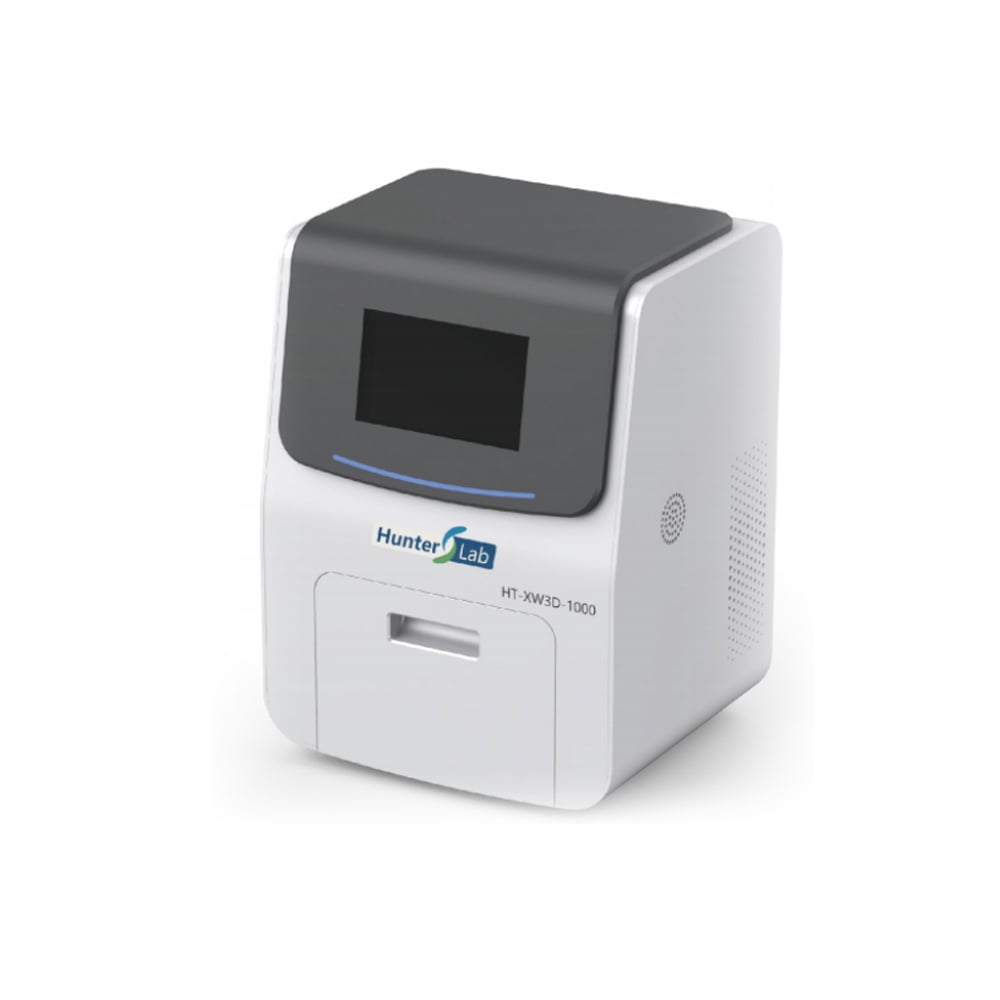
The Zebrafish 3D Behavioral Analysis System is an advanced research platform for tracking adult and larval zebrafish movement in X, Y, and Z coordinates. Combining a high-sensitivity dual-camera infrared and high-speed industrial optical setup with precise temperature-controlled cabinet design, it captures 3D trajectories, volumetric heatmaps, and comprehensive kinematic and social-interaction metrics. Featuring modular compatibility for mazes, light/dark boxes, and social chambers, along with video-event synchronized playback, the platform provides academic and pharmaceutical laboratories with a powerful, structured solution for neurobehavioral, toxicological, and screening-oriented studies.

The Artemia Incubator

The Artemia Incubator

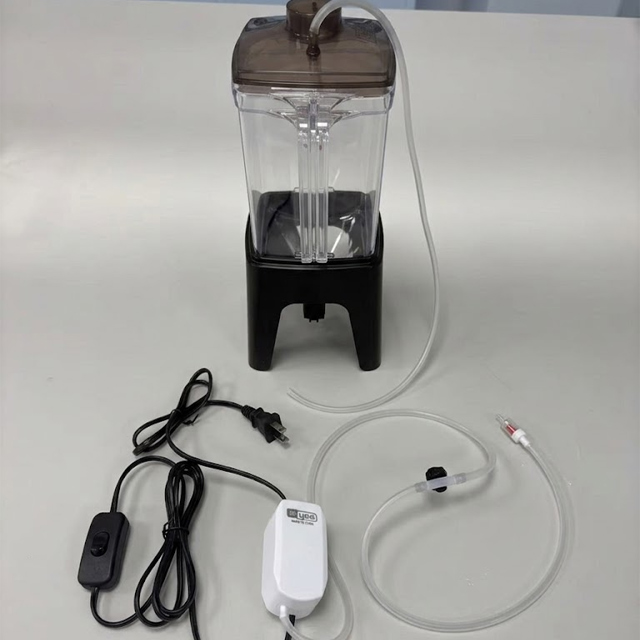
The Artemia Incubator is a professional live food hatching system designed for zebrafish facilities, research labs, and aquaculture operations. Featuring a transparent, food-grade PMMA or acrylic conical chamber with aeration-based circulation, it optimizes cyst incubation, phototactic separation, and bottom-port harvesting for Artemia nauplii. Available in five versatile capacities (2 L, 5 L, 10 L, 15 L, and 20 L) with integrated 28–30°C constant-temperature heating and LED illumination, this brine shrimp incubator provides a hygienic, structured daily feeding preparation workflow for experimental fish and aquatic larvae.