 EN
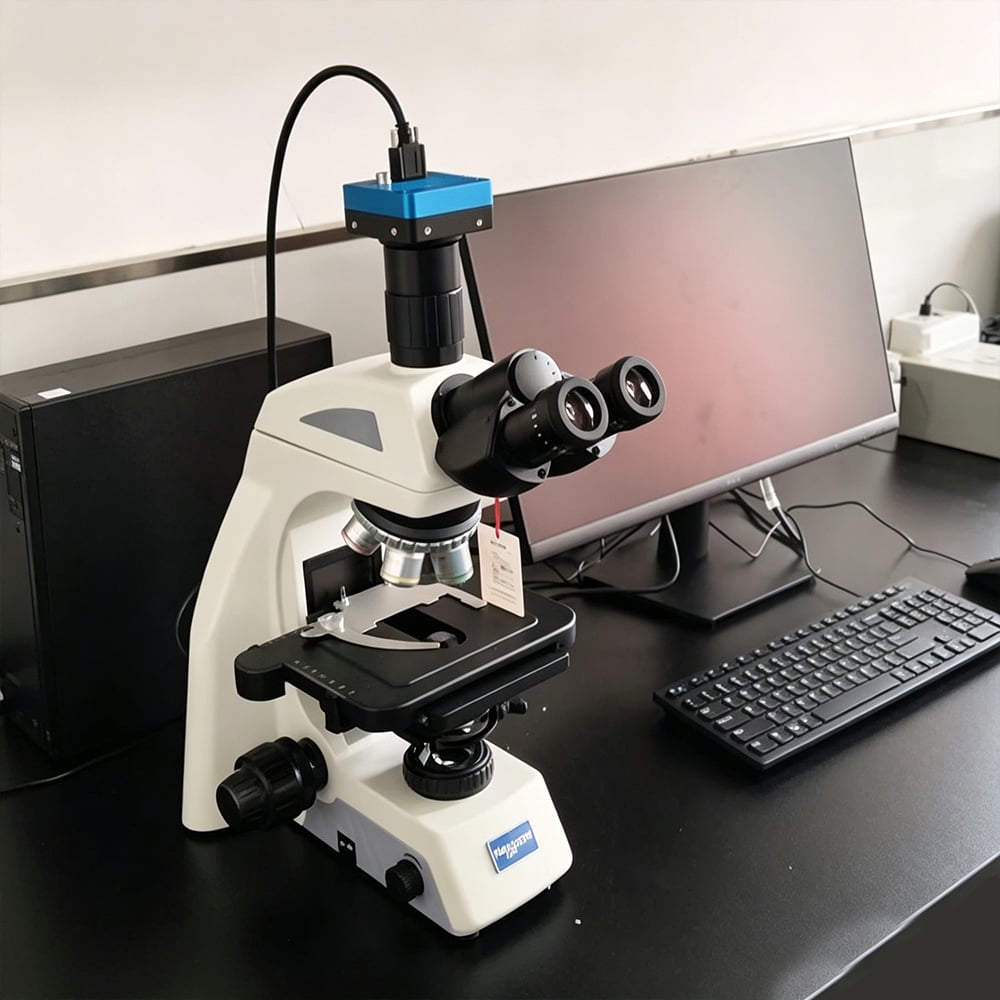
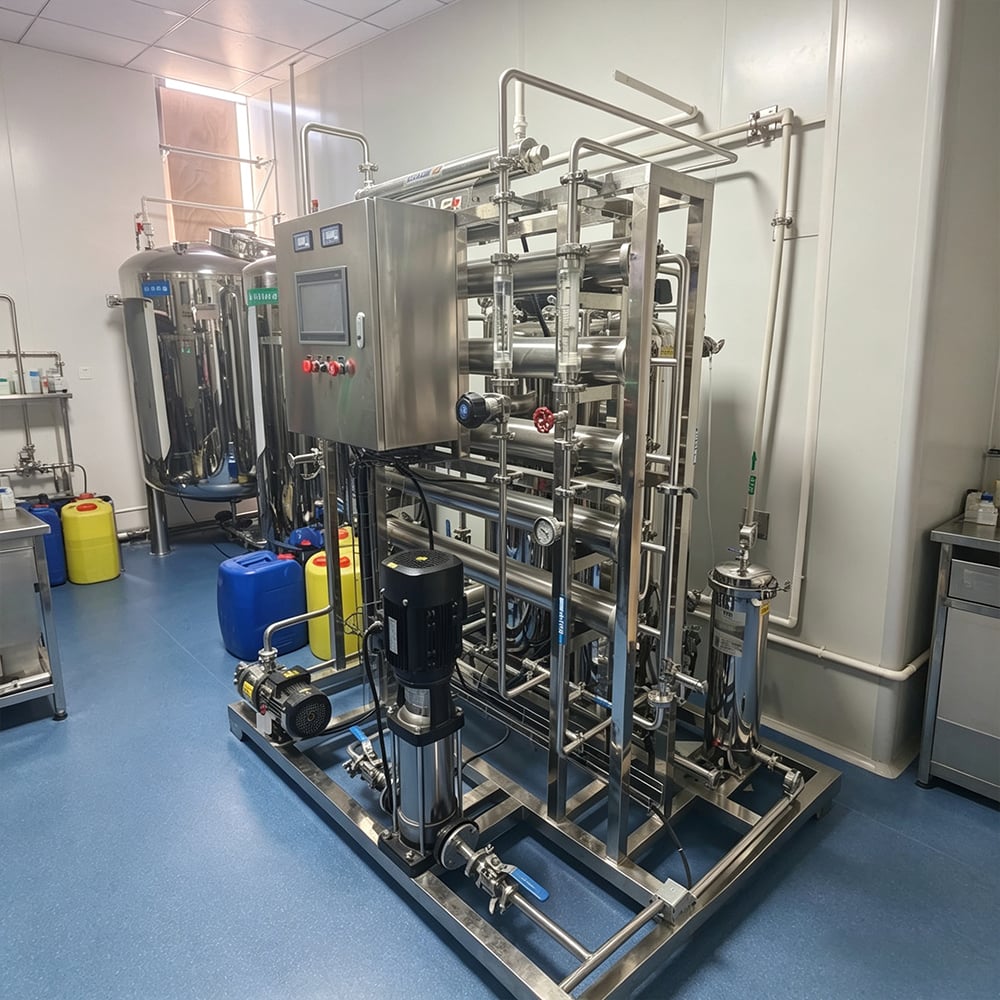
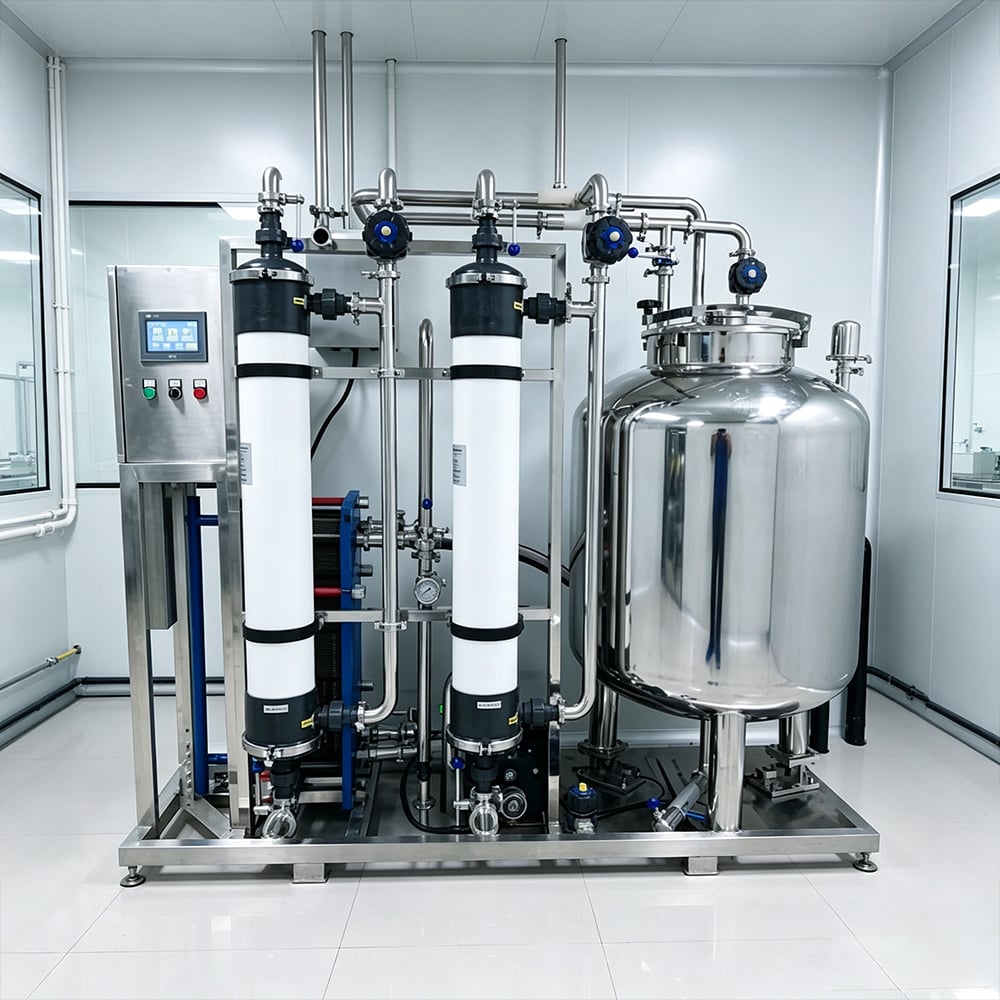
Laboratory Layout & Design
Seamlessly integrating water circulation and temperature control systems to deliver scientific, compliant, and high-efficiency customized space designs.

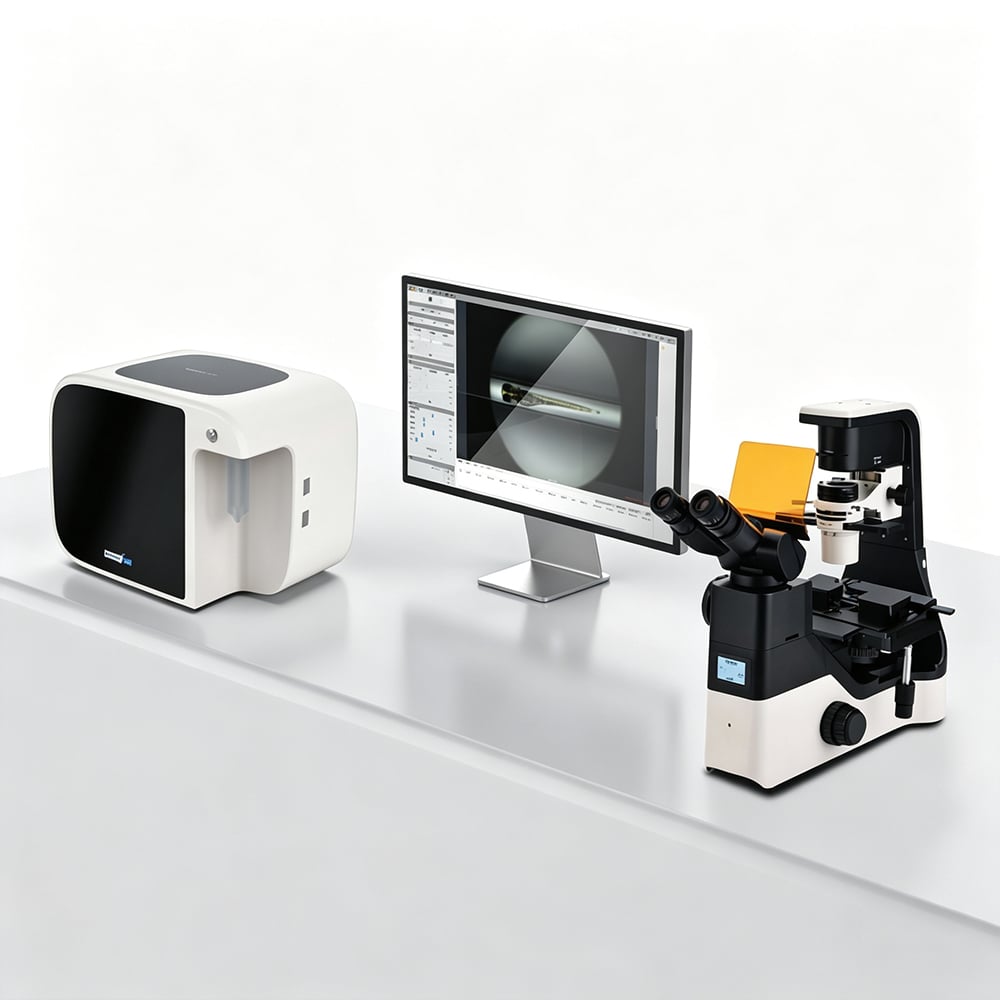
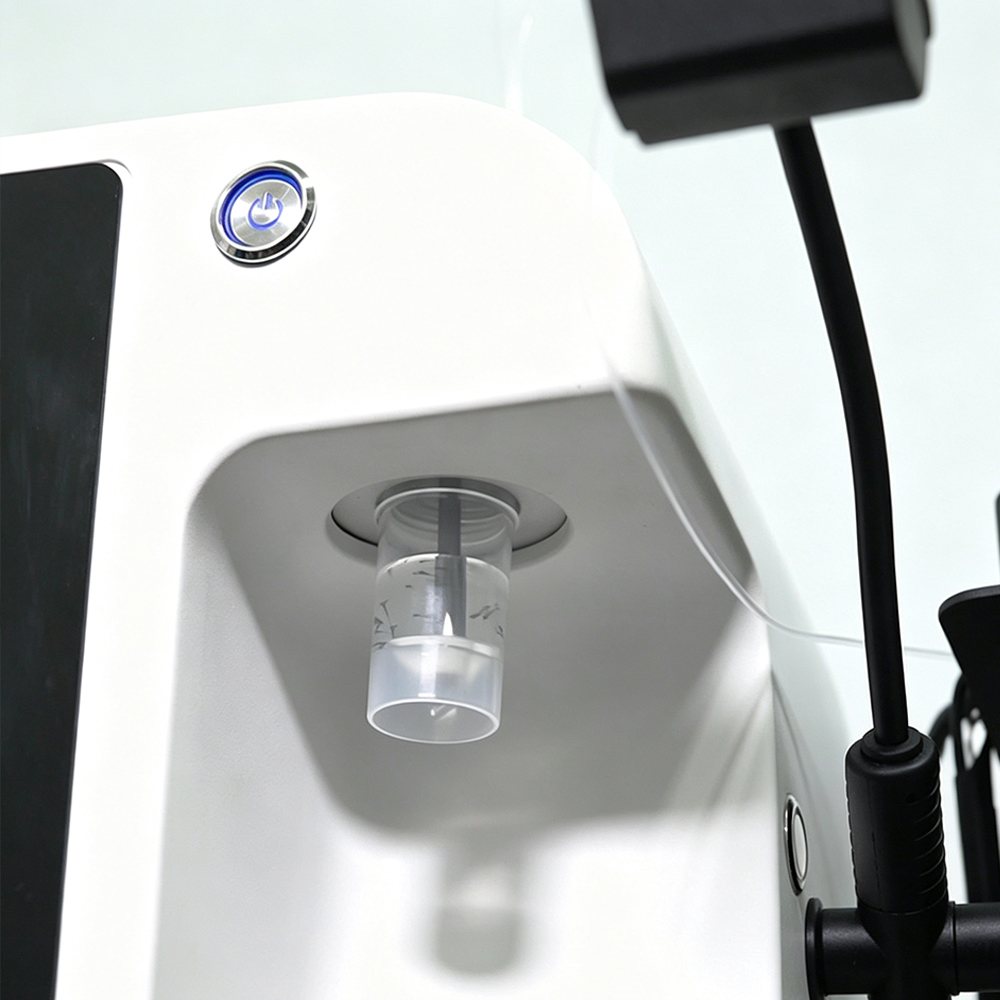
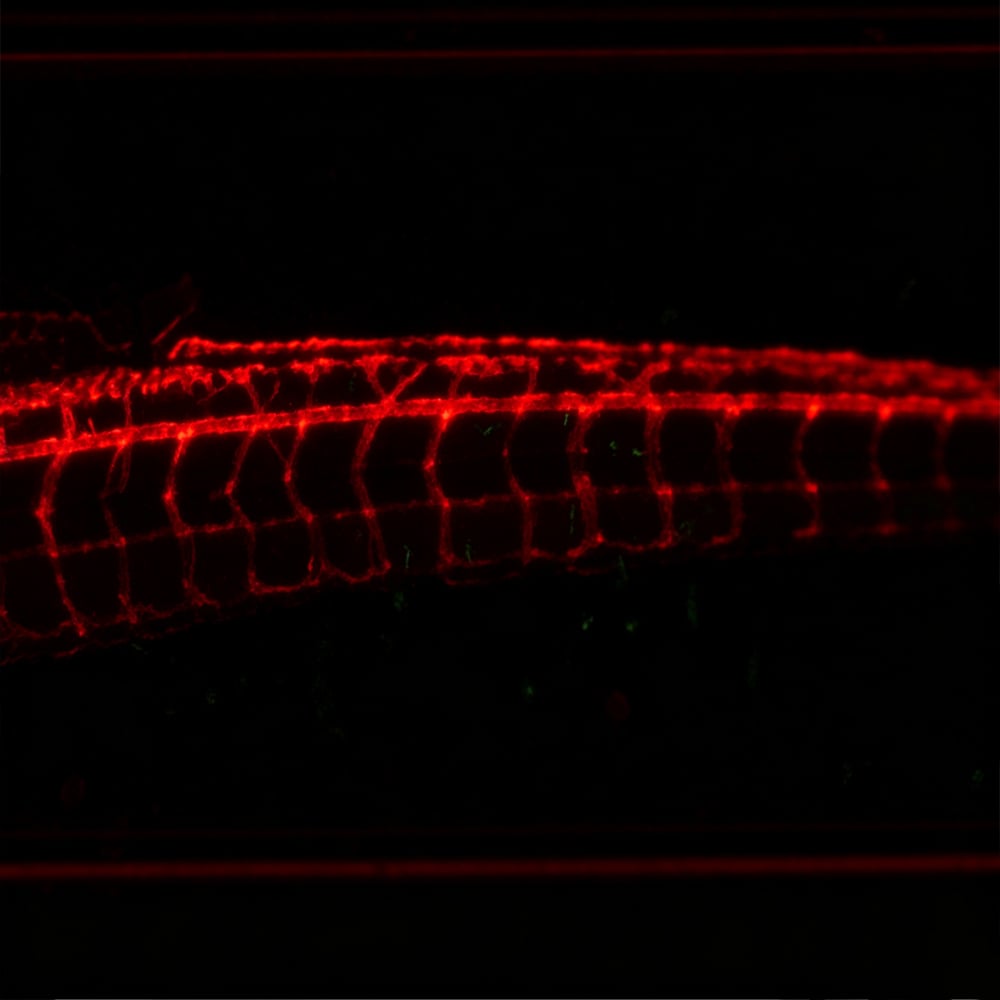
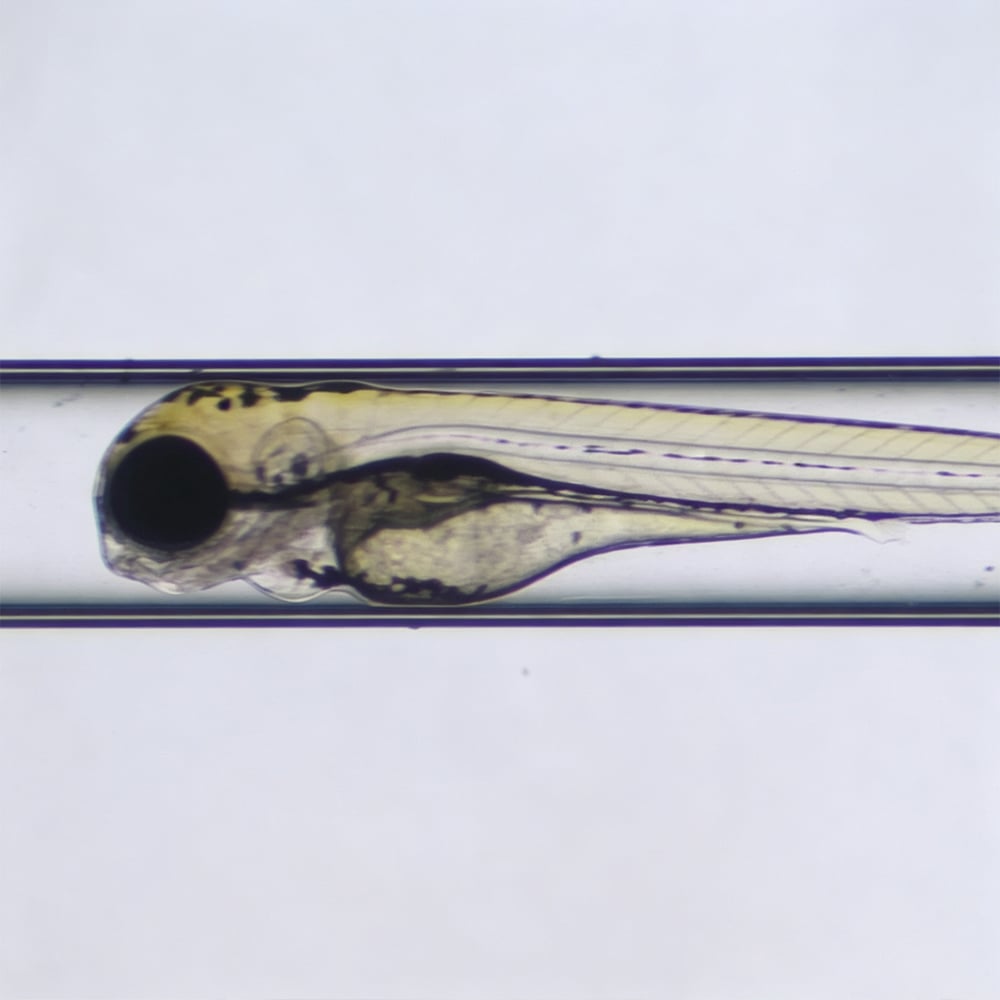
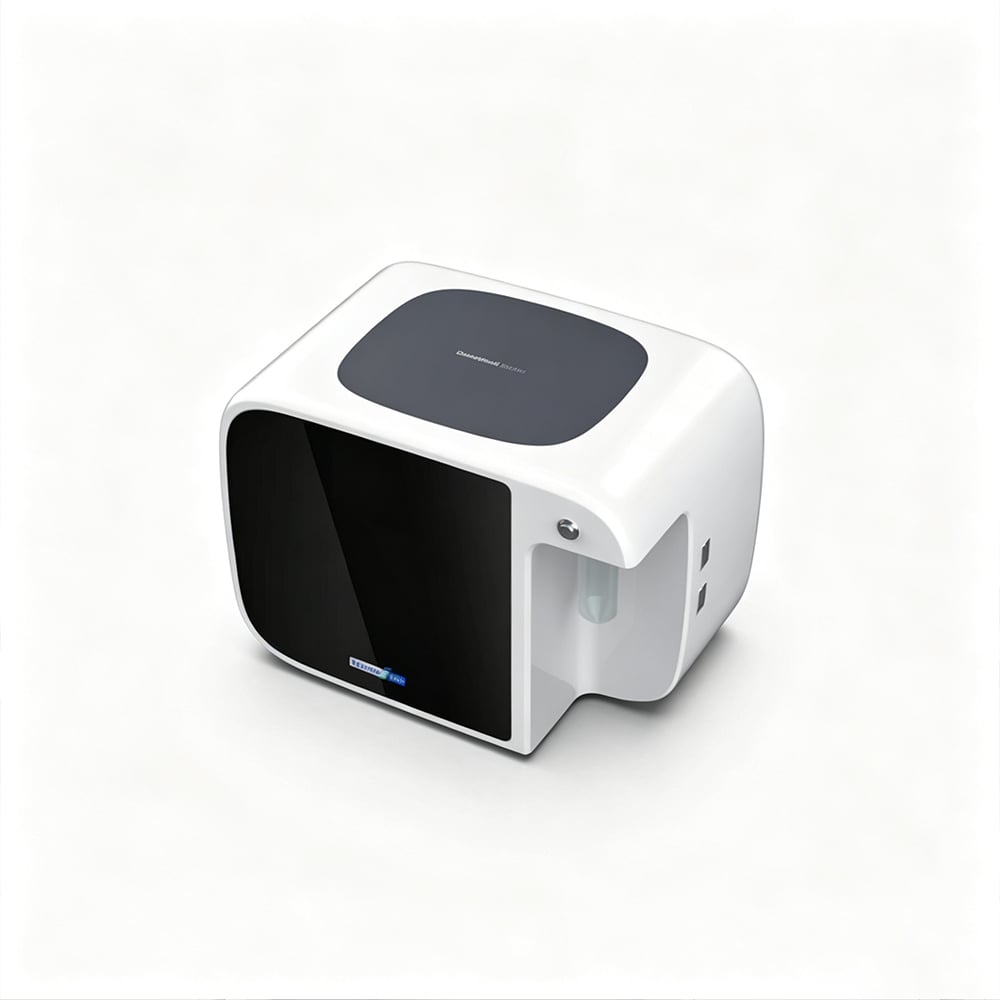
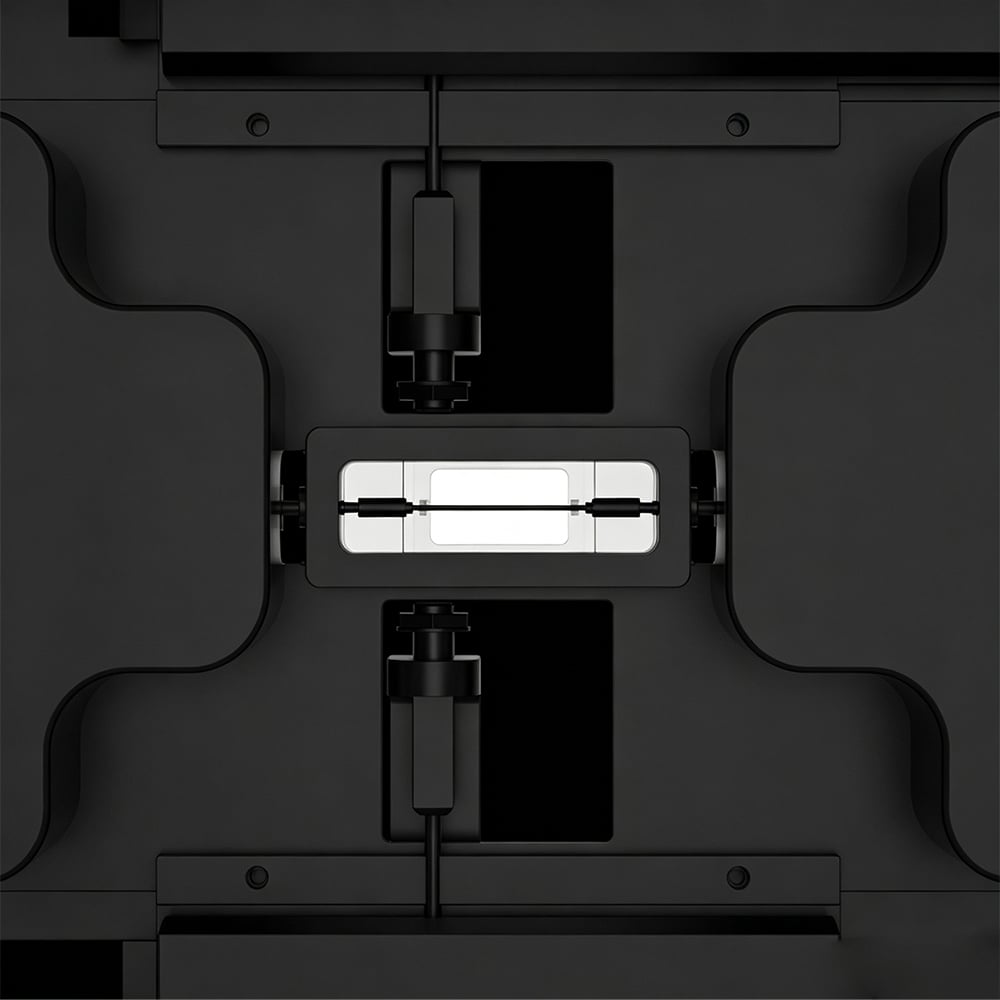
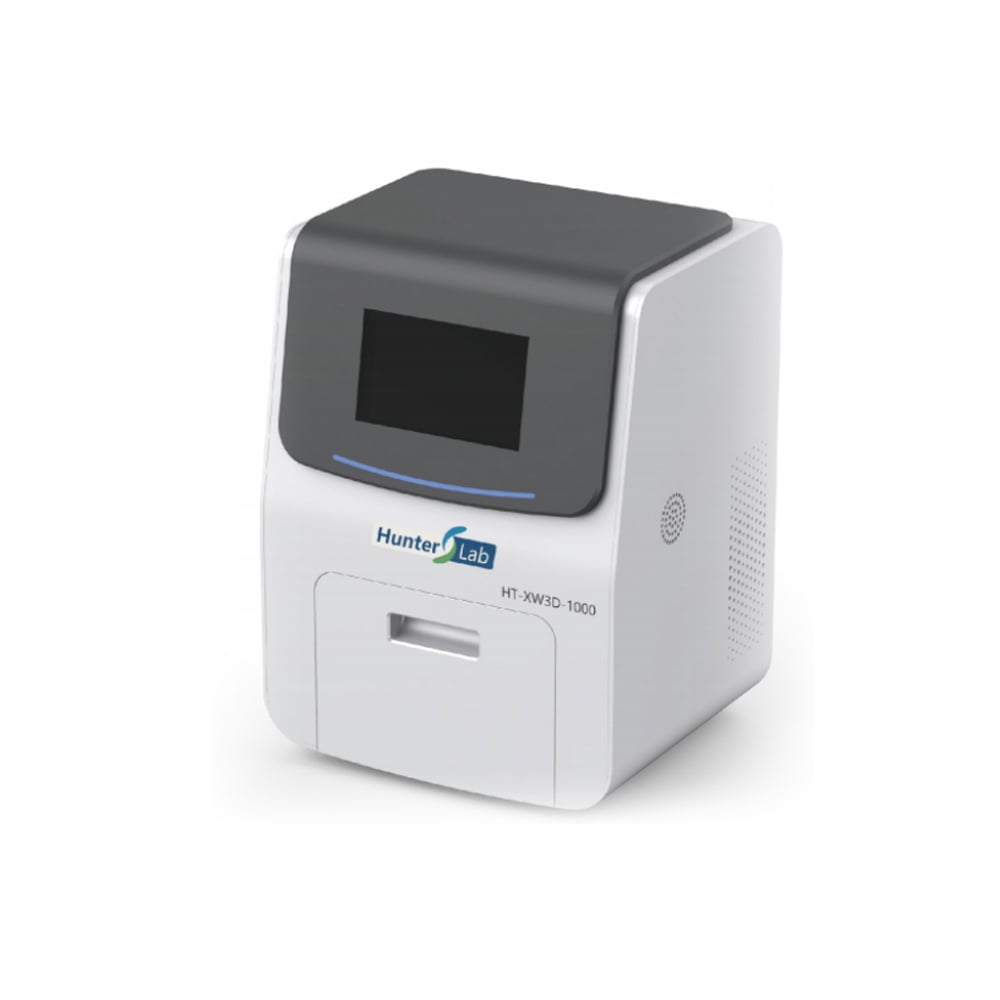
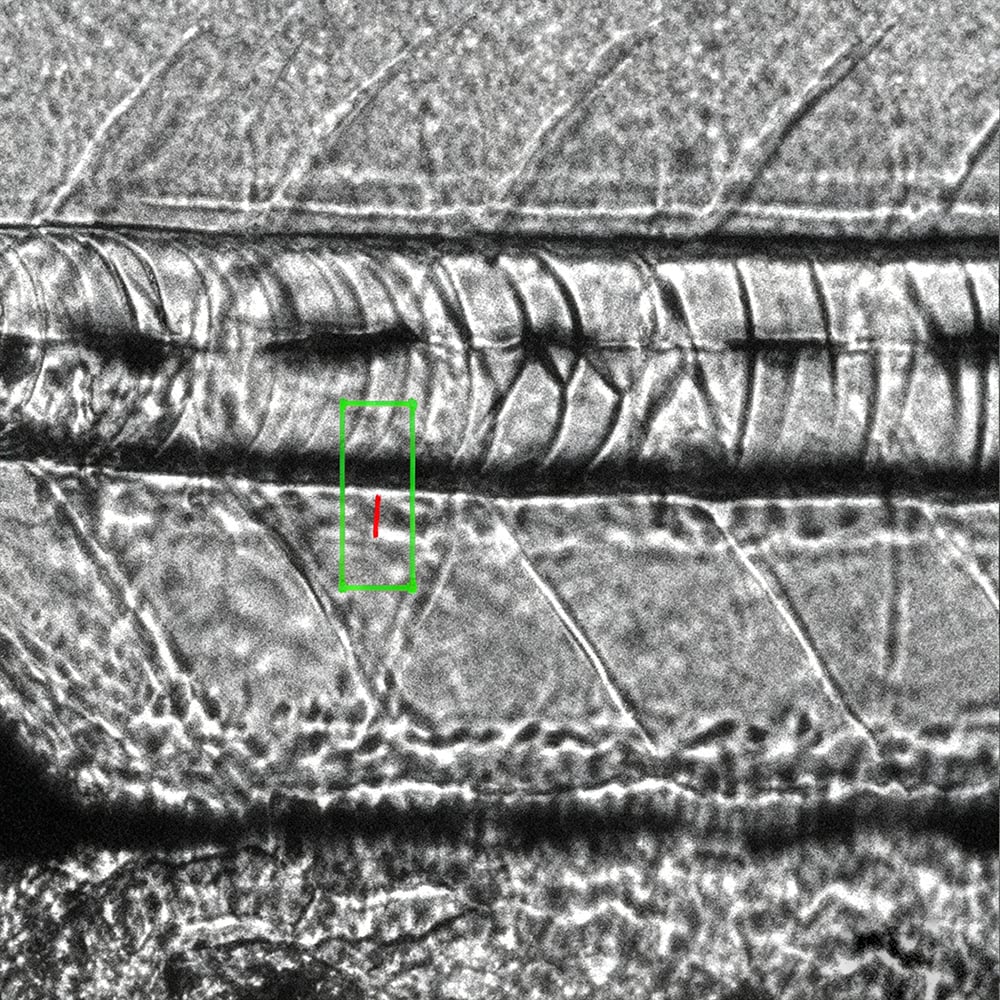
The Zebrafish Panoramic Imaging System is an integrated hardware and software platform for endpoint live imaging of zebrafish larvae (3–7 dpf). Combining microfluidic sample transport, a 360° rotating capillary observation stage, and multi-angle image stitching, it supports both brightfield and fluorescence imaging for comprehensive morphological, fluorescent, and safety evaluation studies. The system features a built-in sample recovery workflow for post-assay culture and configurable software controls to streamline high-consistency screening and documentation in academic and pharmaceutical research laboratories.
Product Brief
The Zebrafish Panoramic Imaging System is an integrated hardware and software platform for endpoint live imaging of zebrafish larvae from 3 to 7 days post fertilization (dpf). Designed for research workflows that need repeatable sample handling and multi-angle visual records, the system combines larva loading, transport, observation, recovery, image acquisition, and analysis functions in one coordinated process. It supports brightfield and fluorescence imaging, while its rotational positioning approach enables users to inspect a specimen from selected viewing angles. This zebrafish panoramic imaging system is intended for laboratories working on morphology observation, fluorescent signal studies, safety evaluation, and screening-oriented zebrafish research.
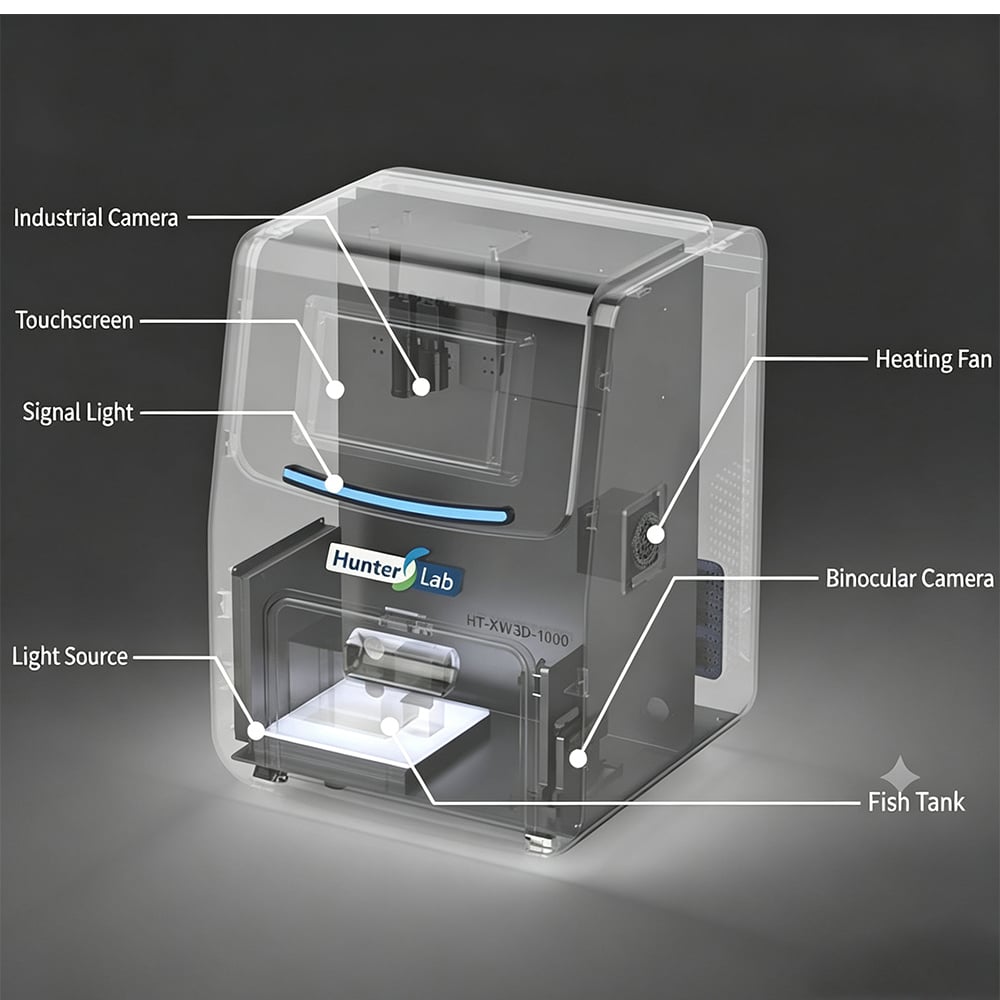
Conventional zebrafish imaging can involve manual transfer, positioning, adjustment under a microscope, and repeated handling between observation steps. The Zebrafish Panoramic Imaging System organizes these tasks into a connected workflow. A sample-loading module introduces zebrafish larvae into the fluidic pathway, followed by transport to the observation area. Within the imaging chamber, the operator can use the matching controller for fine positioning or apply configured acquisition routines through the software.
The zebrafish imaging system combines microfluidic sample movement with rotational positioning in a capillary-based observation process. This arrangement gives research teams a practical way to inspect morphological regions from more than one direction without relying on fixed physical positioning. After acquisition, the system can support sample recovery for continued culture or channel flushing before the next sample is loaded. The sequence helps laboratories build a more consistent imaging routine across repeated experimental runs.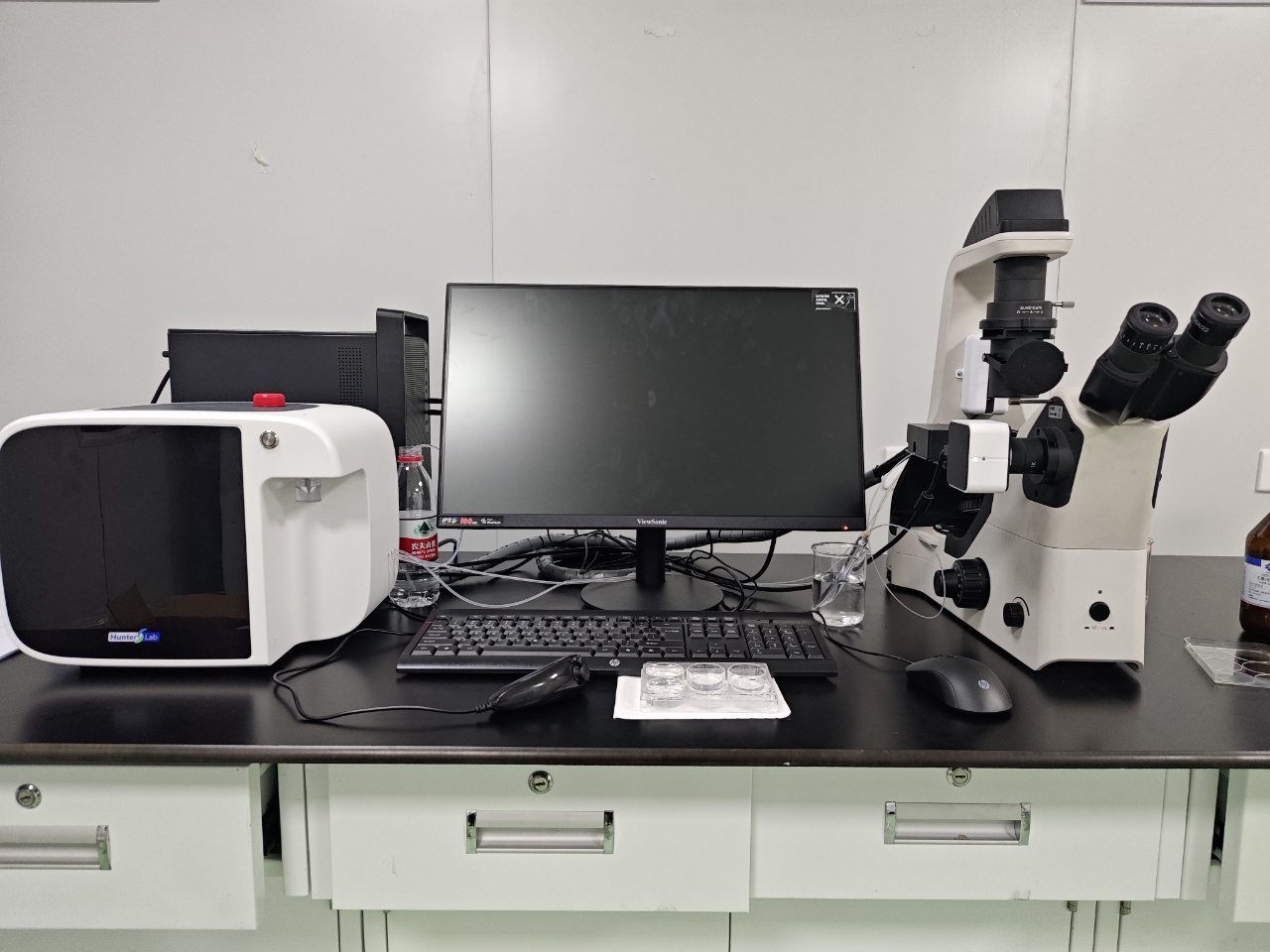
At the center of this zebrafish behavior analysis system is the coordination of microfluidics, rotational positioning, optical imaging, and image analysis software. Instead of treating these as separate tasks, the platform links them in a workflow that can be adjusted to the needs of a specific study. The operator can use the handheld controller for fine positioning when a particular view is needed, while the software provides a route to set acquisition-related conditions and organize image output.
For zebrafish fluorescence imaging projects, the ability to switch between brightfield observation and fluorescence-based capture can be useful when teams need structural context alongside fluorescent expression or signal distribution. The platform is designed to work with filter turrets and multi-band light sources as part of a configured optical solution. Actual channel selection, camera performance, and optical configuration should be confirmed during technical consultation because they depend on the selected system setup.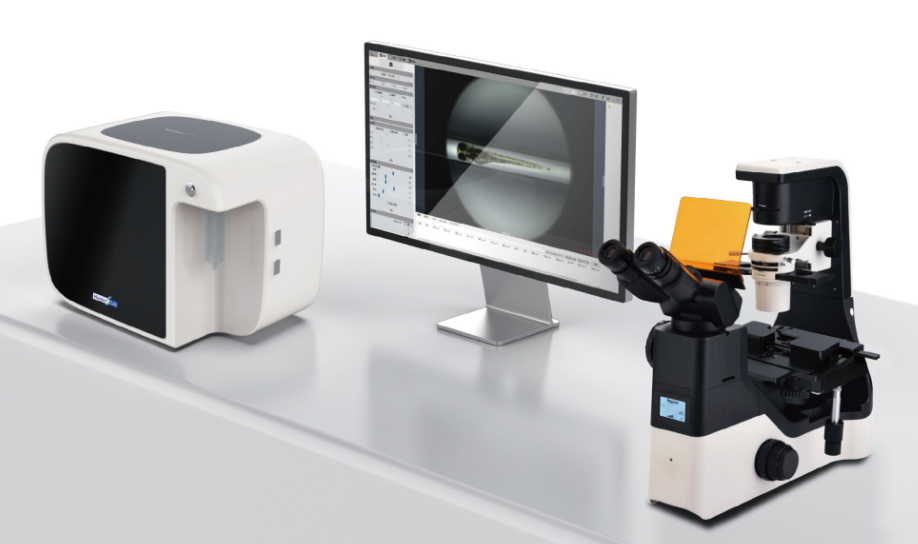
The zebrafish panoramic imaging system supports a structured approach to image documentation. Multi-angle capture can give researchers additional visual context when reviewing anatomical regions or comparing specimens. Image stitching and data export functions help teams bring captured materials into established analysis, reporting, or data-management procedures.
| Item | Confirmed Information |
|---|---|
| Product Type | Zebrafish panoramic imaging system |
| Sample Stage | Zebrafish larvae, 3–7 dpf |
| Imaging Modes | Brightfield and fluorescence imaging |
| Positioning Method | Capillary-based rotational positioning |
| Rotation Capability | Up to 360° |
| System Modules | Loading, transport, observation, recovery, and analysis software |
| Image Functions | Multi-angle acquisition, image stitching, and data export |
| Operation | Matching controller and configurable software workflow |
| Minimum Order Quantity | 1 unit |
A zebrafish larva imaging workflow often needs to balance sample handling, observation quality, documentation, and practical laboratory time. By bringing sample movement and image acquisition into a single platform, this system can help teams build a clearer sequence from loading through recovery. That can be valuable for laboratories that want more consistent operating steps across personnel, projects, or experimental batches.
The platform is relevant to universities, research institutes, pharmaceutical research teams, biotechnology companies, and contract research groups working with zebrafish models. It can support study planning where a team needs morphological observation, fluorescent marker review, or multi-angle image records as part of an endpoint imaging protocol. Buyers can discuss their target workflow, optical requirements, throughput expectations, and data format needs before selecting a configuration.
The system is designed for endpoint live imaging of zebrafish larvae from 3 to 7 dpf. For other developmental stages or specialized sample conditions, please discuss the intended workflow with the technical team.
Yes. The platform supports brightfield and fluorescence imaging. Details such as filters, light sources, and channels should be confirmed for the requested configuration.
The system uses a microfluidic pathway and capillary-based rotational positioning. Operators can use the controller for fine adjustment or use configured acquisition routines.
The workflow includes a recovery function that may be used for post-assay culture. The fluidic channel can also be flushed before loading the next sample.
Please share the intended zebrafish stage, imaging mode, fluorescence requirements, study workflow, expected sample volume, and data-output needs. This information helps define a suitable system configuration and technical discussion.
Contact our team with your zebrafish imaging objectives and required observation workflow. We can help you review applicable system functions and configuration considerations for your laboratory project.
The Zebrafish Panoramic Imaging System is an integrated hardware and software platform for endpoint live imaging of zebrafish larvae (3–7 dpf). Combining microfluidic sample transport, a 360° rotating capillary observation stage, and multi-angle image stitching, it supports both brightfield and fluorescence imaging for comprehensive morphological, fluorescent, and safety evaluation studies. The system features a built-in sample recovery workflow for post-assay culture and configurable software controls to streamline high-consistency screening and documentation in academic and pharmaceutical research laboratories.
This is a title description that can briefly introduce the module.
We offer comprehensive, full-lifecycle services, including initial consultation, site planning, equipment selection, installation, hands-on training, application support, and long-term O&M.No matter your team's background, our standardized training and instant technical support guarantee equipment readiness and rapid onboarding. We handle the technicalities so you can focus on your core experiments.

Seamlessly integrating water circulation and temperature control systems to deliver scientific, compliant, and high-efficiency customized space designs.

Independent R&D and supply of over 10 categories of cutting-edge scientific instruments, spanning the three core pillars of zebrafish research: housing, manipulation, and analysis. Our portfolio includes digital smart housing systems, high-throughput 2D/3D behavioral analysis systems, panoramic in vivo imaging platforms, and forced swim systems. Powered by high-throughput, high-precision hardware and software, we comprehensively accelerate your scientific breakthroughs.

Our veteran engineering team handles standardized installation and hardware calibration on-site. We seamlessly connect your core digital networks—such as water recirculation, light control, and behavioral analysis—ensuring all experimental systems operate at peak performance from day one.

We provide a professional training system that encompasses standardized operations for smart scientific instruments and data analysis software, alongside scientific husbandry techniques for the entire zebrafish lifecycle, water quality environmental control, and daily maintenance protocols. This comprehensive curriculum empowers research teams to rapidly and independently conduct their experiments.
Dive into real-world laboratory use cases to explore how our zebrafish experimental equipment empowers life science research and industrial innovation, accelerating the translation and real-world impact of your scientific breakthroughs.

Empowering universities and research institutes to optimize biomedical research workflows. We provide high-precision, high-efficiency experimental hardware and digital workflow support for deep explorations in developmental biology, genetics, and disease modeling.
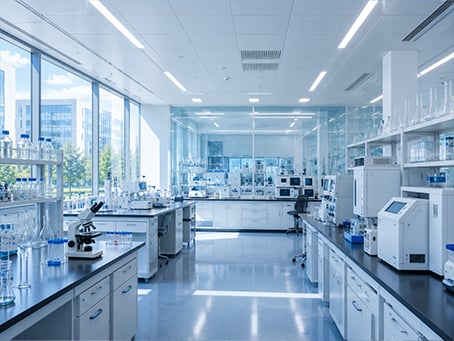
Leveraging high-throughput behavioral analysis and imaging systems, we provide pharmaceutical companies and research institutions with efficient, early-stage drug efficacy and safety assessments, significantly shortening R&D cycles and reducing drug discovery costs.
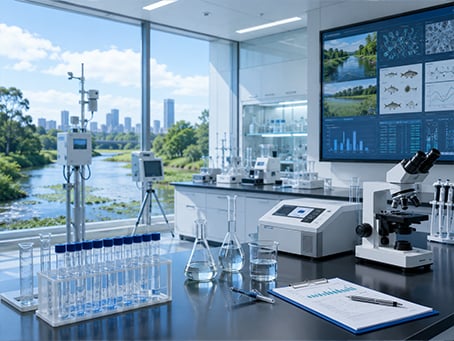
Widely applied in modern water quality monitoring, environmental toxicology assessments, as well as the safety and efficacy evaluation of food, cosmetics, and nutraceuticals, delivering smart digital testing solutions that comply with standardized protocols.
