 EN
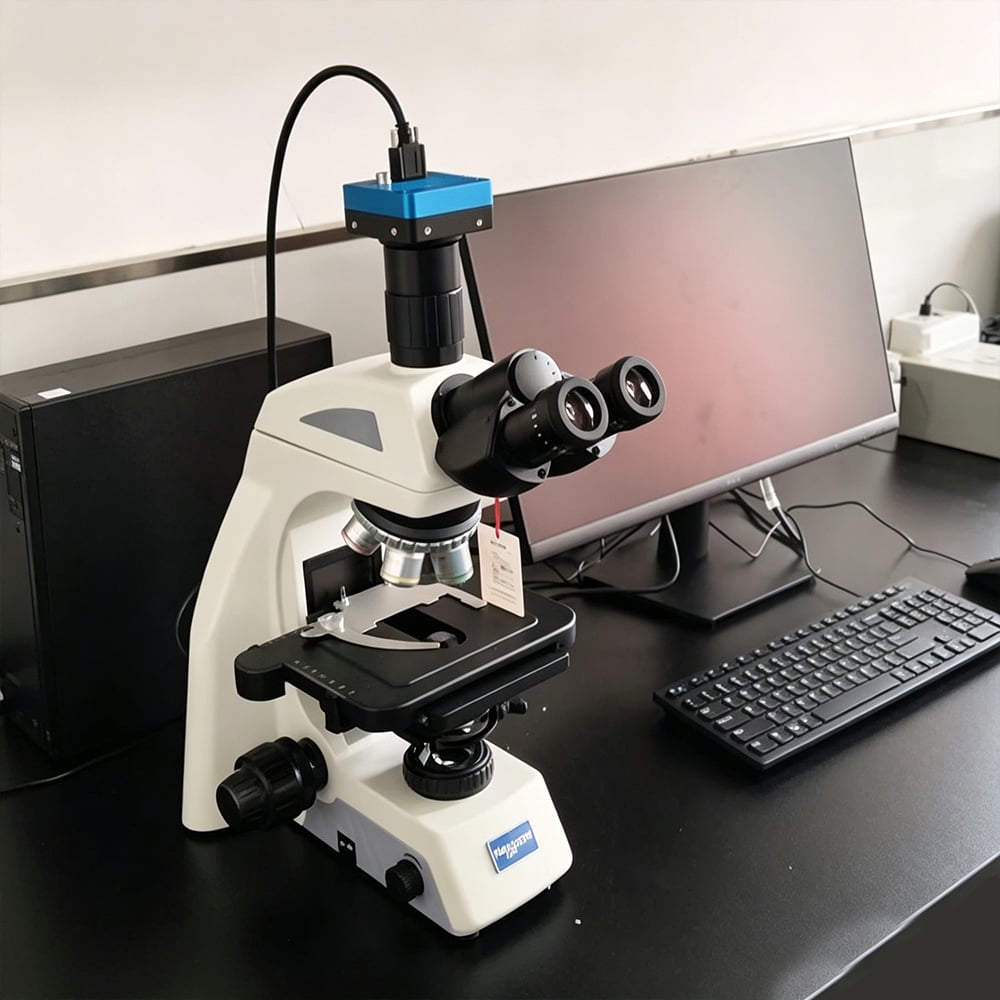
Laboratory Layout & Design
Seamlessly integrating water circulation and temperature control systems to deliver scientific, compliant, and high-efficiency customized space designs.

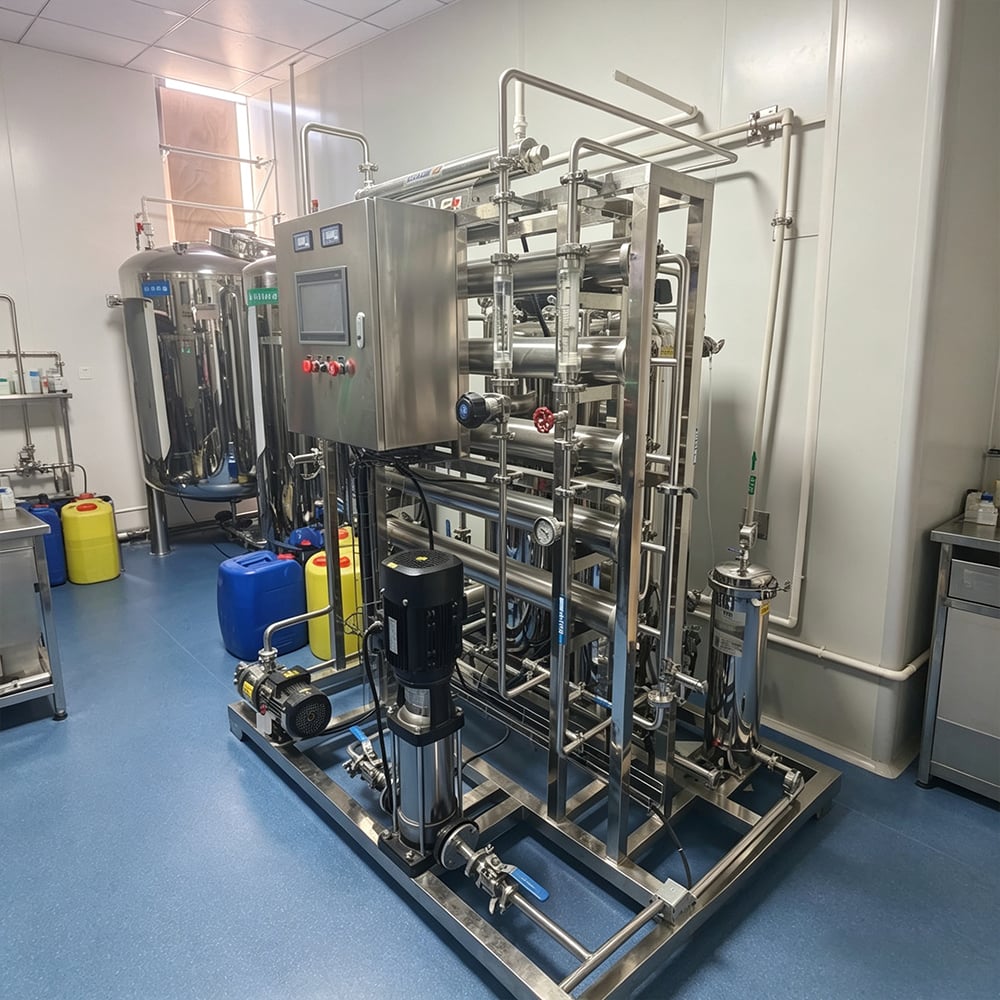
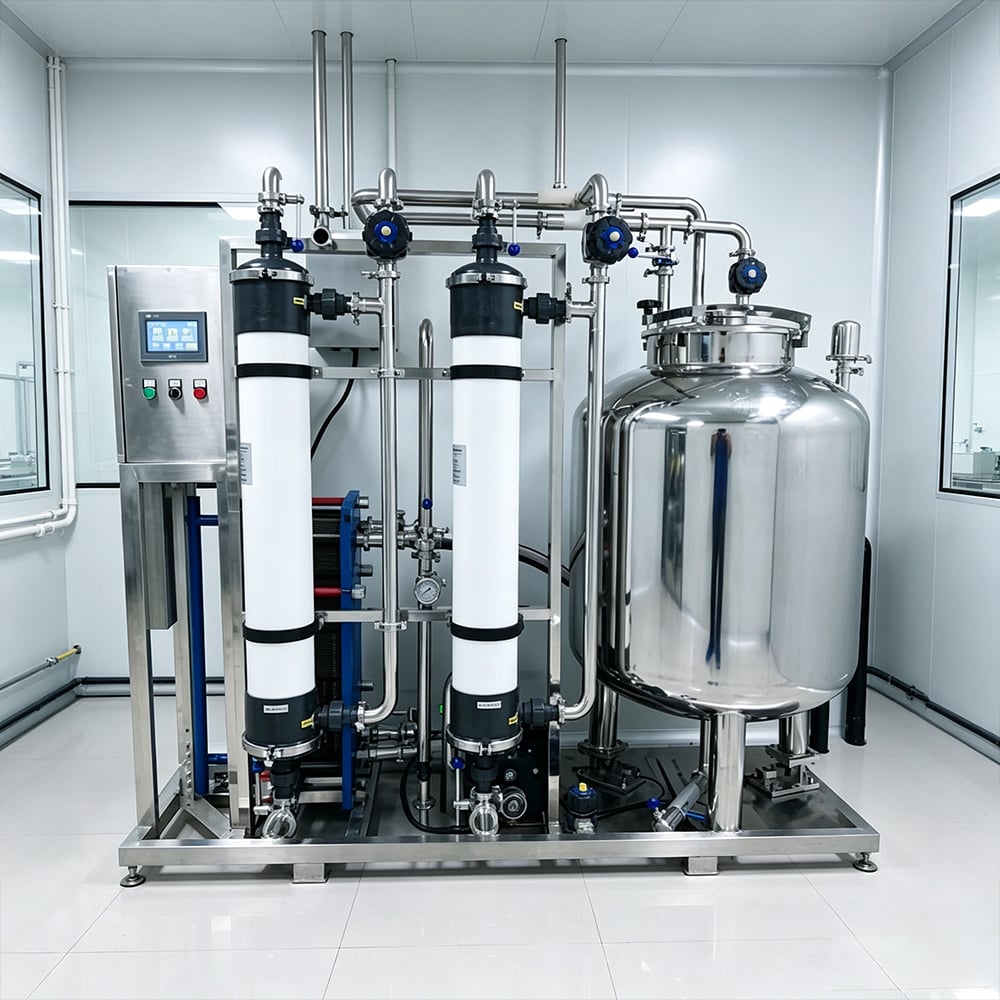
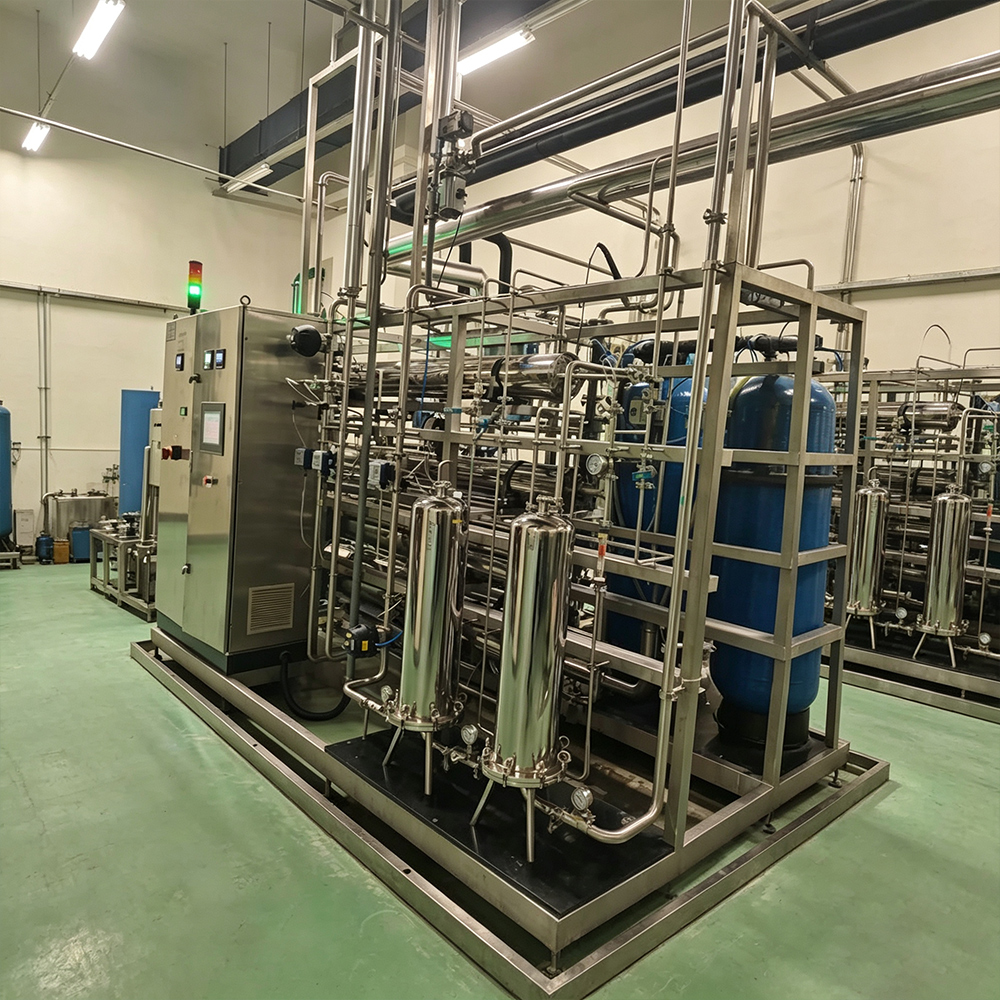
A zebrafish recirculating aquaculture system (RAS) provides closed-loop self-cleaning and high water reuse through mechanical filtration, bio-filtration, and UV sterilization. It automatically monitors and regulates water temperature (28°C), pH, and conductivity in real time to deliver a stable, pristine aquatic environment, ensuring consistent and reproducible research data.
A zebrafish recirculating aquaculture system (RAS) is the core life-support platform in modern model organism facilities, engineered for high-density rearing, large-scale stock maintenance, and precision research. The right zebrafish RAS system depends on your facility's compliance requirements, throughput targets, and long-term operational model. This decision framework identifies the key criteria and what each means for platform selection.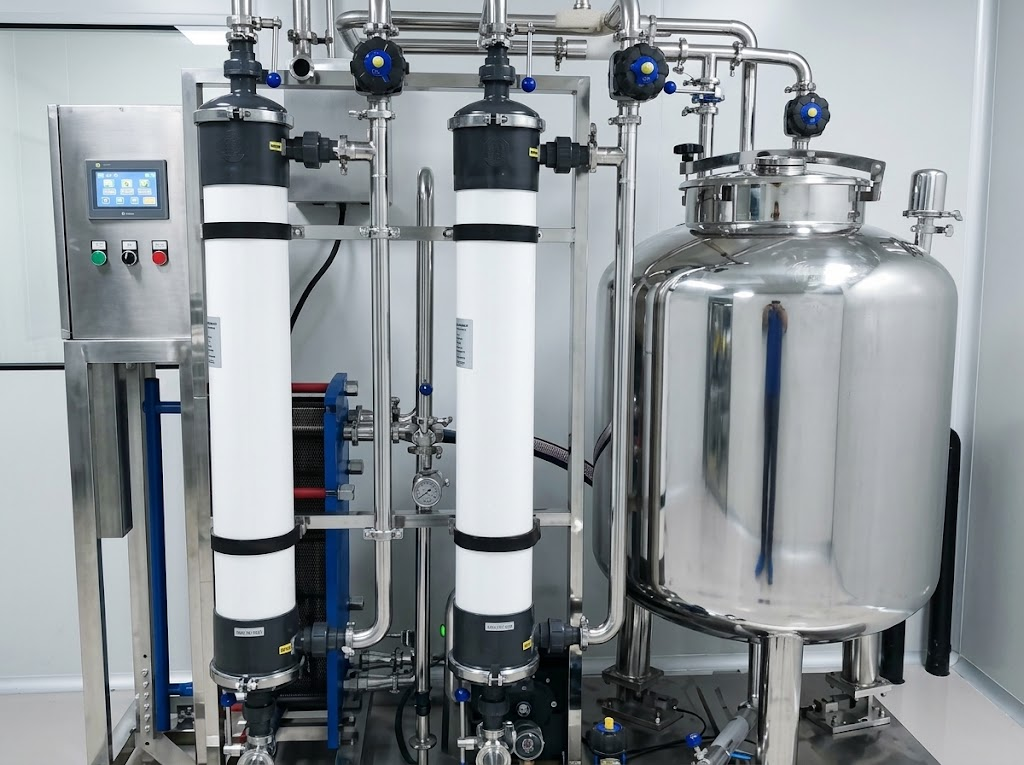
This platform covers five sequential treatment stages essential to any zebrafish RAS system:
The automation subsystem is where this zebrafish RAS system delivers measurable aquaculture automation ROI:
Managing a shared zebrafish facility means the RAS system must perform reliably for users at every experience level. Three criteria determine which configuration fits your profile.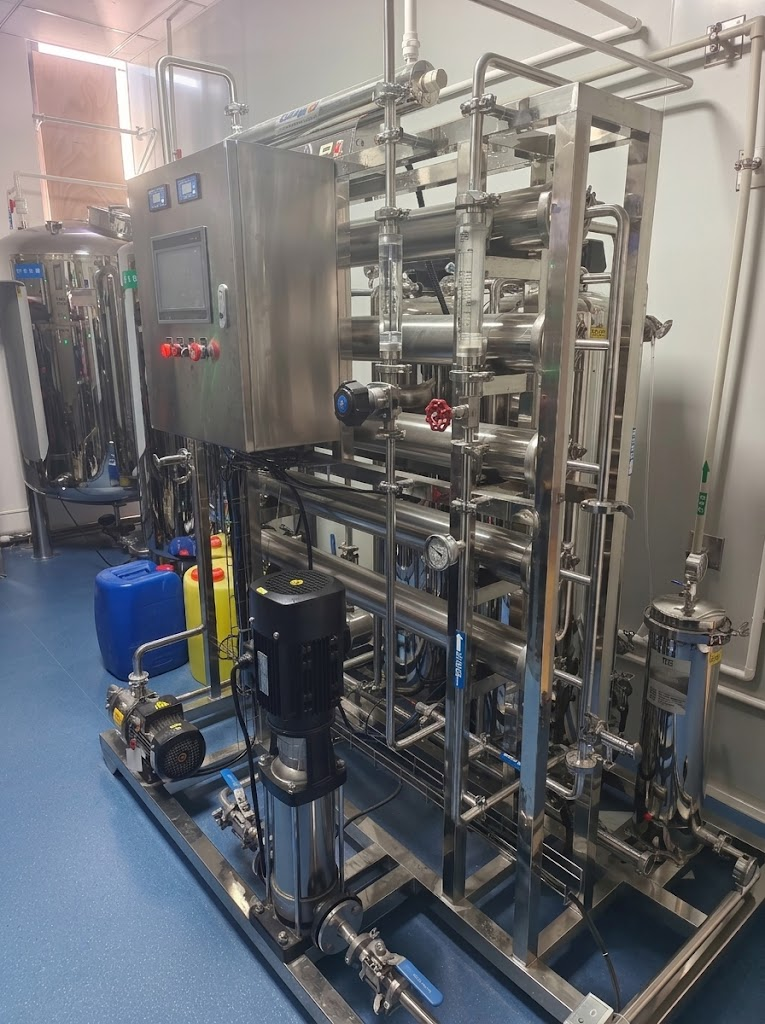
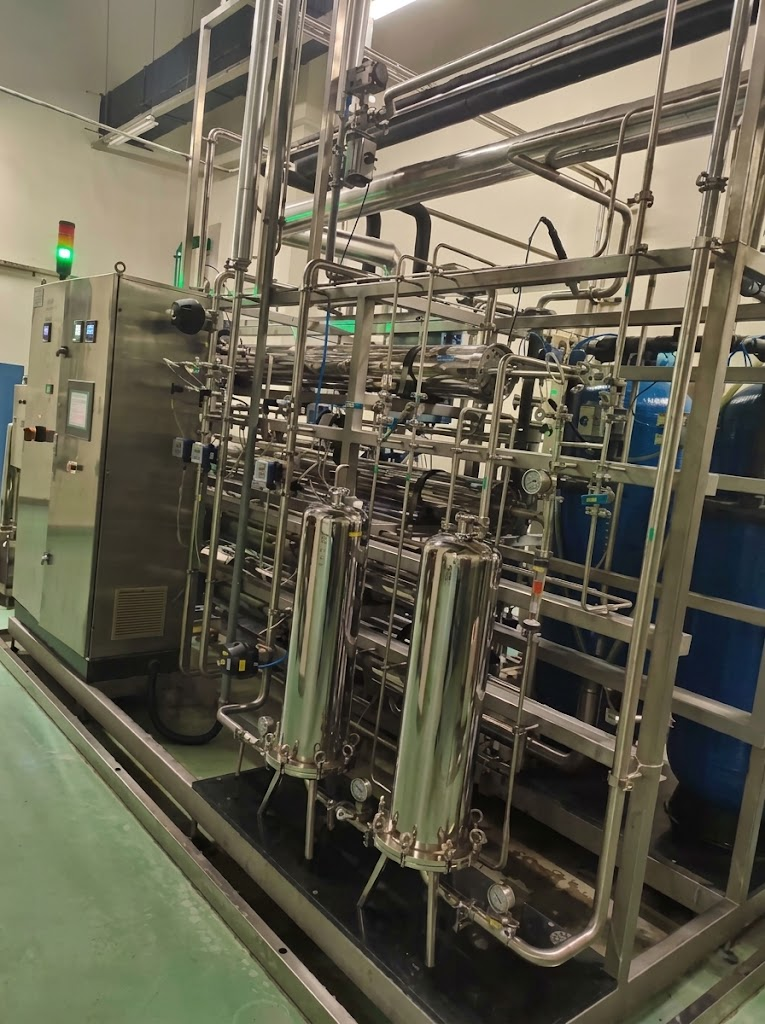
If your facility operates under GLP-adjacent pharmaceutical protocols or is building toward ISO 14644 cleanroom aquaculture certification, select a system with documented qualification support, closed-loop parameter logging, and audit trail capability. Introducing compliance requirements after initial construction adds significant retrofit cost—factor compliance tier into original procurement.
If throughput is the binding constraint, a modular multi-tier design supporting hundreds to thousands of independent tanks is the right starting point. If reproducibility matters more—particularly for drug screening or toxicological exposure programs—invest first in the water quality subsystem and UV sterilization tier. Scaling density before establishing water chemistry stability often produces baseline parameter drift that prevents cross-session data pooling.
The modular architecture supports staged expansion: add rack tiers as populations grow without replacing central water treatment infrastructure. For institutions managing multi-year equipment budgets, upfront capital can be distributed across grant cycles while the core zebrafish RAS system delivers continuous value.
Pharmaceutical organizations running zebrafish cardiovascular or toxicological exposure assays require the water quality consistency of a GLP-compliant recirculating system to produce data suitable for regulatory safety dossiers. For regulated submissions, zebrafish assay data generated on a commercially sourced, documented instrument with closed-loop parameter records is most defensible—verify the applicable standard for your jurisdiction rather than relying on a single cited precedent.
University core facilities housing multiple genetic lines, transgenic reporters, and CRISPR disease models benefit from the environmental uniformity this zebrafish RAS system delivers. Closed-loop water management eliminates the seasonal municipal water variation that shifts conductivity and pH in open systems—a common under-recognized source of baseline drift in multi-investigator facilities running parallel studies across shared aquatic vivarium infrastructure.
Environmental toxicology programs assessing industrial chemicals, aquatic contaminants, or pharmaceutical residues require reproducible baseline water chemistry for structured dose-response designs. The automated water renewal cycle (5%–10% daily turnover) supports defined exposure window protocols where compound concentration stability across multi-day experiments is a study design requirement.
A zebrafish recirculating aquaculture system (RAS) provides closed-loop self-cleaning and high water reuse through mechanical filtration, bio-filtration, and UV sterilization. It automatically monitors and regulates water temperature (28°C), pH, and conductivity in real time to deliver a stable, pristine aquatic environment, ensuring consistent and reproducible research data.
This is a title description that can briefly introduce the module.
We offer comprehensive, full-lifecycle services, including initial consultation, site planning, equipment selection, installation, hands-on training, application support, and long-term O&M.No matter your team's background, our standardized training and instant technical support guarantee equipment readiness and rapid onboarding. We handle the technicalities so you can focus on your core experiments.

Seamlessly integrating water circulation and temperature control systems to deliver scientific, compliant, and high-efficiency customized space designs.

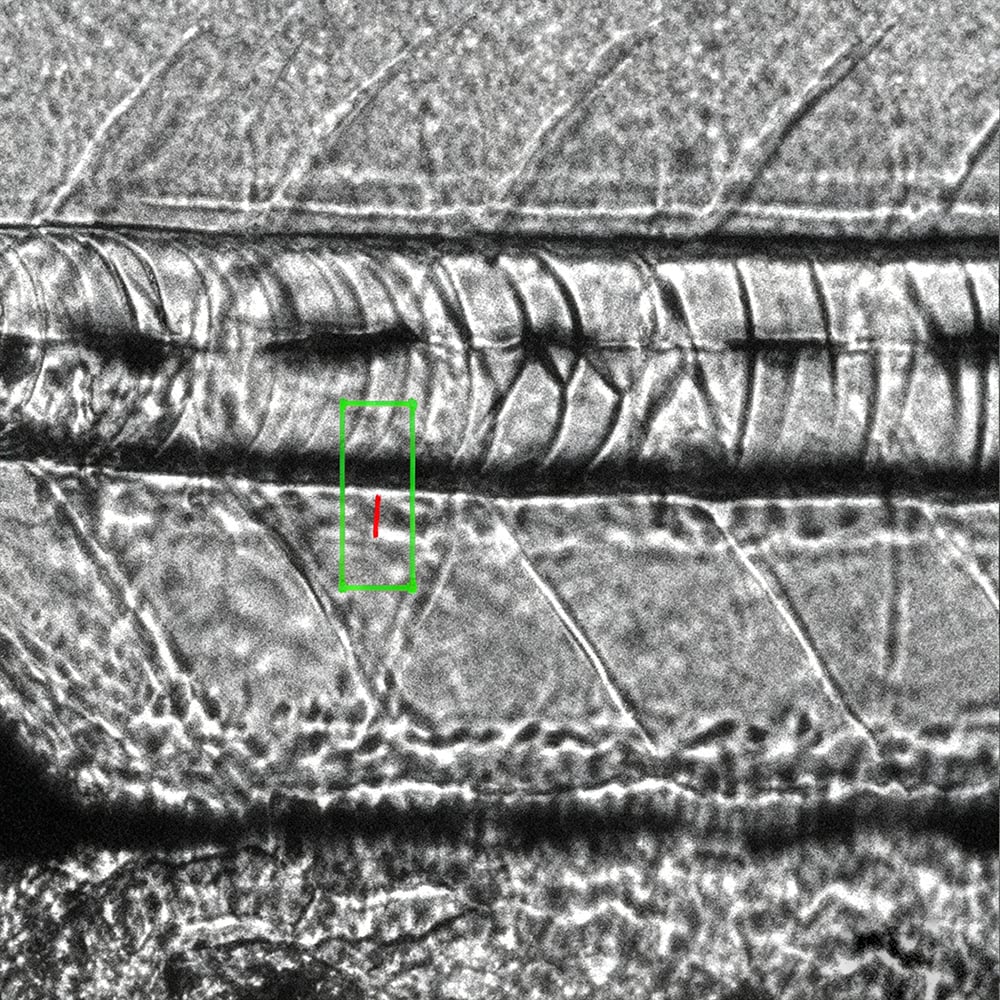
Independent R&D and supply of over 10 categories of cutting-edge scientific instruments, spanning the three core pillars of zebrafish research: housing, manipulation, and analysis. Our portfolio includes digital smart housing systems, high-throughput 2D/3D behavioral analysis systems, panoramic in vivo imaging platforms, and forced swim systems. Powered by high-throughput, high-precision hardware and software, we comprehensively accelerate your scientific breakthroughs.

Our veteran engineering team handles standardized installation and hardware calibration on-site. We seamlessly connect your core digital networks—such as water recirculation, light control, and behavioral analysis—ensuring all experimental systems operate at peak performance from day one.

We provide a professional training system that encompasses standardized operations for smart scientific instruments and data analysis software, alongside scientific husbandry techniques for the entire zebrafish lifecycle, water quality environmental control, and daily maintenance protocols. This comprehensive curriculum empowers research teams to rapidly and independently conduct their experiments.
Dive into real-world laboratory use cases to explore how our zebrafish experimental equipment empowers life science research and industrial innovation, accelerating the translation and real-world impact of your scientific breakthroughs.

Empowering universities and research institutes to optimize biomedical research workflows. We provide high-precision, high-efficiency experimental hardware and digital workflow support for deep explorations in developmental biology, genetics, and disease modeling.
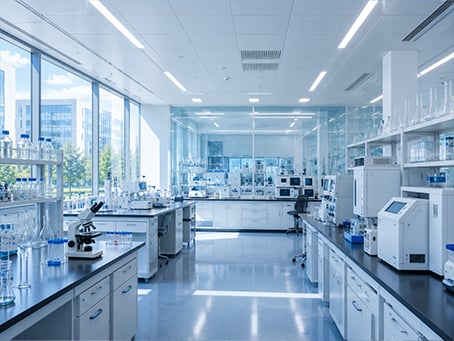
Leveraging high-throughput behavioral analysis and imaging systems, we provide pharmaceutical companies and research institutions with efficient, early-stage drug efficacy and safety assessments, significantly shortening R&D cycles and reducing drug discovery costs.
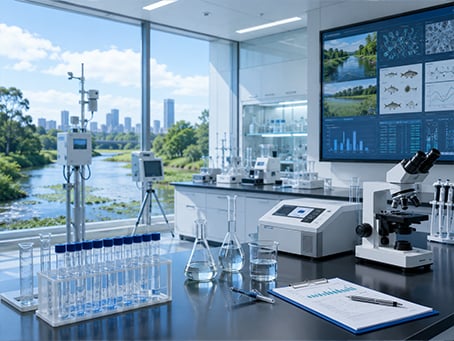
Widely applied in modern water quality monitoring, environmental toxicology assessments, as well as the safety and efficacy evaluation of food, cosmetics, and nutraceuticals, delivering smart digital testing solutions that comply with standardized protocols.
