What Is a Behavioral Analysis System?
A behavioral analysis system is a specialized instrument platform designed to record, track, and quantify the movement and behavioral responses of laboratory subjects—most commonly zebrafish—in controlled experimental environments. These systems translate observable behavior into objective, reproducible data for use in neuroscience, pharmacology, toxicology, and safety testing research.
Across academic institutions, pharmaceutical R&D labs, and cosmetics safety testing facilities, a behavioral analysis system serves as the primary tool for measuring how subjects respond to compounds, genetic modifications, or environmental changes. The shift from manual observation to automated tracking has made it possible to run standardized, high-volume experiments with significantly less operator-to-operator variation than traditional methods allow.
Key Product Characteristics
Behavioral analysis systems for zebrafish research share a set of core functional features, though the right configuration depends heavily on your specific experimental objectives. The three main variants in this category represent distinct capabilities:
-
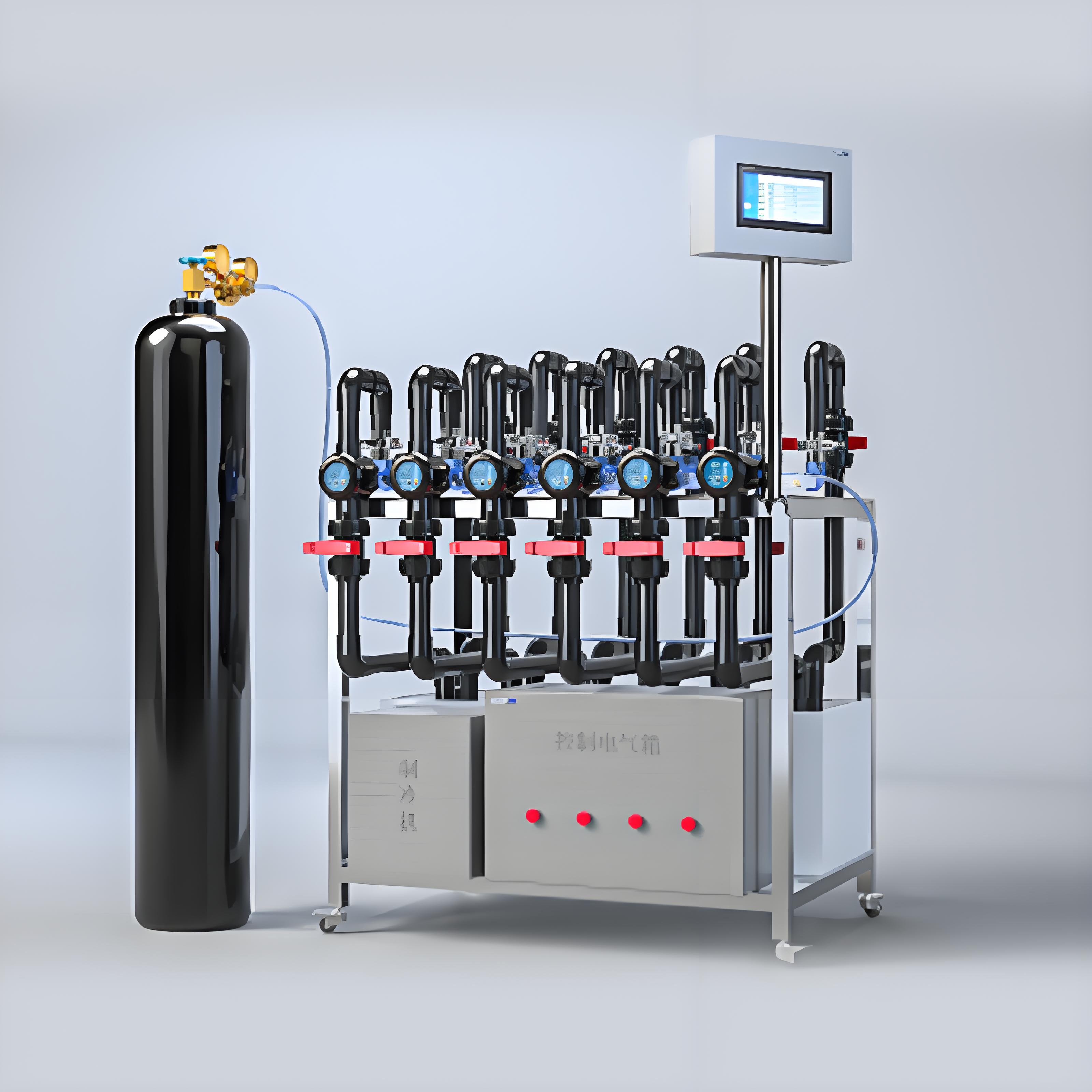
Forced Swim Testing Systems: Designed for exercise-capacity and anti-fatigue behavioral phenotyping, with multi-channel parallel configurations, flow velocity control, and optional environmental parameter monitoring including dissolved oxygen and temperature. Most labs using these systems focus on compound efficacy screening or metabolic phenotyping, where stable and reproducible hydrodynamic conditions are the primary requirement.
-
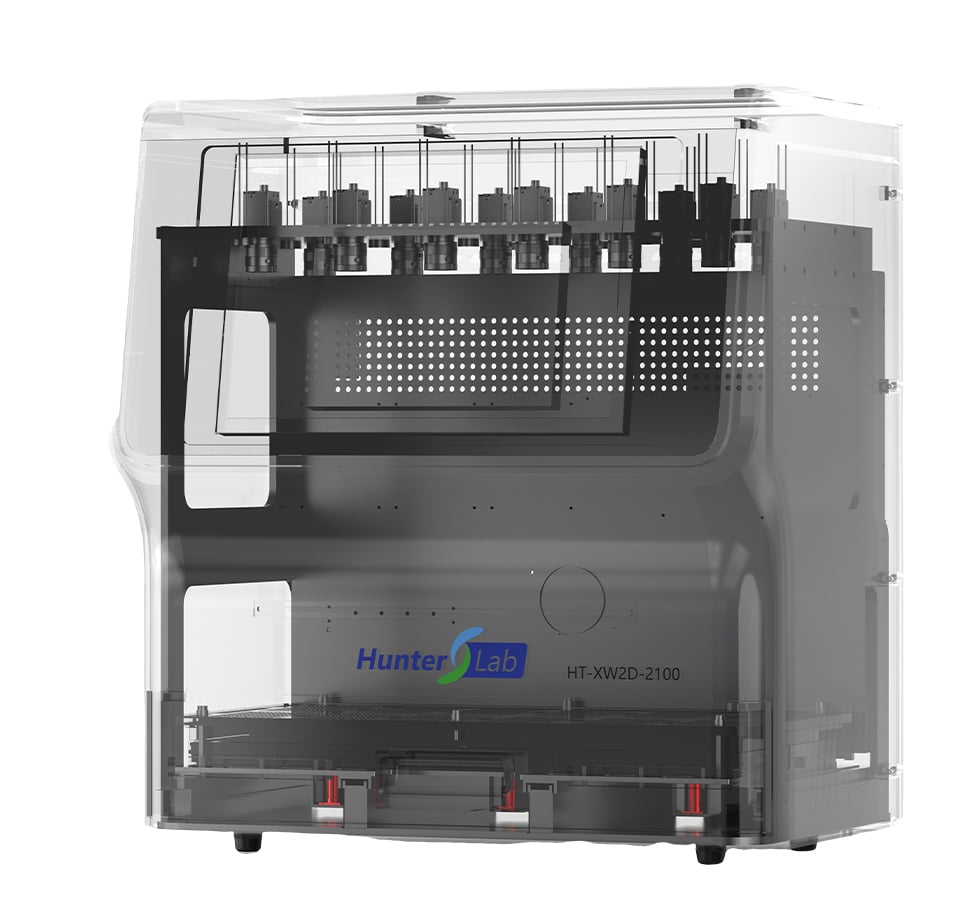
2D High-Throughput Behavioral Tracking Systems: Automated top-down tracking platforms that record locomotion patterns, zone entry frequency, and activity levels across multiple wells simultaneously. Automated detection algorithms reduce operator-dependent scoring time and maintain measurement consistency across large sample batches—an important consideration for high-throughput compound screening and large-scale safety assessment programs where per-sample variability directly affects data quality.
-
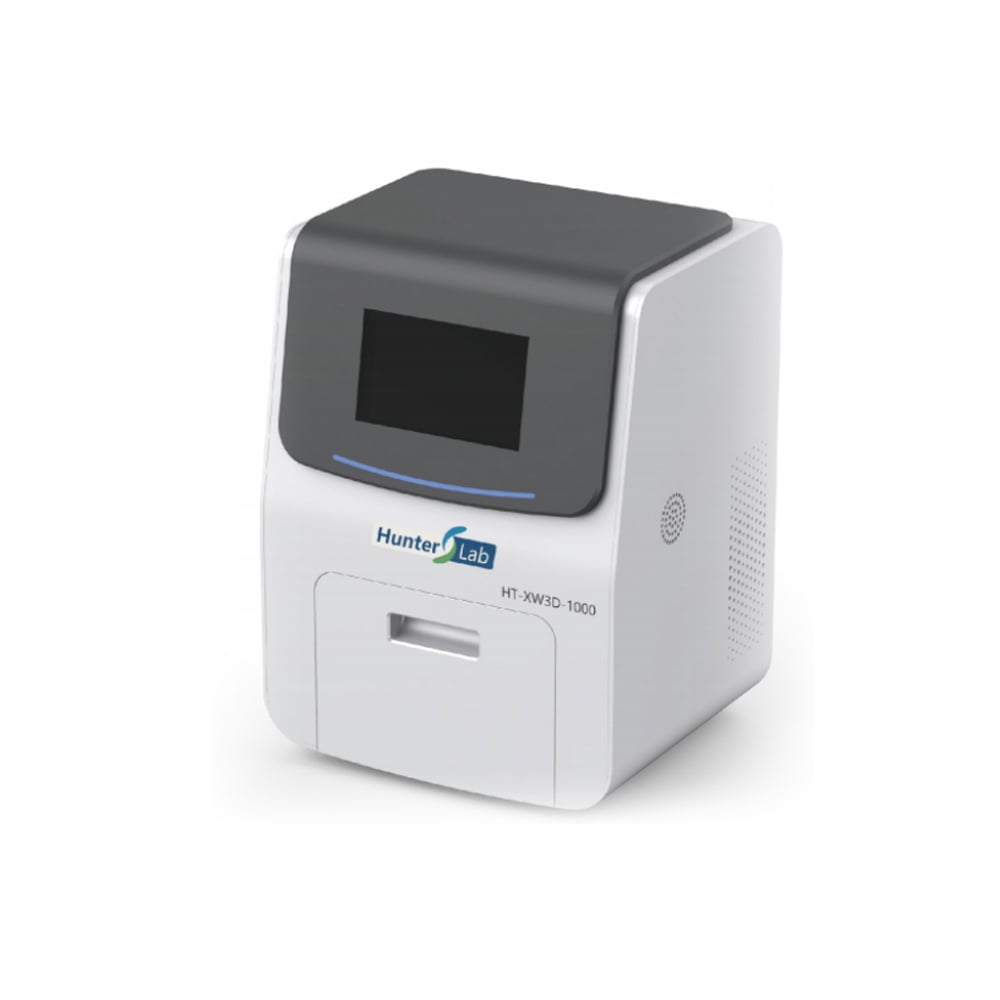
3D Behavioral Analysis Systems: Multi-camera configurations that reconstruct full spatial trajectory data for adult or larval subjects. These systems provide a level of behavioral detail that 2D platforms cannot replicate, and they are usually the better choice when spatial orientation, depth preference, or three-dimensional swim pattern analysis is scientifically required for the study design.
Across all variants, built-in data export functions typically output results in standard formats—including CSV and Excel—compatible with statistical analysis tools used in academic and pharmaceutical workflows. This supports both publication-ready data preparation and regulatory submission documentation requirements.
Common Applications
The range of research applications supported by behavioral analysis systems is broader than initial appearances suggest. In academic settings, these platforms support locomotion and habituation studies, anxiety and stress assays, social interaction analysis, and learning and memory paradigms. In pharmaceutical R&D, behavioral endpoints complement toxicological and cardiovascular data to provide a multi-dimensional safety and efficacy profile for candidate compounds.
The cosmetics and health supplement industry increasingly values behavioral readout data as part of alternative-to-animal testing programs. Driven by regulatory and consumer pressure on conventional in vivo testing methods—particularly in markets such as the EU and parts of Asia—companies are incorporating zebrafish behavioral endpoints into ingredient safety evaluations. Where relevant testing standards exist for your specific application, buyers in regulated industries should verify the current applicable standard for their jurisdiction and product category before finalizing assay design and instrument selection.
Behavioral analysis systems are also applied in behavioral genetics programs, environmental toxicology screens, and nutraceutical efficacy research. The same instrument platform often serves both academic and industrial customers, but the value propositions differ: academic researchers typically prioritize biological depth and publication reproducibility, while pharmaceutical and cosmetics customers focus on regulatory-relevant safety data and throughput consistency.
How to Choose the Right Behavioral Analysis System
The right approach depends heavily on your experimental design, throughput requirements, and data deliverable type. There is no single configuration that works for every lab, and most purchasing decisions benefit from working through a structured set of criteria before comparing specific systems.
Define your primary behavioral endpoint first. If your protocol requires measurement of sustained exercise capacity, swimming endurance, or flow-related behavioral responses, a forced swim testing platform is the appropriate starting point. If your focus is on general locomotion, thigmotaxis, or compound-induced activity changes across many subjects, a 2D tracking system likely covers your needs. If your study requires three-dimensional spatial data—depth preference or full trajectory reconstruction—a 3D system is the only option that delivers complete behavioral information.
Assess throughput and parallelization requirements. When evaluating a behavioral analysis system for institutional procurement, the decision often hinges on how many subjects or wells need to be processed per session. If your priority is compound library screening at scale, the most important factor to evaluate first is channel or well count and the degree to which data acquisition runs in parallel. In our experience, most labs initially focus on maximizing throughput, but inconsistent preparation and acclimation conditions usually undermine behavioral data quality before hardware capacity becomes the limiting factor. Shifting from throughput to standardization as the primary optimization target is a transition most high-performing behavioral labs go through.
Factor in protocol readiness and documentation support. New users often underestimate the protocol variables that affect behavioral data quality. When equipment performs as specified but results are still inconsistent, the issue is usually in protocol details—staging, acclimation timing, environmental parameter stability—rather than in the instrument hardware itself. Most labs report that behavioral data quality improves substantially once preparation and acclimation steps are standardized. Availability of clear technical documentation—including zebrafish incubator manual guidance for setup and acclimation—and access to responsive zebrafish blood flow analysis system support for flow-endpoint workflows can reduce time-to-reliable-data significantly for labs new to this category.
Evaluate data output compatibility. Both academic publication and regulatory submission contexts benefit from standard output formats. Confirm that the system exports in formats your statistical analysis pipeline supports and that the data structure is consistent enough for multi-batch comparison and longitudinal study designs.
Consider vendor support and geographic service coverage. For labs in Asia, Europe, and North America, proximity of after-sales support, export documentation capability, and familiarity with local procurement and compliance requirements are practical considerations. Both academic and industrial buyers at international institutions should confirm that the vendor can handle the specific export compliance requirements for laboratory instruments and has relevant experience serving customers in their region.
What Buyers Should Weigh Before Purchasing
Behavioral analysis systems range considerably in complexity and price, and total cost of ownership typically includes installation, software licensing, and ongoing technical support—not just the initial equipment cost. Grant-funded procurement decisions benefit from vendors that can provide the documentation and quotation formats required for institutional approval processes.
For buyers in Asia, working with a vendor that understands the specific logistical, regulatory, and cultural context of the regional market—rather than one relying solely on general international distribution—usually results in fewer procurement delays and more responsive support for application-specific questions. Asian cosmetics and health supplement companies, in particular, may find that accessing a locally supported behavioral analysis platform reduces both sample logistics barriers and time-to-data compared with routing samples through CROs based in other geographies.
Both purpose-built zebrafish behavioral platforms from specialist suppliers and adapted general imaging hardware have merit—what distinguishes them is the depth of application-specific calibration, species-specific software features, and the availability of validated protocols for target behavioral parameters. For most research setups, the time saved in validation and troubleshooting with a purpose-built behavioral analysis system justifies the investment over general-purpose alternatives, particularly when regulatory-relevant or publication-ready data are required from the start.

 EN