What Is a Zebrafish Housing System?
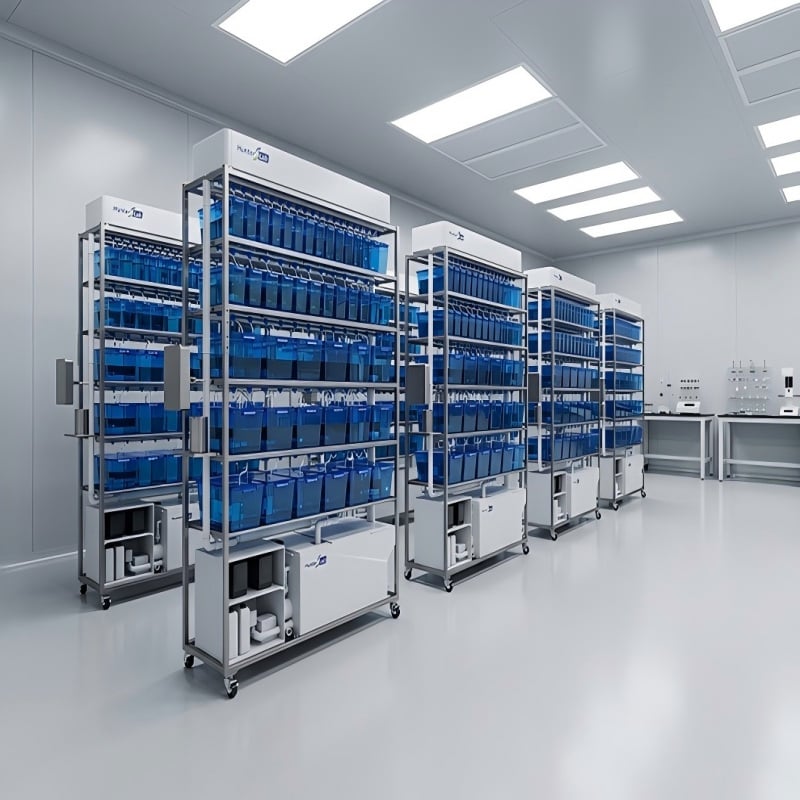
A zebrafish housing system is an integrated suite of aquatic environment equipment designed to simulate stable, controlled conditions for Danio rerio colonies used in biomedical, toxicological, and developmental research. A complete zebrafish housing system typically combines recirculating aquaculture systems (RAS), modular housing racks, automated feeding units, water treatment equipment, sterilization cabinets, and live-food preparation systems. Unlike general aquaculture setups, a laboratory zebrafish housing system must maintain tight parameter windows—water temperature typically between 26–28°C, pH between 6.8 and 7.5, and controlled photoperiod cycles—to support reproducible experimental outcomes across multiple operators and study periods.
In practice, most zebrafish research facilities find that the zebrafish housing system infrastructure is not always the obvious source of data variability—it is often water quality inconsistency or feeding irregularity that introduces the confound. Experience with research-scale installations suggests that zebrafish housing systems with integrated, automated water quality control tend to see fewer baseline parameter shifts across experiments, particularly in long-running compound screens where even minor conductivity drift can alter larval baseline profiles across months. That pattern repeats across facilities of different sizes and target markets.
Zebrafish Housing System Product Range
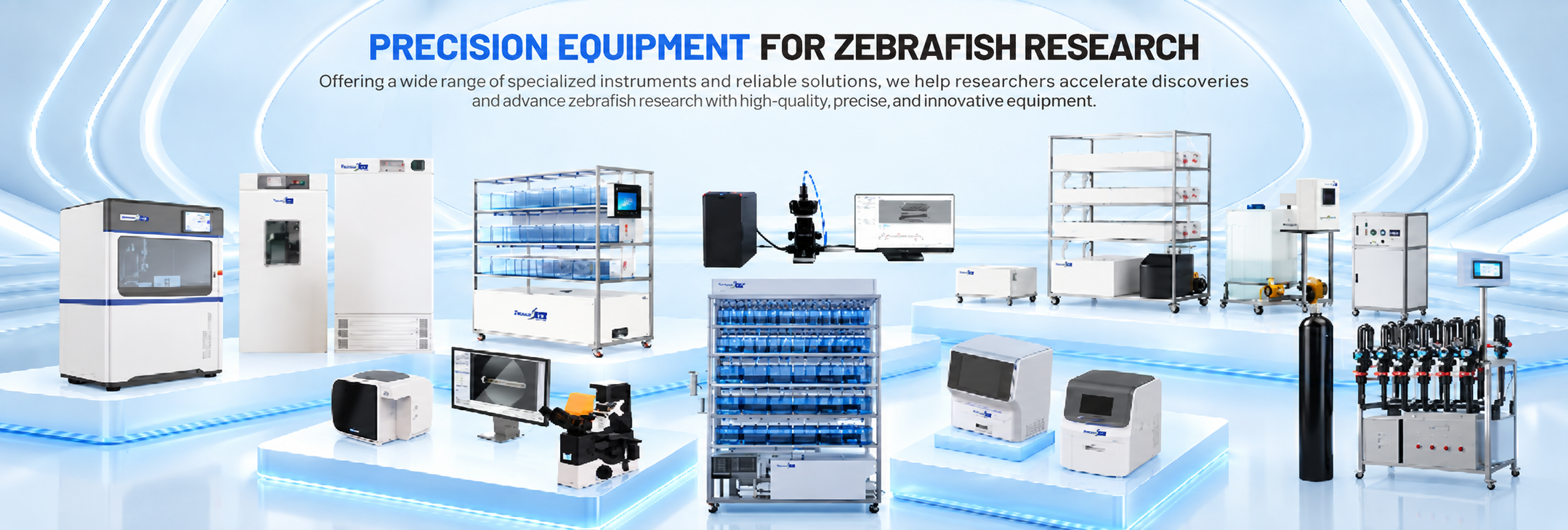
This zebrafish housing system category includes seven core equipment types, each addressing a specific functional requirement within a research facility:
-
Recirculating Aquaculture System (RAS): A closed-loop zebrafish housing system component with mechanical filtration, biological filtration, and UV sterilization for continuous water reuse. Automated regulation of temperature (28°C), pH, and conductivity delivers a stable aquatic environment. Suitable for GLP laboratories and ISO 14644 cleanroom-compliant facilities, with automated parameter logging to support compliance documentation.
-
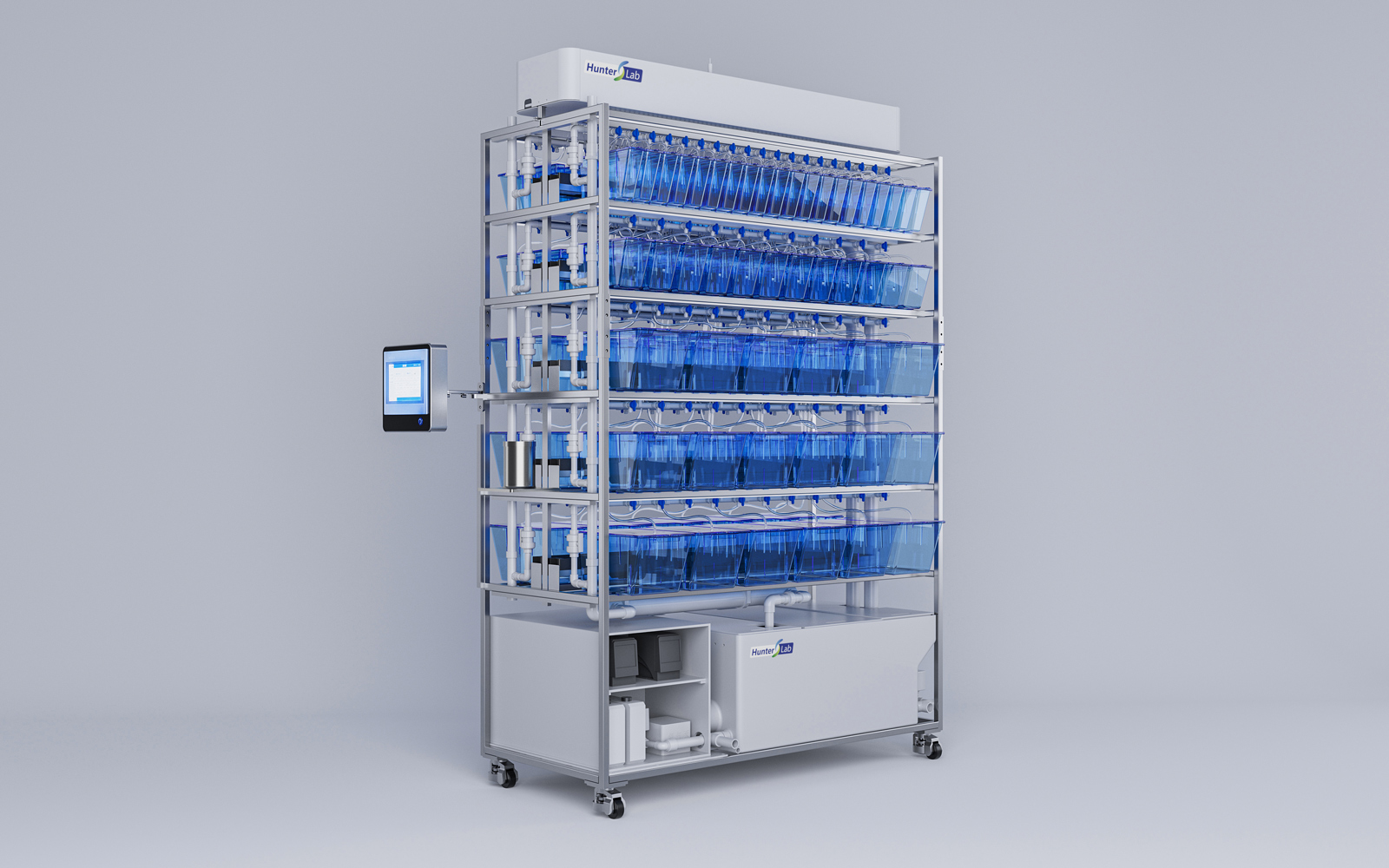
Zebrafish Housing Unit for Laboratory Research: Modular rack design with independent water controls per unit, integrated filtration, and flexible tank compatibility. Supports optional environmental monitoring for multi-tank colony management in shared-use research settings.
-
Automatic Feeding System: Scheduled automated feeding with ≥0.1 g/dose precision and capacity supporting up to 112 tanks. Reduces manual labor and feeding variability—particularly valuable in large-colony maintenance and compliance-driven aquaculture workflows where feeding records contribute to study documentation.
-
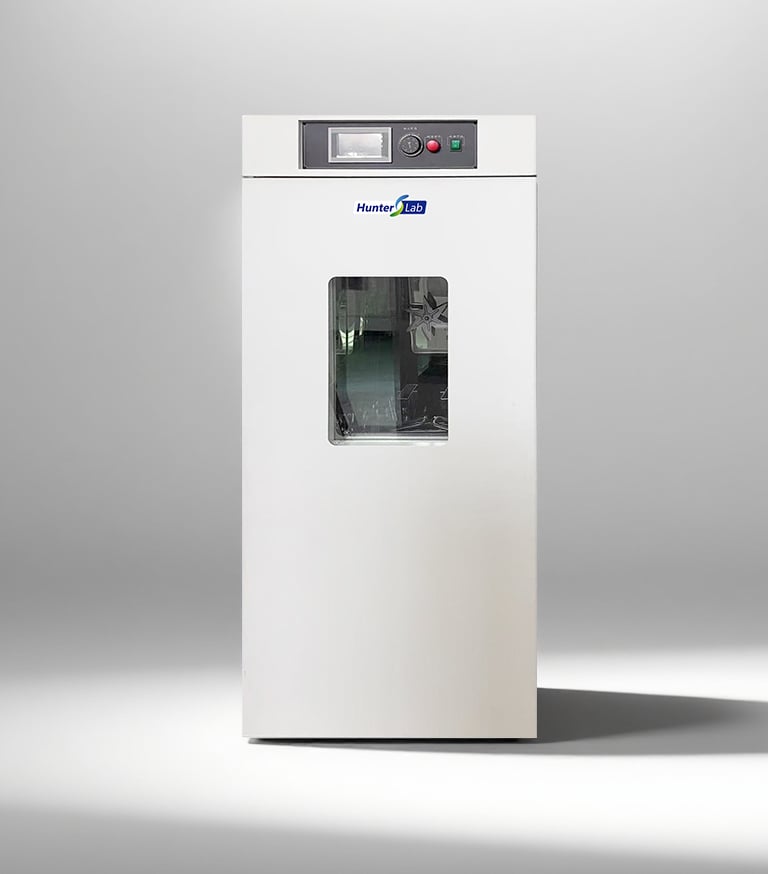
Zebrafish Incubator: Controlled incubator with ±0.3°C temperature stability and programmable photoperiod cycles. Designed for embryo hatching, controlled breeding, and developmental research workflows where timing precision affects experimental reproducibility.
-
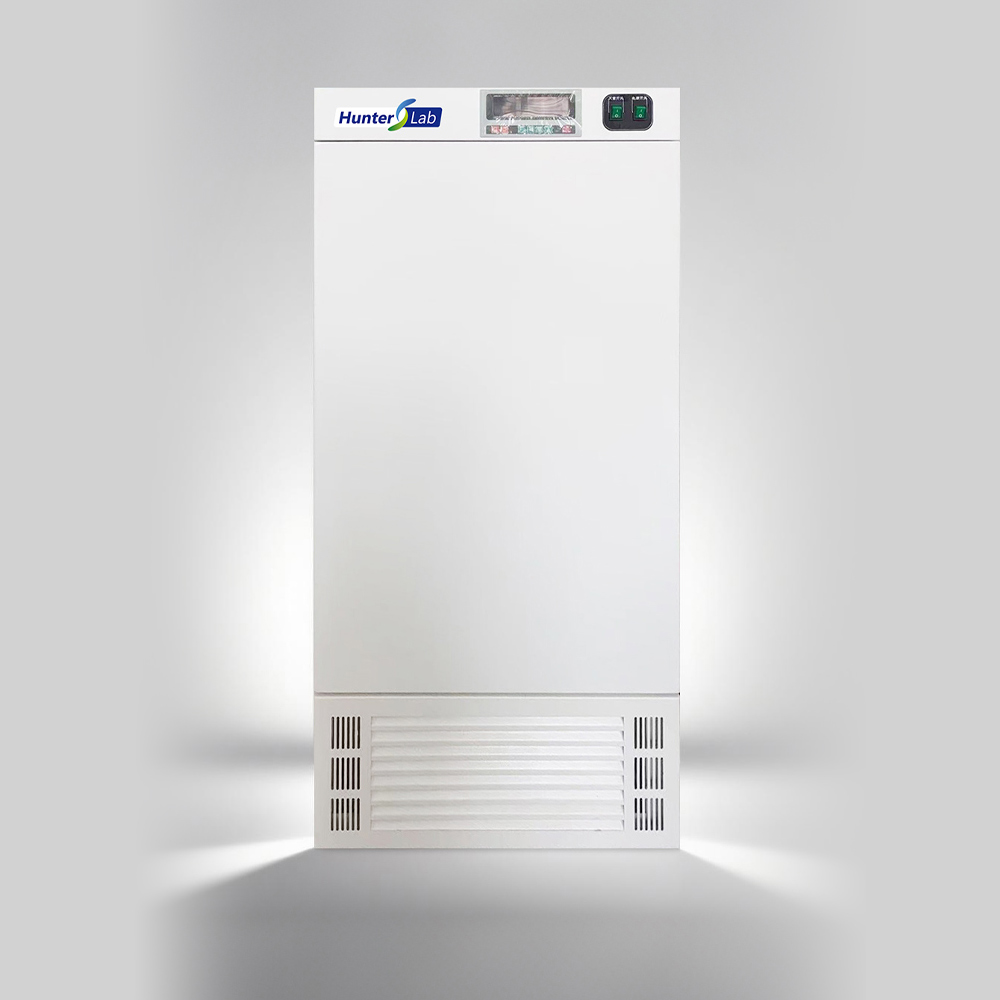
Ozone Sterilization Cabinet: Cabinet-based ozone circulation unit with hot-air drying, PLC touchscreen control, and stainless-steel chamber construction. Addresses decontamination requirements for zebrafish housing system equipment and handling tools as part of facility biosecurity workflows.
-
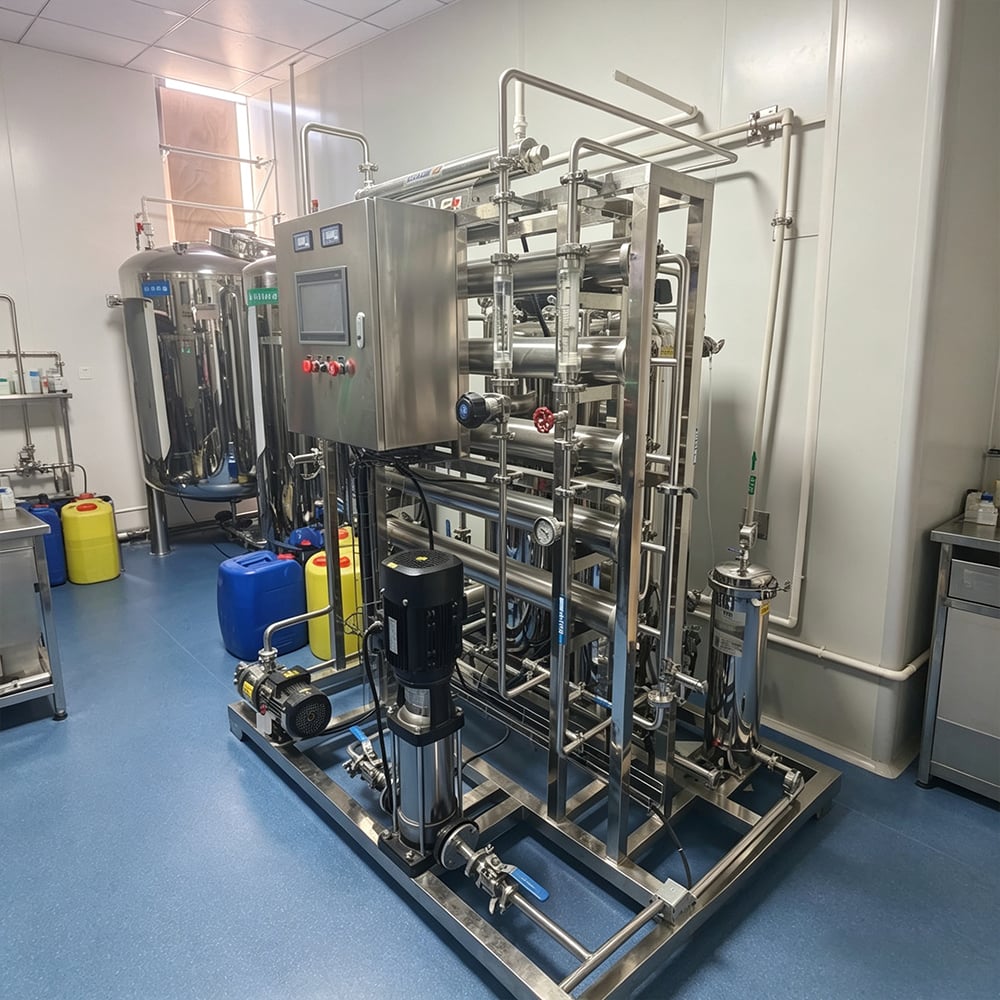
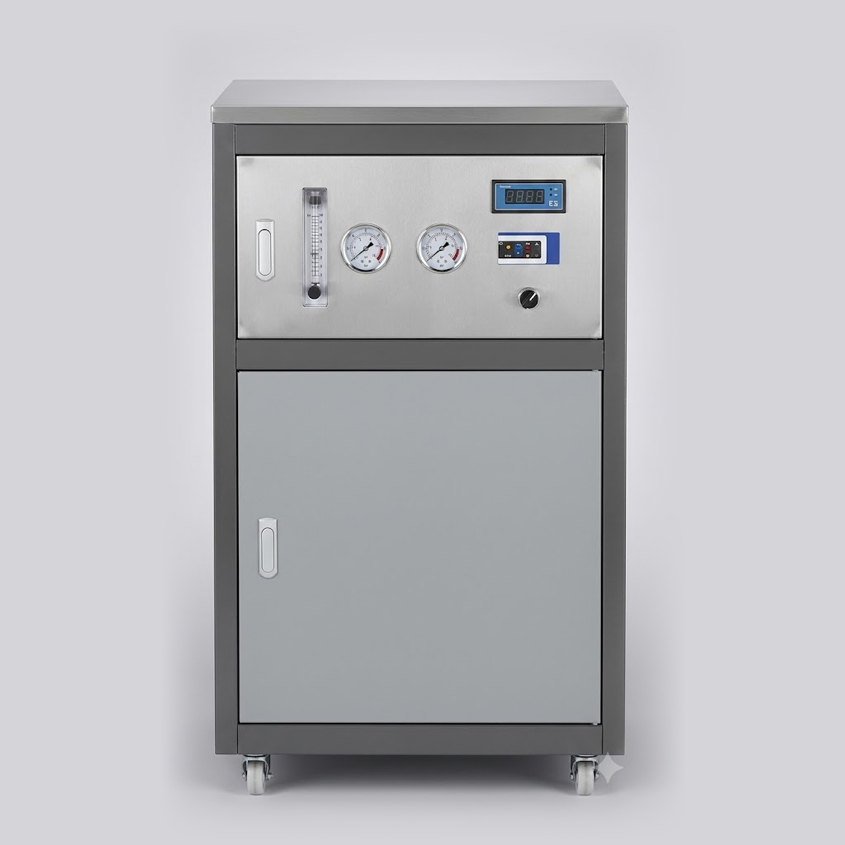
Pure Water Unit: Multi-stage water treatment combining pretreatment, reverse osmosis (RO), UV sterilization, and storage options. Provides consistent source water quality for zebrafish housing system facility preparation—a variable that is frequently underestimated in long-term colony stability planning.
-
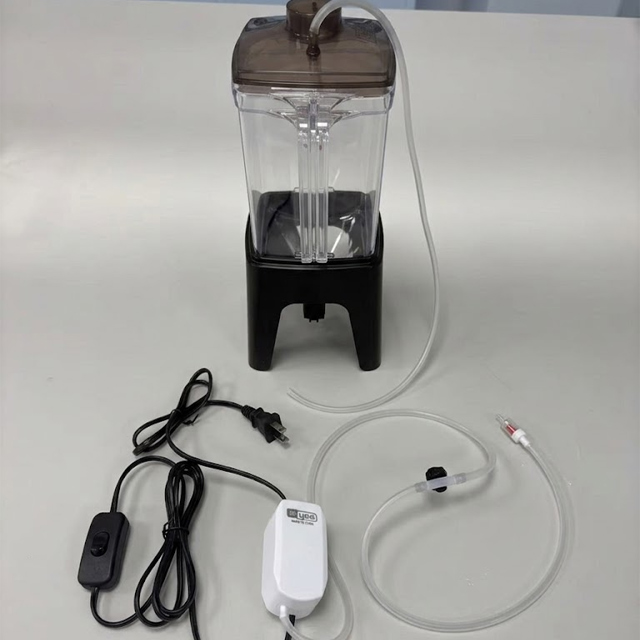
Artemia Incubator: Conical aerated hatching system with 2–20 L capacity options for freshly hatched brine shrimp (Artemia) nauplii production. Supports live-feed preparation as a complementary zebrafish housing system component in larval nutrition programs.
Common Applications
A zebrafish housing system supports a broad range of research and screening workflows across academic and applied laboratory settings:
-
Genetics and developmental biology: Colony maintenance under standardized temperature and photoperiod conditions supports reproducible developmental staging and breeding programs in university and institute research groups.
-
Pharmaceutical and cosmetics safety screening: Facilities running zebrafish behavior test assays and compound safety studies benefit from a zebrafish housing system that maintains consistent water parameters across multi-week exposure protocols. A zebrafish behavior test workflow depends on stable environmental conditions to distinguish treatment effects from housing-induced variability. For buyers in regulated industries—pharmaceutical R&D, cosmetics safety testing, environmental toxicology—relevant compliance standards exist governing environmental conditions and data documentation; readers should verify the applicable standards for their jurisdiction and product category.
-
Toxicology and environmental research: Neurobiology and developmental toxicology programs rely on stable zebrafish housing system infrastructure to prevent environmental confounds, particularly in long-running studies where baseline parameter drift would otherwise introduce experimental noise.
-
Large-scale colony management: Multi-operator core facilities and institutional research programs managing 50 or more tanks benefit from automated feeding and centralized water quality control within a unified zebrafish housing system to reduce labor costs and maintain systematic records.
-
Live-feed production: Facilities maintaining larval zebrafish nutrition programs that include live Artemia nauplii require dedicated hatching infrastructure as part of the complete zebrafish housing system.
How to Choose the Right Zebrafish Housing System Configuration
The right zebrafish housing system configuration depends on facility scale, regulatory environment, and experimental priorities. The following criteria help narrow the decision:
Facility scale and tank count: A modular zebrafish housing system with independent water controls is a practical fit for smaller research groups managing 10–30 tanks. Facilities running more than 50 tanks, or operating continuous compound screens, usually benefit from full RAS integration to centralize water treatment and reduce per-tank maintenance burden. Most facilities at that scale also find that an automated feeding system reduces labor enough to justify the addition—though actual payback depends on staffing hours and colony size.
Regulatory and compliance requirements: Facilities operating under GLP or ISO 14644 cleanroom requirements should consider the RAS as the zebrafish housing system anchor, given its automated parameter logging and closed-loop control architecture. Ozone sterilization and UV treatment components also contribute to the biosecurity documentation chain that compliance audits typically require.
Source water quality and stability: Seasonal variation in municipal water supply can shift conductivity by amounts small enough to miss in routine checks but large enough to alter experimental baselines over months—a recognized challenge in zebrafish cardiovascular and behavioral research. A pure water unit with RO and UV stages provides the most controllable source water baseline for any zebrafish housing system. For facilities with specific monitoring requirements beyond standard package configurations, a zebrafish water quality monitor custom design approach may be relevant to discuss with the supplier prior to purchase.
Breeding and developmental research requirements: Labs running embryo-to-adult developmental studies or controlled breeding programs should evaluate the zebrafish incubator separately from the primary zebrafish housing system rack selection. The ±0.3°C stability and programmable photoperiod capability are important where developmental timing must be tightly controlled.
Live-feed strategy: If your larval feeding protocol includes Artemia nauplii, match the Artemia incubator capacity (2–20 L options) to your batch size and feeding frequency. Facilities that transition from dry feed to live feed for specific developmental stages benefit most from dedicated hatching infrastructure integrated into the zebrafish housing system workflow.
If your priority is data reproducibility across a zebrafish behavior test workflow or long-term compound study, the most important factors to evaluate first are water quality consistency and feeding precision—both addressed by specific components of this zebrafish housing system category. If your priority is compliance documentation, the RAS with automated parameter logging is the logical starting point.
Why Zebrafish Housing System Infrastructure Matters for Research Outcomes
Zebrafish assay results—whether cardiovascular, behavioral, or developmental—are sensitive to environmental conditions including water temperature, light/dark cycle, dissolved oxygen, and handling stress. These conditions require careful standardization across any functional zebrafish housing system to achieve reproducible data across sessions and operators. Protocol and instrument choices matter, but the housing environment is often the less-examined variable in reproducibility problems. In our experience, most facility-level inconsistencies that initially appear to be instrument-related trace back, after systematic review, to zebrafish housing system environment variability rather than equipment malfunction.
For international buyers in Asia, Europe, and North America, the procurement process for a laboratory zebrafish housing system should also account for export compliance, delivery lead times, and post-installation support logistics. Hunter Lab operates as an Asian-based company with established experience managing international orders and export documentation for customers across these regions—reducing a common friction point for overseas institutional buyers evaluating suppliers whose export logistics capability is unclear prior to purchase.
Zebrafish research in Asia—particularly in China, Japan, South Korea, and Singapore—has grown substantially over the past decade, with government-funded facility expansion driving large-scale zebrafish housing system infrastructure purchases. This regional growth means that institutions now have more options for regional support and shorter supply chain lead times than in earlier years, which is a factor worth weighing alongside equipment specification comparisons when building or upgrading a zebrafish facility.
For academic institutions and pharmaceutical or health sciences companies building new zebrafish facilities or expanding existing capacity, the key consideration is usually not any single piece of equipment but how the components integrate into a complete, maintainable zebrafish housing system. This category covers the full infrastructure stack—from source water preparation through colony housing, automated feeding, sterilization, and incubation—giving procurement teams a single reference point for evaluating complete zebrafish housing system configurations against their research program requirements.

 EN