 EN
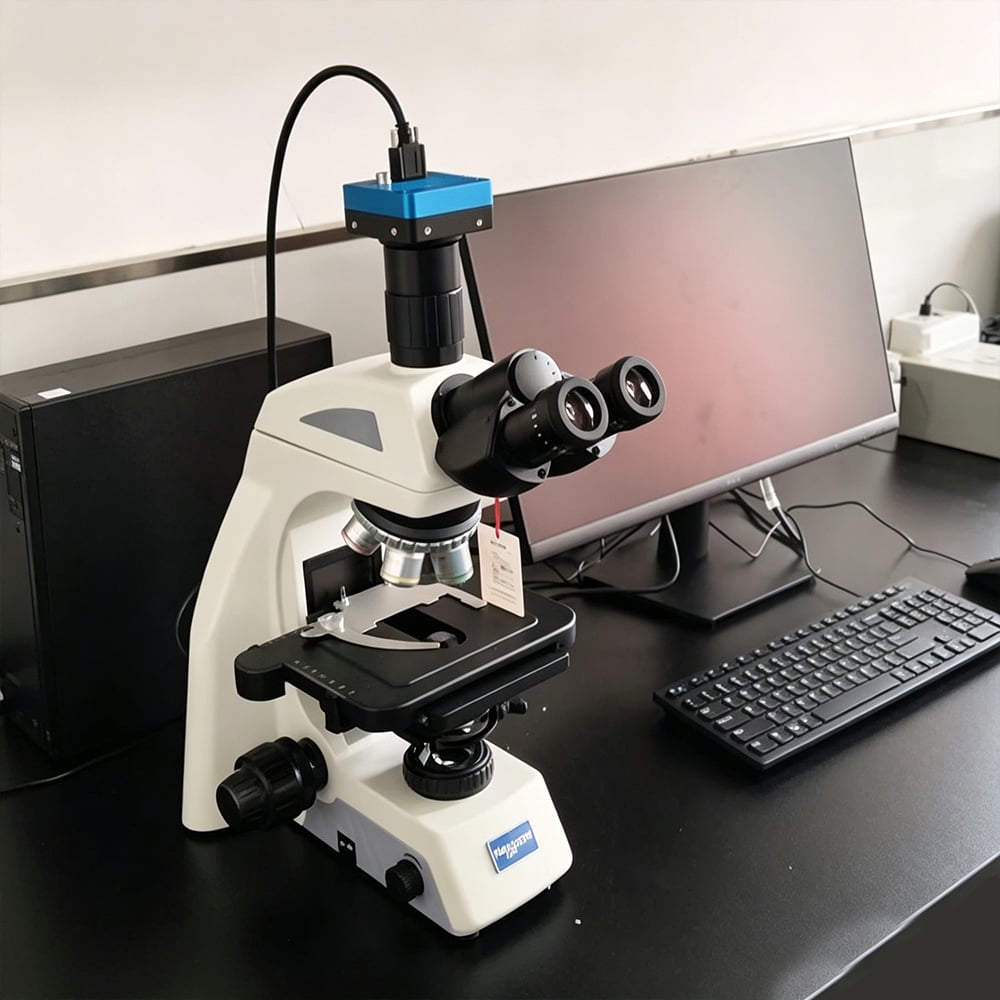
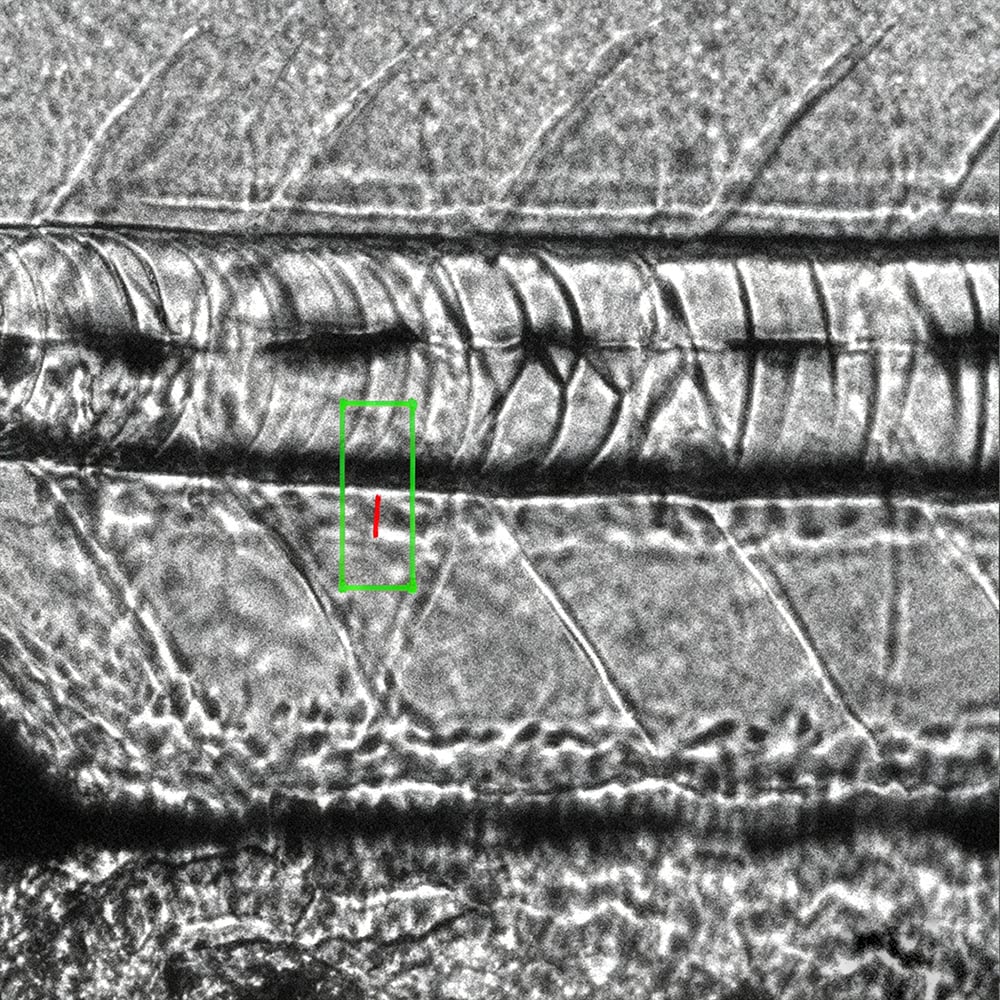
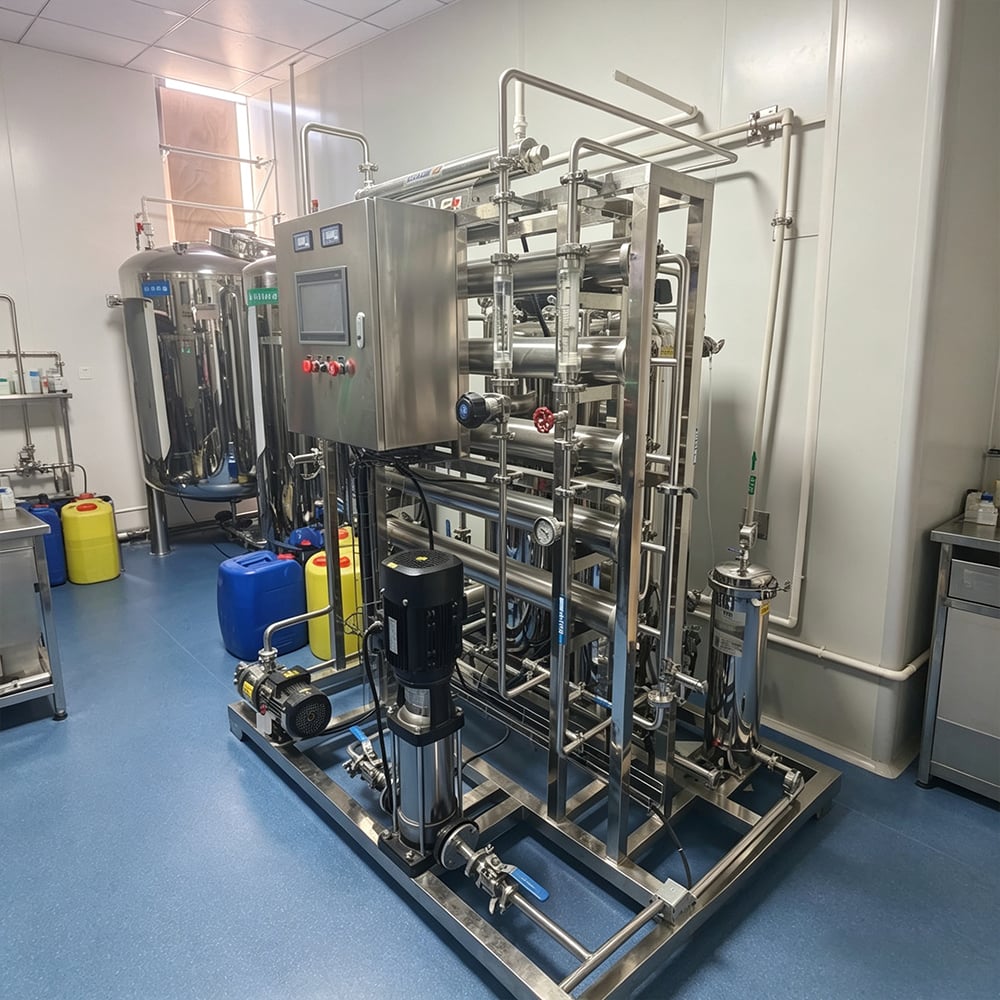
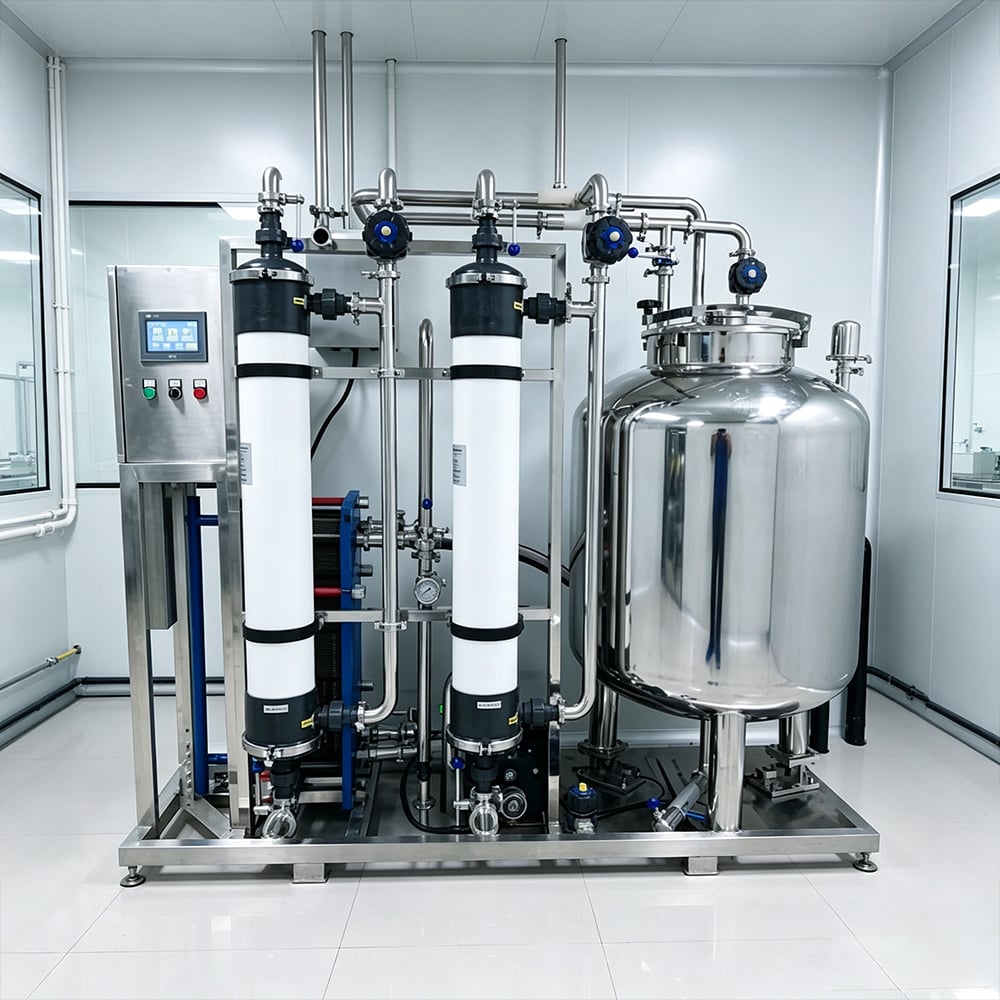
Laboratory Layout & Design
Seamlessly integrating water circulation and temperature control systems to deliver scientific, compliant, and high-efficiency customized space designs.

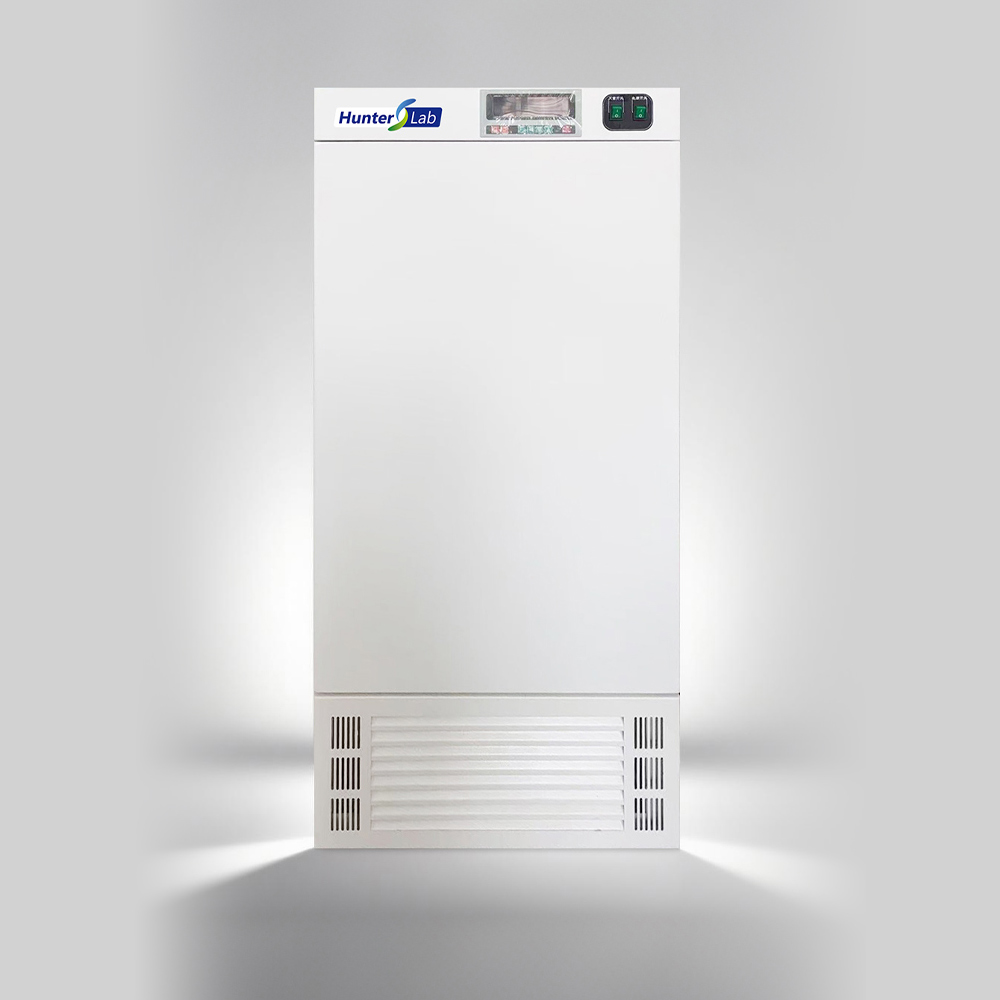
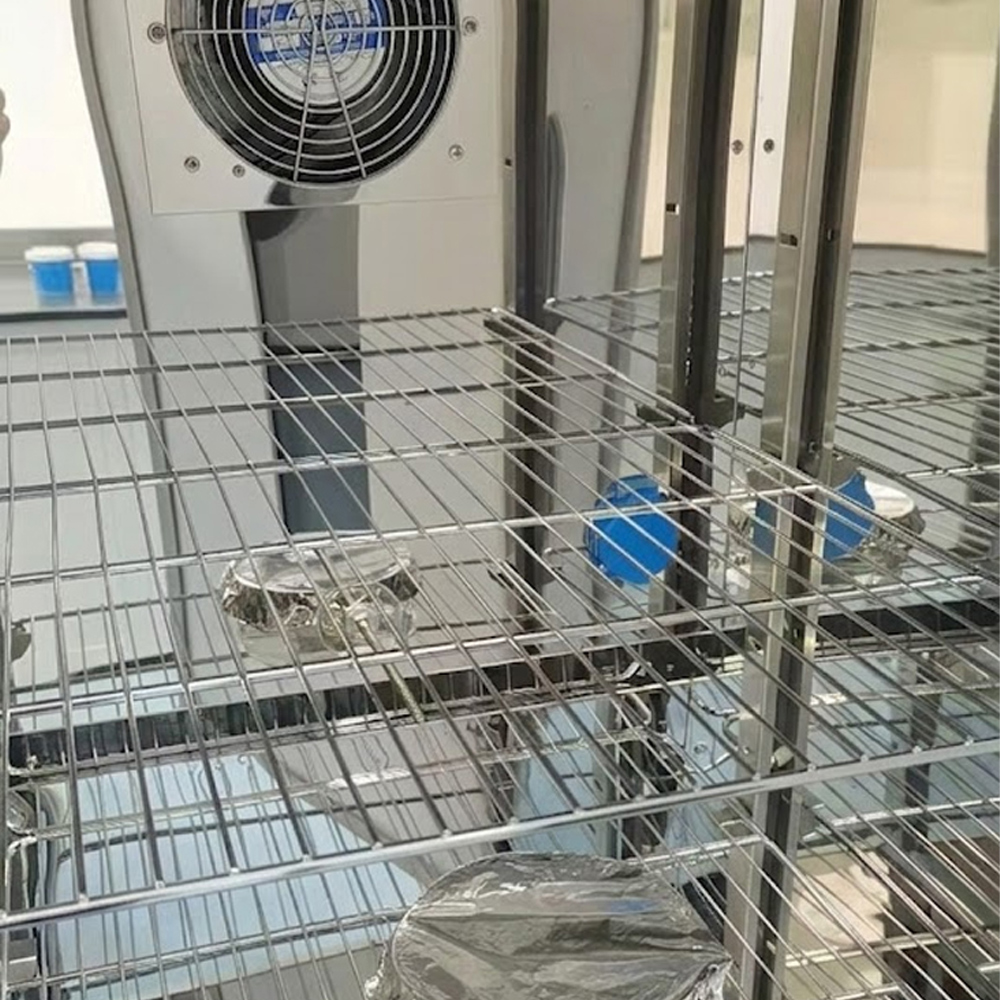
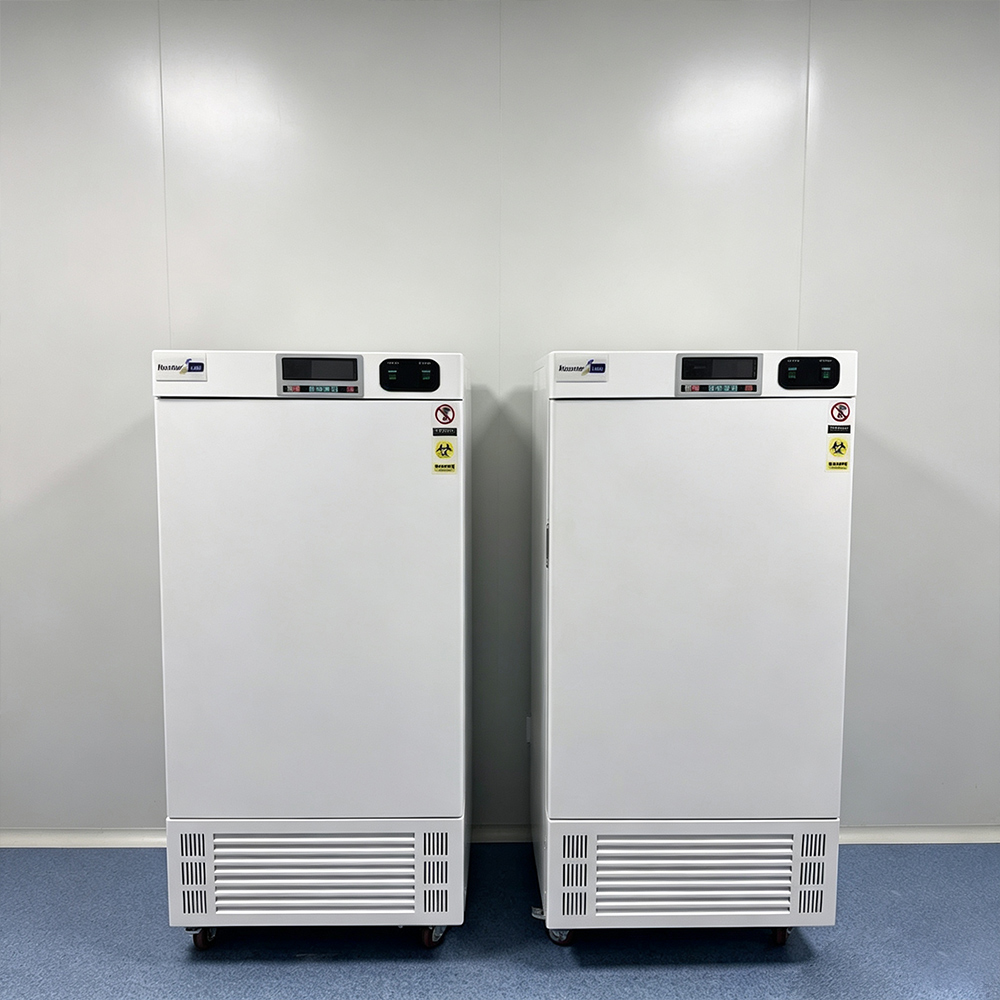
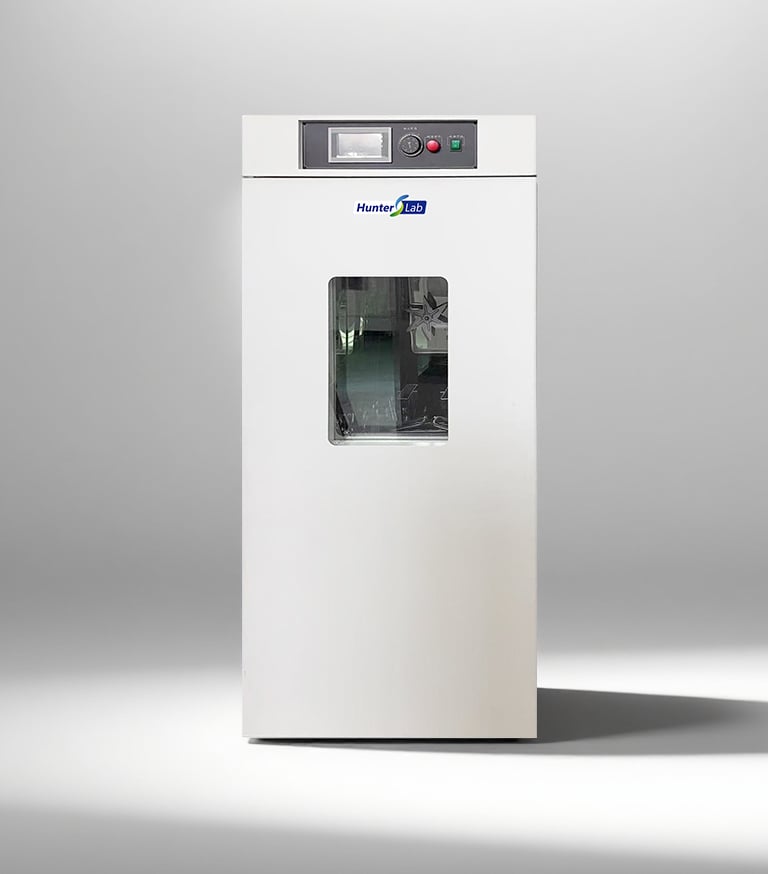
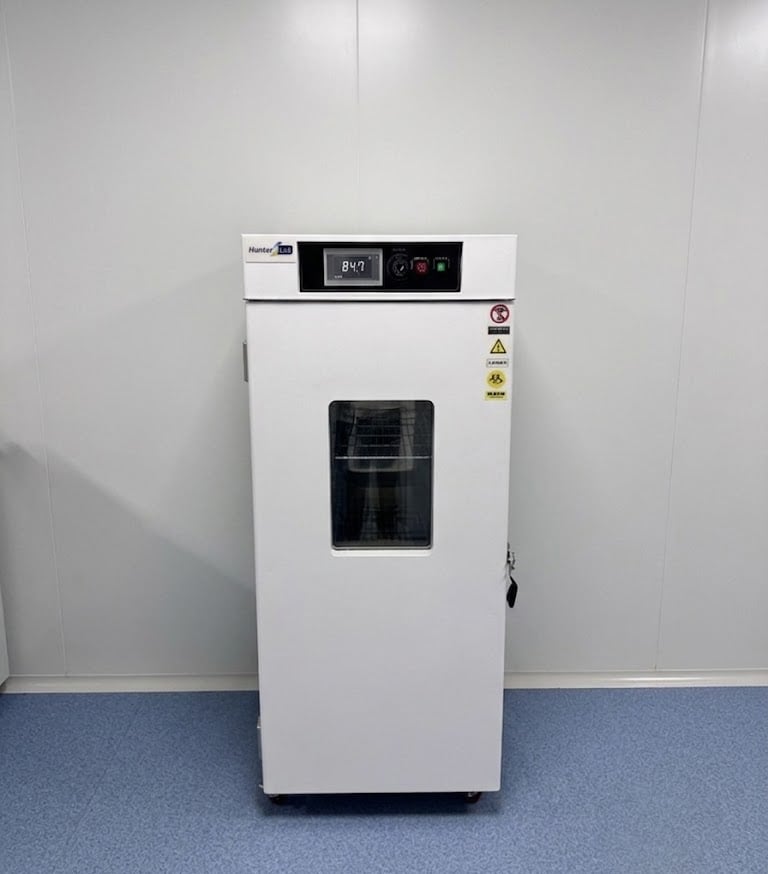
The Hunter OLab Zebrafish Incubator is a dedicated laboratory unit engineered for embryo hatching, breeding, and developmental research. It features a 5°C to 60°C temperature range with ±0.3°C to 0.5°C stability, microcomputer closed-loop control, and active refrigeration. Programmable photoperiods (0–99 cycles via fluorescent lighting) and an integrated UV germicidal lamp support automated, clean workflows. Built with a mirror-finish stainless-steel interior, adjustable wire grid shelves, and an observation window, it delivers high experimental reproducibility and strong lab automation ROI for academic, pharmaceutical, and biotechnology research facilities.
Any meaningful zebrafish incubator comparison starts with the question: which specifications actually drive reliable research outcomes in your laboratory? The answer depends on your breeding workflow, regulatory context, and long-term zebrafish breeding ROI expectations—not on which unit lists the highest number of features. This guide presents a structured decision framework for laboratory managers, procurement teams, and pharmaceutical research staff evaluating zebrafish incubation equipment.
The Zebrafish Incubator from Hunter OLab is a dedicated laboratory incubator engineered for zebrafish embryo hatching, breeding, embryonic development incubation, and related research workflows. It combines temperature control, programmable photoperiod management, closed-loop airflow, and an observation window in a single chamber—an appropriate starting point for zebrafish incubator comparison across university, pharmaceutical, and biotechnology laboratory contexts.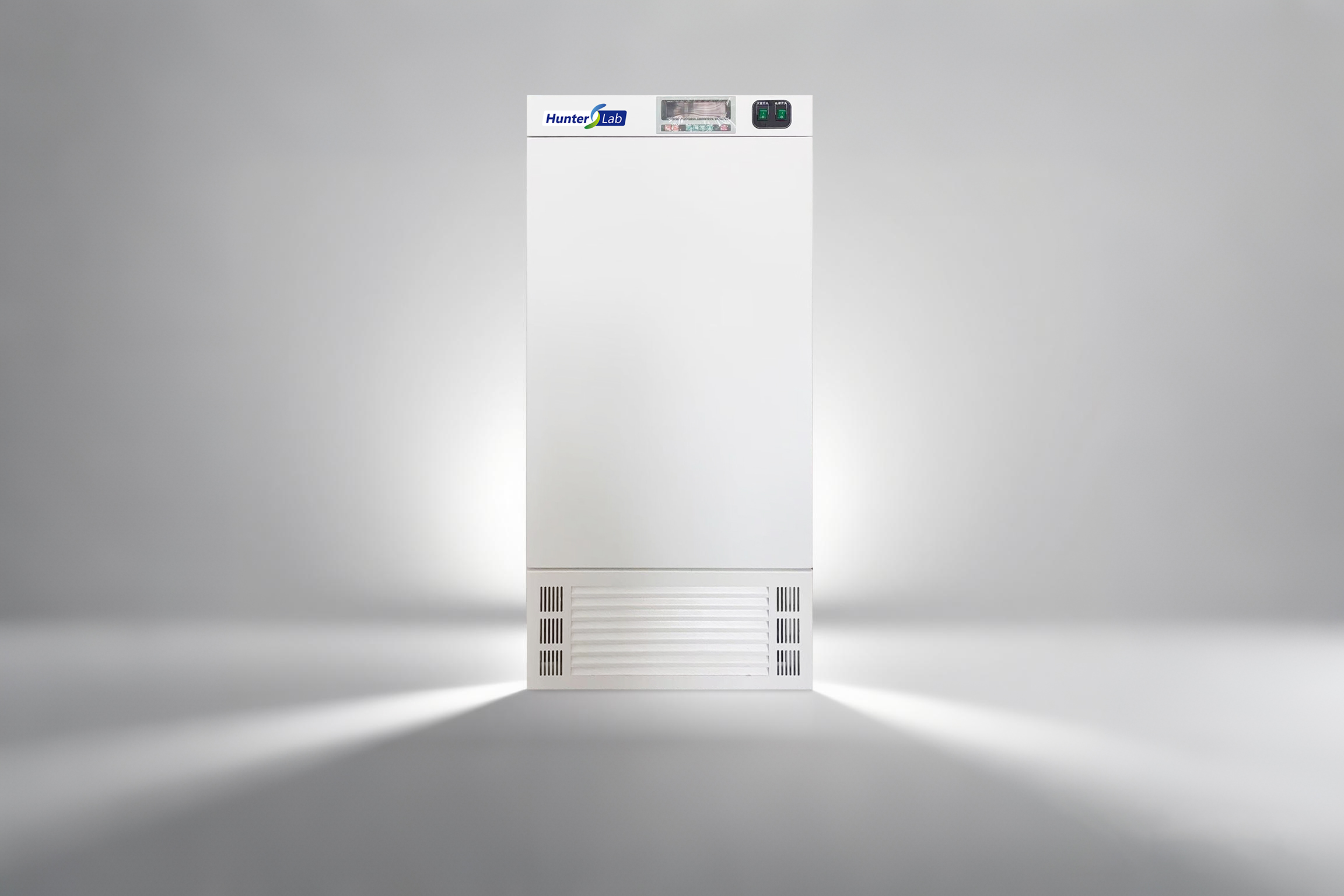
Temperature stability is the most critical parameter in zebrafish embryonic development incubation. The Zebrafish Incubator specifies a range of 5°C to 60°C with a display resolution of 0.1°C and stability within ±0.3°C to 0.5°C under specified conditions. A closed-loop microcomputer controller adjusts heating or cooling based on continuous sensor feedback. Actual performance depends on setpoint selection, chamber loading, and ambient laboratory conditions—if your lab environment fluctuates significantly, confirm these factors before finalizing any zebrafish incubator comparison evaluation.
The heating and refrigeration system combines a compressor, heating elements, evaporator, and condenser, enabling operation across the full 5°C to 60°C range. For breeding programs that require setpoints close to room temperature or cold-chamber conditions, the refrigeration component is essential and should be a specific verification point during zebrafish incubator comparison evaluations—not all units on the market include active cooling.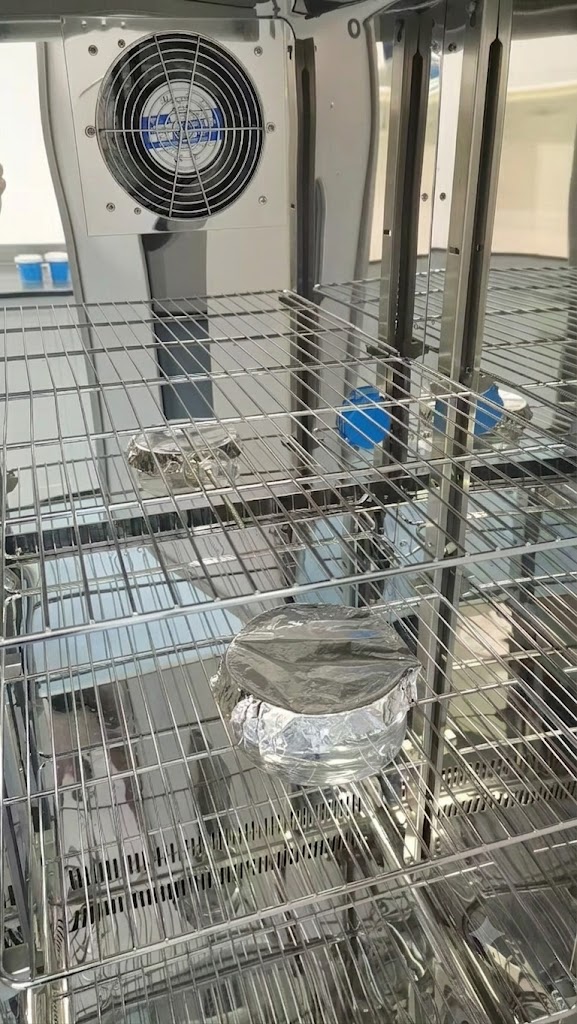
Consistent light cycle management directly supports zebrafish breeding ROI by reducing variability in spawning outcomes and developmental timing. The Zebrafish Incubator uses fluorescent lamps and a digital time relay with 0–99 selectable cycles and a timer range of 0–9999 minutes. Research teams can program photoperiod schedules that match their husbandry protocols, eliminating manual timing and reducing technician intervention across multi-week breeding programs.
Over a typical grant cycle, reducing manual photoperiod adjustments lowers the hidden labor cost that rarely appears in equipment quotes but can compound significantly when calculated per experiment. If throughput is the binding constraint for your zebrafish program, automated photoperiod control addresses a recurring scheduling bottleneck by removing the dependency on manual light-switching routines.
For pharmaceutical research supplier relationships or GLP-adjacent screening programs, equipment selection must account for quality documentation requirements. When evaluating ISO 13485 lab equipment, the ability to support installation qualification (IQ/OQ) documentation is a common procurement criterion. Buyers should verify the applicable standard for their jurisdiction rather than assuming universal applicability. Hunter OLab supports pharmaceutical customers with commercially documented instruments and export documentation for customers in Asia, Europe, and North America.
The Zebrafish Incubator interior is lined with mirror-finish stainless steel (rounded corners) to support routine cleaning and reduce residue accumulation. The exterior uses cold-rolled steel with a powder-coated finish. Two adjustable wire grid shelves are standard; heights can be repositioned to accommodate different vessel sizes and rack formats. When comparing laboratory incubators for zebrafish breeding programs, shelf flexibility and cleanability are often more relevant to daily usability than maximum interior volume.
When we originally compared laboratory incubators for a zebrafish breeding program, we over-weighted maximum internal capacity and under-weighted chamber cleanability and shelf adjustment flexibility. In hindsight, the ability to quickly reconfigure shelves and clean between experiments was a better predictor of long-term daily usability than raw interior volume.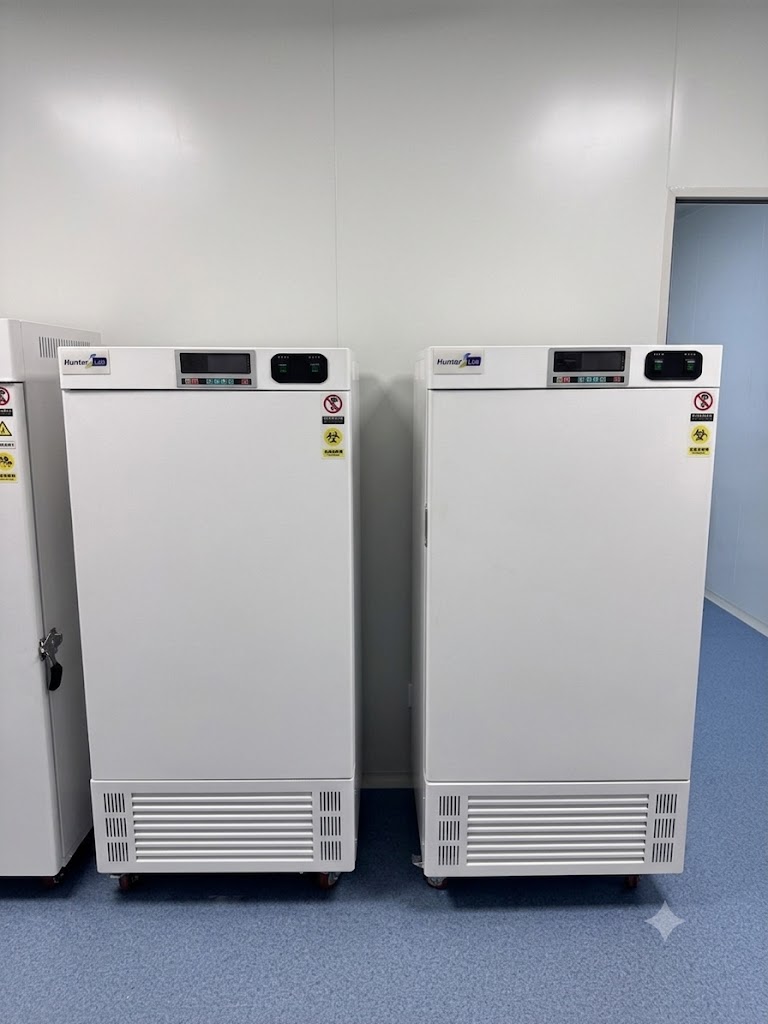
An axial-flow fan, air deflector baffles, ducts, and diffusers distribute conditioned air from the chamber top through the workspace, returning via a bottom intake. This recirculating path helps maintain consistent environmental conditions across the loaded chamber. In any zebrafish incubator comparison, airflow design should be evaluated alongside temperature stability—an accurate setpoint sensor is not useful if conditions are uneven across the working area.
| Parameter | Specification |
|---|---|
| Product Type | Zebrafish incubator |
| Primary Applications | Zebrafish breeding, embryo hatching, embryonic development incubation, toxicological research |
| Temperature Range | 5°C to 60°C |
| Temperature Display Resolution | 0.1°C |
| Temperature Stability (Specified) | Within ±0.3°C to 0.5°C |
| Timer Range | 0–9999 minutes |
| Photoperiod Cycles | 0–99 selectable cycles |
| Standard Shelves | 2 adjustable wire grid shelves |
| Interior Material | Mirror-finish stainless steel, rounded corners |
| Exterior Material | Cold-rolled steel, powder-coated finish |
| Airflow System | Axial-flow fan, baffles, ducts, diffusers; top delivery, bottom return |
| Lighting | Fluorescent lamps with digital time relay |
| UV Germicidal Lamp | Integrated; for chamber treatment pre/post experiment |
| Observation Window | Clear door panel; sample inspection without opening chamber |
| Minimum Order Quantity | 1 unit |
Discuss your zebrafish incubator comparison requirements with our team. Share your intended breeding workflow, temperature range, photoperiod schedule, vessel formats, and laboratory power supply details. For pharmaceutical research supplier or ISO 13485 lab equipment contexts, indicate your documentation requirements so we can confirm the appropriate qualification support scope and provide an accurate quotation.
The Hunter OLab Zebrafish Incubator is a dedicated laboratory unit engineered for embryo hatching, breeding, and developmental research. It features a 5°C to 60°C temperature range with ±0.3°C to 0.5°C stability, microcomputer closed-loop control, and active refrigeration. Programmable photoperiods (0–99 cycles via fluorescent lighting) and an integrated UV germicidal lamp support automated, clean workflows. Built with a mirror-finish stainless-steel interior, adjustable wire grid shelves, and an observation window, it delivers high experimental reproducibility and strong lab automation ROI for academic, pharmaceutical, and biotechnology research facilities.
This is a title description that can briefly introduce the module.
We offer comprehensive, full-lifecycle services, including initial consultation, site planning, equipment selection, installation, hands-on training, application support, and long-term O&M.No matter your team's background, our standardized training and instant technical support guarantee equipment readiness and rapid onboarding. We handle the technicalities so you can focus on your core experiments.

Seamlessly integrating water circulation and temperature control systems to deliver scientific, compliant, and high-efficiency customized space designs.

Independent R&D and supply of over 10 categories of cutting-edge scientific instruments, spanning the three core pillars of zebrafish research: housing, manipulation, and analysis. Our portfolio includes digital smart housing systems, high-throughput 2D/3D behavioral analysis systems, panoramic in vivo imaging platforms, and forced swim systems. Powered by high-throughput, high-precision hardware and software, we comprehensively accelerate your scientific breakthroughs.

Our veteran engineering team handles standardized installation and hardware calibration on-site. We seamlessly connect your core digital networks—such as water recirculation, light control, and behavioral analysis—ensuring all experimental systems operate at peak performance from day one.

We provide a professional training system that encompasses standardized operations for smart scientific instruments and data analysis software, alongside scientific husbandry techniques for the entire zebrafish lifecycle, water quality environmental control, and daily maintenance protocols. This comprehensive curriculum empowers research teams to rapidly and independently conduct their experiments.
Dive into real-world laboratory use cases to explore how our zebrafish experimental equipment empowers life science research and industrial innovation, accelerating the translation and real-world impact of your scientific breakthroughs.

Empowering universities and research institutes to optimize biomedical research workflows. We provide high-precision, high-efficiency experimental hardware and digital workflow support for deep explorations in developmental biology, genetics, and disease modeling.
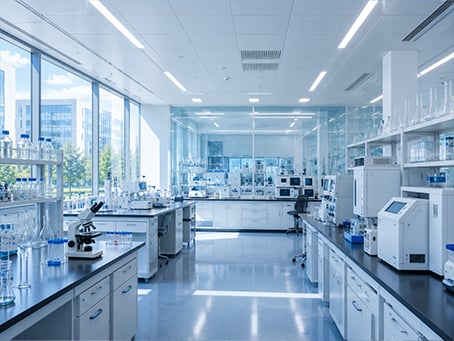
Leveraging high-throughput behavioral analysis and imaging systems, we provide pharmaceutical companies and research institutions with efficient, early-stage drug efficacy and safety assessments, significantly shortening R&D cycles and reducing drug discovery costs.
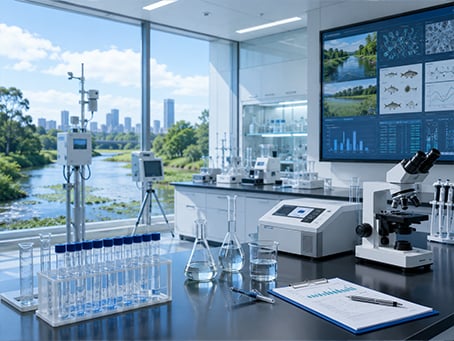
Widely applied in modern water quality monitoring, environmental toxicology assessments, as well as the safety and efficacy evaluation of food, cosmetics, and nutraceuticals, delivering smart digital testing solutions that comply with standardized protocols.
