 EN
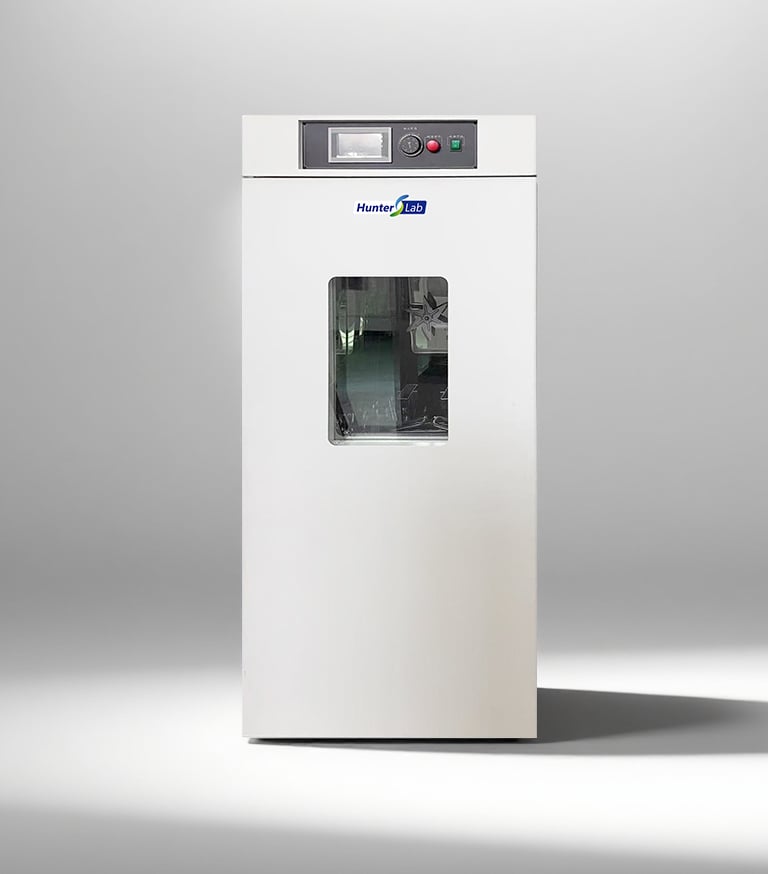
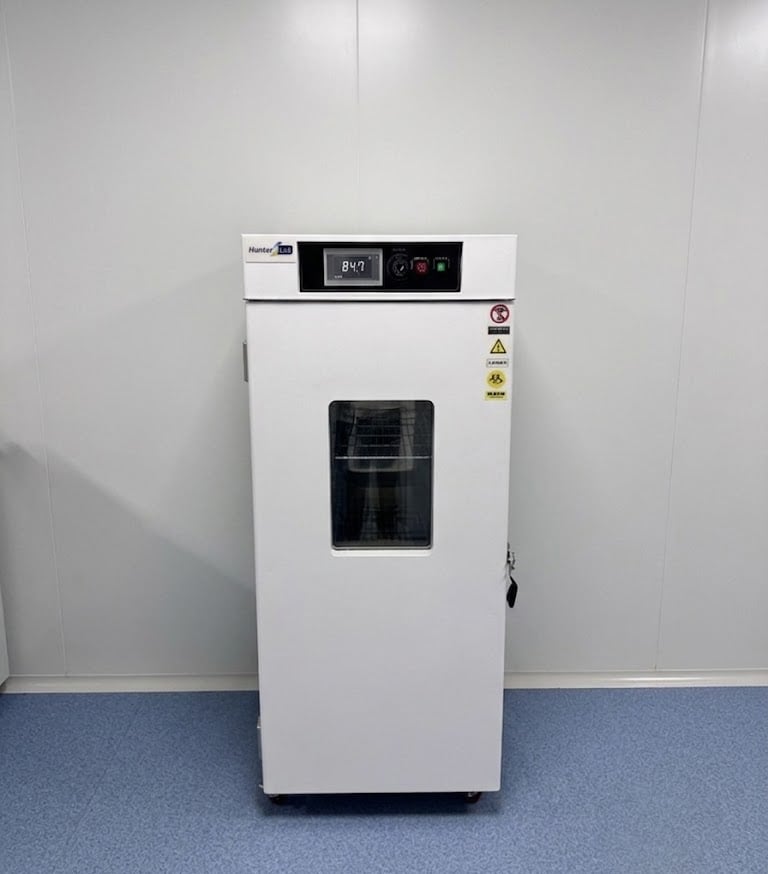
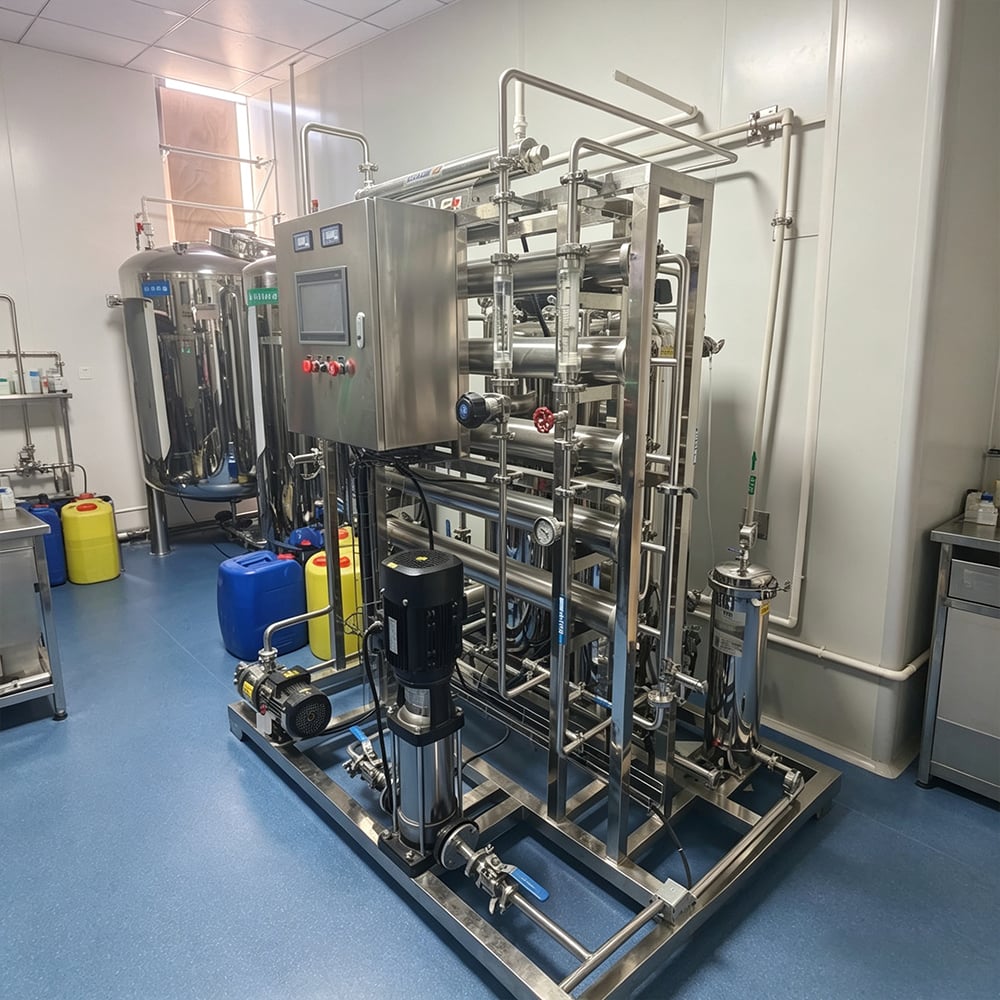
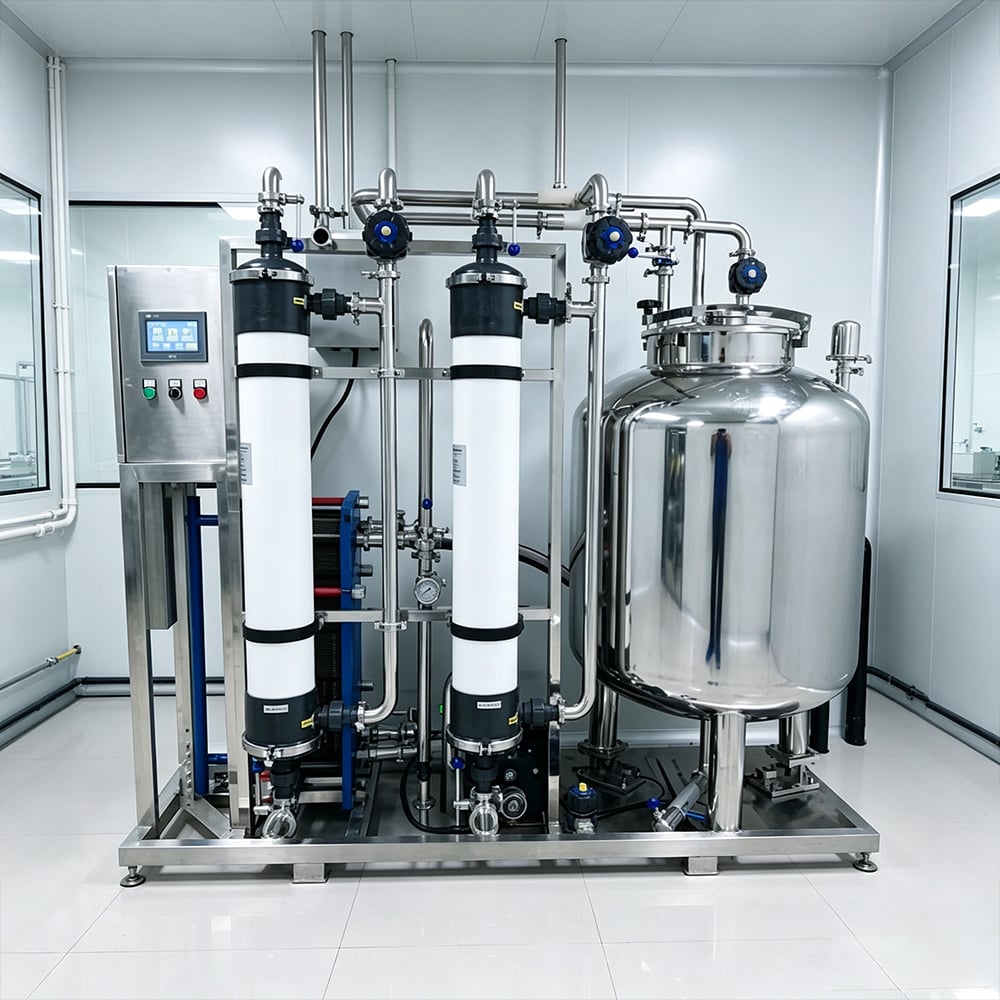
Laboratory Layout & Design
Seamlessly integrating water circulation and temperature control systems to deliver scientific, compliant, and high-efficiency customized space designs.

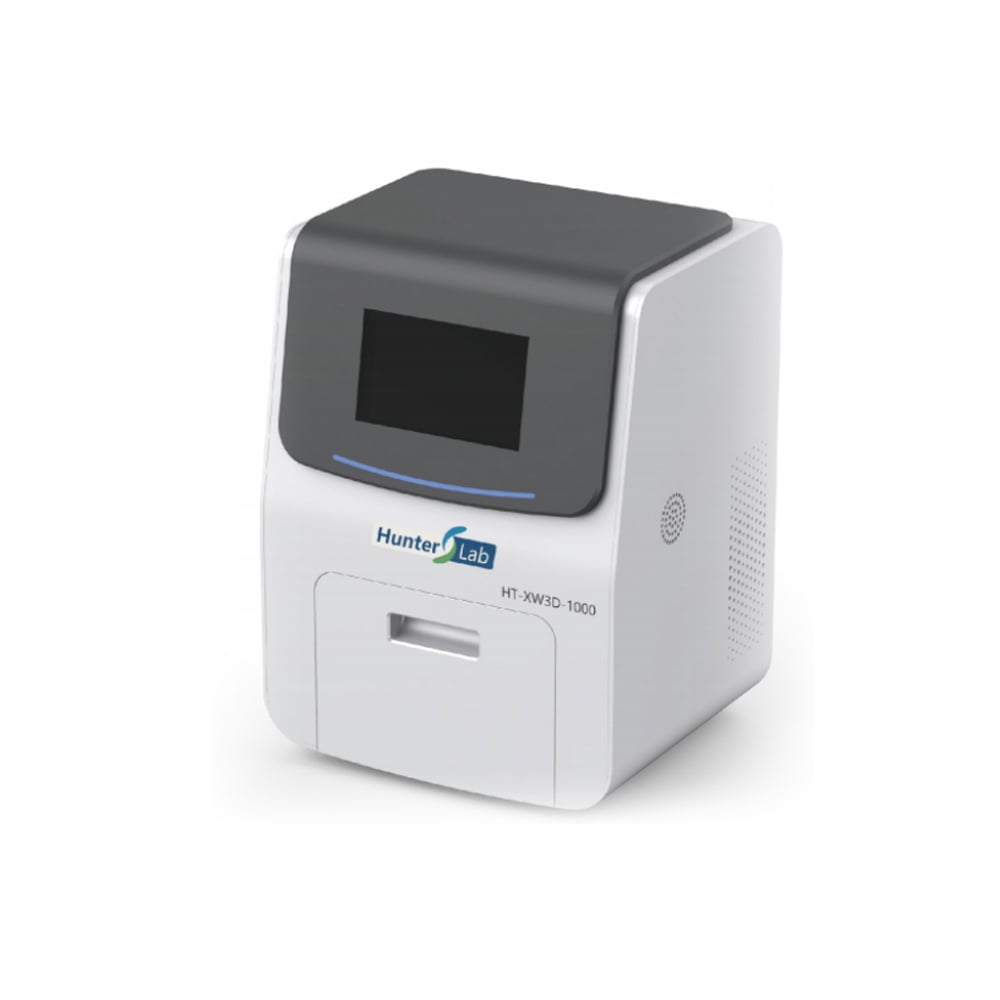
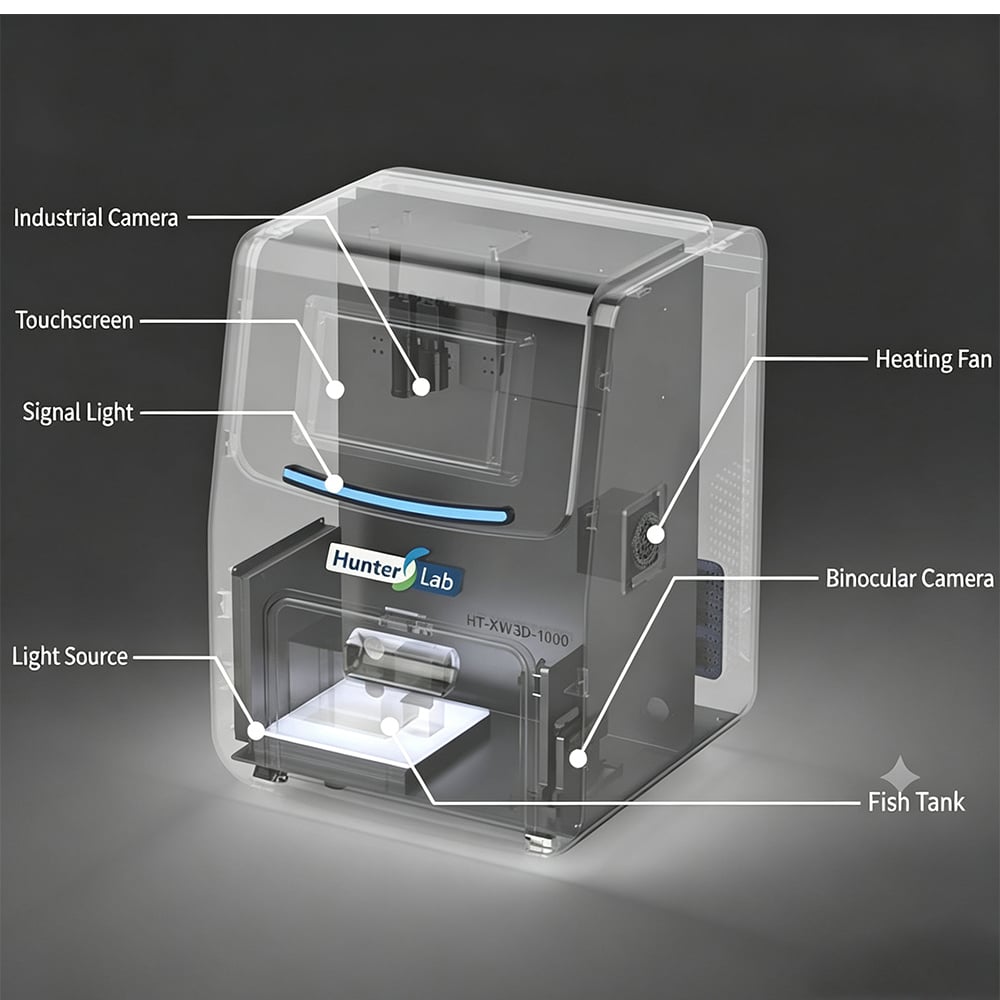
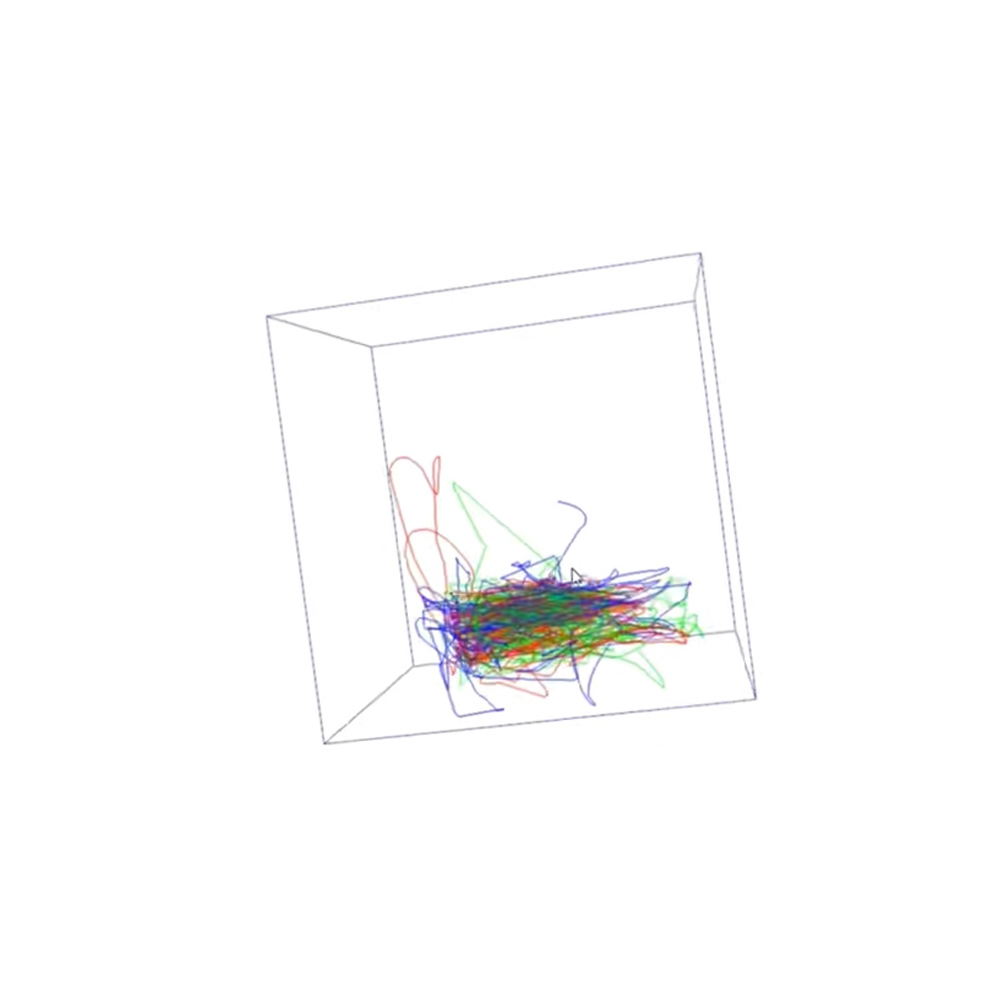
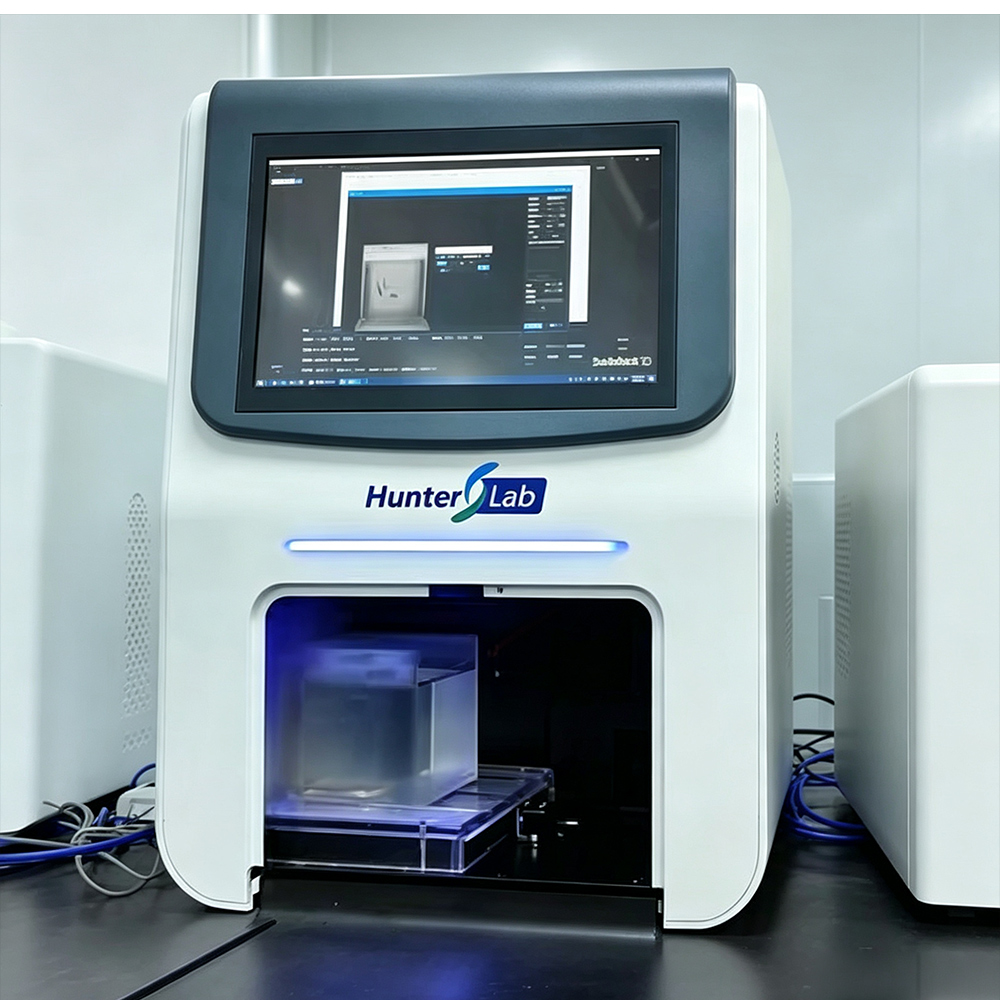
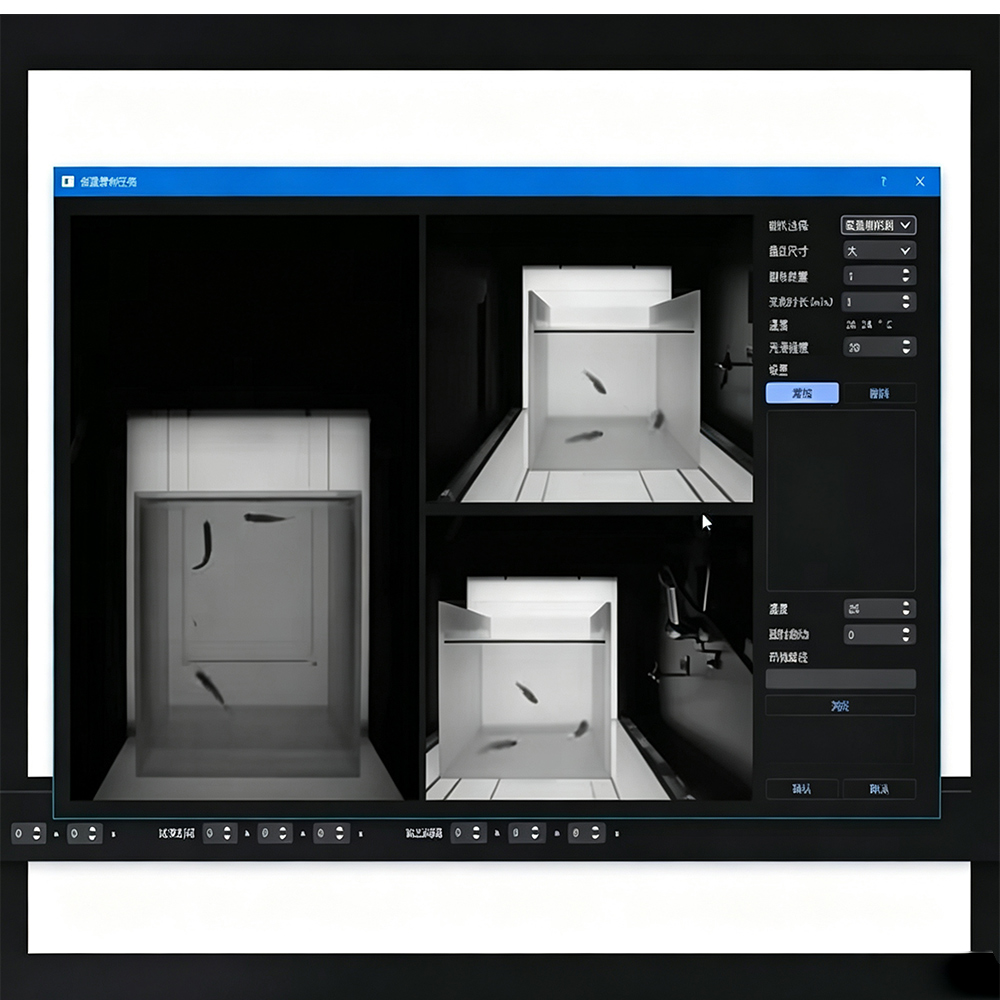
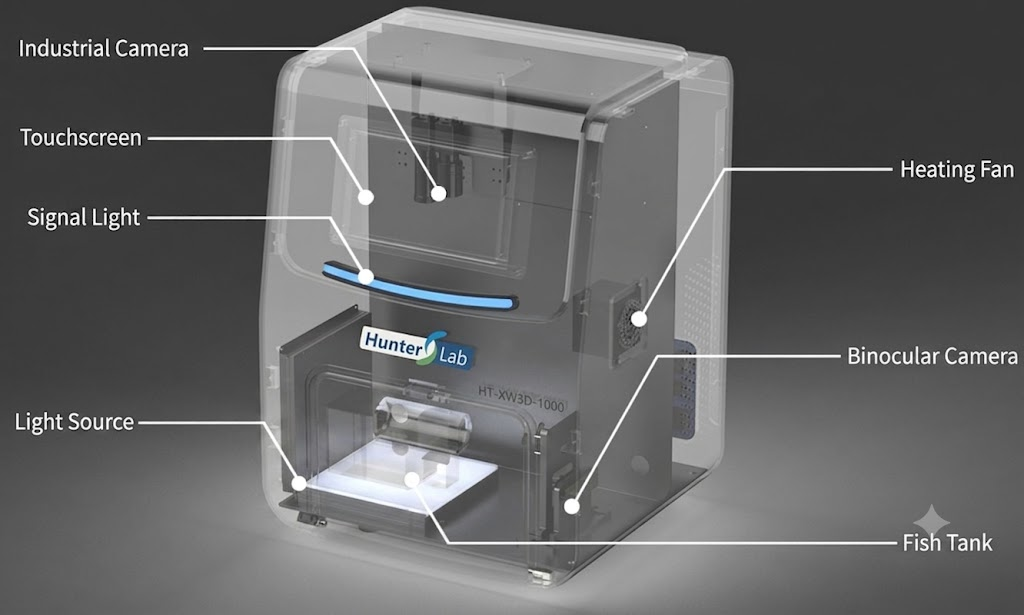
The Zebrafish 3D Behavioral Analysis System is an advanced research platform for tracking adult and larval zebrafish movement in X, Y, and Z coordinates. Combining a high-sensitivity dual-camera infrared and high-speed industrial optical setup with precise temperature-controlled cabinet design, it captures 3D trajectories, volumetric heatmaps, and comprehensive kinematic and social-interaction metrics. Featuring modular compatibility for mazes, light/dark boxes, and social chambers, along with video-event synchronized playback, the platform provides academic and pharmaceutical laboratories with a powerful, structured solution for neurobehavioral, toxicological, and screening-oriented studies.
The Zebrafish 3D Behavioral Analysis System (Hunter Lab HT-XW3D-1000) is a zebrafish 3D tracking system designed for adult and larval zebrafish studies requiring volumetric motion data. It records X, Y, and Z coordinates simultaneously, enabling trajectory reconstruction in a full three-dimensional space rather than a single plane. For labs where depth preference, vertical exploration, or volumetric social interaction are experimental variables, this neuroscience research equipment integrates live viewing, controlled illumination, video records, and analysis tools in one workflow. Video-event synchronized playback links recorded behavioral metrics to the original video timeline, so any output can be reviewed against what was directly observed during the session.
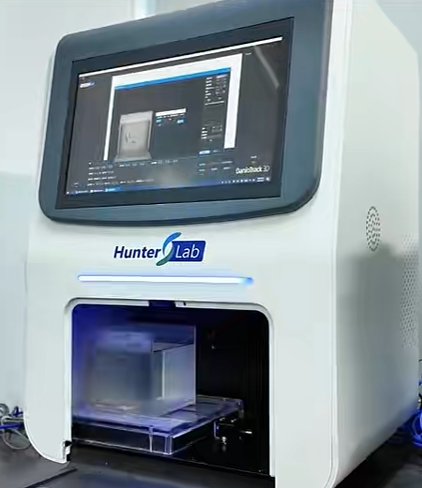
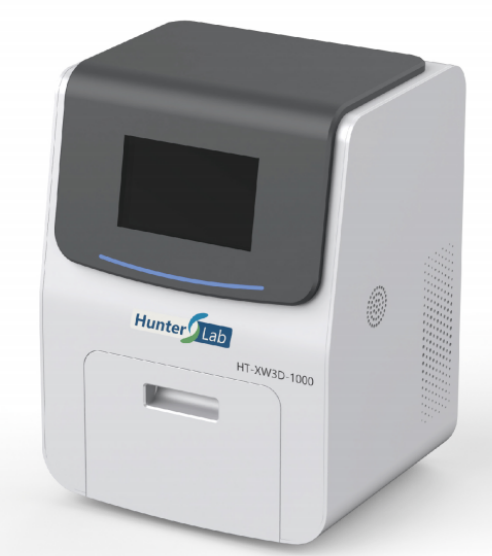
| Parameter | Available Information |
|---|---|
| Applicable subjects | Adult and larval zebrafish |
| Tracking dimensions | X, Y, Z coordinates in a 3D volume |
| Optical configuration | High-sensitivity dual-camera infrared vision module plus high-speed industrial camera |
| Lighting | 850 nm near-infrared and adjustable visible light sources; top and bottom lighting |
| Temperature-control accuracy | ≤1°C |
| Target-temperature timing | Within 10 minutes after startup |
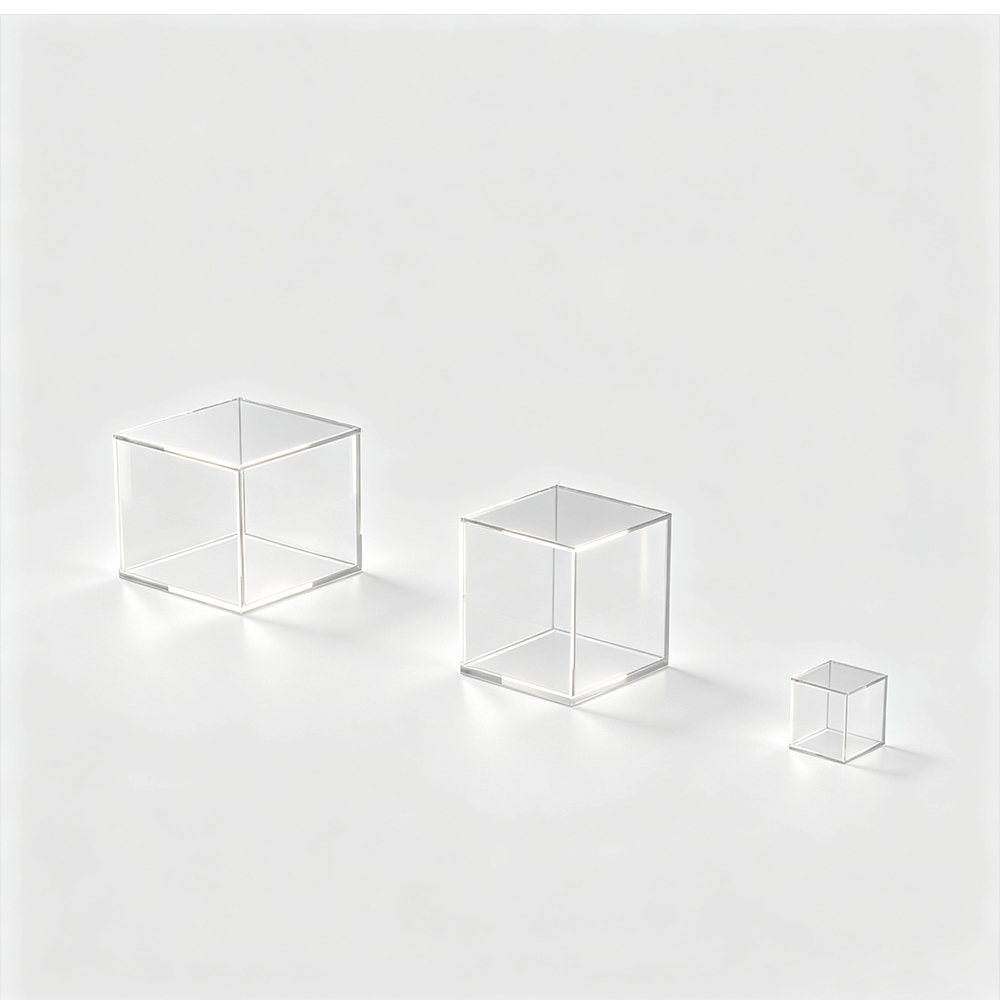
| Expandable modules | Light/dark box, memory training unit, T/Y maze, social interaction chamber |
| Minimum order quantity | 1 unit |
Whether this zebrafish 3D tracking system matches your lab's needs depends on which behavioral dimensions your protocol requires. If your study focuses on horizontal movement only — open-field locomotion, distance traveled, or turn frequency — a two-dimensional setup may be adequate. When vertical movement, depth preference, or volumetric space utilization are part of your experimental hypothesis, the HT-XW3D-1000 provides the Z-axis data those designs require. Identify the specific outputs your study calls for and verify they are included in the configuration before purchase.
The system is specified for both adult and larval zebrafish, and supports individual or group behavioral assessment. For social spacing, schooling behavior, or group locomotion protocols, confirm that the multi-fish analysis outputs you need — inter-individual distance, contact duration, schooling compactness — are available in the software version provided.
This neuroscience research equipment supports locomotor capacity studies, cognitive and memory designs (with compatible maze or conditioning modules), and behavioral phenotyping for CNS-related research. The 3D trajectory outputs and volumetric heatmaps connect spatial exploration and depth preferences to neurological endpoints. Study design, controls, and interpretation are the responsibility of the research team.
As an ecotoxicology assay platform, the system supports behavioral readout studies examining responses to environmental pollutants, microplastics, pesticides, and heavy metals. Zebrafish locomotion outputs — total distance, velocity profiles, mobility percentages, and spatial zone preference — are relevant endpoints where movement disruption is an observable behavioral indicator of compound exposure.
In research-stage compound screening workflows, the zebrafish 3D tracking system contributes phenotypic observations for CNS research, natural-product profiling, and psychotropic-compound studies. Video-event synchronized playback links each analysis output to the corresponding video segment, enabling direct review of behavioral metrics against the original recording.
The software generates 3D trajectories, volumetric heatmaps, and standard kinematic outputs: total distance traveled, average and maximum velocity, mobility and immobility duration percentages (calculated from coordinate data per session), and turn frequency. Spatial assessments include zone entries, layer time percentages, latency to enter defined areas, and depth-bias index. In multi-fish work, it reports inter-individual distance, contact duration, schooling compactness, and interaction frequency. For publication-ready data preparation, results export in standard formats for common statistical tools. A protocol library stores user-defined parameters for consistent application across sessions and operators — relevant for multi-operator core facilities and ISO-compliant lab instrumentation workflows. For research groups evaluating behavioral analysis ROI, the modular design allows initial expenditure to be scoped to the core zebrafish 3D tracking system capability, with modules added as the program expands.
Yes. The available product information identifies adult and larval zebrafish as applicable subjects. Confirm observation vessel dimensions and camera specifications against your target developmental stage before finalizing the configuration.
It records X, Y, and Z coordinates, enabling examination of movement in a volumetric space. The relevance of the Z-axis depends on whether vertical movement or depth preference is part of your experimental design — if it is not, the added dimensionality may not change your primary outputs.
Compatible expansion modules include light/dark choice boxes, memory training units, T/Y mazes, and social interaction chambers. Confirm the required configuration with the supplier before ordering, as module availability may vary.
The Zebrafish 3D Behavioral Analysis System is an advanced research platform for tracking adult and larval zebrafish movement in X, Y, and Z coordinates. Combining a high-sensitivity dual-camera infrared and high-speed industrial optical setup with precise temperature-controlled cabinet design, it captures 3D trajectories, volumetric heatmaps, and comprehensive kinematic and social-interaction metrics. Featuring modular compatibility for mazes, light/dark boxes, and social chambers, along with video-event synchronized playback, the platform provides academic and pharmaceutical laboratories with a powerful, structured solution for neurobehavioral, toxicological, and screening-oriented studies.
This is a title description that can briefly introduce the module.
We offer comprehensive, full-lifecycle services, including initial consultation, site planning, equipment selection, installation, hands-on training, application support, and long-term O&M.No matter your team's background, our standardized training and instant technical support guarantee equipment readiness and rapid onboarding. We handle the technicalities so you can focus on your core experiments.

Seamlessly integrating water circulation and temperature control systems to deliver scientific, compliant, and high-efficiency customized space designs.

Independent R&D and supply of over 10 categories of cutting-edge scientific instruments, spanning the three core pillars of zebrafish research: housing, manipulation, and analysis. Our portfolio includes digital smart housing systems, high-throughput 2D/3D behavioral analysis systems, panoramic in vivo imaging platforms, and forced swim systems. Powered by high-throughput, high-precision hardware and software, we comprehensively accelerate your scientific breakthroughs.

Our veteran engineering team handles standardized installation and hardware calibration on-site. We seamlessly connect your core digital networks—such as water recirculation, light control, and behavioral analysis—ensuring all experimental systems operate at peak performance from day one.

We provide a professional training system that encompasses standardized operations for smart scientific instruments and data analysis software, alongside scientific husbandry techniques for the entire zebrafish lifecycle, water quality environmental control, and daily maintenance protocols. This comprehensive curriculum empowers research teams to rapidly and independently conduct their experiments.
Dive into real-world laboratory use cases to explore how our zebrafish experimental equipment empowers life science research and industrial innovation, accelerating the translation and real-world impact of your scientific breakthroughs.

Empowering universities and research institutes to optimize biomedical research workflows. We provide high-precision, high-efficiency experimental hardware and digital workflow support for deep explorations in developmental biology, genetics, and disease modeling.

Leveraging high-throughput behavioral analysis and imaging systems, we provide pharmaceutical companies and research institutions with efficient, early-stage drug efficacy and safety assessments, significantly shortening R&D cycles and reducing drug discovery costs.

Widely applied in modern water quality monitoring, environmental toxicology assessments, as well as the safety and efficacy evaluation of food, cosmetics, and nutraceuticals, delivering smart digital testing solutions that comply with standardized protocols.
