 EN
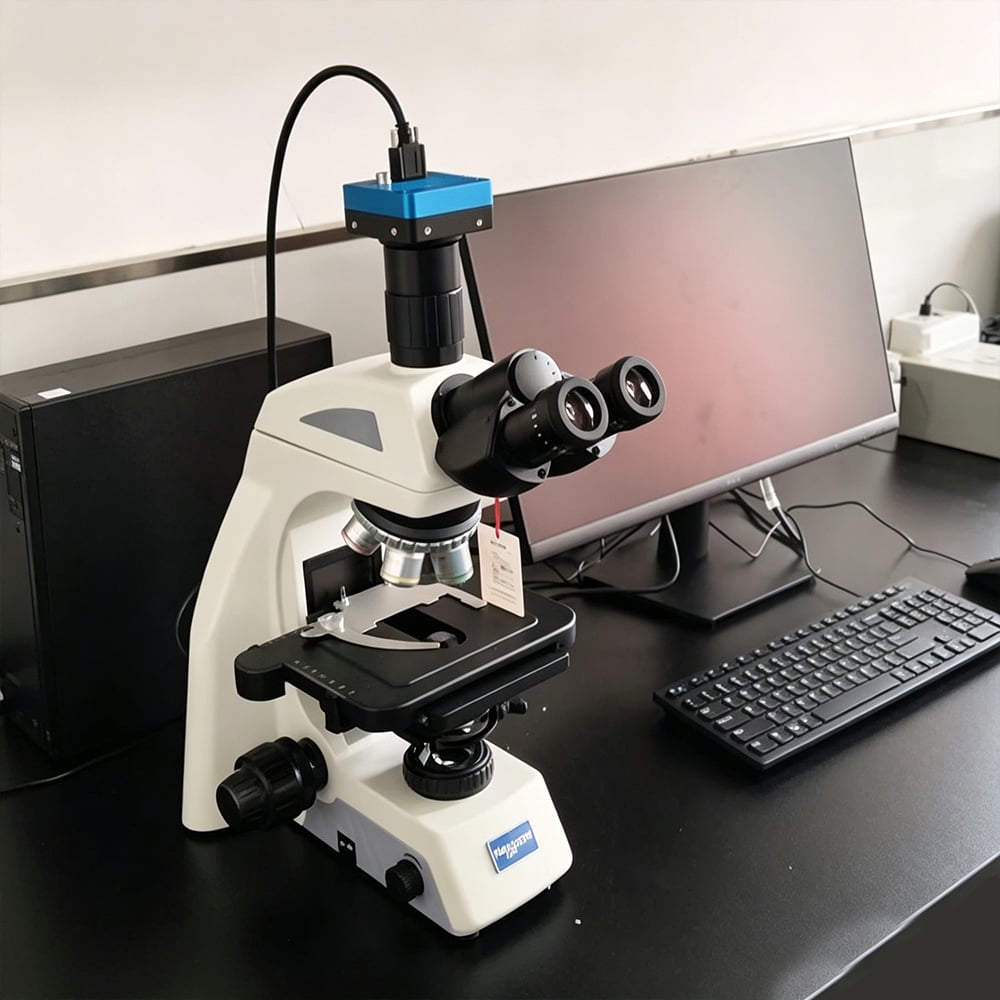
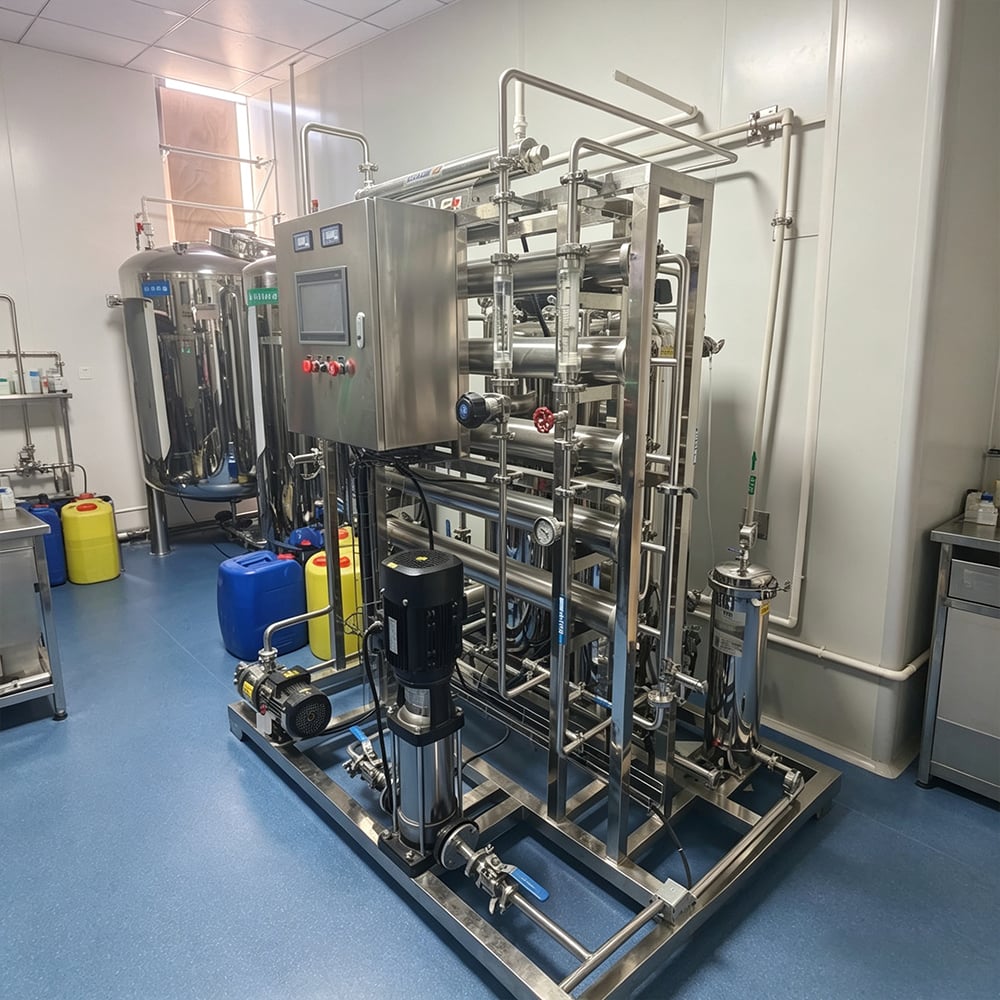
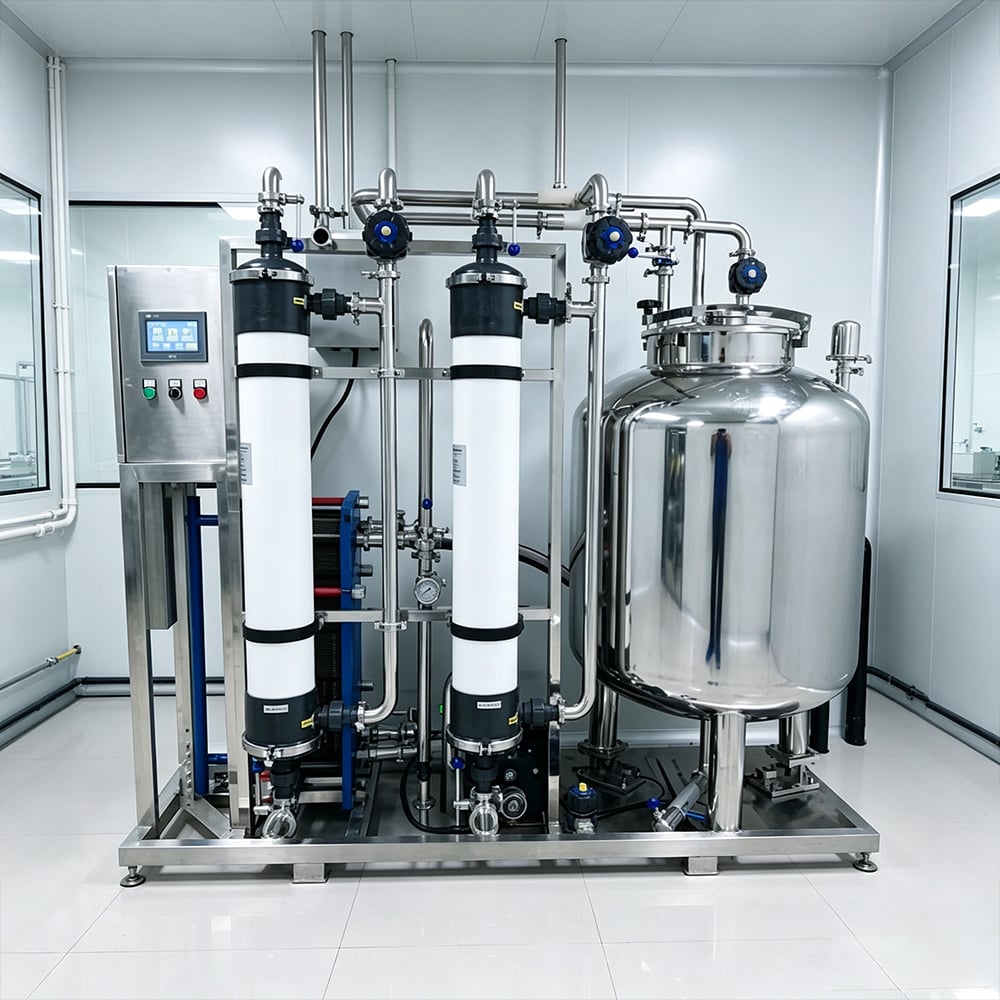
Laboratory Layout & Design
Seamlessly integrating water circulation and temperature control systems to deliver scientific, compliant, and high-efficiency customized space designs.

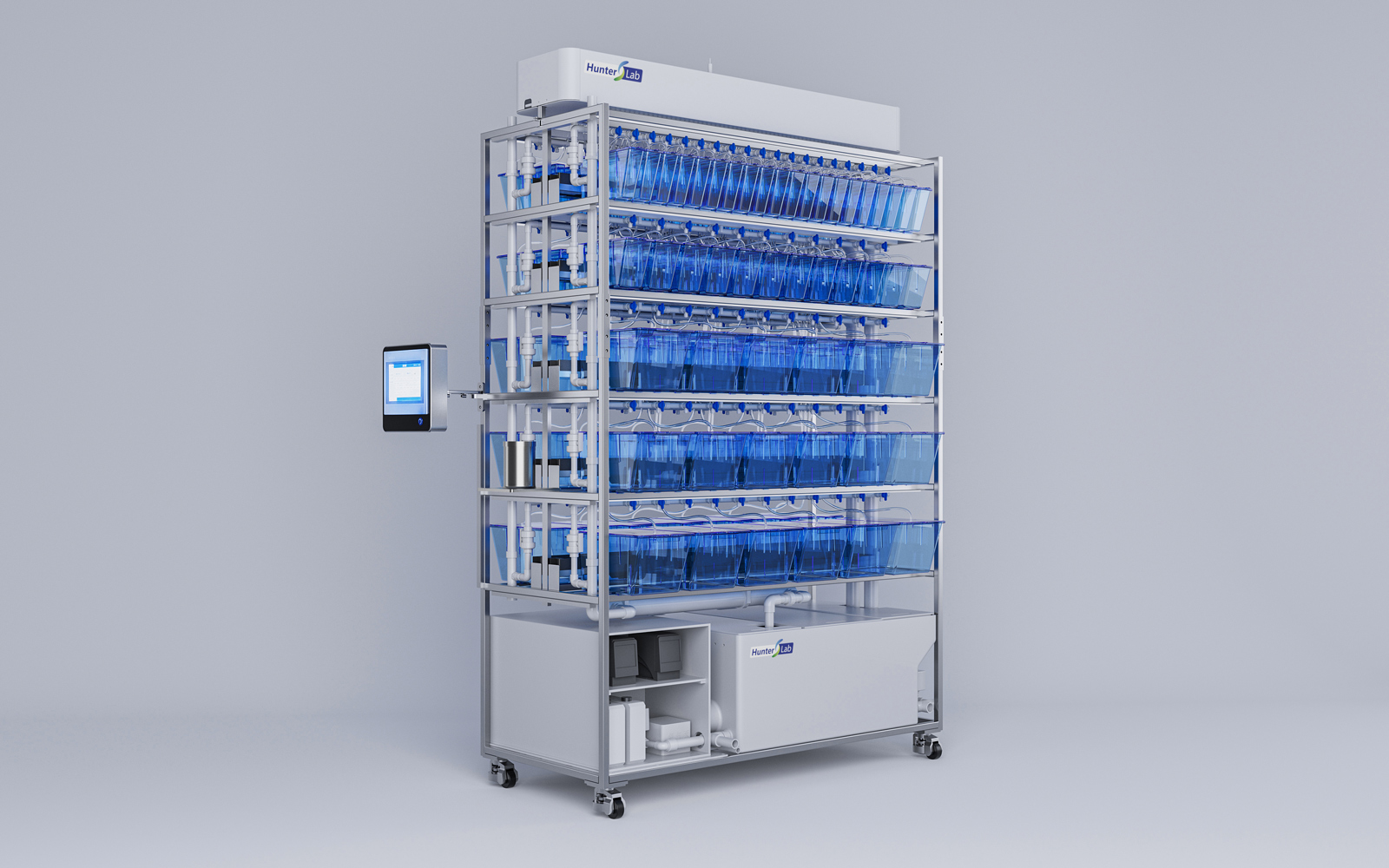
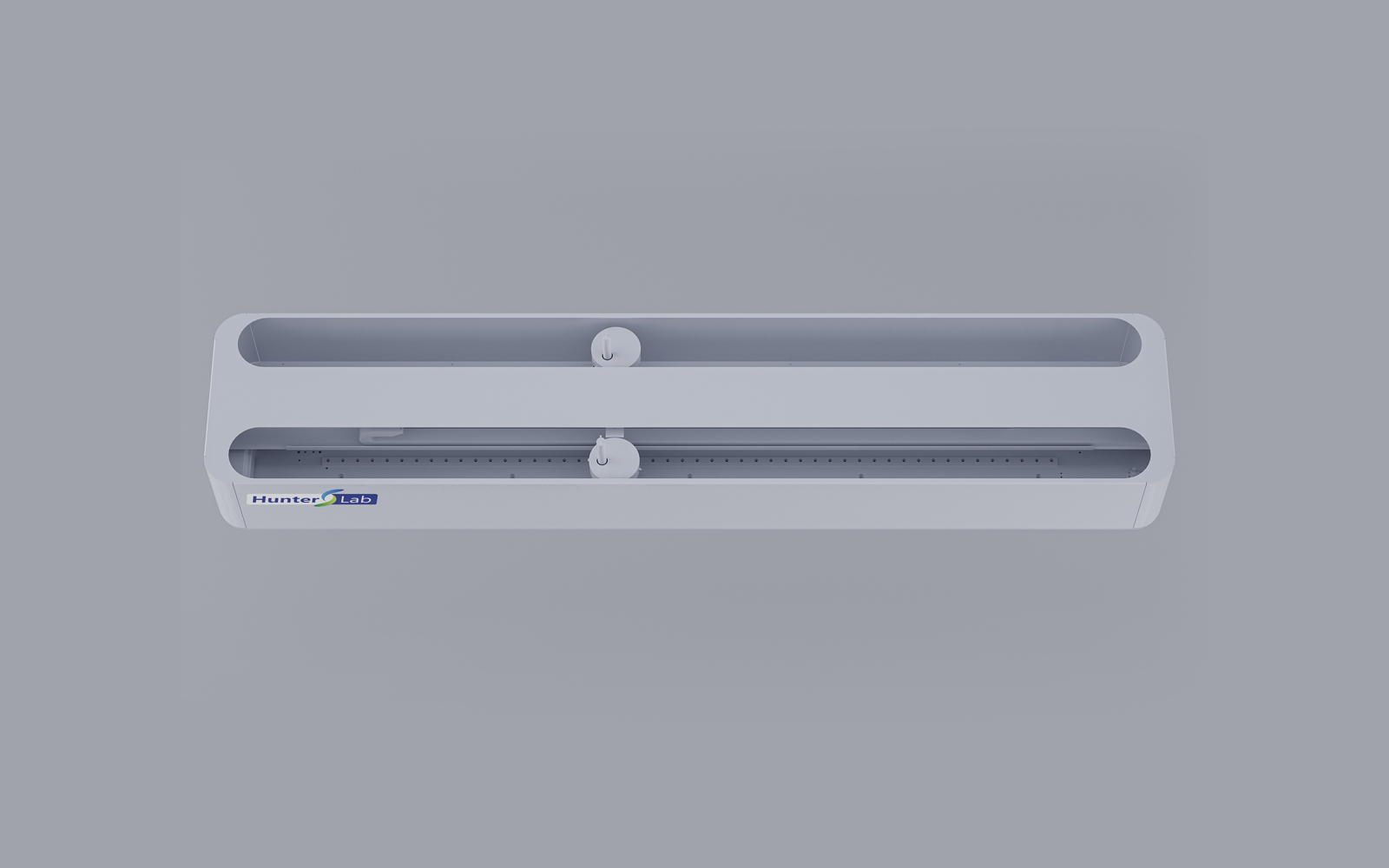
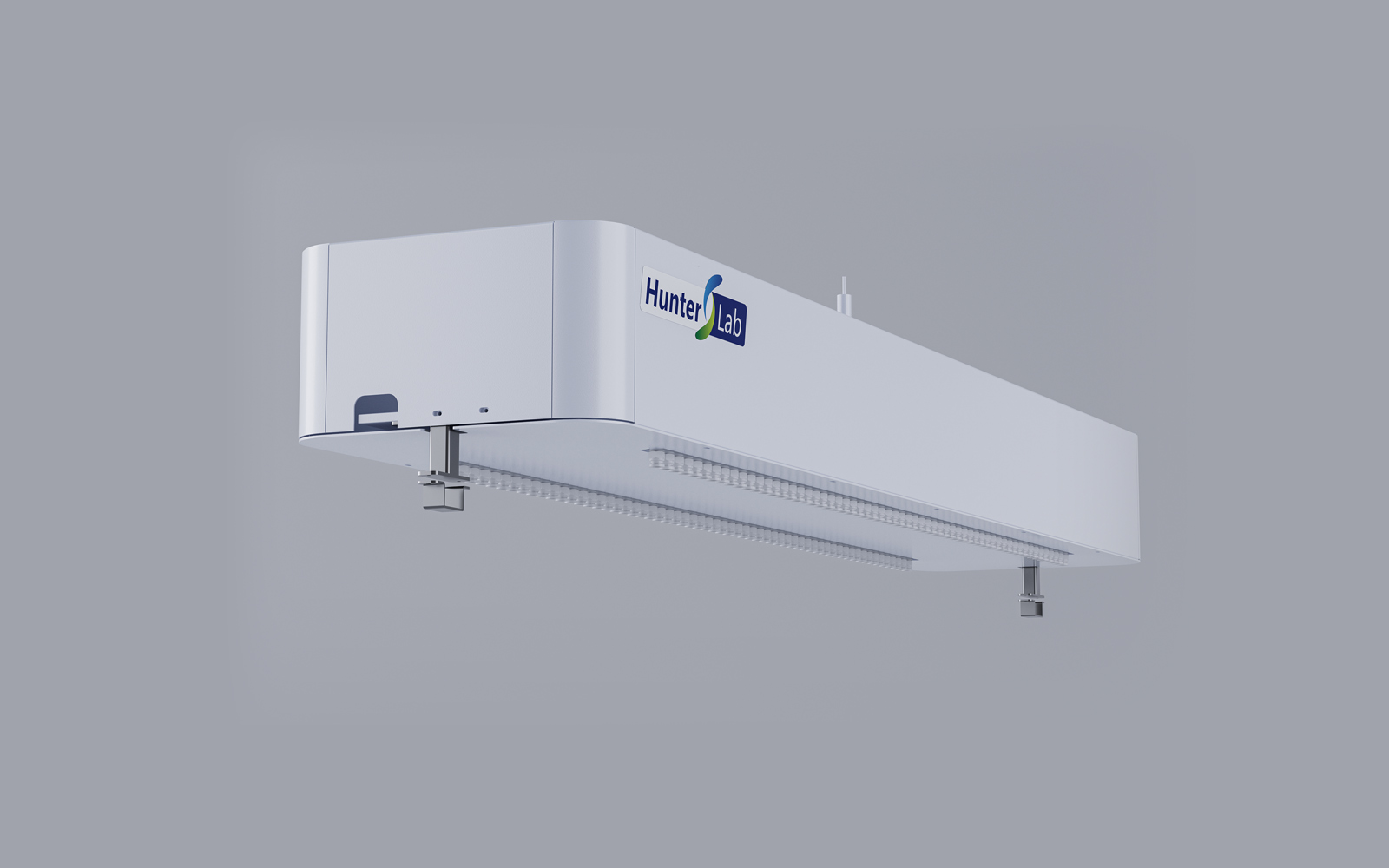
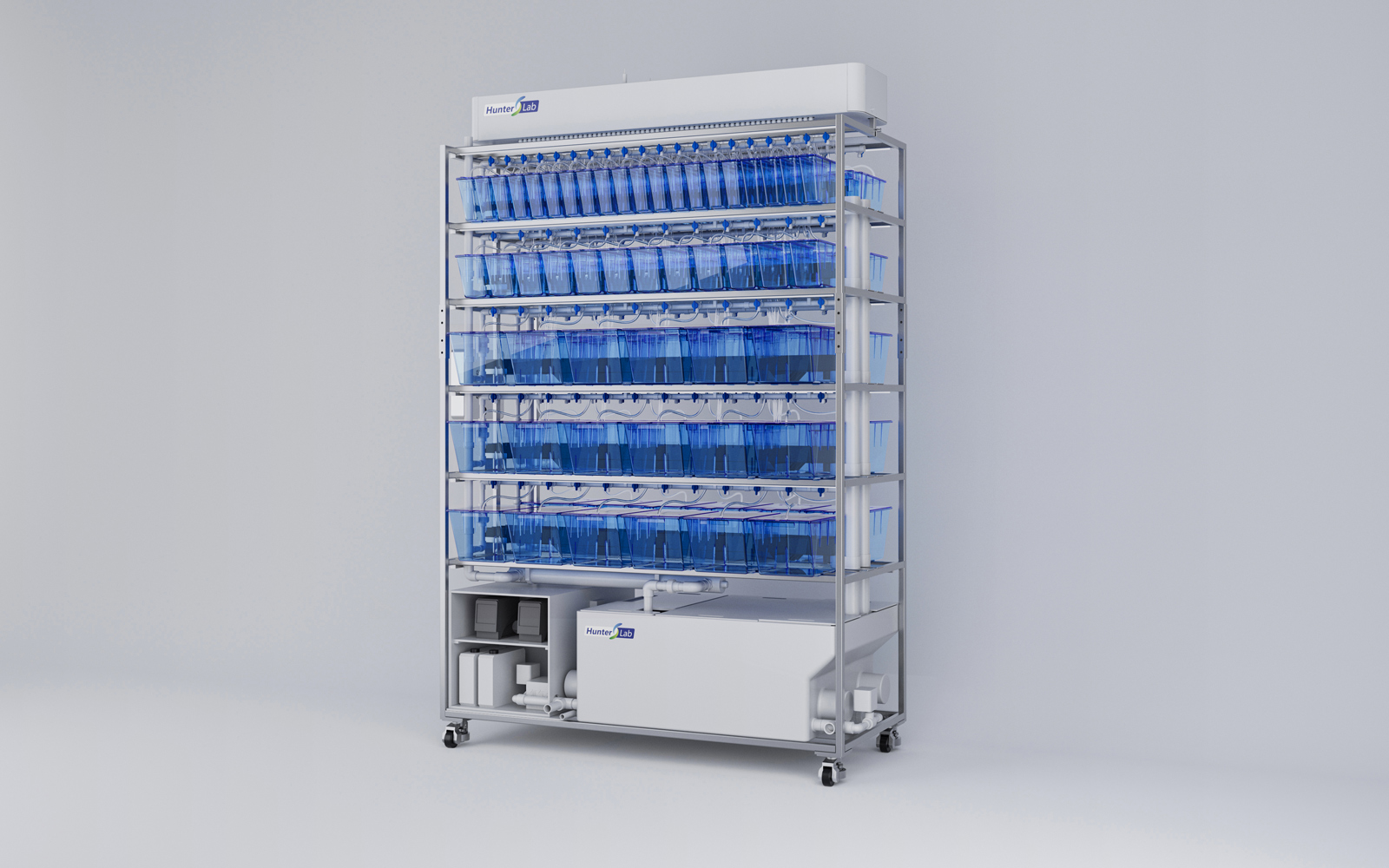
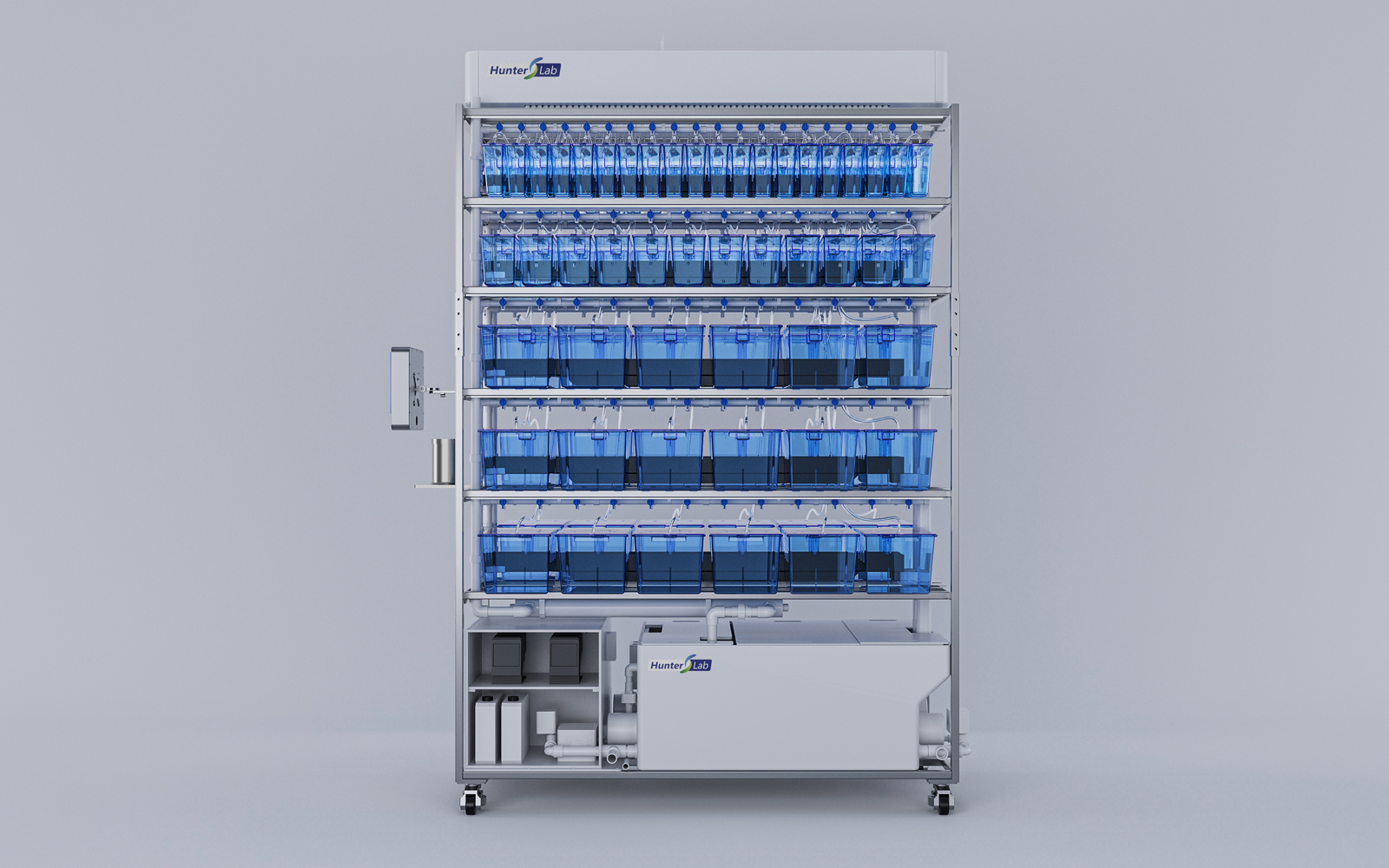
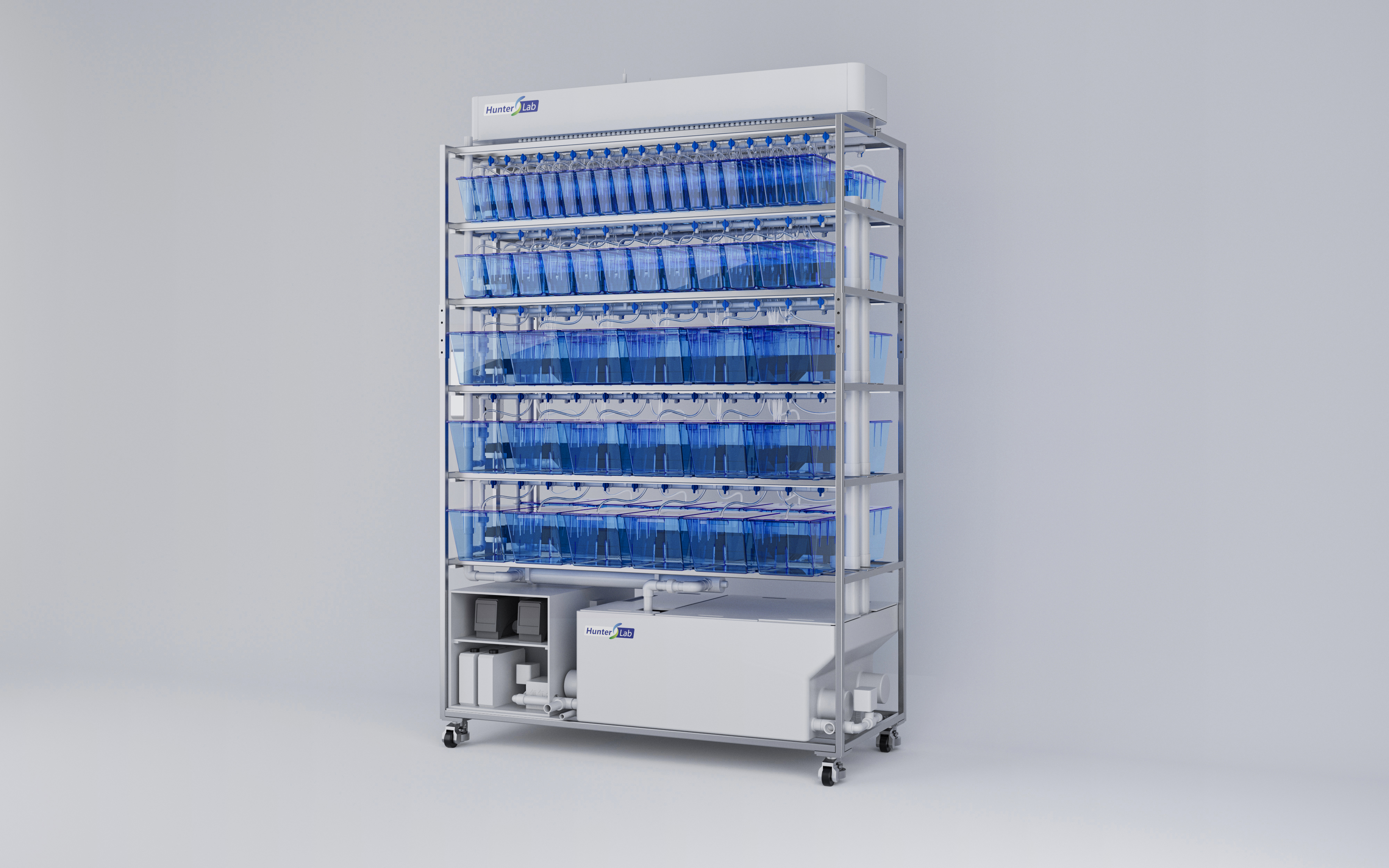
When evaluating a zebrafish feeding system for institutional procurement, the decision hinges on more than purchase price. The real financial exposure—labor hours, inconsistent dosing, water quality incidents, and weekend staffing—rarely appears in upfront equipment quotes. The hidden operational cost of manual feeding is usually larger than the capital cost of switching to an automated precision dosing equipment solution, though it is rarely captured in a formal budget line.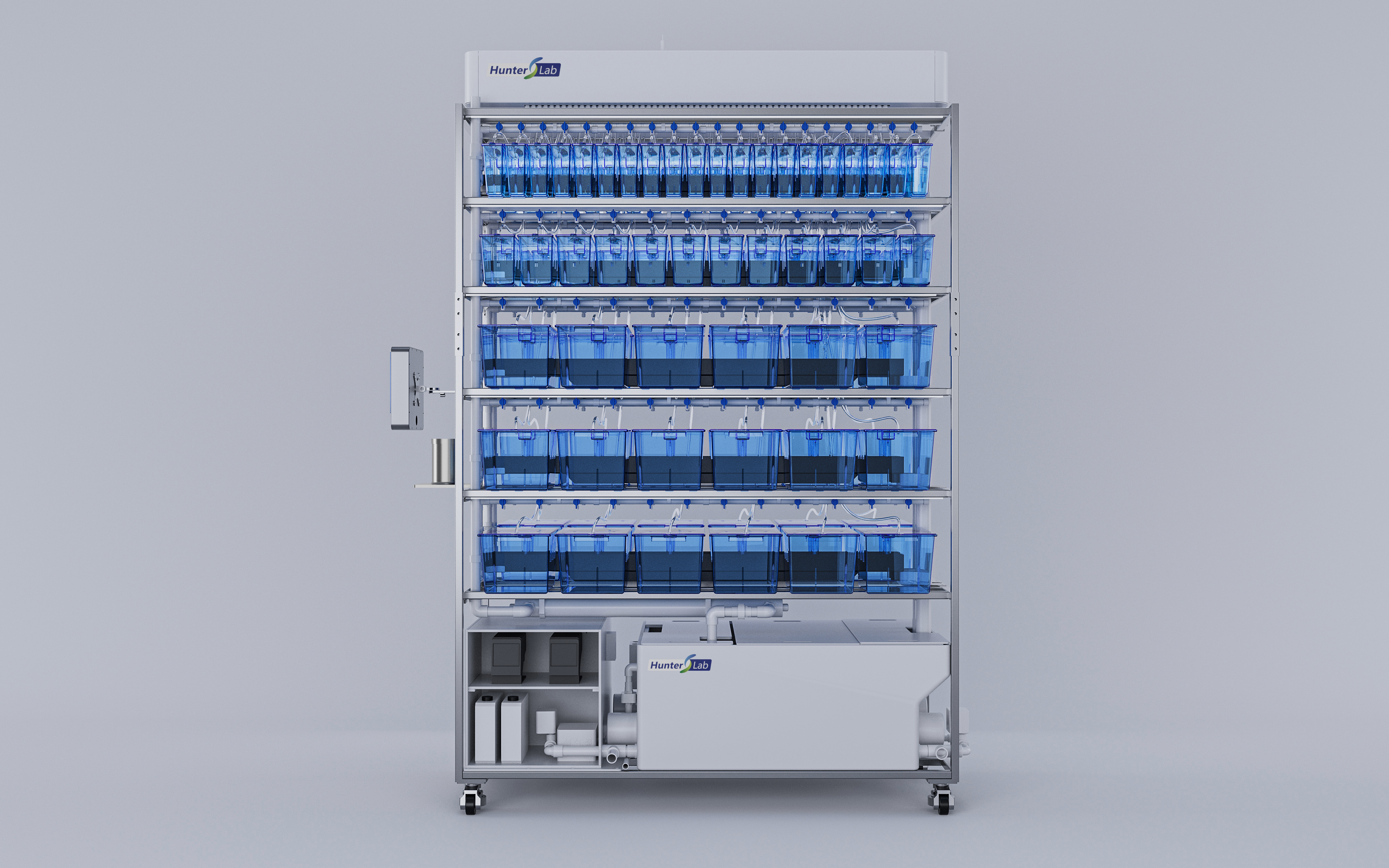
| Minimum Feed Dose | ≥0.1g/dose (continuously adjustable) |
|---|---|
| Dosing Accuracy | ±0.05g per dose |
| Scheduling | 24-hour multi-period, programmable down to the minute |
| Tank Capacity | Up to 112 tanks per system (standard tank sizes) |
| Control Modes | Independent and centralized (dual mode) |
| Interface | On-site touchscreen + mobile app remote control |
| Materials | Food-grade, corrosion-resistant; safe and non-toxic |
| Storage Hopper | Sealed moisture- and dust-proof; low-level feed alert |
| Anti-clogging Design | Prevents feed clumping and spoilage during unattended operation |
| Power-Off Retention | Preserves programmed schedules after interruption |
The zebrafish feeding system supports fully automated cyclical feeding with power-off memory retention—programmed schedules survive power interruptions without manual reset. For facilities running holiday or weekend operations, this delivers direct lab automation ROI: dedicated weekend staff are no longer required for routine feeding. One-touch manual supplement feeding adds an unscheduled dose without reprogramming the active schedule.
This precision dosing equipment delivers ≥0.1g/dose with ±0.05g accuracy across every tank. Most facilities find that inter-tank dosing consistency matters more than absolute quantity—feeding variability is often the primary noise source in zebrafish growth data. The 24-hour multi-period scheduling (programmable down to the minute) eliminates timing variation inherent in manual protocols. If reproducibility is the binding constraint, the precision dosing specification is typically the primary capital expenditure justification when building an internal ROI case.
Dual control modes let the zebrafish feeding system scale from a single rack to facility-wide deployment. The on-site touchscreen and mobile app let operators monitor and adjust schedules across up to 112 tanks remotely. For core facilities managing multiple groups with different feeding requirements, centralized scheduling with group-specific parameters reduces coordination overhead and cross-group protocol errors.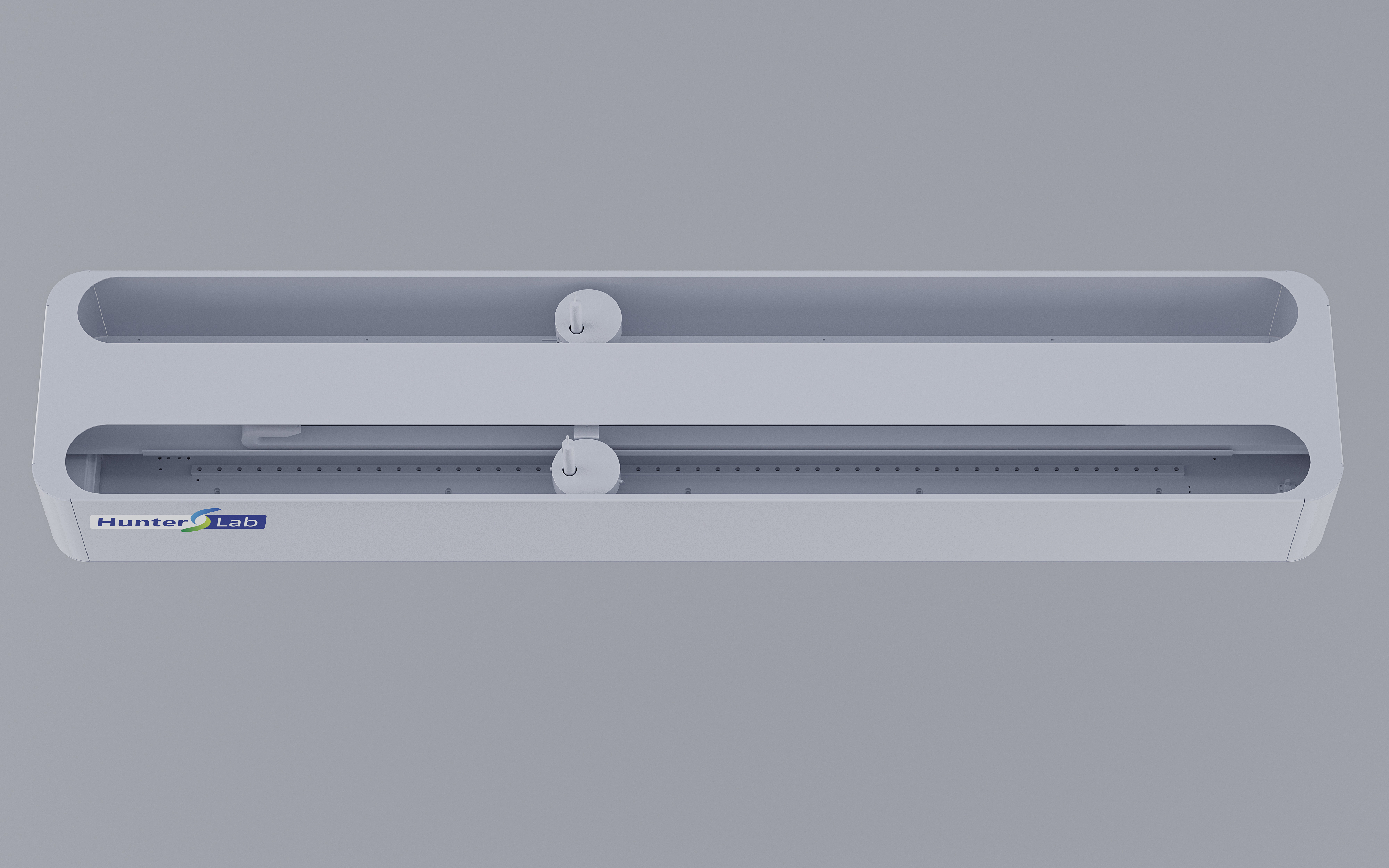
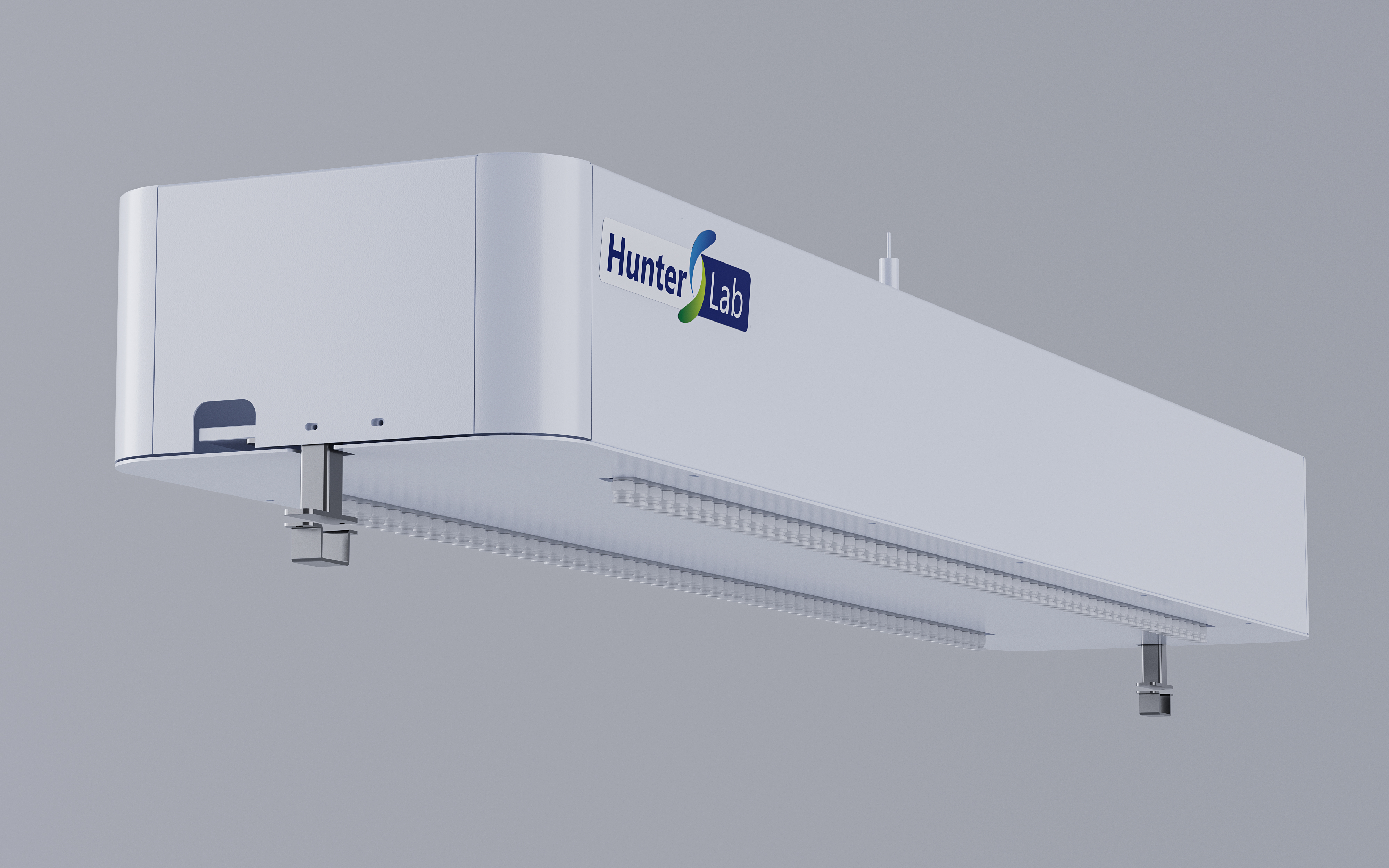
All components are food-grade and corrosion-resistant. The sealed, moisture- and dust-proof hopper integrates a low-level feed alert. Feed that absorbs moisture before dispensing delivers inconsistent actual doses even when the dispensing mechanism is accurate—the anti-clogging design addresses this mechanically, supporting aquaculture compliance documentation for regulated facilities.
When a PI needs to justify a zebrafish feeding system to a budget committee, estimating labor hours saved is a starting point. The complete analysis typically includes three categories:
The Automatic Feeding System's ±0.05g accuracy and sealed hopper address the two most common failure points in zebrafish aquaculture operations. Labs adopting this system report a 70% reduction in labor costs; it is deployed across 120+ research facilities.
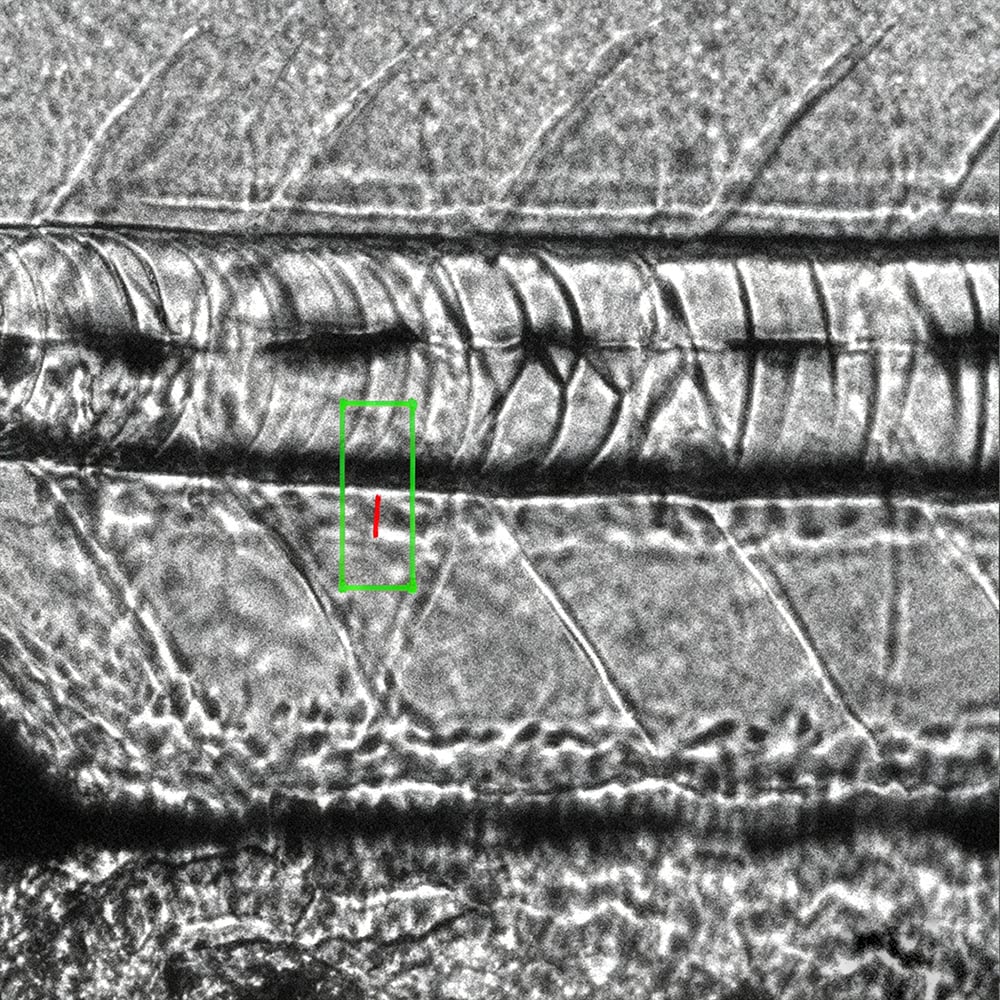
For academic zebrafish facilities running longitudinal studies or multi-week screens—including facilities supporting zebrafish phenotype analysis system imaging module experiments requiring precise developmental staging—centralized scheduling across up to 112 tanks eliminates between-session feeding variability. The food-grade construction and aquaculture compliance orientation make this system appropriate for facilities subject to institutional animal care requirements.
Pharmaceutical labs conducting zebrafish-based safety screening require consistent animal husbandry for reproducible assay results. The precision dosing specification (±0.05g, programmable scheduling) supports procurement justification as a biomedical research supplier solution. Labs in regulated environments should verify applicable aquaculture compliance standards for their jurisdiction—the system's food-grade construction and documented scheduling are designed with compliance-oriented procurement in mind.
For facilities onboarding new staff or standardizing across sites, the touchscreen and app reduce training burden compared to manual protocols. When personnel without specialized zebrafish embryo incubator training experience are responsible for feeding, inconsistency in execution is the primary variability source. Automated scheduling removes execution variability entirely—the clearest single benefit for multi-operator facilities.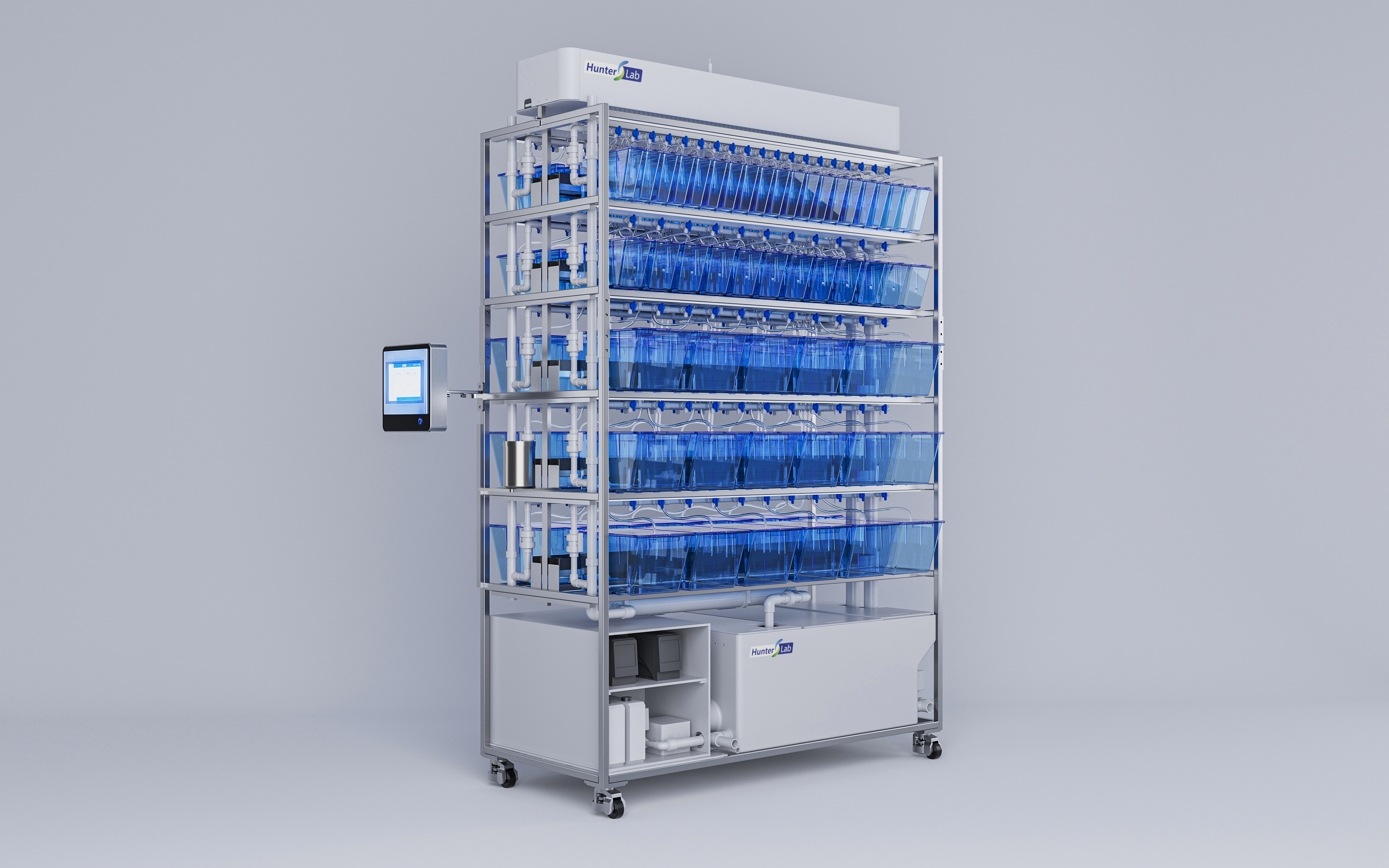
Hunter Lab is a zebrafish-specialized biomedical research supplier—zebrafish instruments and aquaculture systems are the core product focus, not an extension of a general life science portfolio. Product design decisions (hopper seal specifications, dose range starting point, tank compatibility) reflect zebrafish-specific operational requirements. Hunter Lab participates in the zebrafish research community and maintains relationships with active research facilities, informing both product development and post-sale technical support depth.
When evaluating zebrafish feeding system options for institutional procurement, total cost of ownership—equipment, labor, water quality incident risk, and reproducibility value—is the appropriate frame rather than purchase price alone. For facilities where weekend staffing, dosing consistency, or water quality management is a known constraint, this system addresses all three simultaneously.
This is a title description that can briefly introduce the module.
We offer comprehensive, full-lifecycle services, including initial consultation, site planning, equipment selection, installation, hands-on training, application support, and long-term O&M.No matter your team's background, our standardized training and instant technical support guarantee equipment readiness and rapid onboarding. We handle the technicalities so you can focus on your core experiments.

Seamlessly integrating water circulation and temperature control systems to deliver scientific, compliant, and high-efficiency customized space designs.

Independent R&D and supply of over 10 categories of cutting-edge scientific instruments, spanning the three core pillars of zebrafish research: housing, manipulation, and analysis. Our portfolio includes digital smart housing systems, high-throughput 2D/3D behavioral analysis systems, panoramic in vivo imaging platforms, and forced swim systems. Powered by high-throughput, high-precision hardware and software, we comprehensively accelerate your scientific breakthroughs.

Our veteran engineering team handles standardized installation and hardware calibration on-site. We seamlessly connect your core digital networks—such as water recirculation, light control, and behavioral analysis—ensuring all experimental systems operate at peak performance from day one.

We provide a professional training system that encompasses standardized operations for smart scientific instruments and data analysis software, alongside scientific husbandry techniques for the entire zebrafish lifecycle, water quality environmental control, and daily maintenance protocols. This comprehensive curriculum empowers research teams to rapidly and independently conduct their experiments.
Dive into real-world laboratory use cases to explore how our zebrafish experimental equipment empowers life science research and industrial innovation, accelerating the translation and real-world impact of your scientific breakthroughs.

Empowering universities and research institutes to optimize biomedical research workflows. We provide high-precision, high-efficiency experimental hardware and digital workflow support for deep explorations in developmental biology, genetics, and disease modeling.

Leveraging high-throughput behavioral analysis and imaging systems, we provide pharmaceutical companies and research institutions with efficient, early-stage drug efficacy and safety assessments, significantly shortening R&D cycles and reducing drug discovery costs.

Widely applied in modern water quality monitoring, environmental toxicology assessments, as well as the safety and efficacy evaluation of food, cosmetics, and nutraceuticals, delivering smart digital testing solutions that comply with standardized protocols.
