 EN
Laboratory Layout & Design
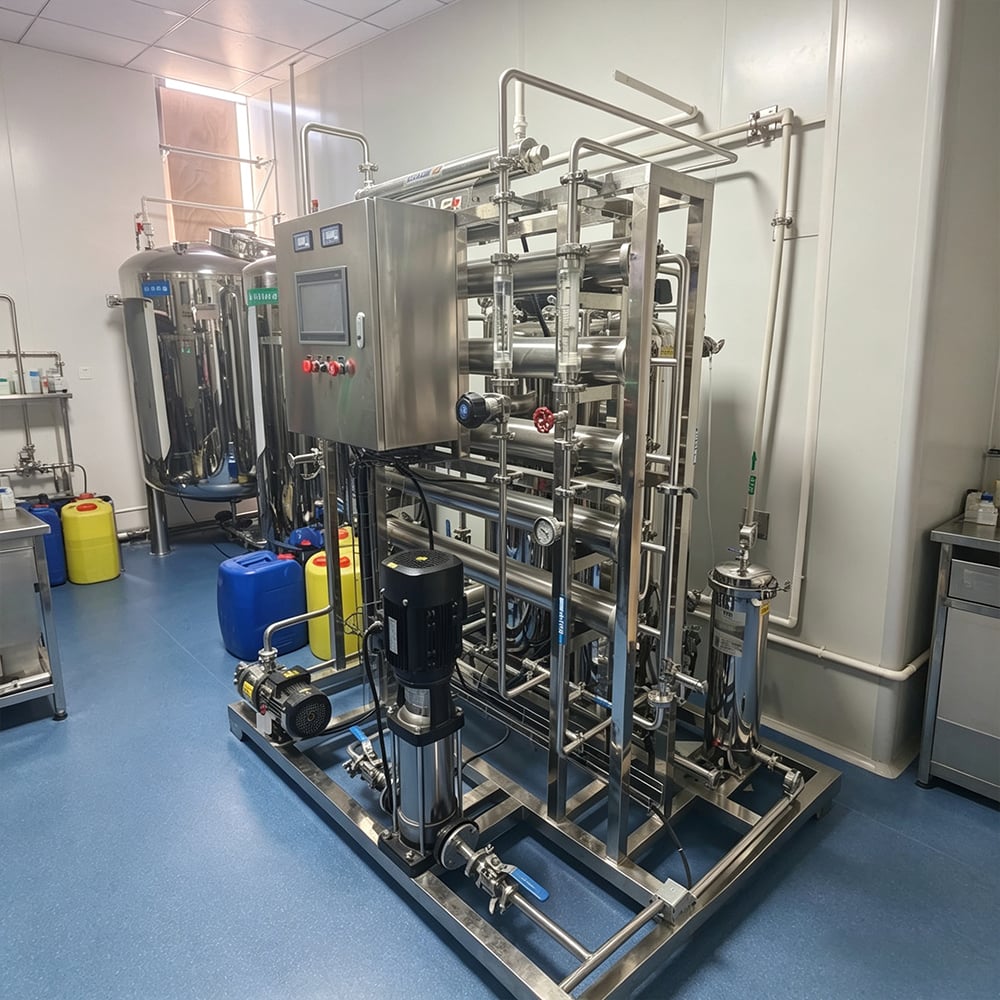
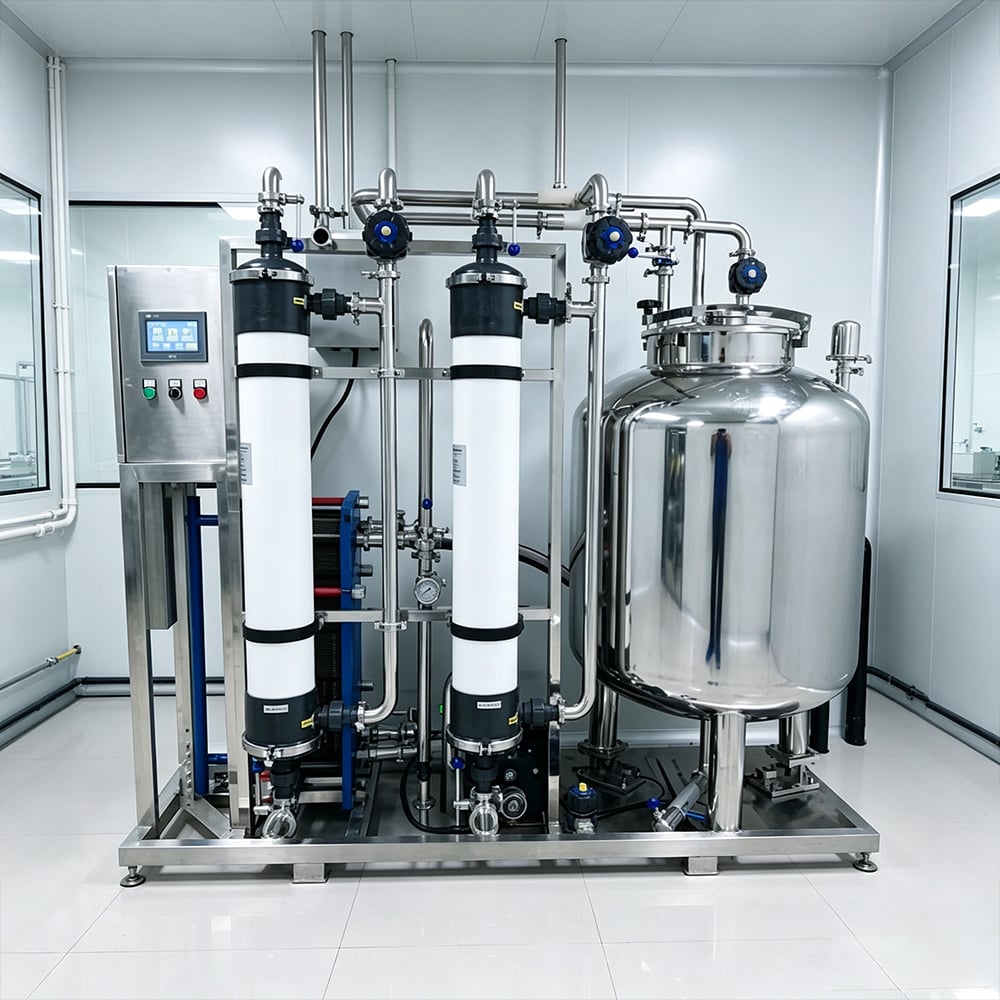
Seamlessly integrating water circulation and temperature control systems to deliver scientific, compliant, and high-efficiency customized space designs.

The Mass Spawning Tank is a laboratory system engineered specifically for mass zebrafish mating and high-efficiency embryo collection. Built with a vertical three-tier modular structure, it integrates current-induced stimulation, sex-separation courtship induction, and rapid, damage-free egg harvesting.
The Zebrafish Mass Spawner is a laboratory-grade system for mass zebrafish mating and high-efficiency embryo collection. Built on a vertical three-tier modular architecture—outer tank, inner spawning insert, and base collection unit—it integrates current-induced stimulation, sex-separation courtship induction, and zero-damage egg harvesting into a single workflow. The quick-connect water inlet connects directly into existing water lines, making integration straightforward for labs running recirculating aquaculture system (RAS) filtration circuits. Designed for aquaculture filter media environments, the system relies on upstream aquaculture filter media beds to maintain the stable pH, conductivity, and ammonia levels that most directly determine whether paired fish spawn on schedule—parameters that most traditional spawning tanks leave unmanaged.
The inner tank base replicates a wave-profiled riverbed with segmented troughs for male courtship behavior. A vertical sex-separation divider grid (Ø4 mm aperture, 4 holes/cm² density) allows males and females to acclimate in close proximity—stimulating spawning-readiness cues—while preventing premature contact until the researcher initiates the protocol. The underlying mechanism is current-induced spawning stimulation: fresh water entering via the swirl-pattern inlet mimics natural river current, triggering the hormonal cascade that initiates egg release reliably when flow meets or exceeds the specified threshold.
The water inlet pipe includes a quick-connect fitting for seamless integration into recirculating aquaculture system (RAS) filtration circuits (compatible with standard push-fit connectors common in zebrafish housing racks). An inline flow meter regulates water flow to no less than 40 L/h; the inlet locks into the top cover plate's peripheral socket to introduce fresh water in a controlled swirl pattern. Steady overflow from the outer tank base provides continuous ammonia reduction—an effective ammonia reduction solution that prevents metabolite accumulation during the spawning window, maintaining water quality without a separate treatment stage.
The outer tank features a 30° conical bottom. Fertilized eggs sink through the inner mesh by gravity, separating from adult fish immediately upon release and preventing egg consumption that degrades yield in flat-bottomed designs. Embryos pass directly through the bottom conduit into a dedicated 35-mesh collector net (Ø90 mm diameter × 60 mm height), ensuring zero mechanical damage. Across repeated collection runs, the conical gravity-settling mechanism consistently recovers a higher proportion of viable embryos compared with manual siphoning—the reason this architecture is now the benchmark for high-throughput zebrafish breeding programs requiring tightly stage-synchronized cohorts.
Retaining snap rings on both sides allow easy elevation adjustment of the inner insert, giving researchers precise control over spawning water depth. When variable-depth protocols are used, pairing this system with ISO 9001 certified filter floss upstream minimizes particulate load entering the spawning chamber, since particles at higher flow rates can disrupt the conical collection pathway. Retaining circlips facilitate reproducible height settings, cutting setup time for protocols run on consecutive days and ensuring water surface level consistency across rack positions.
The base stand (Ø330±2 mm diameter × 348±5 mm height) houses the collection support frame and drainage piping connected to the conical bottom, providing structural stability for the 40 L effective volume system. For facilities evaluating NSF/ANSI 61 compliant bio-media in their RAS loops, the spawning system's materials are compatible with the water quality parameters typical of NSF/ANSI 61 compliant bio-media filtration, ensuring the breeding unit does not become a confounding variable during infrastructure upgrades.
| Component | Specification |
|---|---|
| Total Effective Volume | 40 L |
| Outer Tank | Ø330±2 mm diameter × 400±5 mm height; 30° conical bottom |
| Inner Tank | Ø310±2 mm diameter × 463±5 mm height; wave-patterned riverbed base |
| Sex-Separation Divider Grid | Ø4 mm aperture; 4 holes/cm² density |
| Base Stand | Ø330±2 mm diameter × 348±5 mm height |
| Water Inlet System | Quick-connect fitting; inline flow meter; ≥40 L/h flow rate |
| Embryo Collector Net | Ø90 mm × 60 mm height; 35-mesh screen |
| Certification | ISO 13485 |
For labs running large-scale embryo campaigns—developmental toxicology screens, transgenic line expansion, or standardization requiring stage-synchronized cohorts—the Zebrafish Mass Spawner addresses the core bottleneck: obtaining high-quality embryos consistently and on schedule. Labs following a zebrafish swim test system protocol typically require embryos at defined developmental windows (24 hpf, 48 hpf, or 72 hpf). This system significantly reduces the scheduling uncertainty that forces researchers into off-hours sessions when manually managed tanks produce inconsistently. The ISO 13485 certification supports institutional procurement documentation for pharmaceutical-adjacent laboratory settings.
Zebrafish facilities with central RAS loops—UV sterilization, aquaculture filter media beds, mechanical pre-filters, and automated water monitoring—benefit directly from the quick-connect inlet, which enables integration without additional plumbing modification. When placed downstream of a well-maintained recirculating aquaculture system (RAS) filtration loop, the spawning tank operates with stable temperature, conductivity, and pH. The overflow mechanism provides passive ammonia reduction by maintaining a controlled exchange rate that prevents metabolite buildup, complementing the ammonia reduction work done by the upstream aquaculture filter media and bio-filter stages.
For pharmaceutical R&D groups and core facilities supplying embryos to multiple research teams, the controlled environment and zero-damage collection support reproducible embryo quality across batches. When conducting a zebrafish behavioral analysis system comparison to evaluate readout consistency across imaging platforms or behavioral assay rigs, a reliable and well-documented embryo source is essential. Attributing performance differences to the assay system rather than to upstream embryo quality variability requires a collection method that is both high-yield and collection-stress-free—the primary design objective of this system.
Compared with static-bottom spawning tanks, the Zebrafish Mass Spawner offers three design advantages that directly affect experimental outcomes: biomimetic current induction that actively triggers spawning rather than relying on passive cues; conical gravity-settling collection that eliminates manual siphoning and the inter-operator variability it introduces; and adjustable water depth control that adapts the same hardware to different breeding pair densities and protocol scales. For facilities with RAS infrastructure already incorporating aquaculture filter media, ISO 9001 certified filter floss stages, and NSF/ANSI 61 compliant bio-media components, the quick-connect design integrates without disrupting the facility's water treatment framework—making this spawning system a compatible addition to the existing aquaculture filter media management strategy.
The Mass Spawning Tank is a laboratory system engineered specifically for mass zebrafish mating and high-efficiency embryo collection. Built with a vertical three-tier modular structure, it integrates current-induced stimulation, sex-separation courtship induction, and rapid, damage-free egg harvesting.
This is a title description that can briefly introduce the module.
We offer comprehensive, full-lifecycle services, including initial consultation, site planning, equipment selection, installation, hands-on training, application support, and long-term O&M.No matter your team's background, our standardized training and instant technical support guarantee equipment readiness and rapid onboarding. We handle the technicalities so you can focus on your core experiments.

Seamlessly integrating water circulation and temperature control systems to deliver scientific, compliant, and high-efficiency customized space designs.

Independent R&D and supply of over 10 categories of cutting-edge scientific instruments, spanning the three core pillars of zebrafish research: housing, manipulation, and analysis. Our portfolio includes digital smart housing systems, high-throughput 2D/3D behavioral analysis systems, panoramic in vivo imaging platforms, and forced swim systems. Powered by high-throughput, high-precision hardware and software, we comprehensively accelerate your scientific breakthroughs.

Our veteran engineering team handles standardized installation and hardware calibration on-site. We seamlessly connect your core digital networks—such as water recirculation, light control, and behavioral analysis—ensuring all experimental systems operate at peak performance from day one.

We provide a professional training system that encompasses standardized operations for smart scientific instruments and data analysis software, alongside scientific husbandry techniques for the entire zebrafish lifecycle, water quality environmental control, and daily maintenance protocols. This comprehensive curriculum empowers research teams to rapidly and independently conduct their experiments.
Dive into real-world laboratory use cases to explore how our zebrafish experimental equipment empowers life science research and industrial innovation, accelerating the translation and real-world impact of your scientific breakthroughs.

Empowering universities and research institutes to optimize biomedical research workflows. We provide high-precision, high-efficiency experimental hardware and digital workflow support for deep explorations in developmental biology, genetics, and disease modeling.

Leveraging high-throughput behavioral analysis and imaging systems, we provide pharmaceutical companies and research institutions with efficient, early-stage drug efficacy and safety assessments, significantly shortening R&D cycles and reducing drug discovery costs.
Widely applied in modern water quality monitoring, environmental toxicology assessments, as well as the safety and efficacy evaluation of food, cosmetics, and nutraceuticals, delivering smart digital testing solutions that comply with standardized protocols.
