 EN
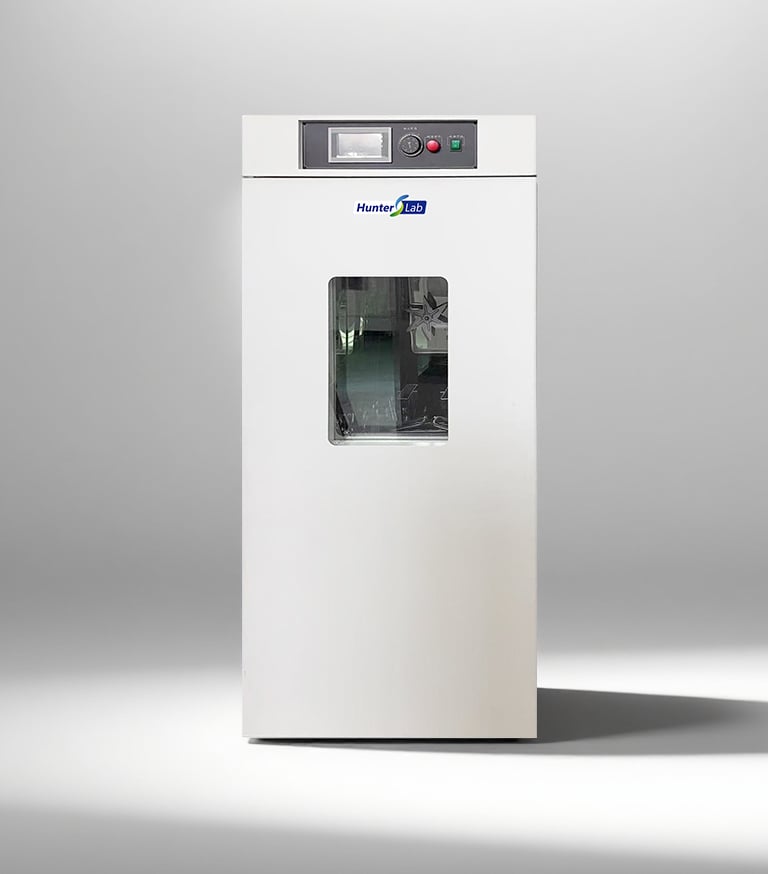
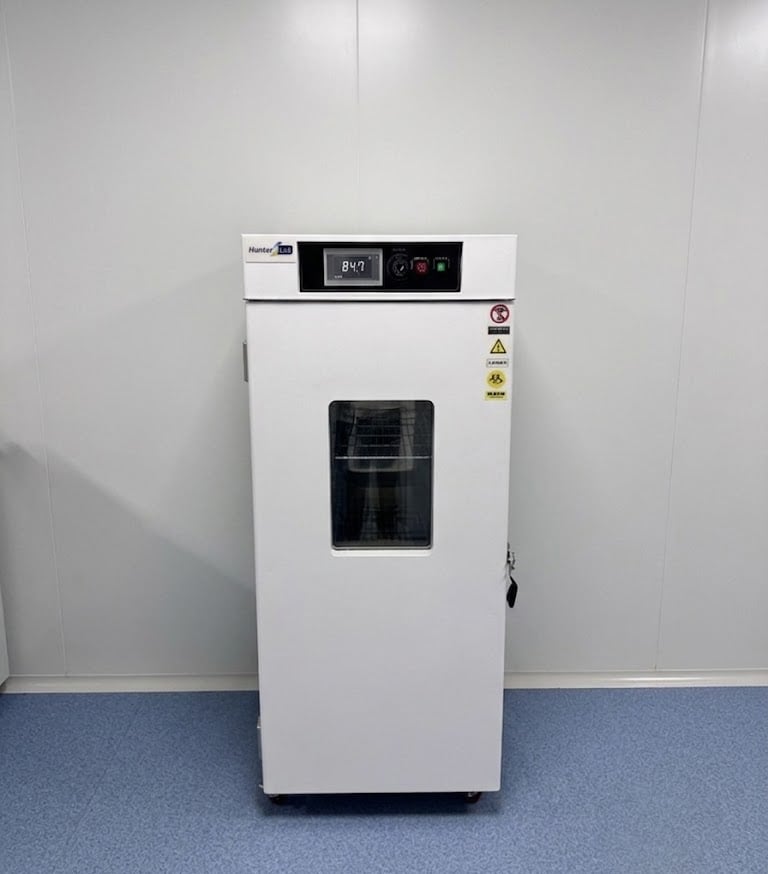
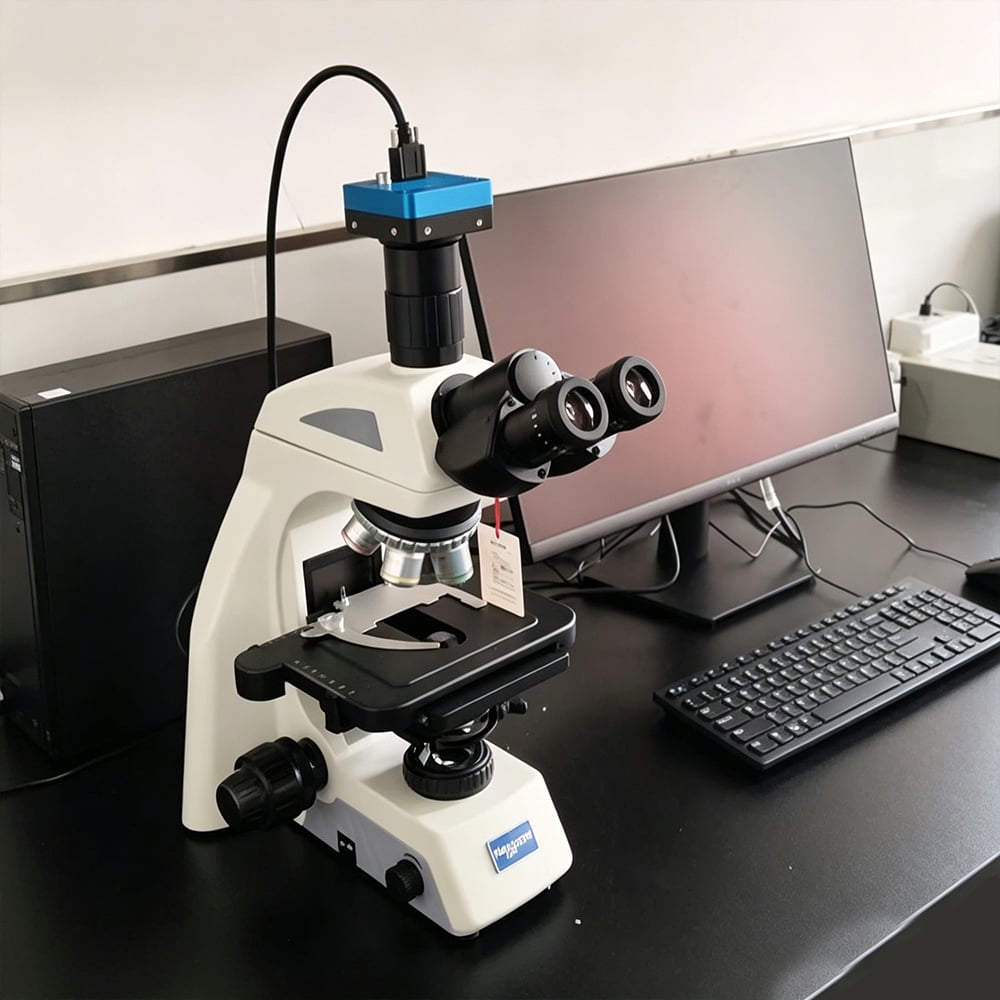
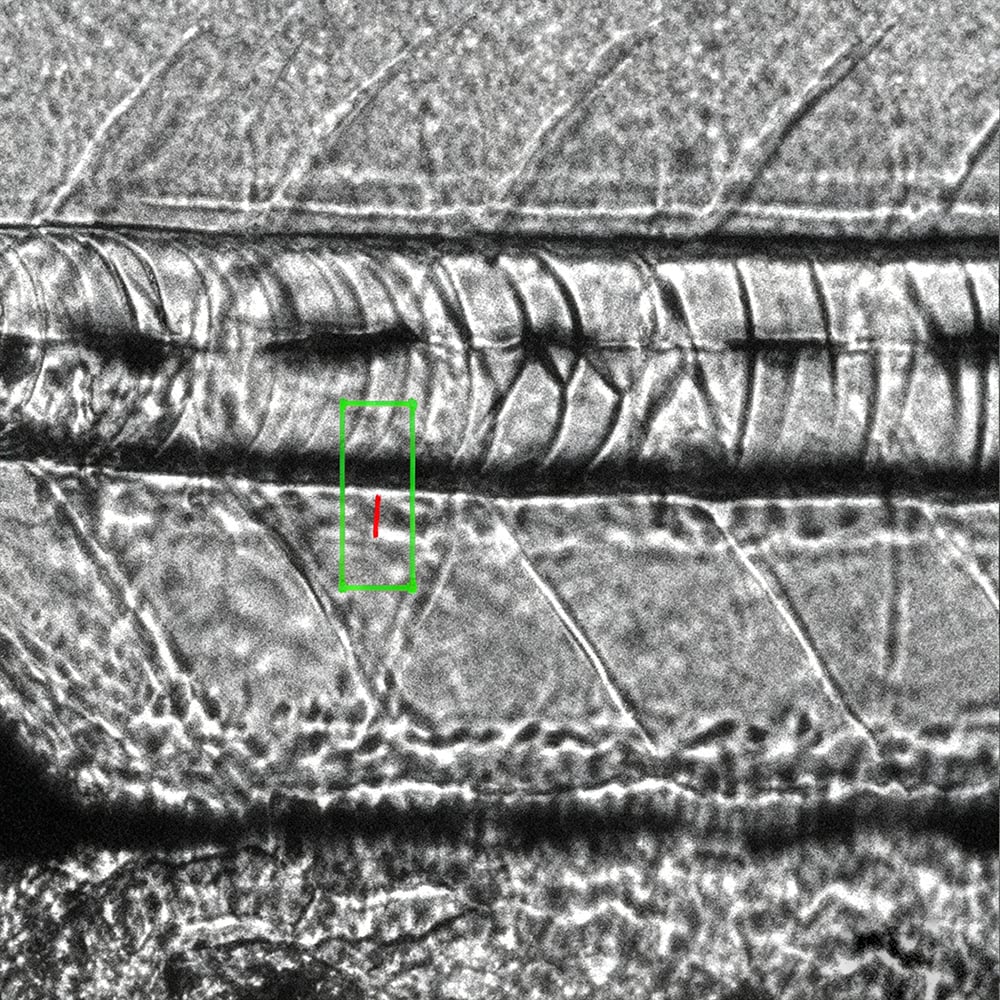
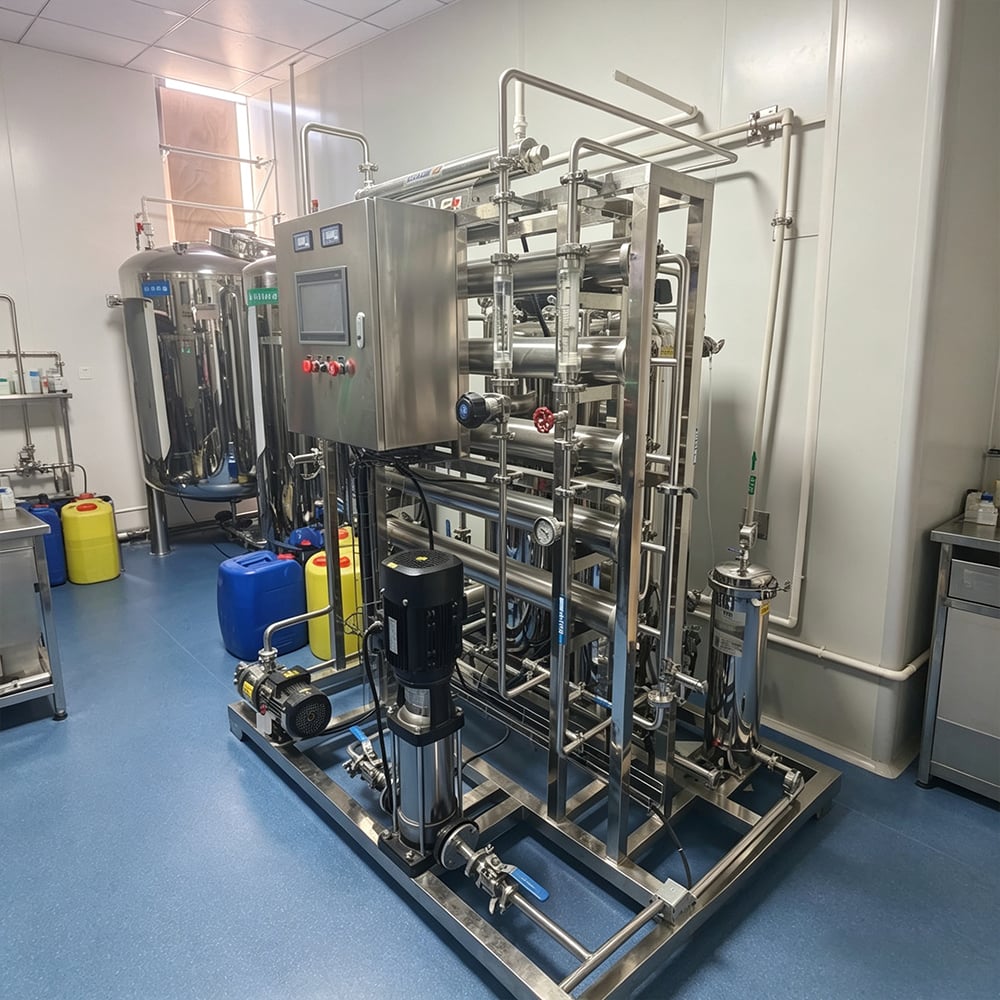
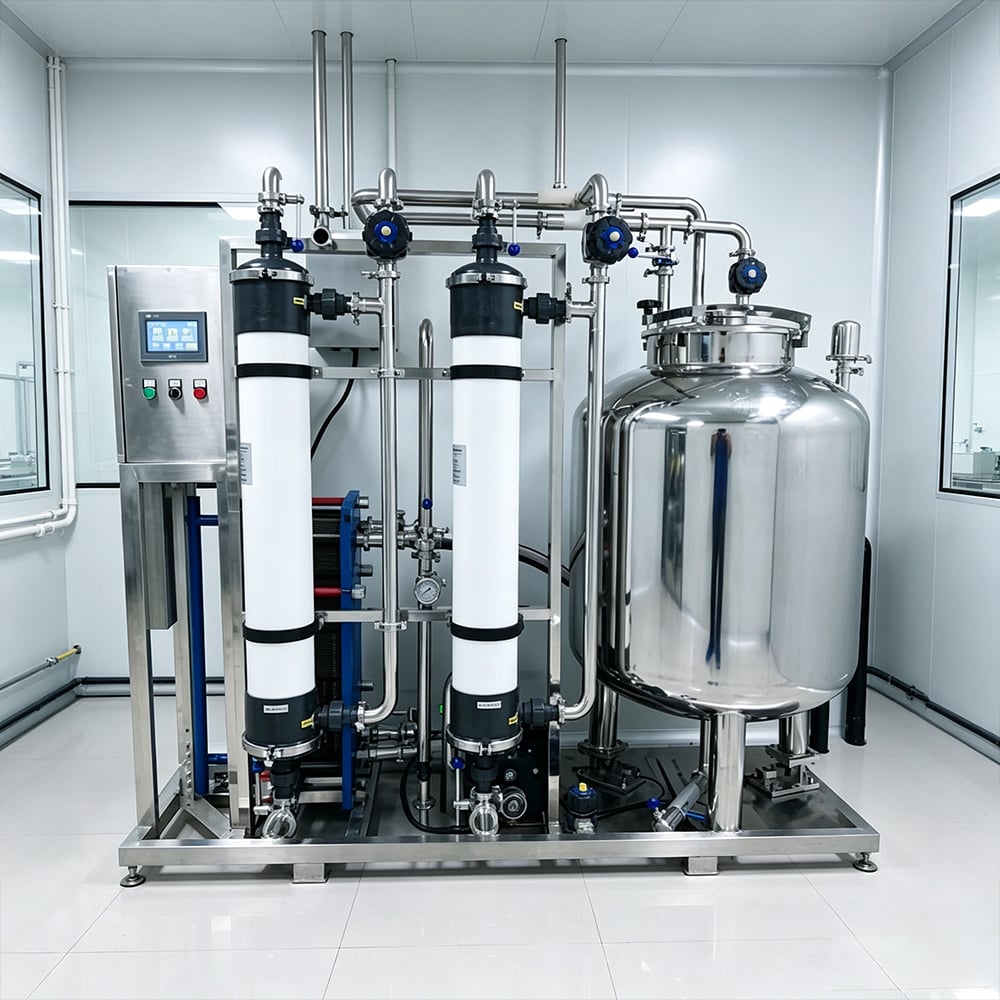
Laboratory Layout & Design
Seamlessly integrating water circulation and temperature control systems to deliver scientific, compliant, and high-efficiency customized space designs.

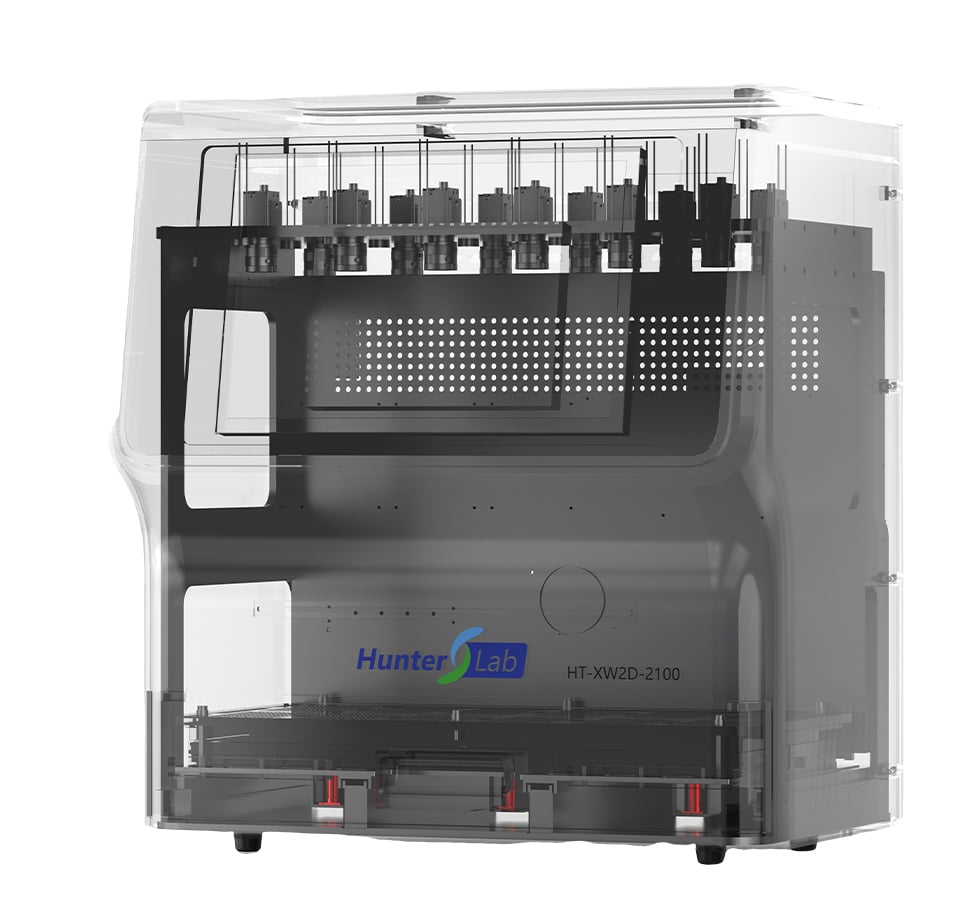
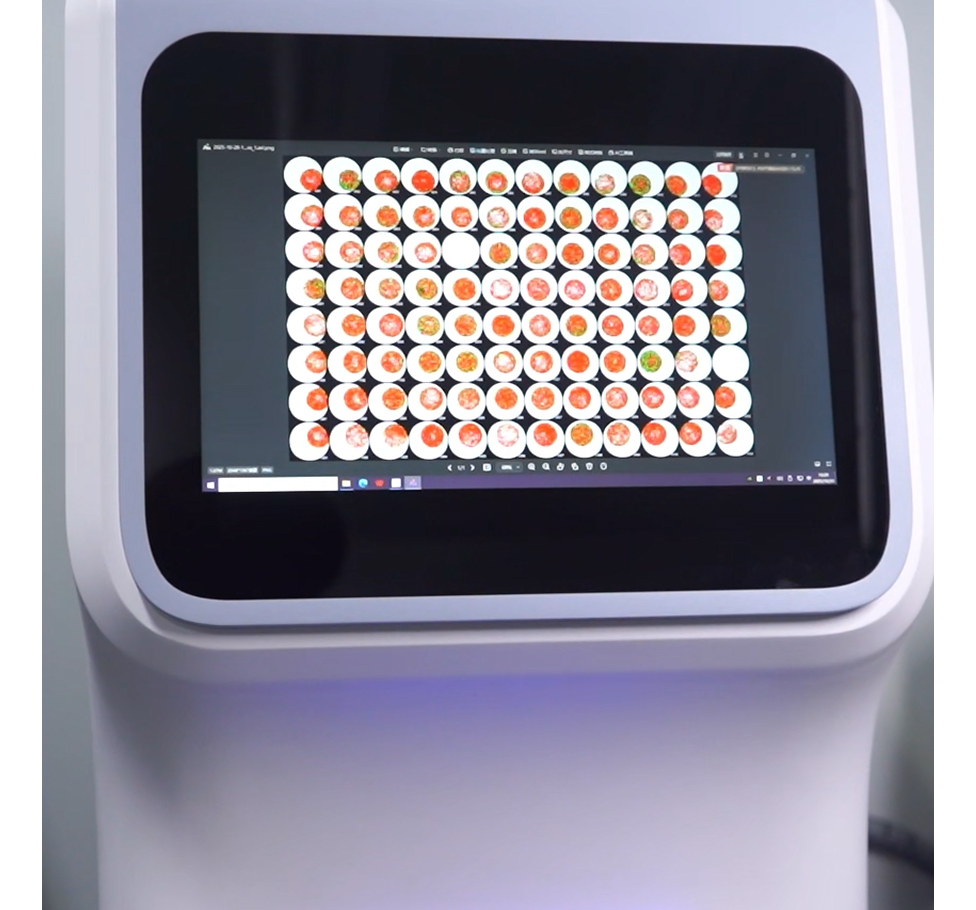
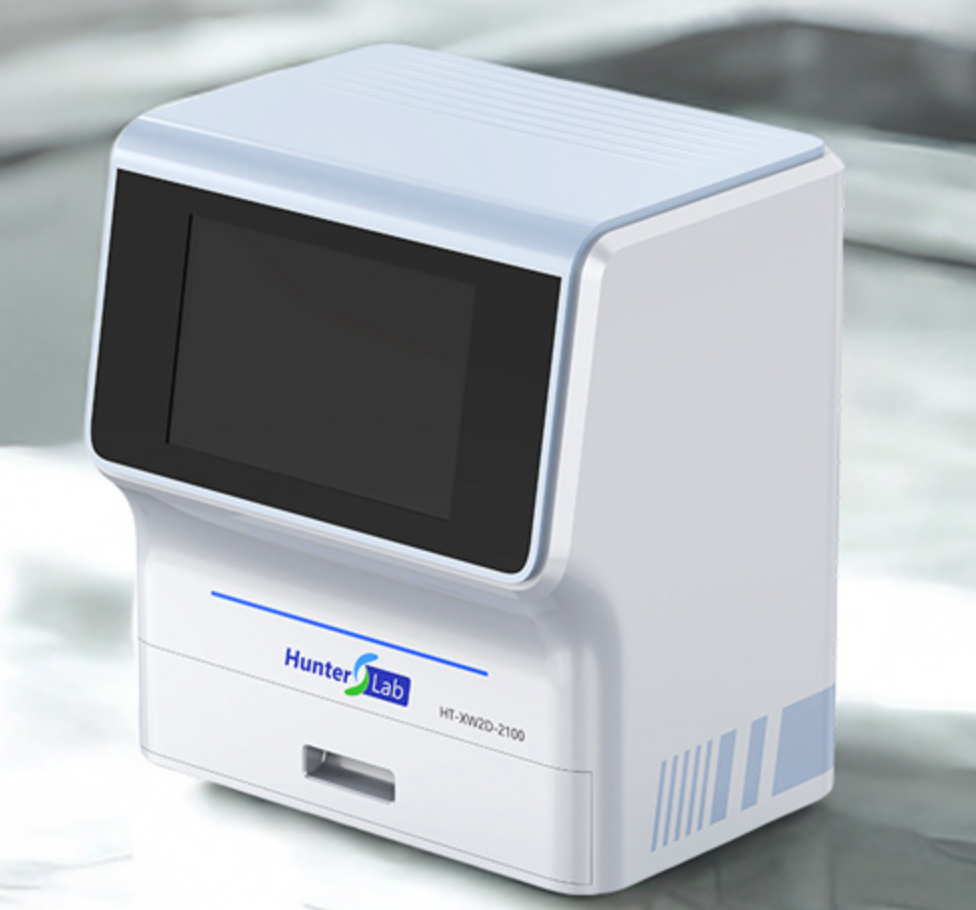
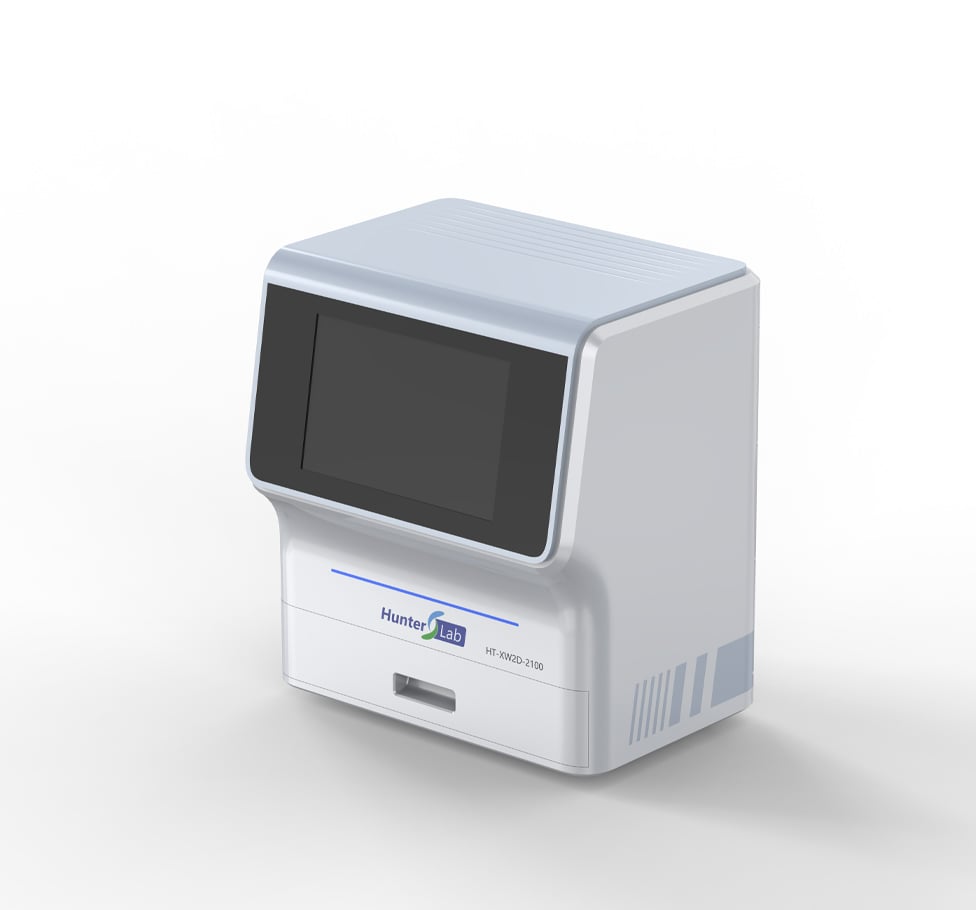
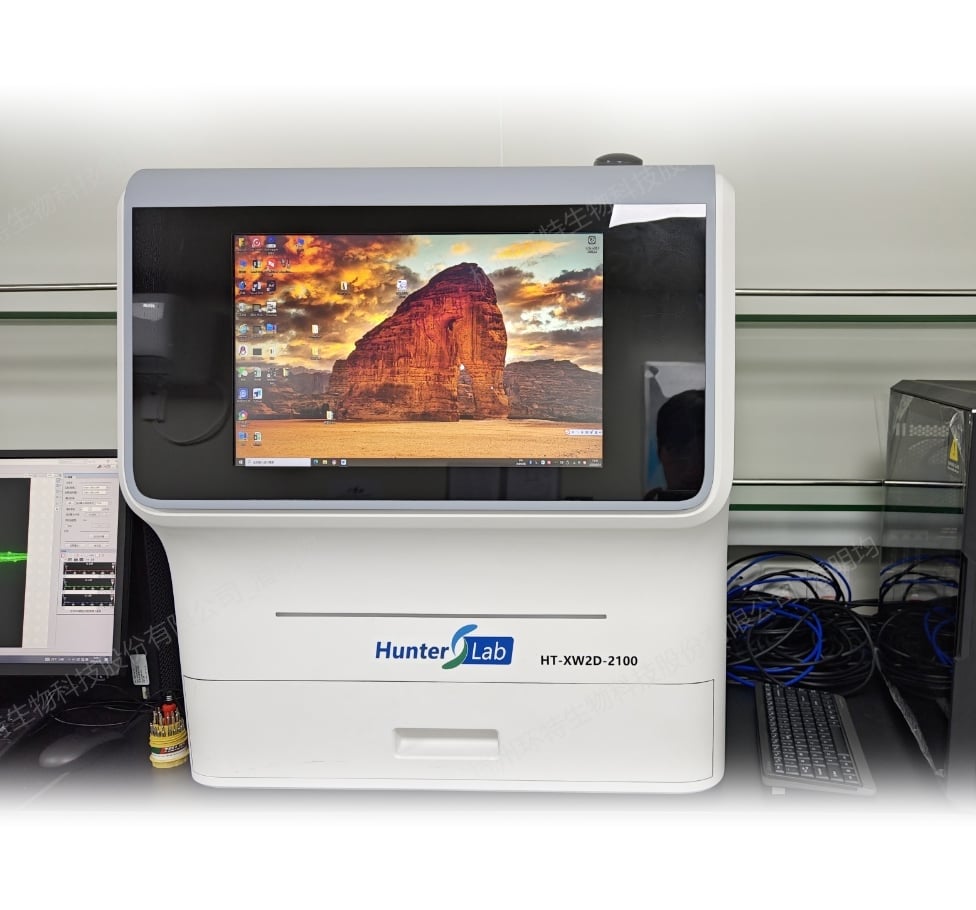
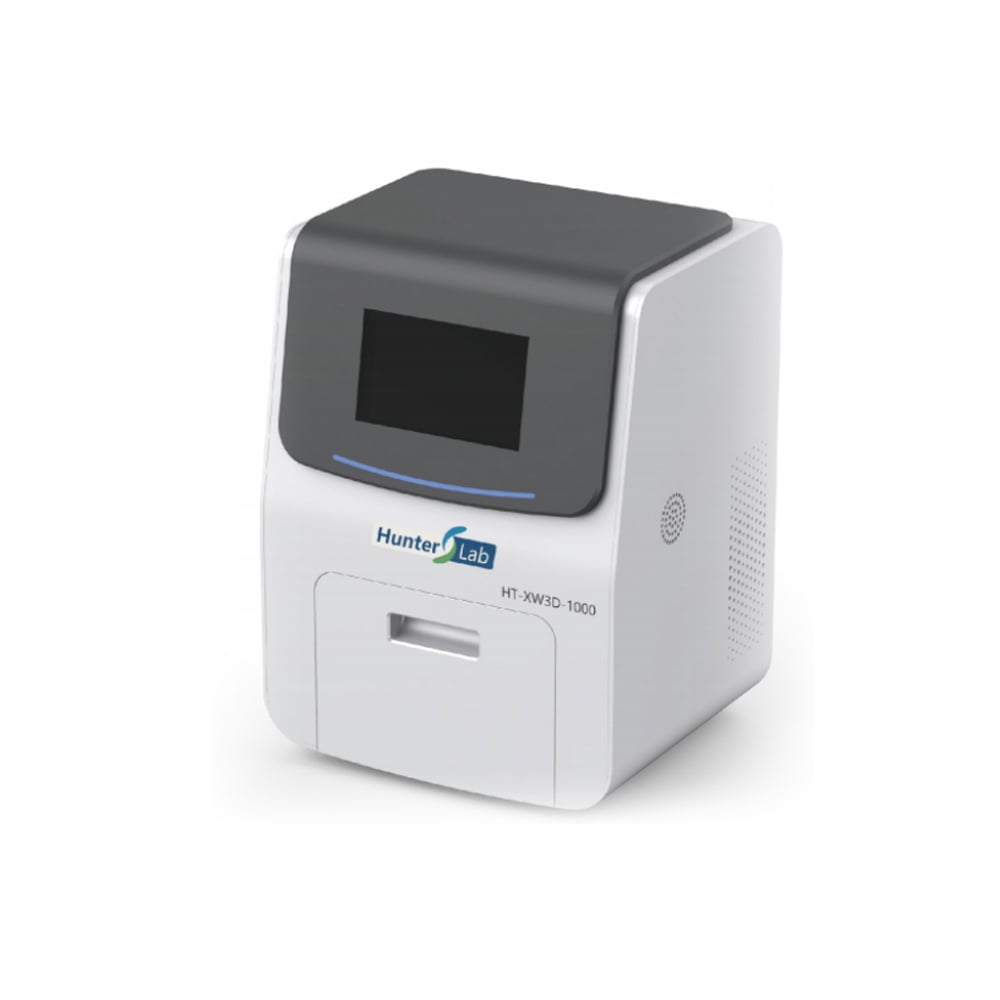
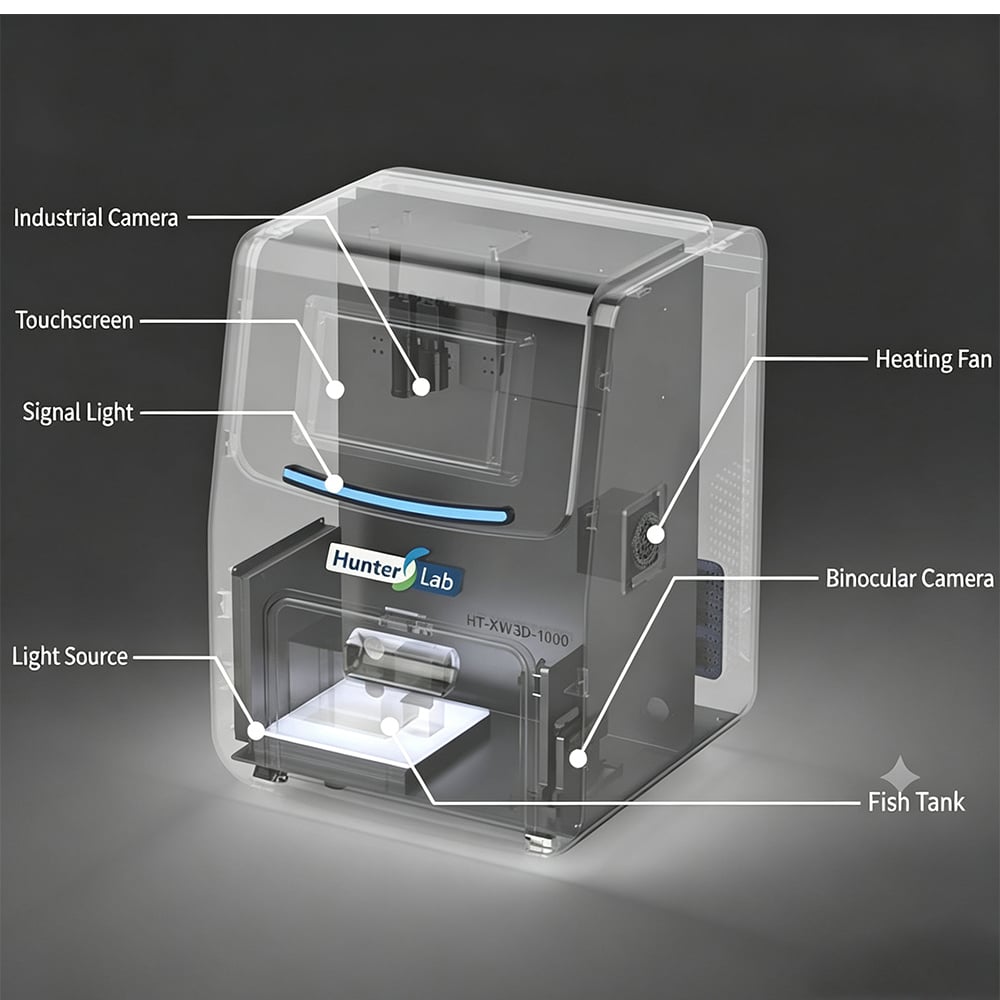
The Zebrafish High-Throughput 2D Behavioral Analysis System is an automated tracking platform designed for larval and adult zebrafish studies across neuroscience, toxicology, and drug screening. Combining a 2-megapixel machine-vision camera (up to 60 fps), parallel capacity for up to 12 multiwell plates (6, 24, and 96-well), and configurable environmental modules (light, vibration, temperature, acoustic), it simultaneously tracks over 1,000 subjects. The system generates comprehensive movement metrics, trajectory maps, and heatmaps, exporting structured data to Excel to streamline high-throughput behavioral research workflows.
The Zebrafish High-Throughput 2D Behavioral Analysis System is an automated platform for laboratories that need a structured way to observe zebrafish movement and convert video records into usable behavioral data. This zebrafish behavioral analysis system combines 2D tracking, machine-vision imaging, configurable stimulation options, and behavioral analysis software in one workflow. It is intended for larval and adult zebrafish studies involving activity monitoring, locomotor assessment, neuroscience research, toxicological assessment, and screening-oriented projects.
Behavioral studies often require researchers to compare movement patterns across groups, time windows, or test conditions. Manual observation can make that process slow and can introduce differences in recording practice between observers. The zebrafish video tracking system supports digital recording of movement within an observation plane and organizes selected data into visual and quantitative outputs. It provides a repeatable framework for capturing behavioral information alongside the laboratory's own study design, controls, and review procedures.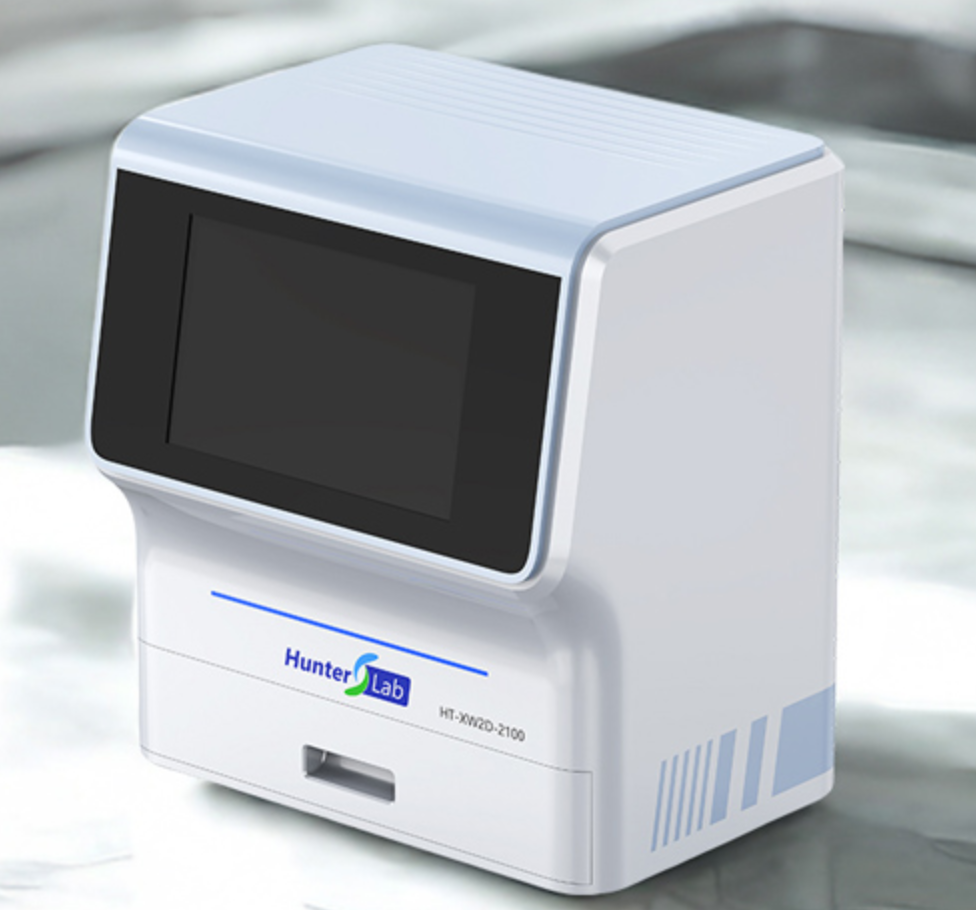
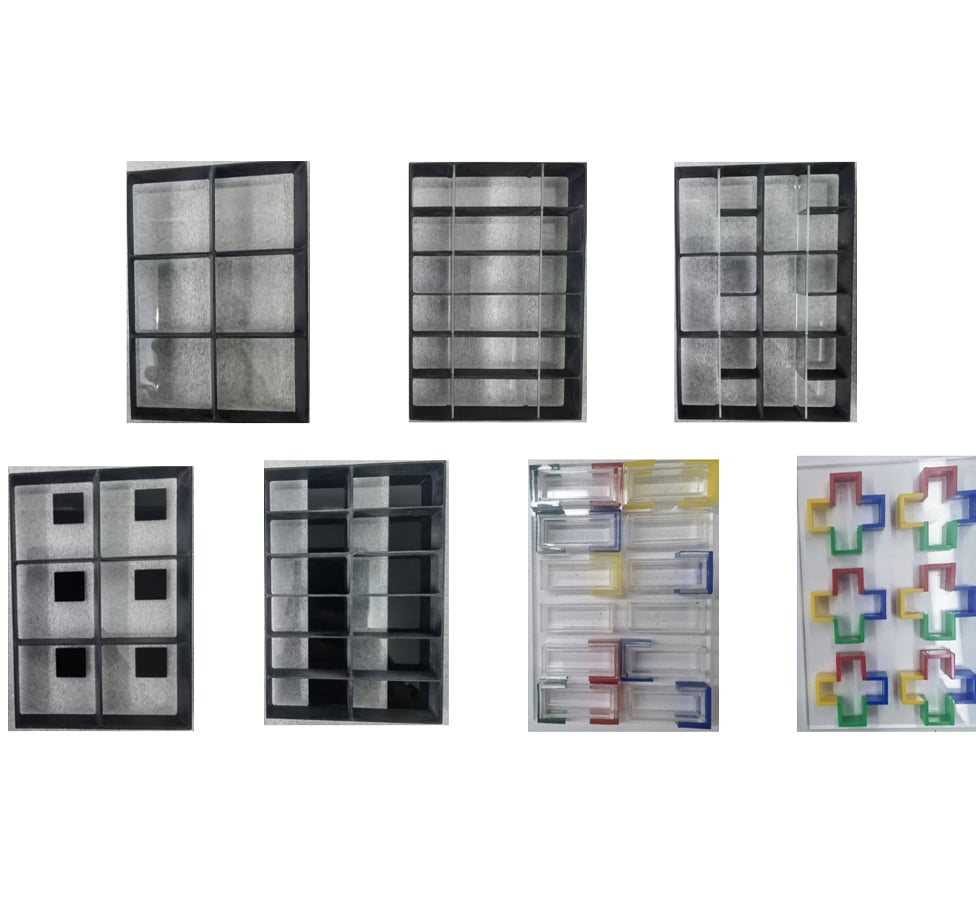
This high-throughput zebrafish analysis platform is designed for simultaneous observation of multiple zebrafish in a shared 2D plane. It supports standard 6-well, 24-well, and 96-well microplates, and the supplied product information also lists selected custom behavioral apparatuses such as plus mazes and T-mazes. This flexibility can help laboratories move between microplate-based studies and tailored behavioral tasks while keeping a familiar data-review workflow.
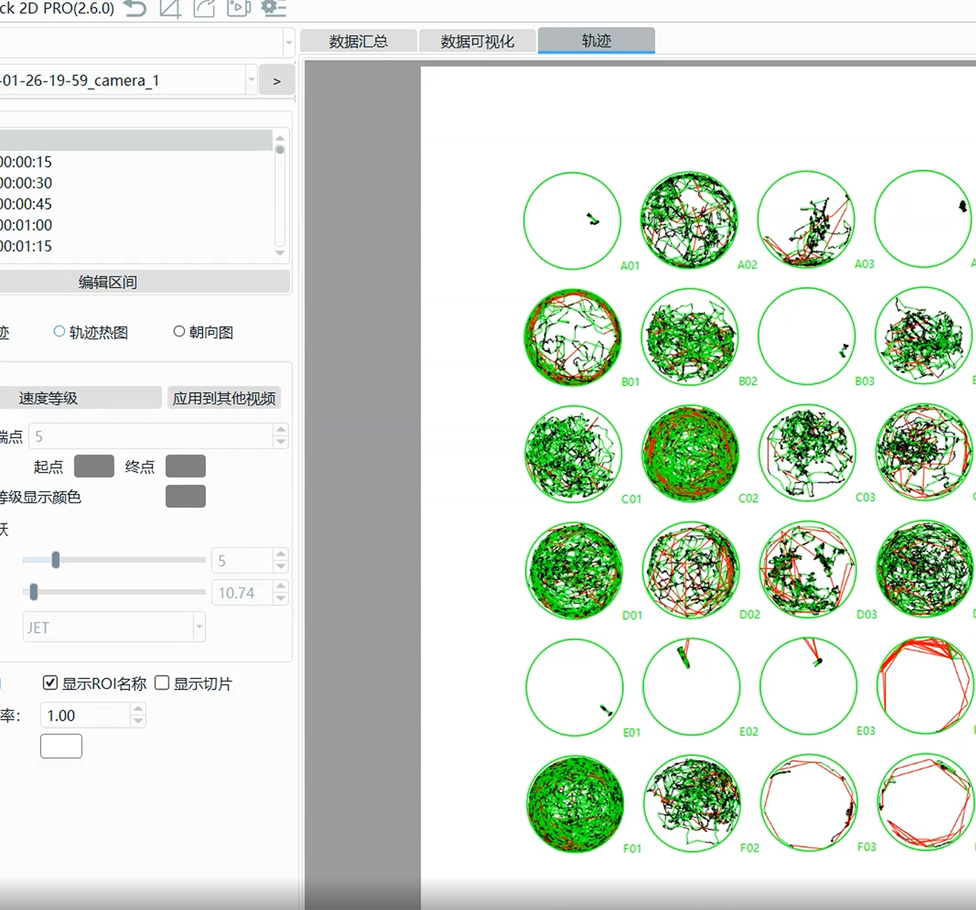
Researchers can define analysis zones, such as central and peripheral areas, and select the time intervals relevant to a study. The behavioral analysis software organizes recorded movement into parameters that can be reviewed with trajectory maps, activity-density heatmaps, and event-driven video playback. This helps teams compare groups, review records, and retain visual context for discussions and reporting.
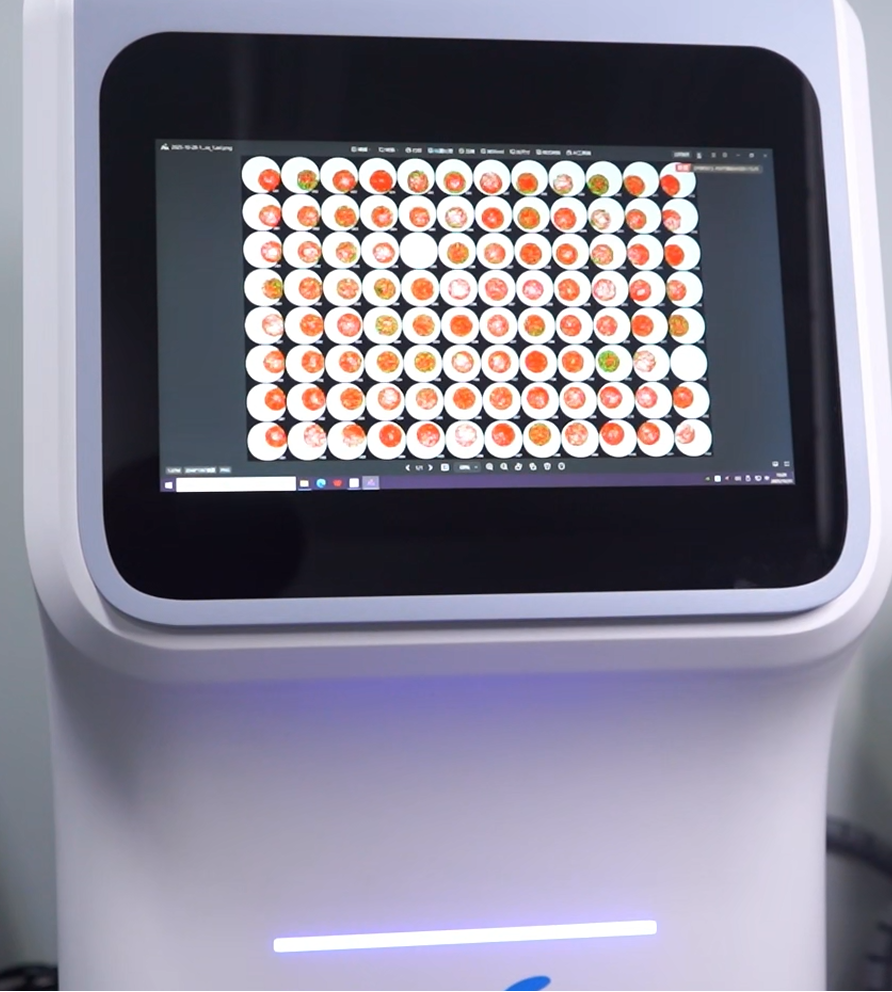
A zebrafish behavioral analysis system is valuable not only for recording motion, but also for linking observation, experimental stimulation, data review, and export. High-frequency imaging can capture rapid movement changes when timing matters to a study. Depending on the experimental protocol, researchers can review movement distance, speed bands, acceleration, freezing time, swimming time, body-bending angles, head-rotation angles, and other available parameters.
The stimulation configuration gives research teams options for building controlled study environments. The programmable light module can support scheduled light changes, sunrise or sunset simulation, high-intensity light exposure, and dark-flash study designs. The vibration module can be used in startle-response workflows, while the acoustic module supports experiments using different sound frequencies and decibel settings. For thermal study designs, the water-temperature module is specified for a 4°C to 40°C control range. Researchers remain responsible for selecting appropriate protocols, welfare measures, and study conditions.
Behavioral analysis software is a central part of this zebrafish locomotor tracking workflow. It can generate speed-based trajectory maps and heatmaps that show where activity is concentrated. Event-driven playback lets teams revisit recorded segments during review. Results can be exported to formats compatible with Microsoft Excel and OpenOffice for additional analysis, internal documentation, academic records, or reporting workflows.
| Parameter | Specified Detail |
|---|---|
| Product Type | High-throughput 2D zebrafish behavioral analysis system |
| Supported Subjects | Larval and adult zebrafish |
| Imaging Resolution | Up to 2 megapixels; maximum 1624 × 2240 |
| Acquisition Rate | Up to 60 fps |
| Parallel Plate Capacity | Up to 12 multiwell microplates |
| Target Tracking Capacity | More than 1,000 target animals concurrently, as specified |
| Compatible Plates | 6-well, 24-well, and 96-well microplates |
| Temperature Control Range | 4°C to 40°C |
| Data Export | Formats compatible with Microsoft Excel and OpenOffice |
| Minimum Order Quantity | 1 unit |
The high-throughput zebrafish analysis workflow can generate multiple views of movement and activity. Available outputs include trajectory maps, heatmaps, average speed, maximum speed, average acceleration, maximum acceleration, total distance, and distance within low-, medium-, and high-speed bands. Researchers can also review the share of time spent in each speed band, transitions between speed bands, freezing time, swimming time, and swimming distance.
For more detailed behavioral observation, the zebrafish locomotor tracking workflow can include sleep-related metrics, body-bending angles, and head left- and right-rotation angles. The system also supports a 360-degree orientation rose plot divided into 45-degree sectors, showing orientation distribution in a defined analysis area. The relevance of each metric depends on the study objective and should be selected accordingly.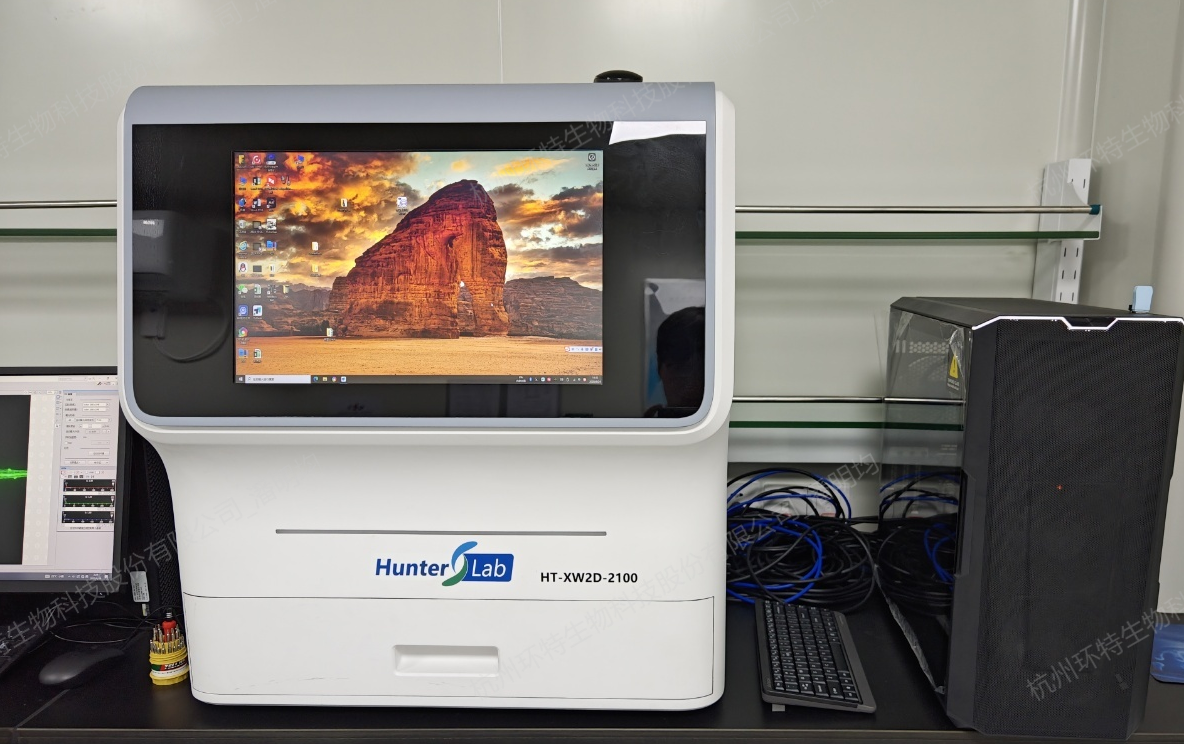
This zebrafish behavioral analysis system can support behavioral observation in neuroscience research, locomotor activity studies, toxicological assessment, and drug-screening workflows. It is suitable when teams need to compare activity before, during, or after a defined environmental condition. Microplate compatibility and configurable zones can also support routine movement studies requiring comparable observation conditions across groups.
For laboratories using custom tasks, compatibility with plus mazes and T-mazes broadens the types of zebrafish video tracking system workflows that can be considered. A laboratory may use microplates for higher-throughput observation and a maze-based setup for spatial or choice-related behavior, while retaining a consistent approach to digital tracking and visual output review.
For purchasing teams, the system brings together imaging, stimulation options, zebrafish locomotor tracking, and behavioral analysis software in one research platform. This can simplify equipment planning for laboratories that would otherwise coordinate separate recording and data-review tools. It can also support clearer handoffs between the person running an experiment and the person reviewing the data, because visual records and exported tables can be kept with project documentation.
For research managers, a standardized approach to movement-data capture can support more consistent internal comparisons across repeated studies. The system is laboratory research equipment rather than a clinical diagnostic device, and experimental conclusions should be based on the user's validated methods, controls, and scientific review.
The supplied product information states that the system can be used for larval and adult zebrafish behavioral experiments.
The source lists standard 6-well, 24-well, and 96-well microplates, plus selected custom setups such as plus mazes and T-mazes.
Available outputs include trajectories, heatmaps, speed and distance metrics, acceleration metrics, activity-time measures, orientation plots, and video playback for review.
Yes. The supplied information states that results can be exported in formats compatible with Microsoft Excel and OpenOffice.
Contact our team to discuss the zebrafish behavioral analysis system, your planned plate format, study workflow, and preferred stimulation configuration.
The Zebrafish High-Throughput 2D Behavioral Analysis System is an automated tracking platform designed for larval and adult zebrafish studies across neuroscience, toxicology, and drug screening. Combining a 2-megapixel machine-vision camera (up to 60 fps), parallel capacity for up to 12 multiwell plates (6, 24, and 96-well), and configurable environmental modules (light, vibration, temperature, acoustic), it simultaneously tracks over 1,000 subjects. The system generates comprehensive movement metrics, trajectory maps, and heatmaps, exporting structured data to Excel to streamline high-throughput behavioral research workflows.
This is a title description that can briefly introduce the module.
We offer comprehensive, full-lifecycle services, including initial consultation, site planning, equipment selection, installation, hands-on training, application support, and long-term O&M.No matter your team's background, our standardized training and instant technical support guarantee equipment readiness and rapid onboarding. We handle the technicalities so you can focus on your core experiments.

Seamlessly integrating water circulation and temperature control systems to deliver scientific, compliant, and high-efficiency customized space designs.

Independent R&D and supply of over 10 categories of cutting-edge scientific instruments, spanning the three core pillars of zebrafish research: housing, manipulation, and analysis. Our portfolio includes digital smart housing systems, high-throughput 2D/3D behavioral analysis systems, panoramic in vivo imaging platforms, and forced swim systems. Powered by high-throughput, high-precision hardware and software, we comprehensively accelerate your scientific breakthroughs.

Our veteran engineering team handles standardized installation and hardware calibration on-site. We seamlessly connect your core digital networks—such as water recirculation, light control, and behavioral analysis—ensuring all experimental systems operate at peak performance from day one.

We provide a professional training system that encompasses standardized operations for smart scientific instruments and data analysis software, alongside scientific husbandry techniques for the entire zebrafish lifecycle, water quality environmental control, and daily maintenance protocols. This comprehensive curriculum empowers research teams to rapidly and independently conduct their experiments.
Dive into real-world laboratory use cases to explore how our zebrafish experimental equipment empowers life science research and industrial innovation, accelerating the translation and real-world impact of your scientific breakthroughs.

Empowering universities and research institutes to optimize biomedical research workflows. We provide high-precision, high-efficiency experimental hardware and digital workflow support for deep explorations in developmental biology, genetics, and disease modeling.
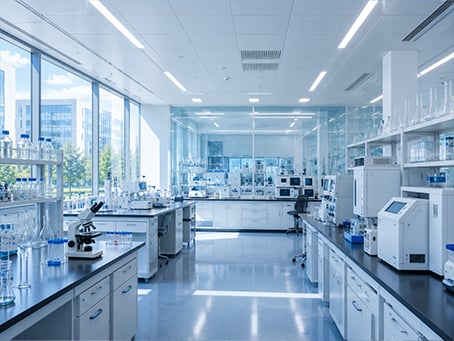
Leveraging high-throughput behavioral analysis and imaging systems, we provide pharmaceutical companies and research institutions with efficient, early-stage drug efficacy and safety assessments, significantly shortening R&D cycles and reducing drug discovery costs.

Widely applied in modern water quality monitoring, environmental toxicology assessments, as well as the safety and efficacy evaluation of food, cosmetics, and nutraceuticals, delivering smart digital testing solutions that comply with standardized protocols.
