 EN
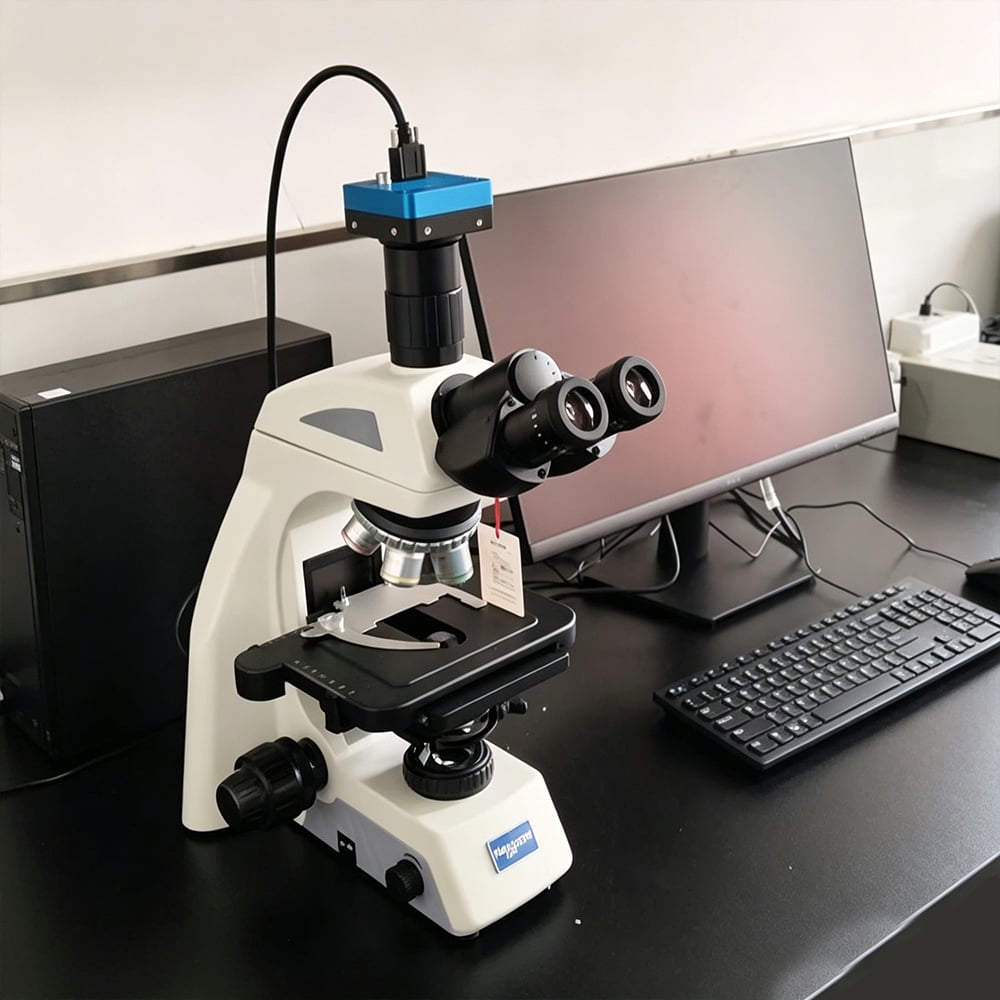
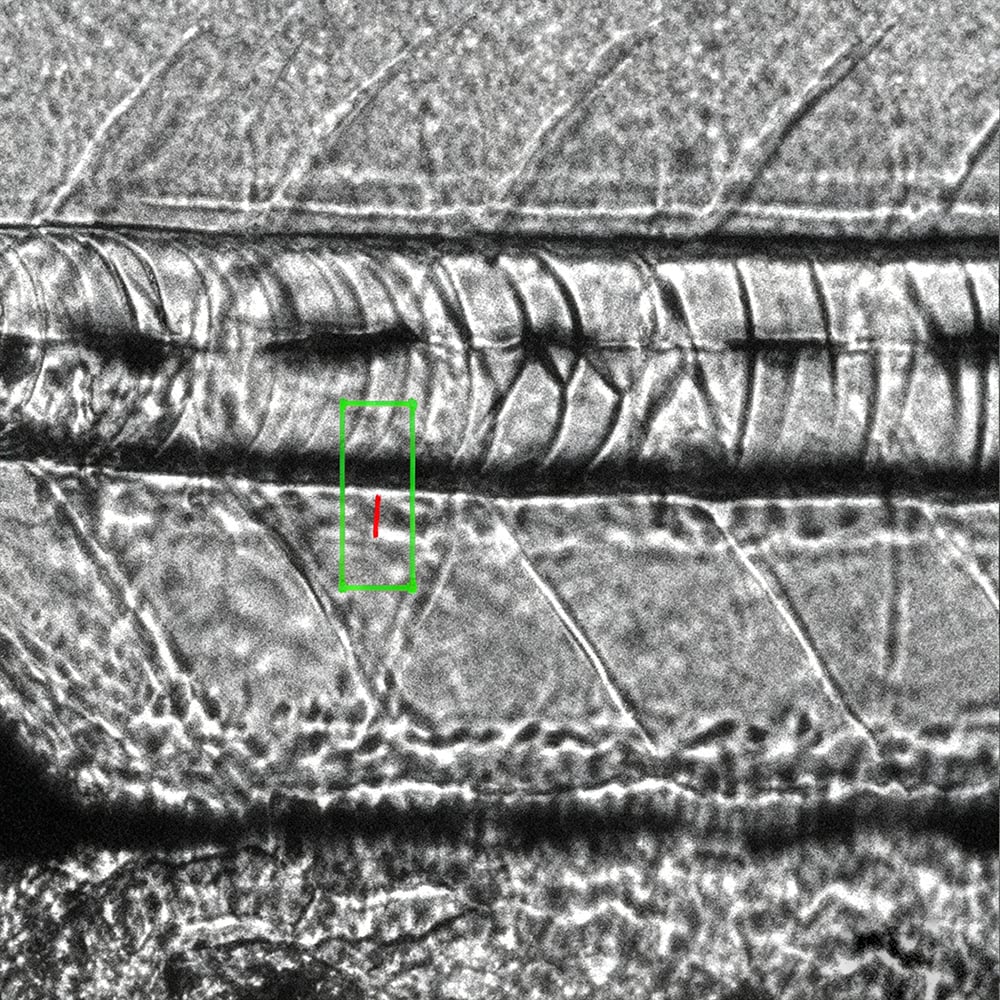
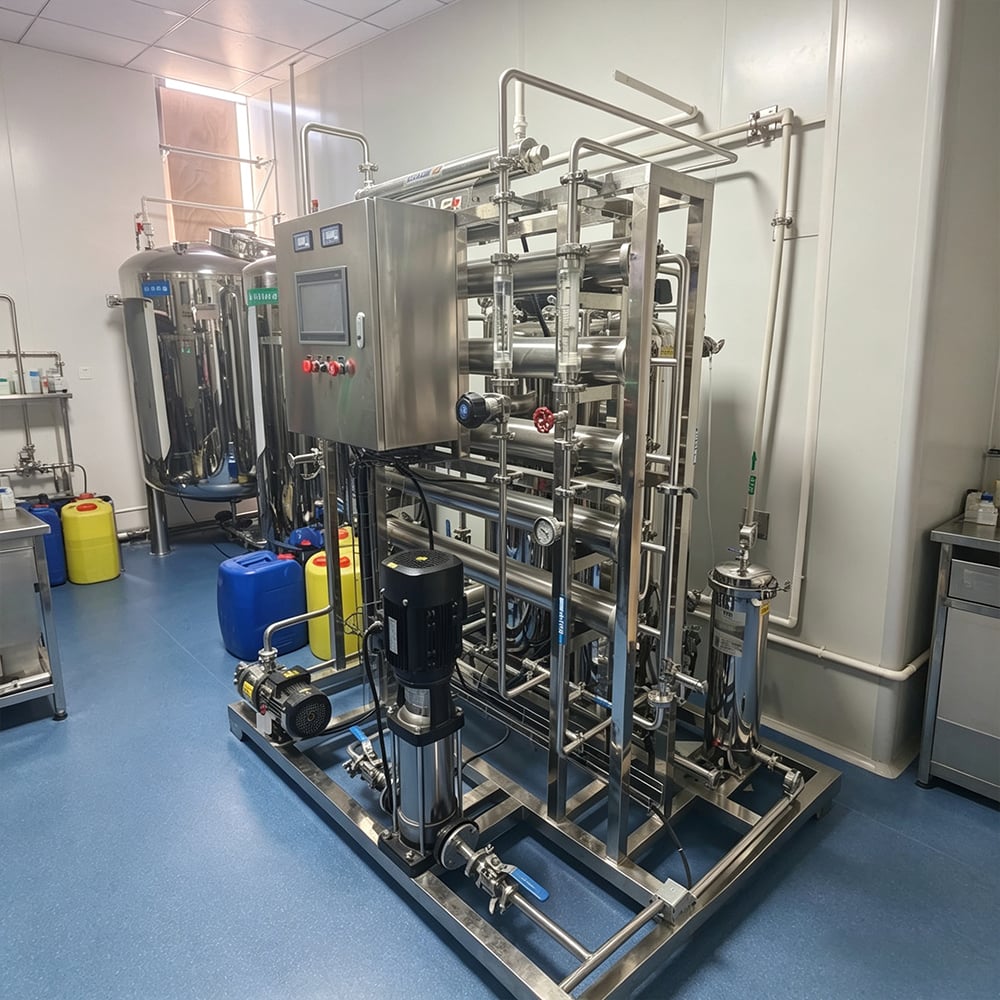
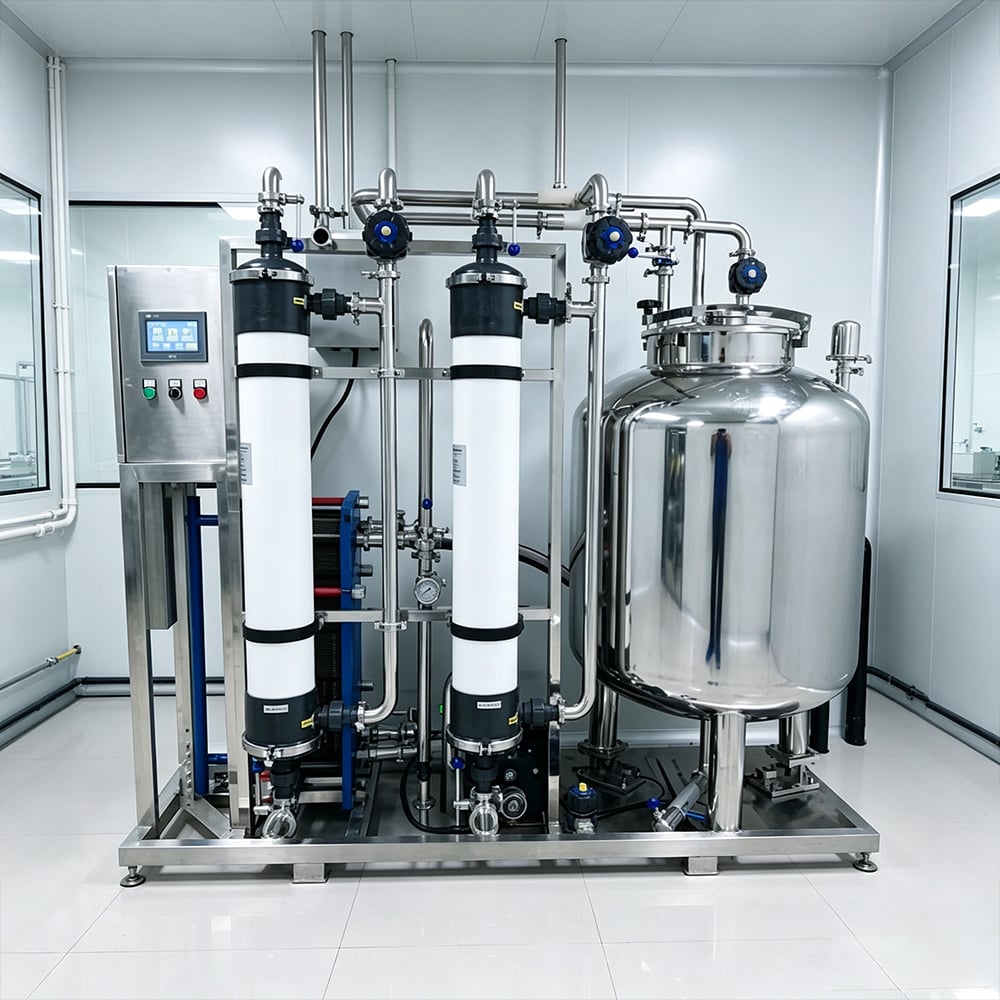
Laboratory Layout & Design
Seamlessly integrating water circulation and temperature control systems to deliver scientific, compliant, and high-efficiency customized space designs.

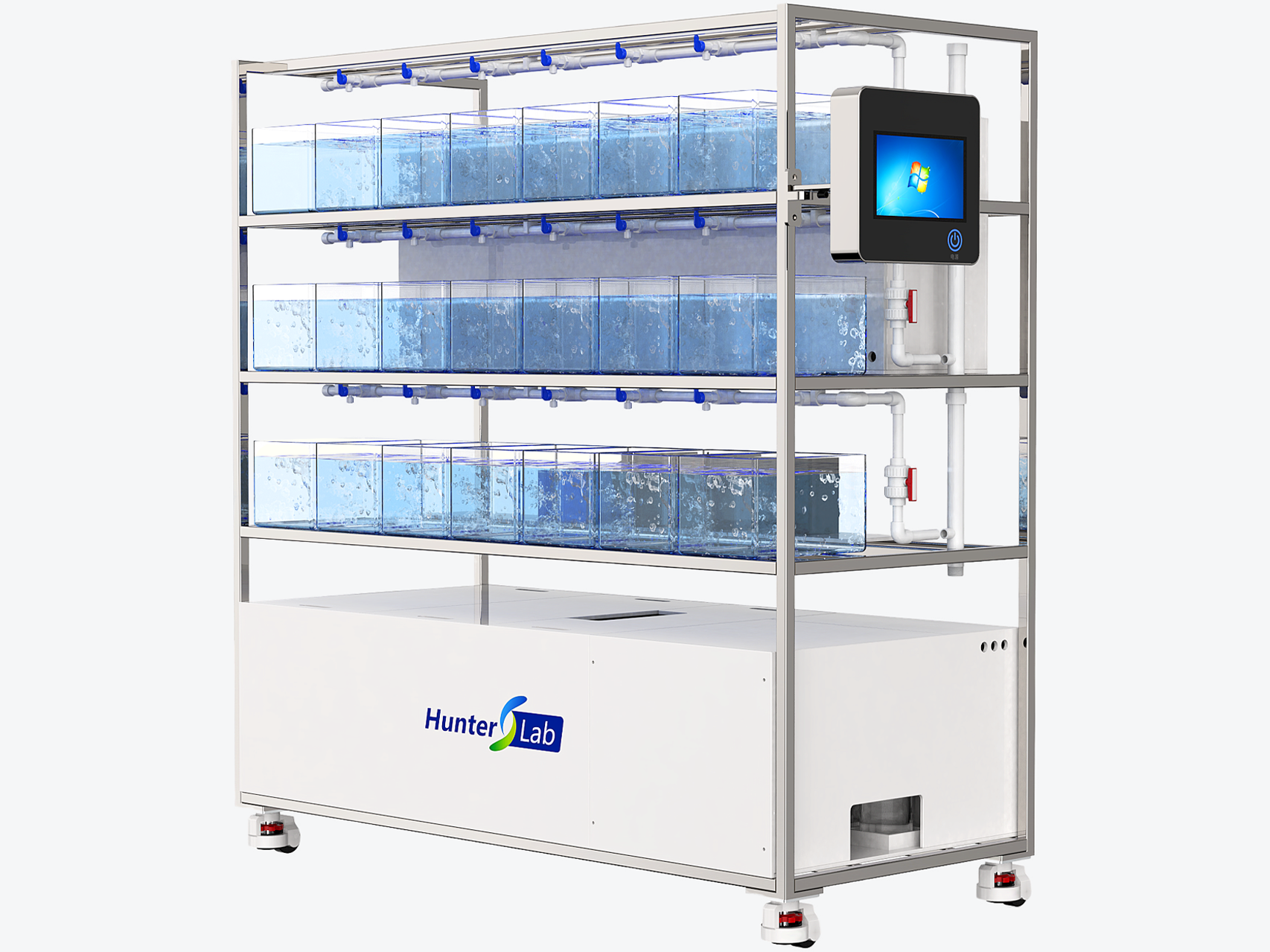
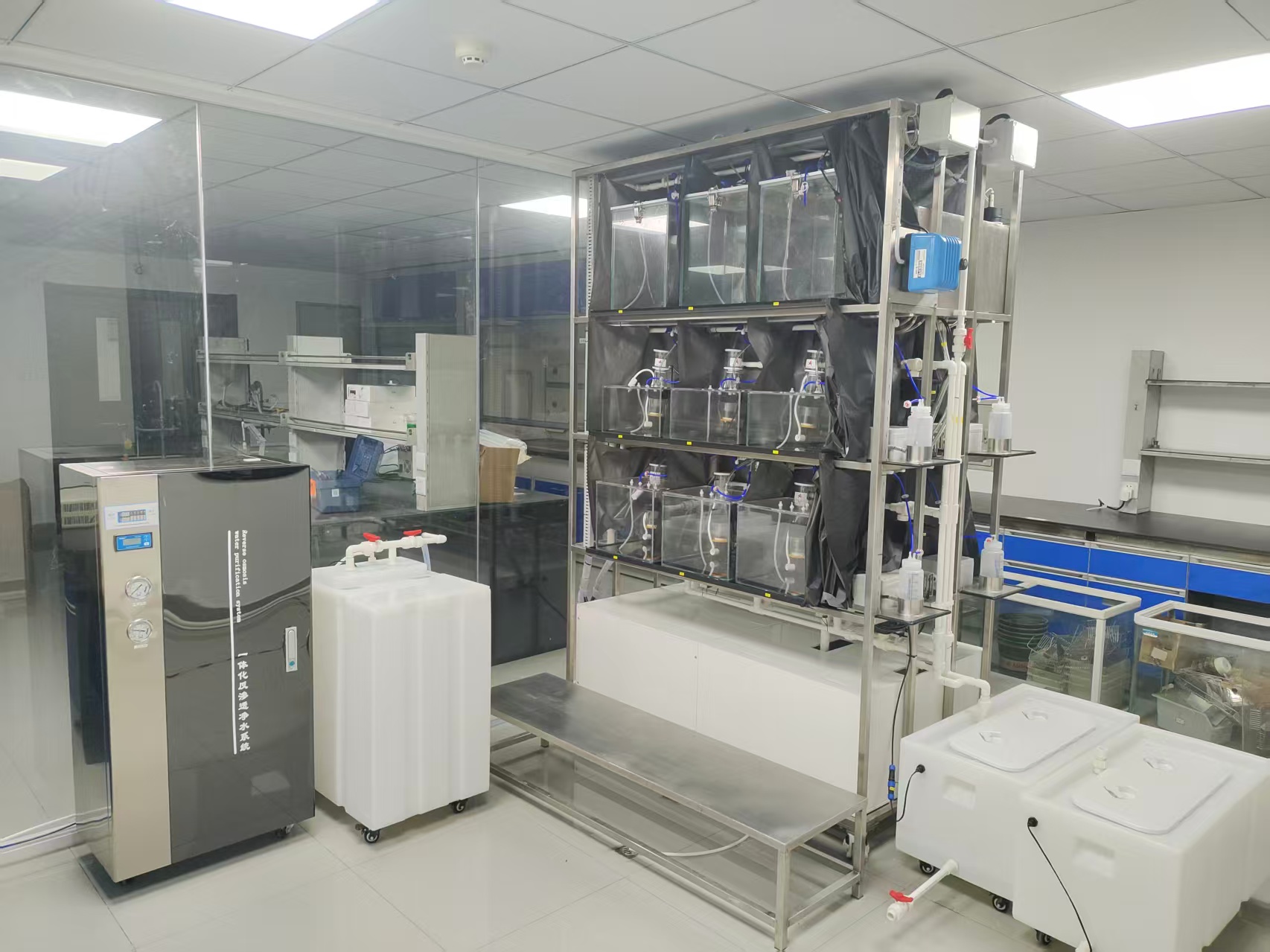
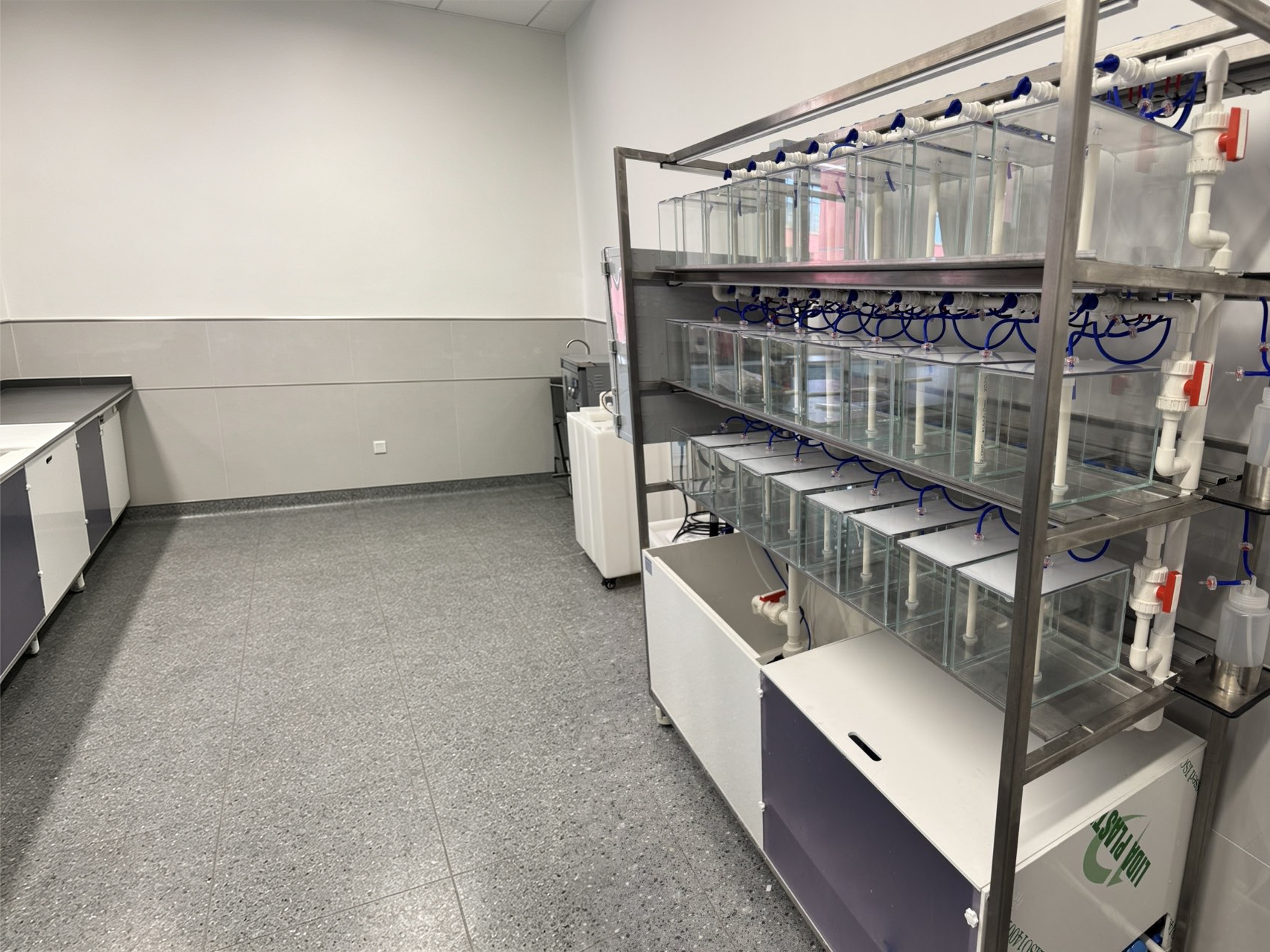
The Zebrafish Toxicology Exposure System is a standardized, modular exposure platform engineered for aquatic model-organism toxicology research. Built around a 316L stainless-steel frame with food-grade U-PVC plumbing, the system integrates two parallel rows of three tiers to provide 6 independently operable experimental units, each containing three high-transmittance glass aquaria (5 L or 10 L selectable) for triplicate parallel exposure. Integrated features include programmable dosing, individual temperature control, automatic drainage, photoperiod simulation, and online water-quality monitoring with 24-hour data logging. The platform supports static, semi-static, and flow-through exposure regimes, enabling simultaneous parallel testing at 6 different concentrations with full experimental reproducibility, operational safety, and data traceability for chemical ecotoxicology assessment, early drug safety evaluation, environmental pollutant screening, and developmental toxicology studies.
The right zebrafish toxicology system for your lab depends on regulatory context, study design, and throughput requirements. The Zebrafish Toxicology Exposure System is a programmable aquatic exposure platform built specifically for laboratory-scale zebrafish toxicology studies. Housed in a 316L stainless-steel frame with chemical-resistant U-PVC plumbing, it delivers six independent experimental groups—each containing three replicate aquaria (5 L or 10 L selectable)—within a dual-row, three-tier footprint. On-board water preparation, programmable dosing, automatic drainage, photoperiod lighting, and real-time water quality monitoring (pH, conductivity, temperature, salinity) produce OECD- and GB/T-compliant exposure conditions. Labs that need simultaneous multi-concentration parallel design with per-group isolated drainage and automated water quality logging will find this zebrafish toxicology system covers the core hardware requirements for pharmaceutical drug safety screening, environmental ecotoxicology, and developmental toxicology—without requiring separate housing and exposure infrastructure.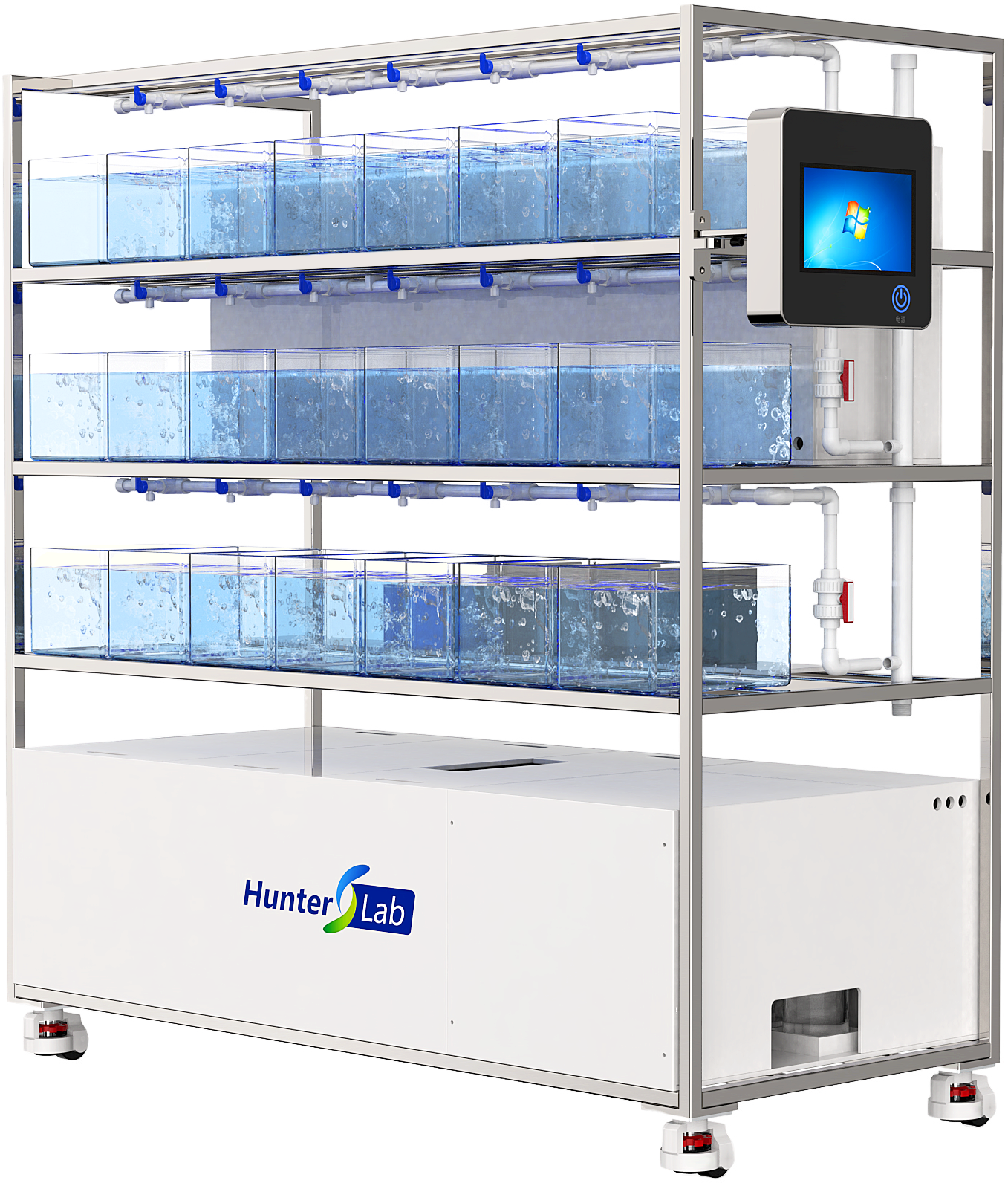
| Parameter | Specification |
|---|---|
| Frame | 316L stainless-steel square-tube, wall ≥2 mm |
| Plumbing | Chemical-resistant U-PVC, corrosion-resistant interior |
| Experimental Groups | 6 independent groups (2 rows × 3 tiers) |
| Aquaria per Group | 3 replicate units, 5 L or 10 L selectable |
| Dosing Bottles | 1000 mL sealed dosing bottles per group |
| pH Resolution | 0.01 |
| Conductivity Range | 0–2000 µS/cm |
| Aeration | ≥2.5 L/min per aquarium, independent flow regulation |
| Power Supply | 220 V / 50 Hz / 25 A, residual-current circuit breaker |
| Water Reservoirs | ≥1000 mL each (brine and conditioning) |
| Exposure Modes | Static, semi-static, flow-through |
| Data Logging | 24-hour continuous, user-defined alarm thresholds |
Each of the six exposure groups in this zebrafish toxicology system operates with its own dedicated dosing pump, screw-feed mixing mechanism, and 1000 mL sealed dosing bottle. PC top covers with quick-disconnect ports support both automatic and manual dosing. A bottom auto-drain enables programmable water exchange cycles with a liquid-level safety cutoff. Labs consistently report that per-group isolated drainage is a key structural factor in preventing inter-group contamination across study types. Most labs running an OECD-compliant exposure platform treat isolated drainage as non-negotiable—particularly in semi-static and flow-through protocol designs where shared overflow systems introduce uncontrolled compound transfer.
This zebrafish toxicology system integrates an industrial-grade pH electrode (resolution 0.01), conductivity sensor (0–2000 µS/cm), temperature probe, and salinity sensor with 24-hour continuous logging and user-configurable alarm thresholds. In raw water quality logs, you can sometimes see a gradual shift in conductivity across an experimental week—a signal that source water composition changed between preparation sessions, not a failure of the test substance. The on-board water-preparation station addresses this directly: purified water is automatically blended with salt solution and adjusted to zebrafish holding specifications using two ≥1000 mL reservoirs (brine and conditioning). This approach works well under most facility water conditions; if your municipal supply shows significant seasonal variation, the automated preparation station addresses one of the most common manual preparation variability sources in aquatic ecotoxicology equipment workflows.
One zebrafish toxicology system supports static, semi-static, and flow-through exposure protocols—enabling acute (96-hour), sub-chronic, and chronic testing under OECD, GB/T, and other regulatory frameworks without hardware reconfiguration. Programmable photoperiod lighting with sunrise/sunset ramp simulation and an optional automatic feeder reduce daily manual intervention during multi-week chronic studies. A color HMI displays real-time water quality parameters and 24-hour records; for pharmaceutical QA review, the on-board logged parameter history provides audit trail documentation without manual transcription steps. Most labs deploying GLP-ready zebrafish lab hardware in drug safety screening system workflows find that consistent, automated environmental control is the baseline requirement—and that manual adaptation of general aquarium equipment rarely satisfies the documentation standards pharma QA teams require.
Regulatory agencies in several jurisdictions accept zebrafish-based ecotoxicology assays—making aquatic ecotoxicology equipment that supports multi-concentration parallel studies essential for compliance. The six independent groups in this zebrafish toxicology system allow simultaneous testing of five compound concentrations plus a control, or two test substances at three concentrations each, in a single run. Environmental testing customers typically require regulatory acceptance, sample matrix compatibility, and defensible parameter documentation. The system's multi-parameter continuous logging and independent group isolation address the traceability requirements that environmental compliance submissions demand.
From a drug discovery perspective, zebrafish toxicology systems are increasingly used to identify cardiotoxicity, hepatotoxicity, neurotoxicity, and developmental toxicity before the financial cost of late-stage mammalian study failures accumulates. This zebrafish toxicology system supports continuous exposure across embryonic, larval, juvenile, and adult developmental stages—enabling characterization of critical windows, endocrine disruption endpoints, and transgenerational effects. For submissions targeting regulated markets, zebrafish safety data supports preliminary screening conclusions when paired with complementary assay data; verify the applicable standards for your jurisdiction, as requirements continue to evolve. A programmable auto-drain and water-renewal cycle removes one of the most labor-intensive daily tasks in chronic drug safety screening system protocols.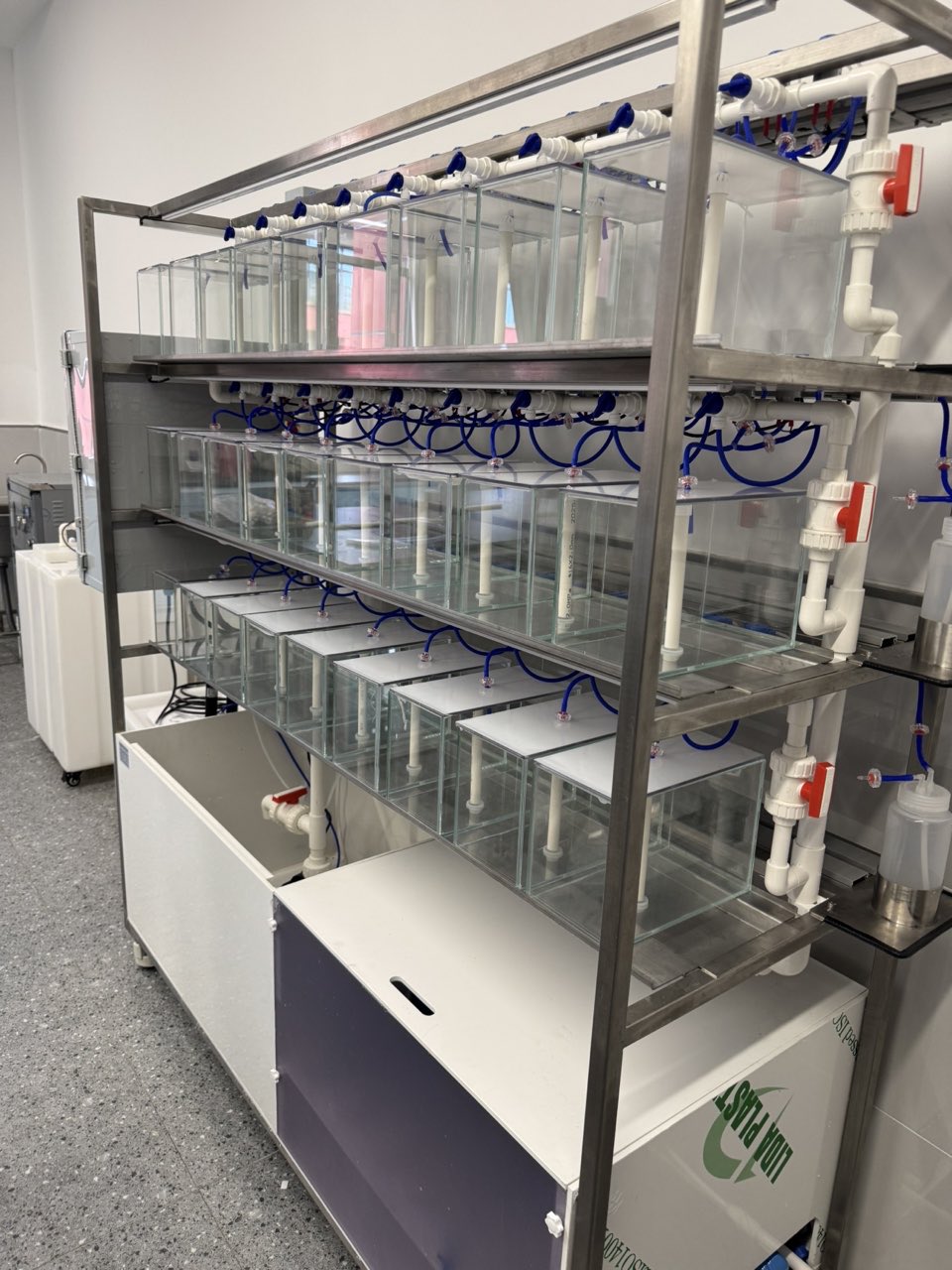
Selecting the right zebrafish toxicology system for GLP-adjacent environments means verifying that instrument provenance, documentation, and hardware compliance meet vendor qualification requirements. Hunter Lab supports pharmaceutical customers who need a commercially sourced, fully documented instrument that satisfies audit trail requirements home-built systems cannot meet. The 316L stainless-steel construction, fire-retardant wiring, international quality certification, and residual-current circuit breaker provide the baseline documentation that GLP-adjacent lab procurement teams require. Four caster wheels with leveling knobs allow easy relocation; an anti-slip step stool is included for safe operation at different tier heights. When the requirement is a zebrafish toxicology system that bridges academic research flexibility and GLP-adjacent documentation standards, this platform delivers both in a single integrated hardware solution.
The Zebrafish Toxicology Exposure System is a standardized, modular exposure platform engineered for aquatic model-organism toxicology research. Built around a 316L stainless-steel frame with food-grade U-PVC plumbing, the system integrates two parallel rows of three tiers to provide 6 independently operable experimental units, each containing three high-transmittance glass aquaria (5 L or 10 L selectable) for triplicate parallel exposure. Integrated features include programmable dosing, individual temperature control, automatic drainage, photoperiod simulation, and online water-quality monitoring with 24-hour data logging. The platform supports static, semi-static, and flow-through exposure regimes, enabling simultaneous parallel testing at 6 different concentrations with full experimental reproducibility, operational safety, and data traceability for chemical ecotoxicology assessment, early drug safety evaluation, environmental pollutant screening, and developmental toxicology studies.
This is a title description that can briefly introduce the module.
We offer comprehensive, full-lifecycle services, including initial consultation, site planning, equipment selection, installation, hands-on training, application support, and long-term O&M.No matter your team's background, our standardized training and instant technical support guarantee equipment readiness and rapid onboarding. We handle the technicalities so you can focus on your core experiments.

Seamlessly integrating water circulation and temperature control systems to deliver scientific, compliant, and high-efficiency customized space designs.

Independent R&D and supply of over 10 categories of cutting-edge scientific instruments, spanning the three core pillars of zebrafish research: housing, manipulation, and analysis. Our portfolio includes digital smart housing systems, high-throughput 2D/3D behavioral analysis systems, panoramic in vivo imaging platforms, and forced swim systems. Powered by high-throughput, high-precision hardware and software, we comprehensively accelerate your scientific breakthroughs.

Our veteran engineering team handles standardized installation and hardware calibration on-site. We seamlessly connect your core digital networks—such as water recirculation, light control, and behavioral analysis—ensuring all experimental systems operate at peak performance from day one.

We provide a professional training system that encompasses standardized operations for smart scientific instruments and data analysis software, alongside scientific husbandry techniques for the entire zebrafish lifecycle, water quality environmental control, and daily maintenance protocols. This comprehensive curriculum empowers research teams to rapidly and independently conduct their experiments.
Dive into real-world laboratory use cases to explore how our zebrafish experimental equipment empowers life science research and industrial innovation, accelerating the translation and real-world impact of your scientific breakthroughs.

Empowering universities and research institutes to optimize biomedical research workflows. We provide high-precision, high-efficiency experimental hardware and digital workflow support for deep explorations in developmental biology, genetics, and disease modeling.
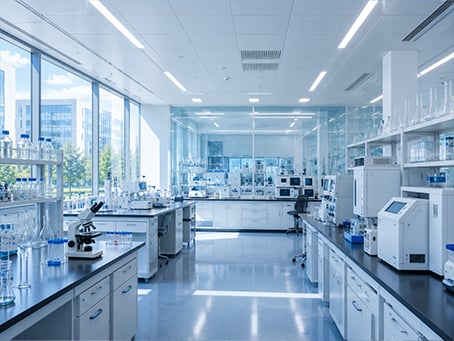
Leveraging high-throughput behavioral analysis and imaging systems, we provide pharmaceutical companies and research institutions with efficient, early-stage drug efficacy and safety assessments, significantly shortening R&D cycles and reducing drug discovery costs.
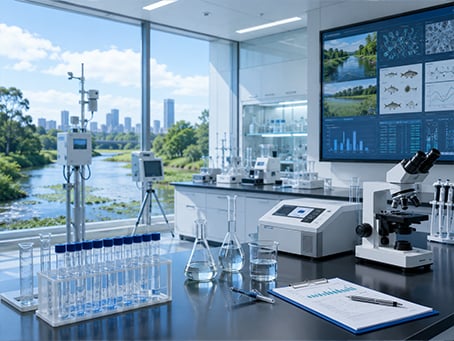
Widely applied in modern water quality monitoring, environmental toxicology assessments, as well as the safety and efficacy evaluation of food, cosmetics, and nutraceuticals, delivering smart digital testing solutions that comply with standardized protocols.
