 EN
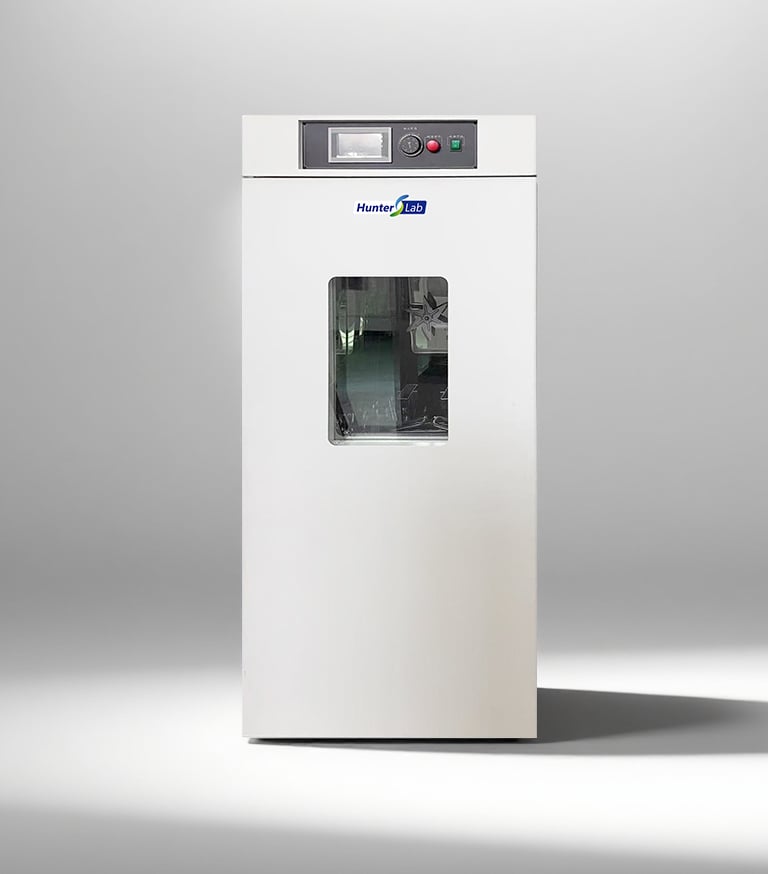
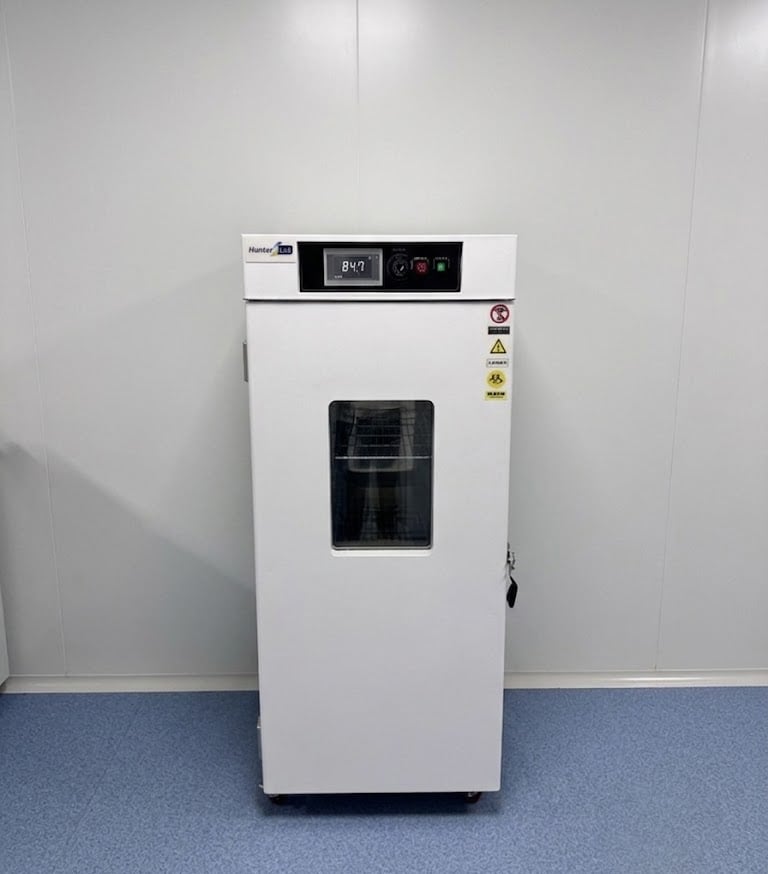
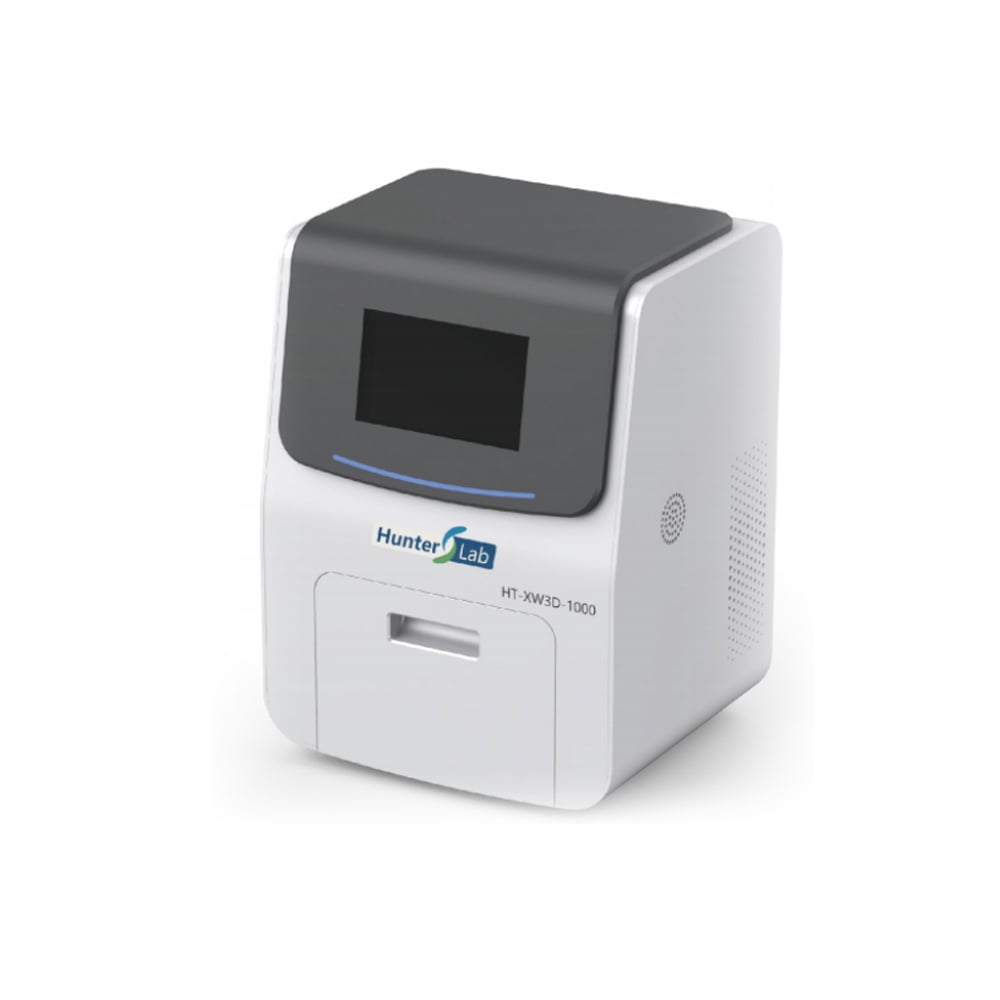
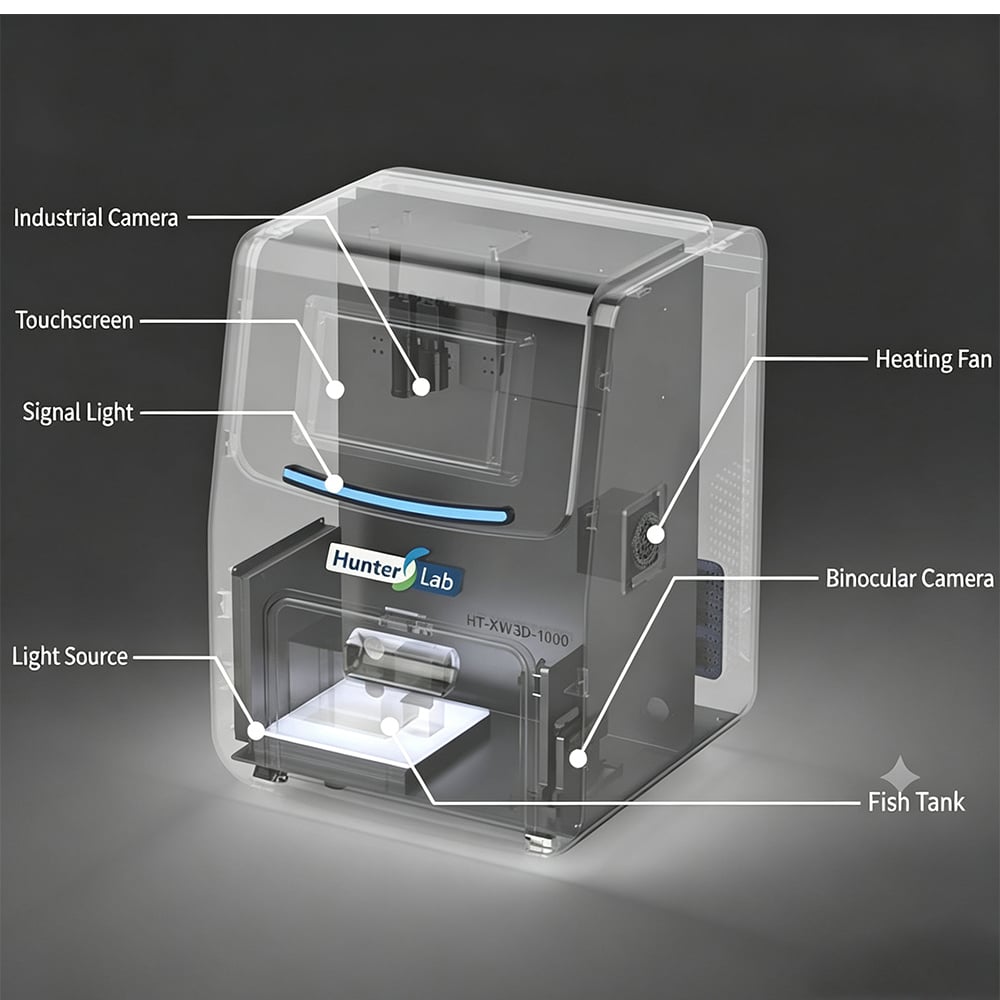
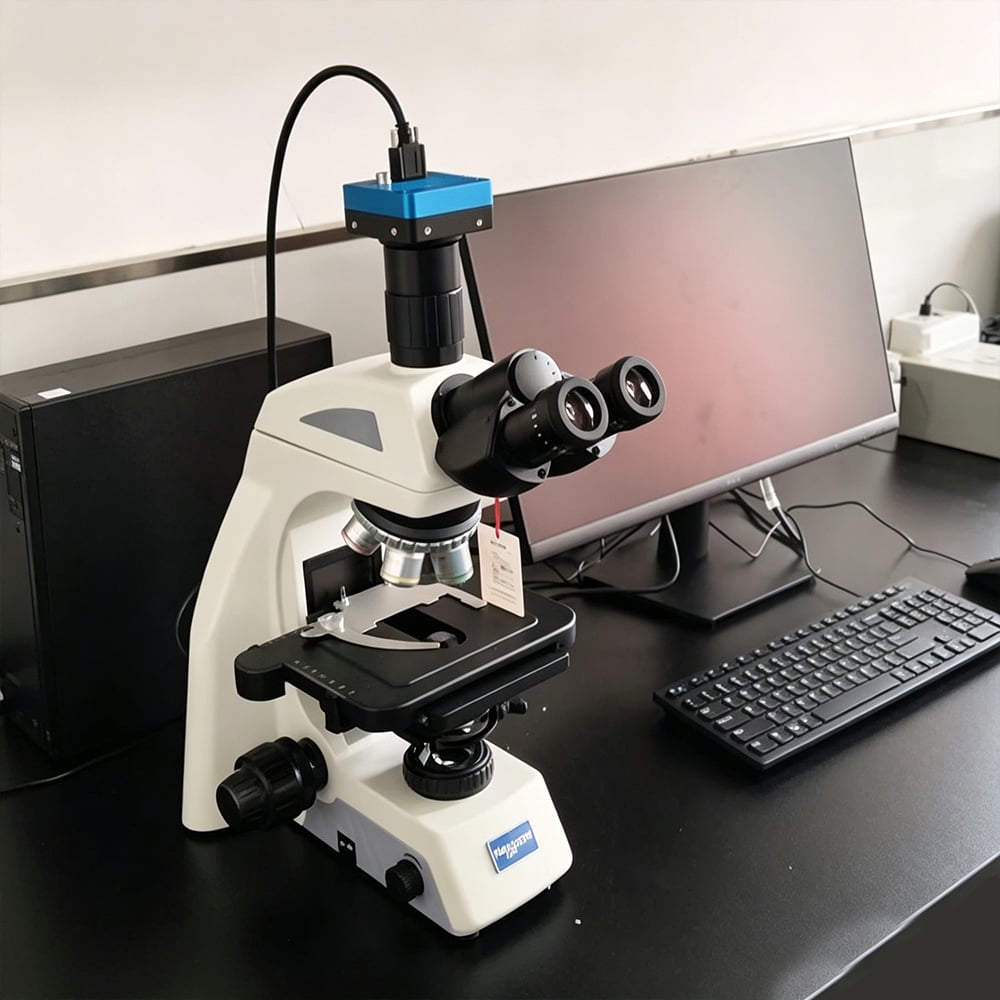
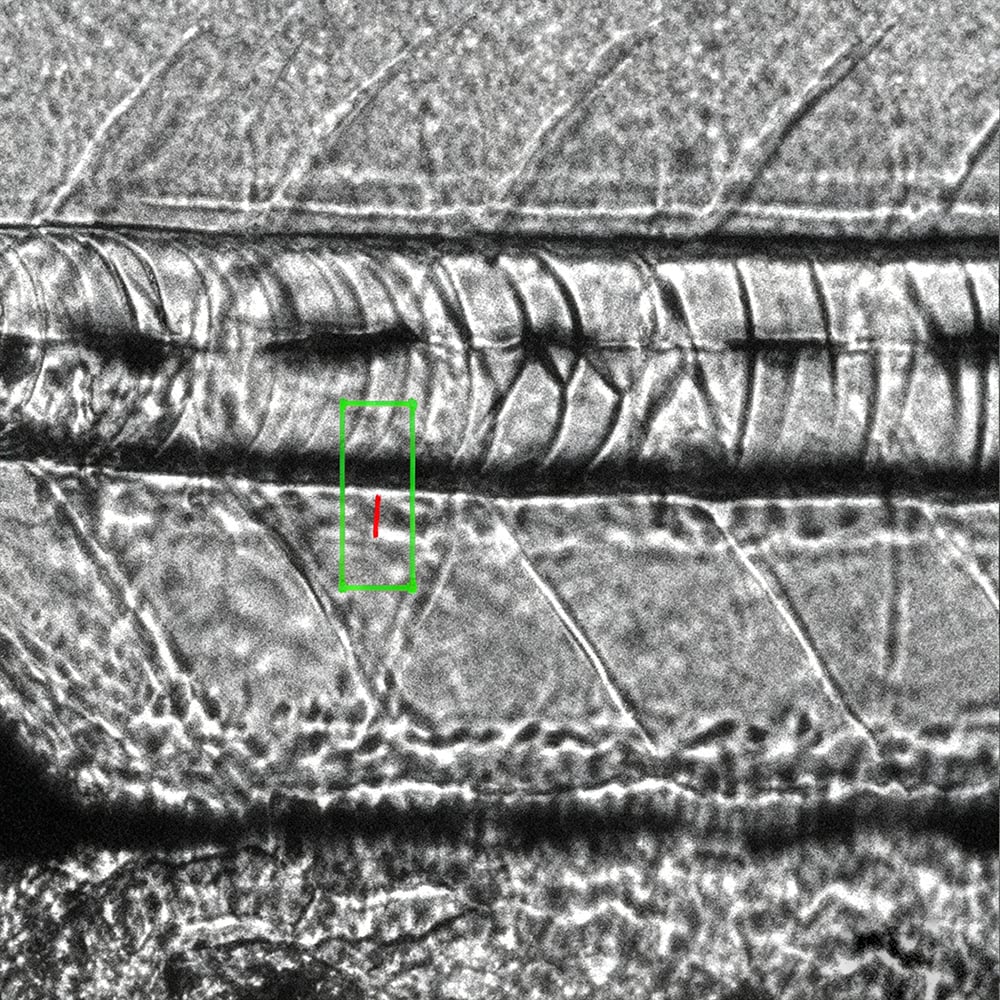
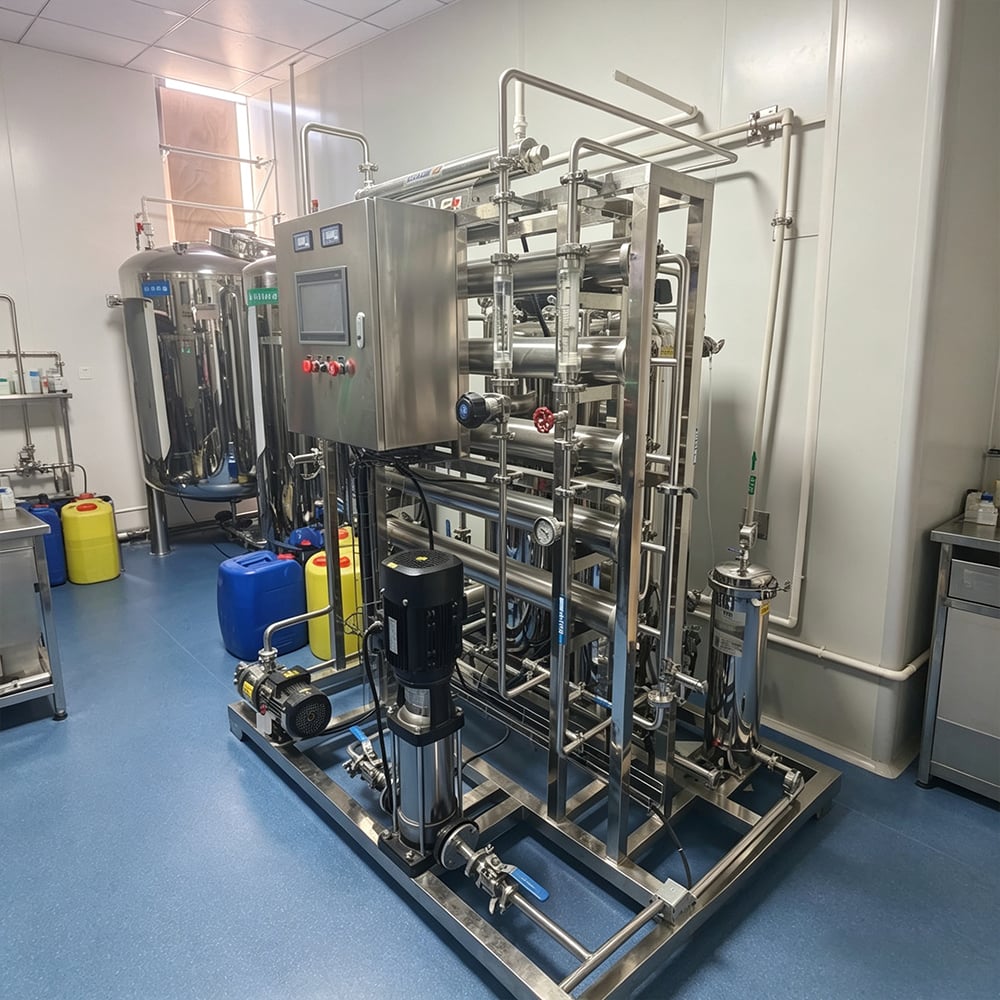
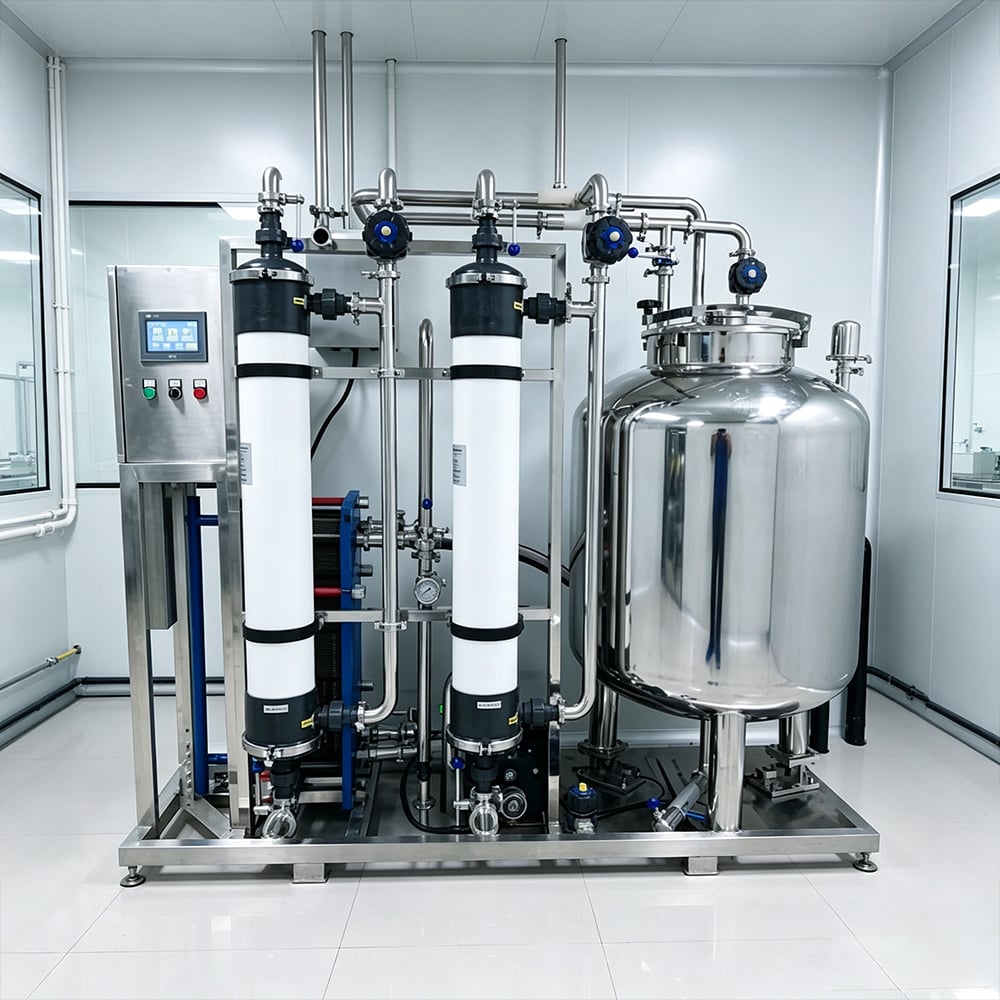
Laboratory Layout & Design
Seamlessly integrating water circulation and temperature control systems to deliver scientific, compliant, and high-efficiency customized space designs.

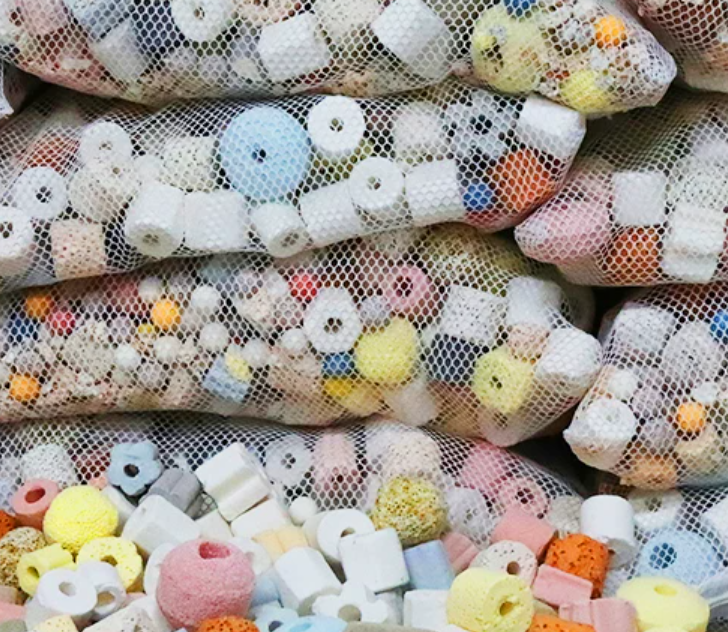

Filter Floss & Filter Media is an integrated three-stage filtration solution designed specifically for zebrafish high-throughput breeding and recirculating aquaculture systems (RAS). Combining mechanical filtration (filter floss), chemical filtration (activated carbon), and biological filtration (bio-balls), it achieves up to a 92% reduction in ammonia and a 35% decrease in routine maintenance costs.
Manufactured under ISO 9001 quality management and compliant with NSF/ANSI 61 standards, this product meets the stringent compliance and research reproducibility demands of biomedical R&D facilities. Whether buffering against ammonia spikes during peak spawning or minimizing water quality fluctuations on embryo development, this standardized filtration setup provides reliable, efficient, and consistent water quality for research facilities.
Zebrafish RAS filtration performance directly determines water chemistry stability across every housing unit in a research facility. When zebrafish RAS filtration capacity falls short of actual biological load, ammonia builds between water changes, particulates accumulate in spawning inserts, and fish waste degrades adult colony health—creating downstream effects on larval development and research reproducibility. Most facilities first encounter this problem after increasing colony density: single-stage media sufficient at lower loads becomes inadequate as biological activity scales up, usually without any single obvious failure event.
The hardest zebrafish RAS filtration problems to diagnose are those where sensors read correctly but media cannot match actual ammonia output. We adjusted pump configurations across multiple units before confirming that the underlying driver was filter media selection rather than flow rate. The sensors were accurate; the zebrafish RAS filtration media was not keeping pace with facility biological load. Ammonia consistently peaks during active spawning—exactly when stable water chemistry is most critical for reproducible embryo staging.
Robust zebrafish RAS filtration requires three mechanisms running in sequence—each targeting a different contaminant class. Omitting any stage creates a gap the others cannot close.
Filter Floss & Filter Media delivers integrated zebrafish RAS filtration across mechanical, chemical, and biological stages in a single consumable combination. Applicable to zebrafish embryo collection systems, high-throughput spawning configurations, and standard laboratory colonies, the combination achieves up to 92% ammonia reduction and a 35% reduction in routine maintenance costs—both outcomes measurable against a 12-month facility operating baseline.
Core facilities running zebrafish RAS filtration across multiple housing units need water chemistry consistent enough to support inter-unit comparison. This three-stage filter media combination is appropriate when single-stage zebrafish RAS filtration has proven insufficient—most often at colony densities above the threshold where mechanical filtration alone maintains stable ammonia levels. Integrating all three stages prevents ammonia spikes during peak spawning periods without requiring additional manual intervention for scheduled investigator programs.
Compound screening programs and scale-up embryo production generate higher biological load variability than standard colony maintenance. The bio-ball component adapts nitrification capacity to actual ammonia output as bacterial populations establish—scaling zebrafish RAS filtration capability without requiring infrastructure changes. Facilities deploying three-stage media across high-throughput units typically recover setup costs through reduced water change frequency and fewer ammonia-driven spawning failures over an annual operating cycle.
Institutions operating within ISO 13485 zebrafish equipment frameworks or GLP-adjacent quality systems need filtration components with traceable certification. This zebrafish RAS filtration combination supplies the compliance documentation required for vendor qualification records and equipment audit support. For programs where zebrafish ms222 dose consistency depends on stable baseline water chemistry, a reliable zebrafish RAS filtration foundation is a prerequisite for reproducible anesthesia outcomes across experimental sessions.
Sourcing mechanical, chemical, and biological filtration components separately introduces compatibility uncertainty and procurement complexity. Standardizing on an integrated zebrafish RAS filtration combination means every housing unit runs the same validated media configuration—simplifying troubleshooting, reducing inventory management overhead, and supporting consistent ammonia reduction solution outcomes across all facility units. The 35% maintenance cost reduction reflects lower water change frequency and reduced fish health intervention costs over an operating year.
Procurement and compliance documentation requests for this zebrafish RAS filtration product can be directed through our international ordering process. We provide equipment qualification records, certification copies, and facility configuration guidance to research institutions with formal vendor documentation requirements.
Filter Floss & Filter Media is an integrated three-stage filtration solution designed specifically for zebrafish high-throughput breeding and recirculating aquaculture systems (RAS). Combining mechanical filtration (filter floss), chemical filtration (activated carbon), and biological filtration (bio-balls), it achieves up to a 92% reduction in ammonia and a 35% decrease in routine maintenance costs.
Manufactured under ISO 9001 quality management and compliant with NSF/ANSI 61 standards, this product meets the stringent compliance and research reproducibility demands of biomedical R&D facilities. Whether buffering against ammonia spikes during peak spawning or minimizing water quality fluctuations on embryo development, this standardized filtration setup provides reliable, efficient, and consistent water quality for research facilities.
This is a title description that can briefly introduce the module.
We offer comprehensive, full-lifecycle services, including initial consultation, site planning, equipment selection, installation, hands-on training, application support, and long-term O&M.No matter your team's background, our standardized training and instant technical support guarantee equipment readiness and rapid onboarding. We handle the technicalities so you can focus on your core experiments.

Seamlessly integrating water circulation and temperature control systems to deliver scientific, compliant, and high-efficiency customized space designs.

Independent R&D and supply of over 10 categories of cutting-edge scientific instruments, spanning the three core pillars of zebrafish research: housing, manipulation, and analysis. Our portfolio includes digital smart housing systems, high-throughput 2D/3D behavioral analysis systems, panoramic in vivo imaging platforms, and forced swim systems. Powered by high-throughput, high-precision hardware and software, we comprehensively accelerate your scientific breakthroughs.

Our veteran engineering team handles standardized installation and hardware calibration on-site. We seamlessly connect your core digital networks—such as water recirculation, light control, and behavioral analysis—ensuring all experimental systems operate at peak performance from day one.

We provide a professional training system that encompasses standardized operations for smart scientific instruments and data analysis software, alongside scientific husbandry techniques for the entire zebrafish lifecycle, water quality environmental control, and daily maintenance protocols. This comprehensive curriculum empowers research teams to rapidly and independently conduct their experiments.
Dive into real-world laboratory use cases to explore how our zebrafish experimental equipment empowers life science research and industrial innovation, accelerating the translation and real-world impact of your scientific breakthroughs.

Empowering universities and research institutes to optimize biomedical research workflows. We provide high-precision, high-efficiency experimental hardware and digital workflow support for deep explorations in developmental biology, genetics, and disease modeling.
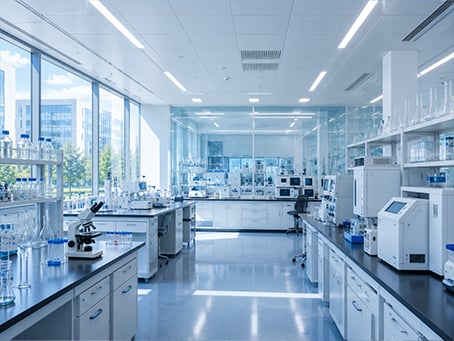
Leveraging high-throughput behavioral analysis and imaging systems, we provide pharmaceutical companies and research institutions with efficient, early-stage drug efficacy and safety assessments, significantly shortening R&D cycles and reducing drug discovery costs.
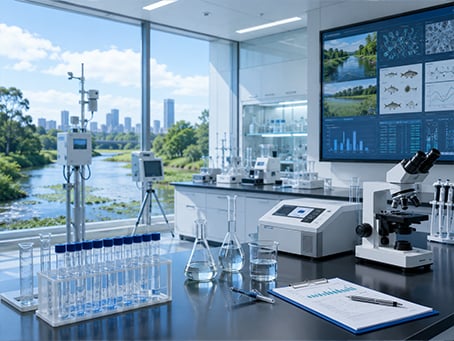
Widely applied in modern water quality monitoring, environmental toxicology assessments, as well as the safety and efficacy evaluation of food, cosmetics, and nutraceuticals, delivering smart digital testing solutions that comply with standardized protocols.
