 EN
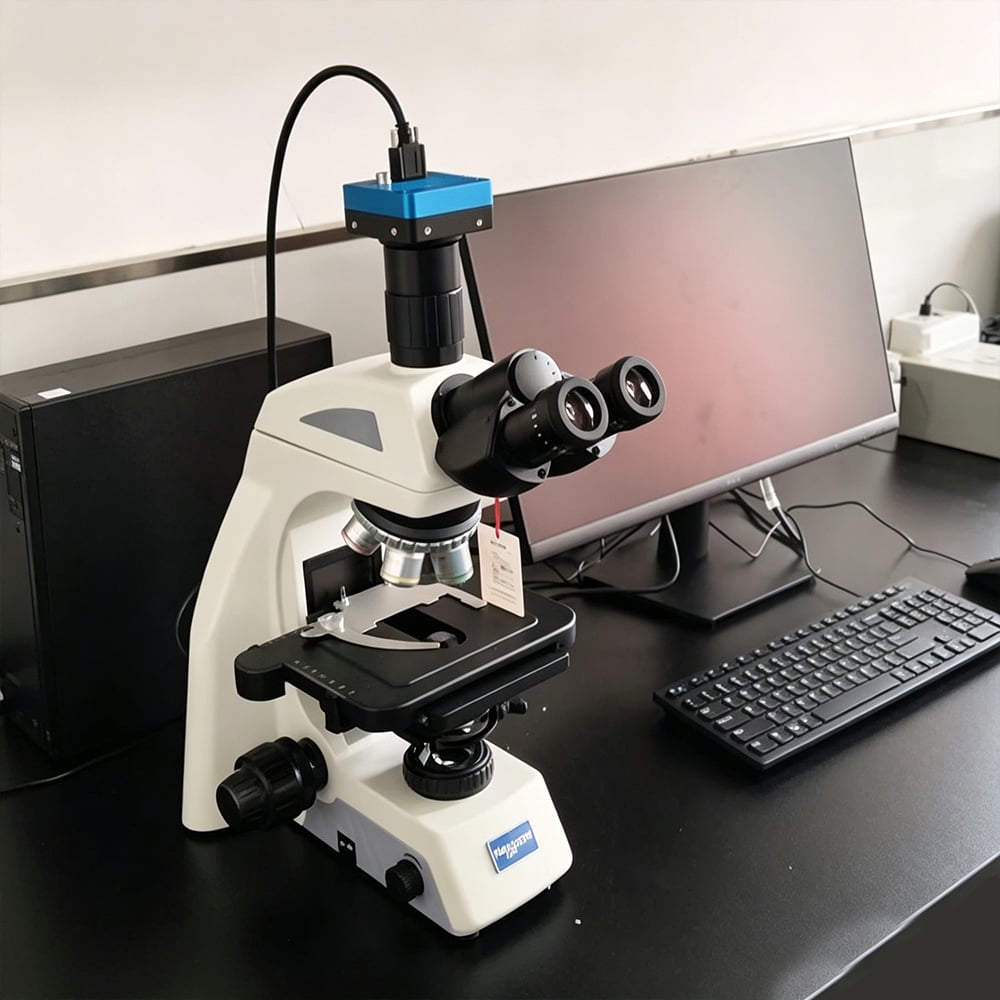
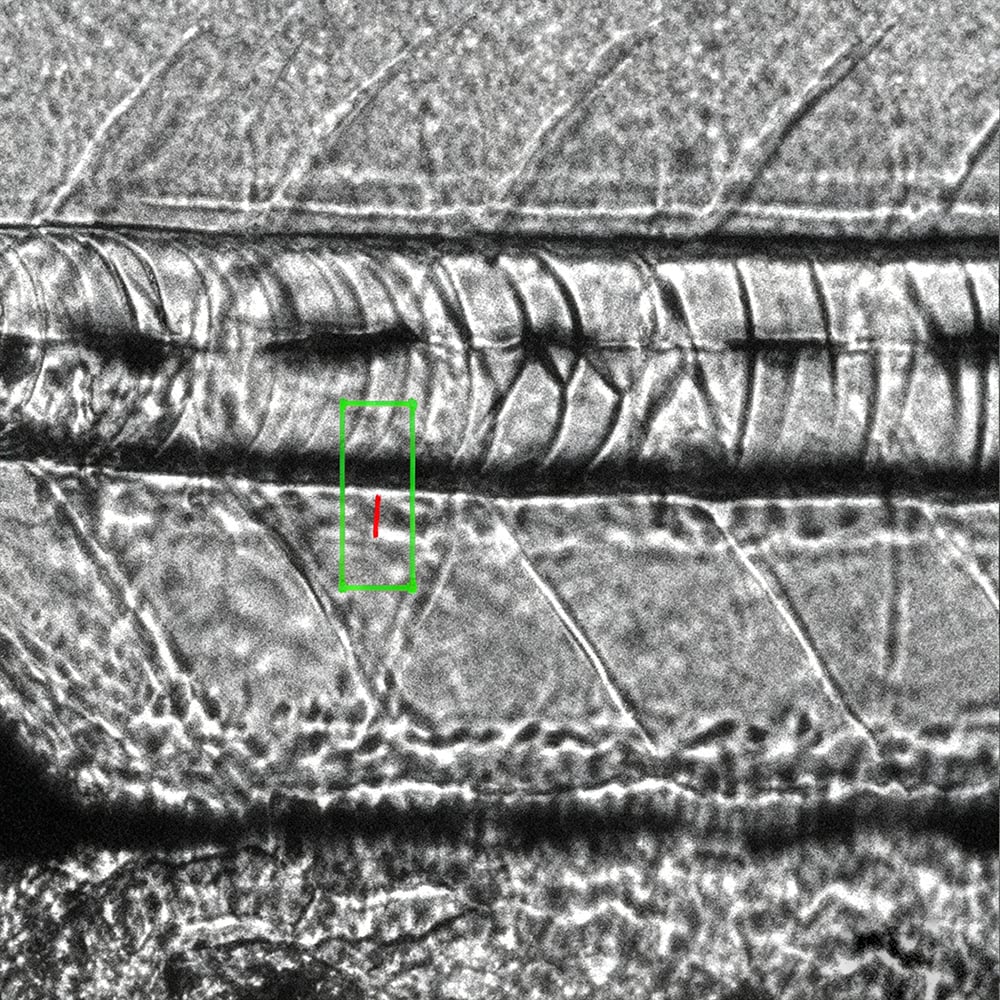
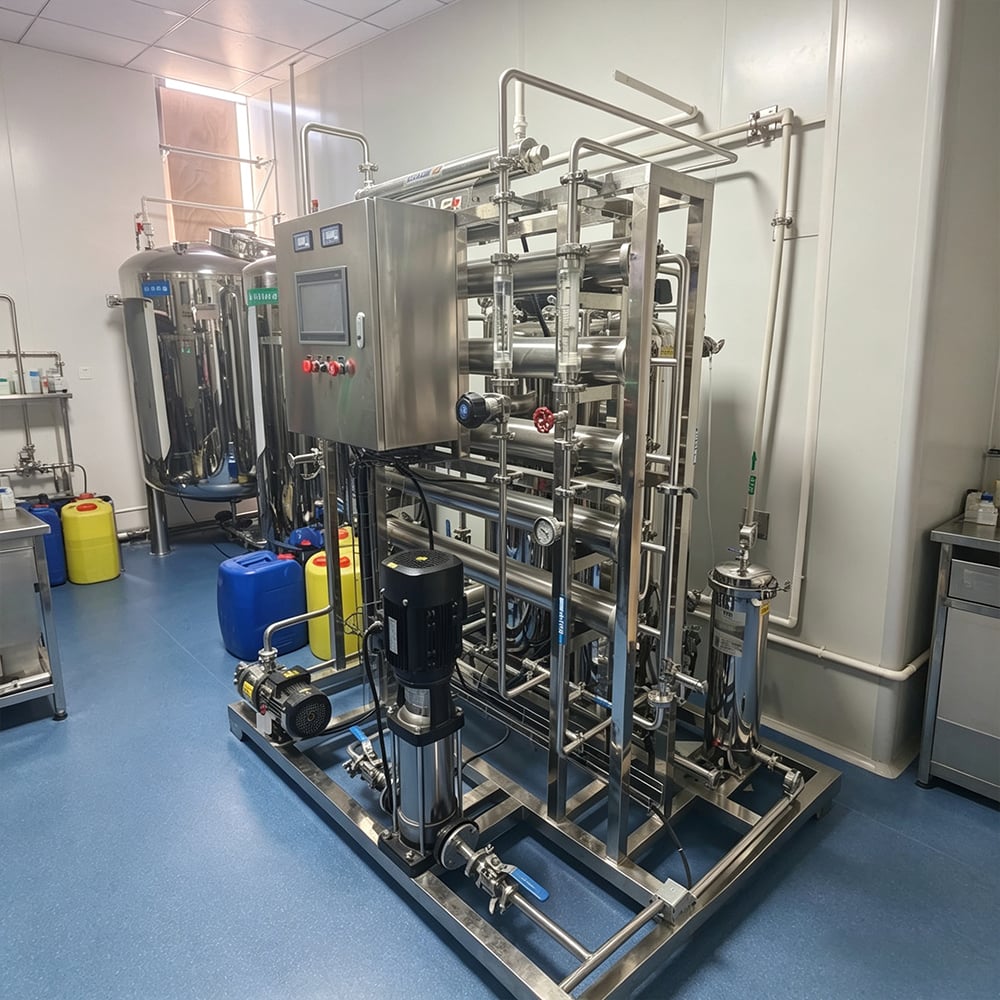
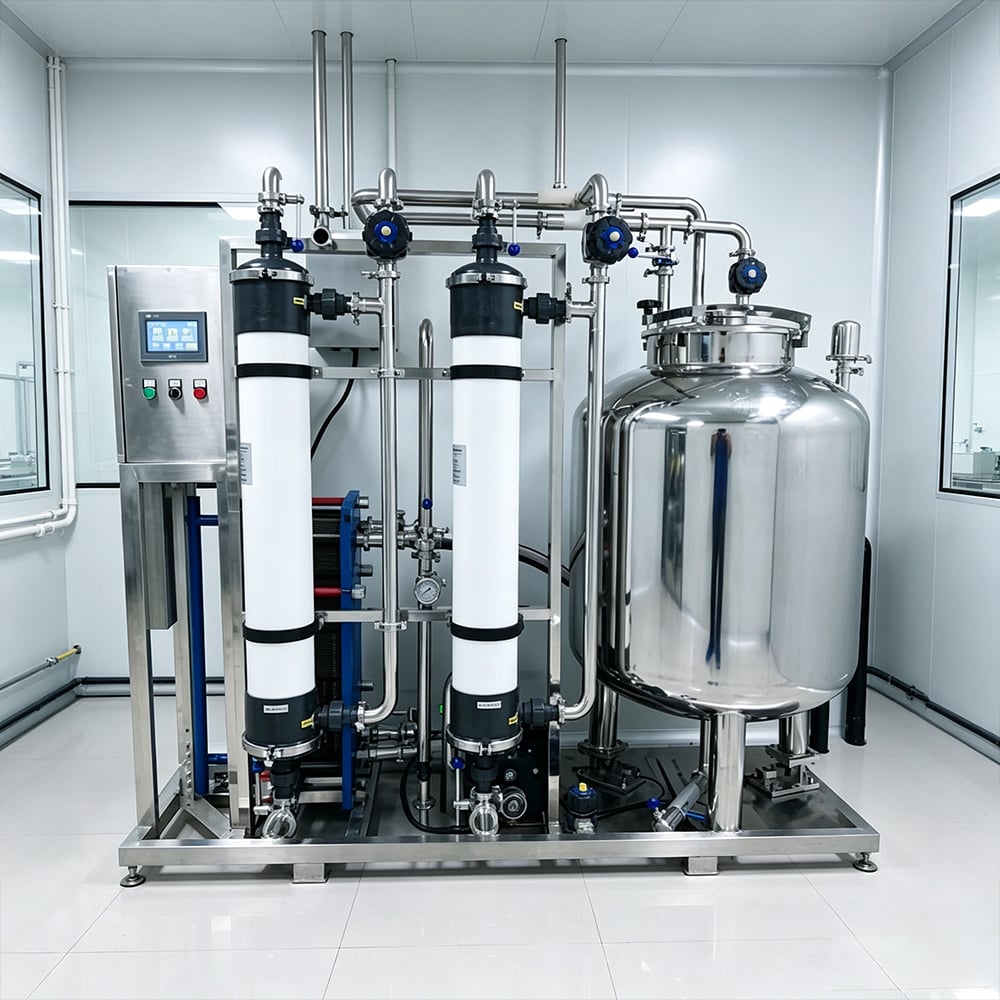
Laboratory Layout & Design
Seamlessly integrating water circulation and temperature control systems to deliver scientific, compliant, and high-efficiency customized space designs.

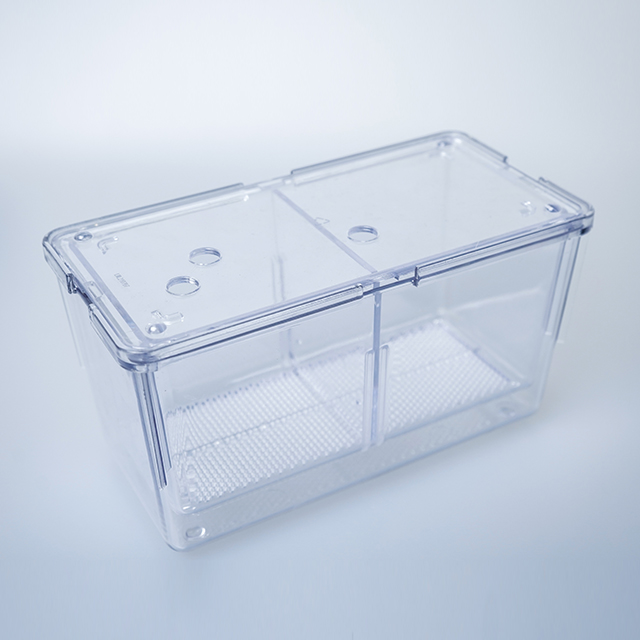
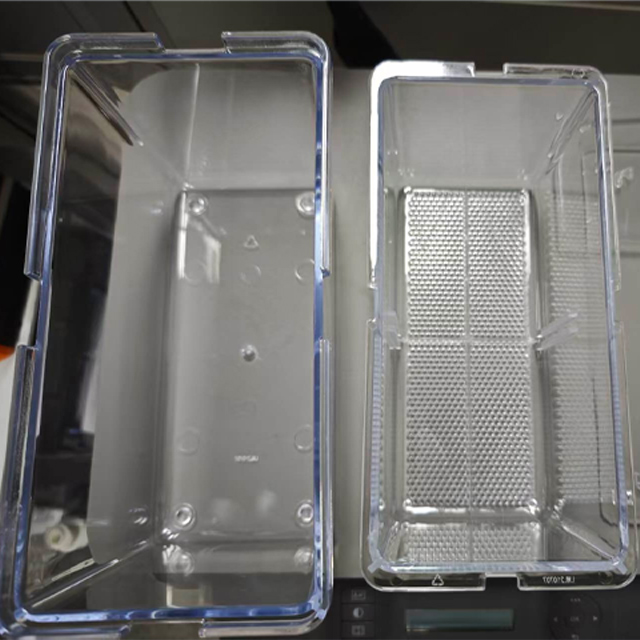
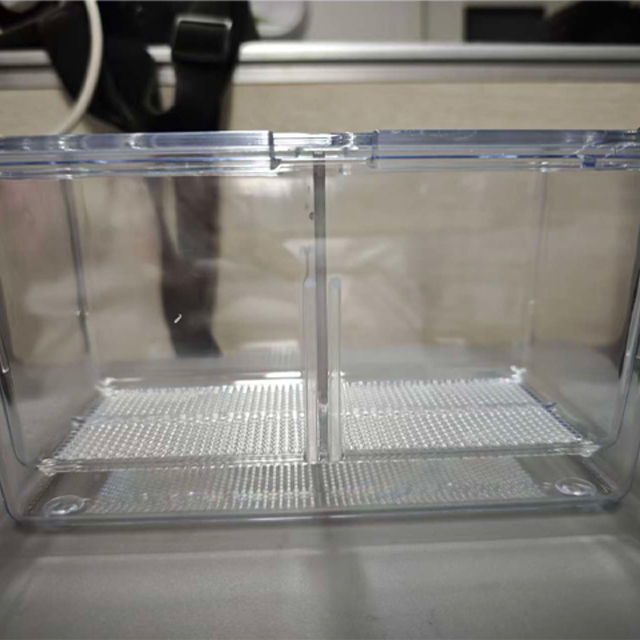
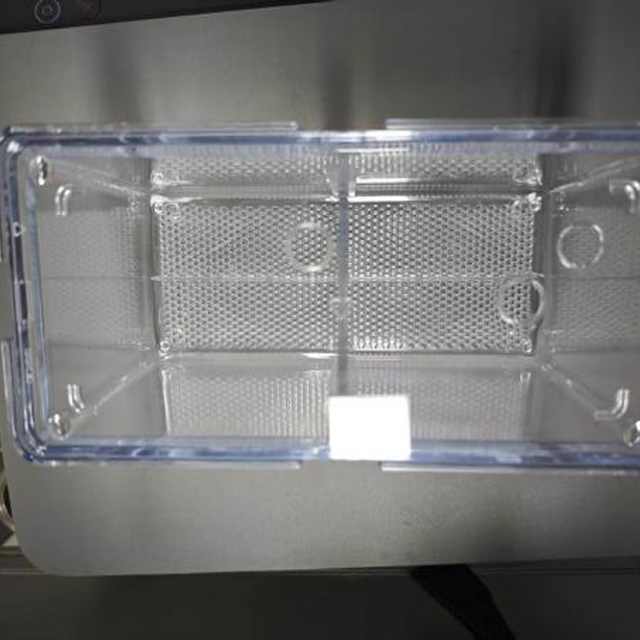
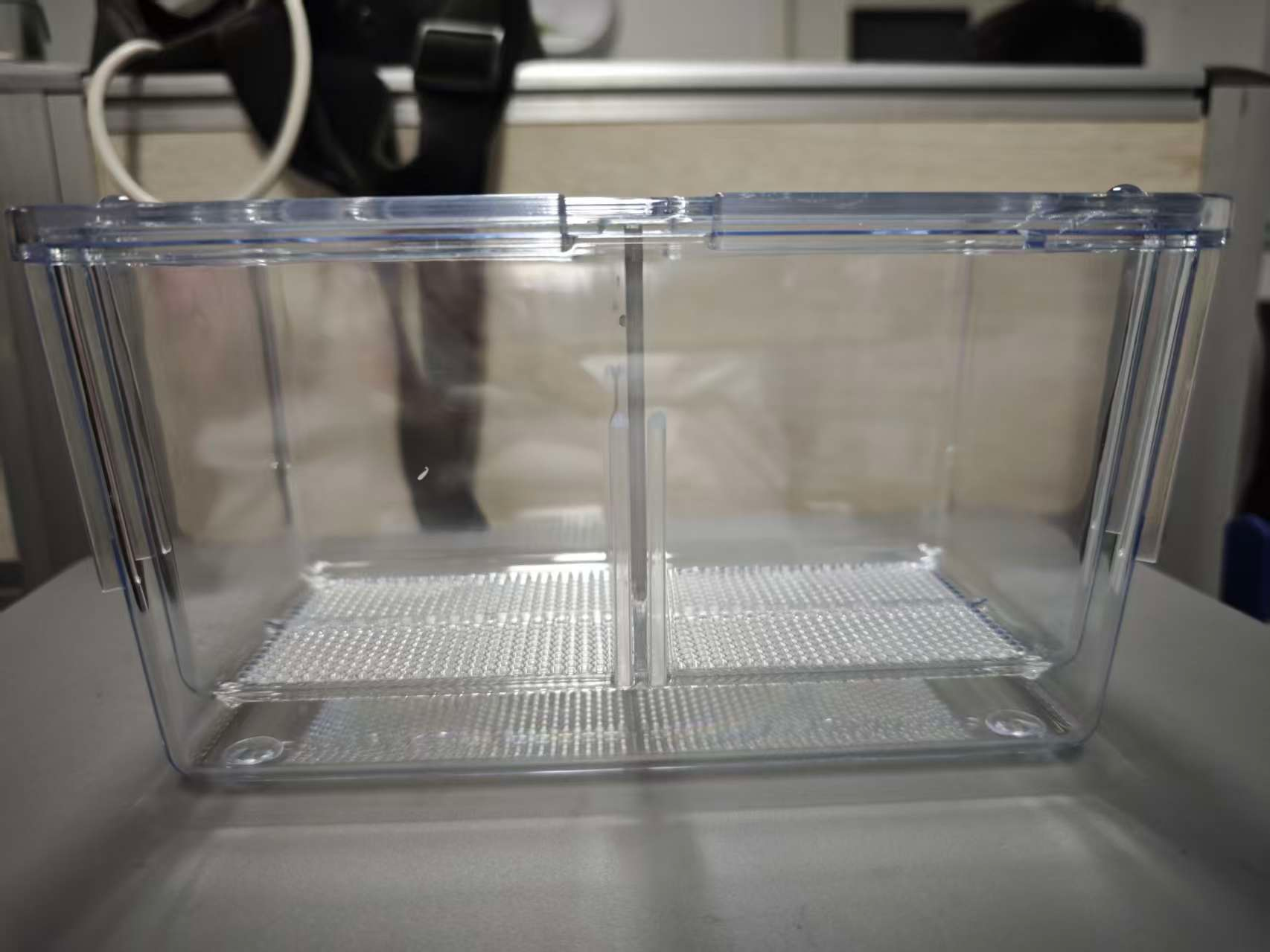
The Hunter Lab zebrafish spawning tank is an integrated polycarbonate breeding solution designed to streamline separation, mating, spawning, and egg collection into a single 2 L container (1.5 L recommended water capacity). Featuring a transparent design for visual monitoring, a built-in mesh floor for passive egg separation, a removable central divider, and a ventilated top cover, it ensures precise parental traceability. Measuring 225 × 111 × 120 mm, this compact unit minimizes handling stress, prevents egg consumption by adults, and reduces inter-session variability for academic, genetic, and biomedical research facilities.
As a researcher working with zebrafish breeding protocols, the spawning setup is something I've seen teams treat as a logistics detail rather than an experimental variable — until inconsistent embryo batches start disrupting downstream assays. This zebrafish spawning tank addresses that problem with a design that integrates four workflow stages into one container: separation, mating, spawning, and embryo collection. Built from transparent polycarbonate (PC) with a 2 L total volume, a built-in mesh floor, a removable central divider, and a ventilated top cover, it structures the breeding session around the biological sequence rather than forcing the protocol to work around the container.
As zebrafish-specific lab breeding equipment, this tank maps one parental pair to one container to one embryo batch — a straightforward traceability structure that matters when embryo batches need to be linked to specific breeding events for experimental records.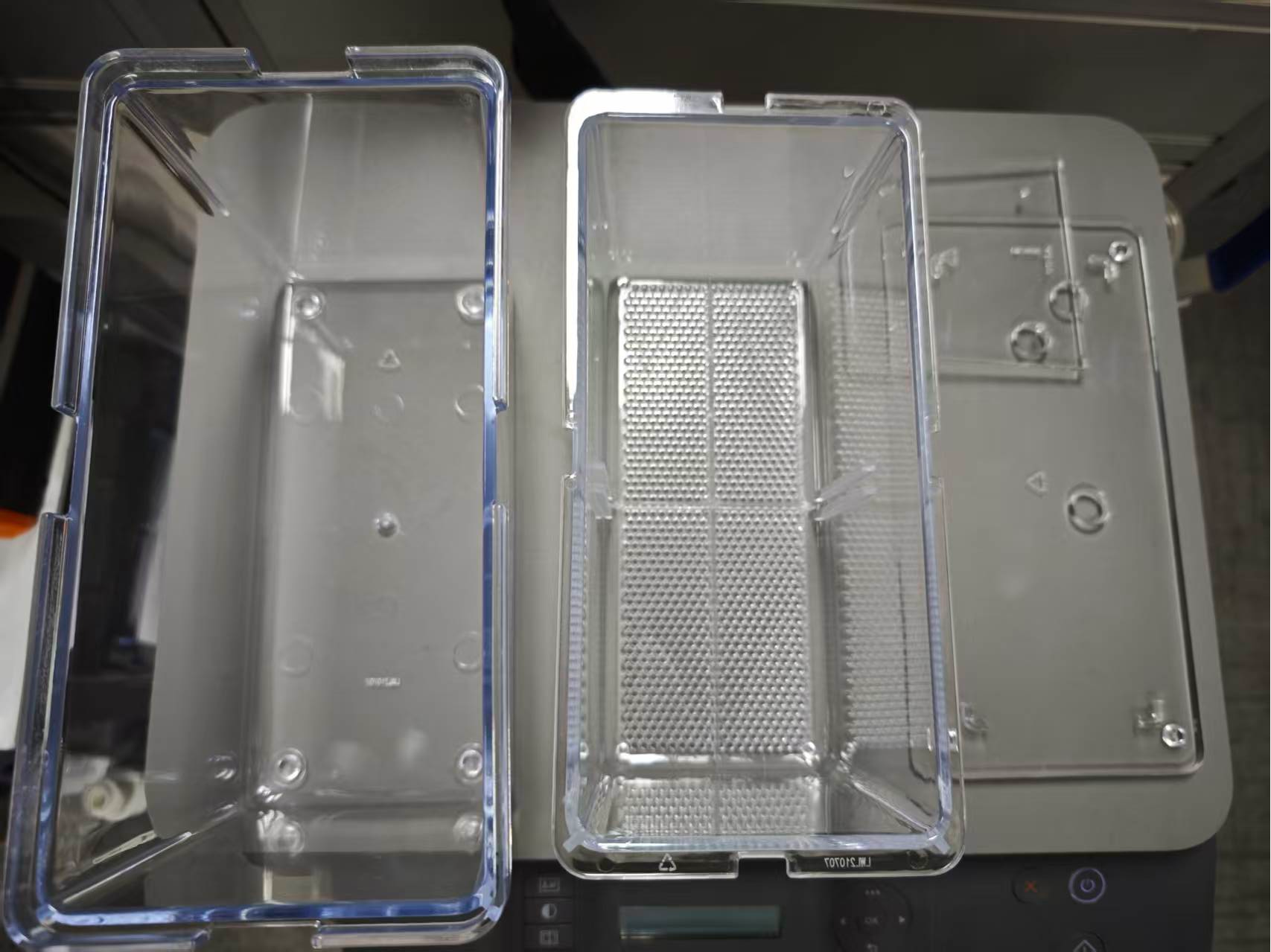
| Parameter | Value |
|---|---|
| Product type | Zebrafish spawning tank |
| Material | Polycarbonate (PC), transparent |
| Total volume | 2 L |
| Recommended water capacity | 1.5 L |
| Outer dimensions | 225 × 111 × 120 mm |
| Inner box dimensions | 212 × 105 × 95 mm |
| Internal structure | PC mesh grid and removable central divider |
| Cover | Ventilated top cover |
| Minimum order quantity | 1 unit |
The outer dimensions (225 × 111 × 120 mm) allow multiple tanks to sit side by side on a standard laboratory bench. The 1.5 L recommended water volume — within the 2 L total capacity — keeps water management straightforward and reduces the thermal mass, which simplifies maintaining stable water temperature during the breeding session.
The enclosure is made from transparent PC (polycarbonate), giving a direct view of fish activity and spawning status without requiring the zebrafish spawning tank to be opened during the session. Under stable ambient lighting conditions, the transparent walls provide adequate monitoring quality for routine session checks — useful when this polycarbonate fish tank is running alongside other equipment on a shared bench. Visually confirming that mating has begun before committing to a timed collection window can prevent wasted embryo batches from premature collection.
The built-in PC mesh grid allows newly released eggs to settle passively into the lower collection zone after spawning. This physical separation reduces the risk that adult fish disturb or consume eggs before collection. For labs where embryo collection ROI matters — where wasted sessions translate into real costs in time and animal use — the passive separation mechanism supports more consistent embryo yield per breeding event. At the 225 × 111 × 120 mm scale, the lower collection area remains accessible for transfer without disturbing adults in the upper chamber.
The sliding central divider enables a standard pairing protocol within a single container. Before the session, male and female fish are placed on opposite sides of the divider (the 1.5 L recommended water depth provides adequate space on each side at the 212 × 105 × 95 mm inner box dimensions). At the planned start time, the divider is removed to create a shared breeding chamber. Nobody in many published zebrafish protocols explicitly covers how divider removal timing affects spawning synchrony — it is often treated as a binary step. If your facility uses timed light-triggered breeding windows, accounting for the lag between divider removal and active spawning can improve embryo batch timing predictability.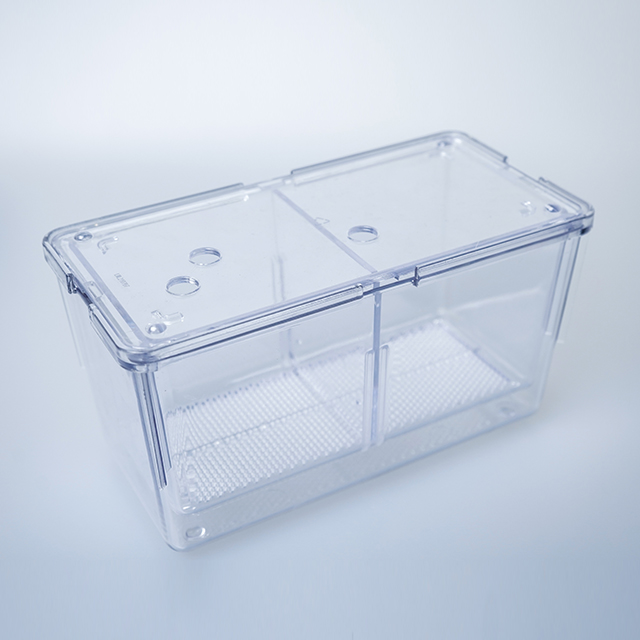
The lid includes ventilation openings that support gas exchange while retaining fish during active courtship phases. For sessions running longer than 30–60 minutes, stable dissolved oxygen in the 1.5 L water volume is a variable worth maintaining — when left uncontrolled in a sealed container, oxygen depletion can stress fish and introduce variability into behavioral and physiological endpoints in downstream assays.
At 225 × 111 × 120 mm outer dimensions, this zebrafish spawning tank fits benchtop controlled breeding setups without occupying disproportionate bench space. The format works for research programs where individual breeding pairs or small groups are managed under scheduled conditions and embryo batch traceability is required. It is lab breeding equipment for precision use, not high-volume production.
Research teams running developmental biology studies or genetic crossing experiments require embryo batches with known parentage and consistent developmental staging. This zebrafish spawning tank supports that need: fish are separated until the planned breeding session, then allowed to mate in a controlled single container. The mesh floor separates eggs from adults once spawning occurs, allowing collection at a defined time point. For ISO-compliant zebrafish housing protocols requiring documentation of breeding events, the single-container format simplifies recording — one tank corresponds to one breeding event, one parental pair, and one embryo batch.
In facilities managing multiple breeding pairs simultaneously — supplying embryos for imaging programs, toxicology screens, or cardiovascular assays — using standardized zebrafish spawning tanks reduces inter-session variability. When the same polycarbonate fish tank design is used consistently, staff know where eggs settle, how to access the lower collection zone, and what yield range to expect from a given pair. Consistency in the spawning container is an underappreciated source of inter-session variability in embryo quality.
We assumed the problem was with fish conditioning when early breeding sessions produced lower embryo yields than expected — but after reviewing the full protocol, it turned out the container handling was introducing stress during transfer steps. Moving to an integrated single-tank design with a built-in mesh floor and divider removed those unnecessary handling steps.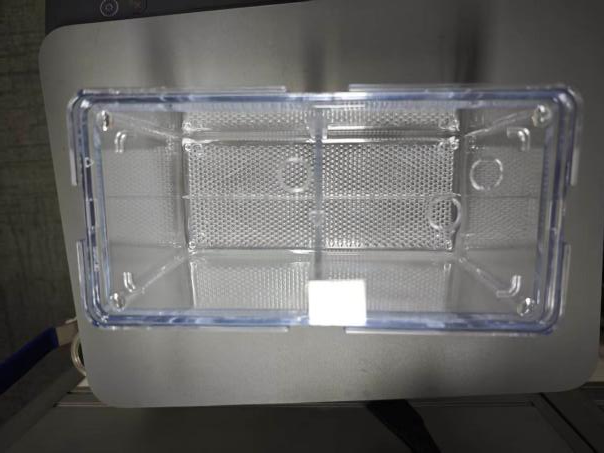
The value of this zebrafish spawning tank comes from combining the divider, mesh floor, lower collection zone, and cover into one compact polycarbonate unit. For programs where embryo collection ROI is a real operational consideration, the integrated format reduces container transfers, handling stress, and procedural variation. The transparent PC material allows routine session monitoring without opening the tank, consistent with ISO-compliant zebrafish housing approaches that emphasize minimal disturbance during mating and early spawning. This tank is designed to work within existing zebrafish housing setups — the documented dimensions and 1.5 L water capacity give procurement teams and facility managers the concrete specifications needed to assess compatibility before ordering.
The divider keeps male and female fish on opposite sides before the breeding session. Removing it creates a shared breeding chamber. Exact spawning timing after divider removal may vary by pair and facility light cycle settings.
Eggs pass through the internal mesh grid into the lower collection zone, separating from adults. The lower zone is accessible without disturbing adults in the upper chamber, which is relevant if the session is still active at collection time.
The enclosure and internal mesh grid are both polycarbonate (PC) — a transparent, durable material suited to aquatic laboratory environments. As zebrafish plasticware, the PC construction supports visual observation and routine cleaning between sessions.
The documented dimensions (225 × 111 × 120 mm outer, 212 × 105 × 95 mm inner box) and defined capacity (2 L total, 1.5 L recommended) provide the specifications needed for ISO-compliant zebrafish housing documentation. Use must follow your institution's animal care protocols, breeding SOPs, and compliance requirements.
Contact us to discuss whether this zebrafish spawning tank fits your existing zebrafish housing and embryo collection workflow.
The Hunter Lab zebrafish spawning tank is an integrated polycarbonate breeding solution designed to streamline separation, mating, spawning, and egg collection into a single 2 L container (1.5 L recommended water capacity). Featuring a transparent design for visual monitoring, a built-in mesh floor for passive egg separation, a removable central divider, and a ventilated top cover, it ensures precise parental traceability. Measuring 225 × 111 × 120 mm, this compact unit minimizes handling stress, prevents egg consumption by adults, and reduces inter-session variability for academic, genetic, and biomedical research facilities.
This is a title description that can briefly introduce the module.
We offer comprehensive, full-lifecycle services, including initial consultation, site planning, equipment selection, installation, hands-on training, application support, and long-term O&M.No matter your team's background, our standardized training and instant technical support guarantee equipment readiness and rapid onboarding. We handle the technicalities so you can focus on your core experiments.

Seamlessly integrating water circulation and temperature control systems to deliver scientific, compliant, and high-efficiency customized space designs.

Independent R&D and supply of over 10 categories of cutting-edge scientific instruments, spanning the three core pillars of zebrafish research: housing, manipulation, and analysis. Our portfolio includes digital smart housing systems, high-throughput 2D/3D behavioral analysis systems, panoramic in vivo imaging platforms, and forced swim systems. Powered by high-throughput, high-precision hardware and software, we comprehensively accelerate your scientific breakthroughs.

Our veteran engineering team handles standardized installation and hardware calibration on-site. We seamlessly connect your core digital networks—such as water recirculation, light control, and behavioral analysis—ensuring all experimental systems operate at peak performance from day one.

We provide a professional training system that encompasses standardized operations for smart scientific instruments and data analysis software, alongside scientific husbandry techniques for the entire zebrafish lifecycle, water quality environmental control, and daily maintenance protocols. This comprehensive curriculum empowers research teams to rapidly and independently conduct their experiments.
Dive into real-world laboratory use cases to explore how our zebrafish experimental equipment empowers life science research and industrial innovation, accelerating the translation and real-world impact of your scientific breakthroughs.

Empowering universities and research institutes to optimize biomedical research workflows. We provide high-precision, high-efficiency experimental hardware and digital workflow support for deep explorations in developmental biology, genetics, and disease modeling.

Leveraging high-throughput behavioral analysis and imaging systems, we provide pharmaceutical companies and research institutions with efficient, early-stage drug efficacy and safety assessments, significantly shortening R&D cycles and reducing drug discovery costs.

Widely applied in modern water quality monitoring, environmental toxicology assessments, as well as the safety and efficacy evaluation of food, cosmetics, and nutraceuticals, delivering smart digital testing solutions that comply with standardized protocols.
