Project Overview
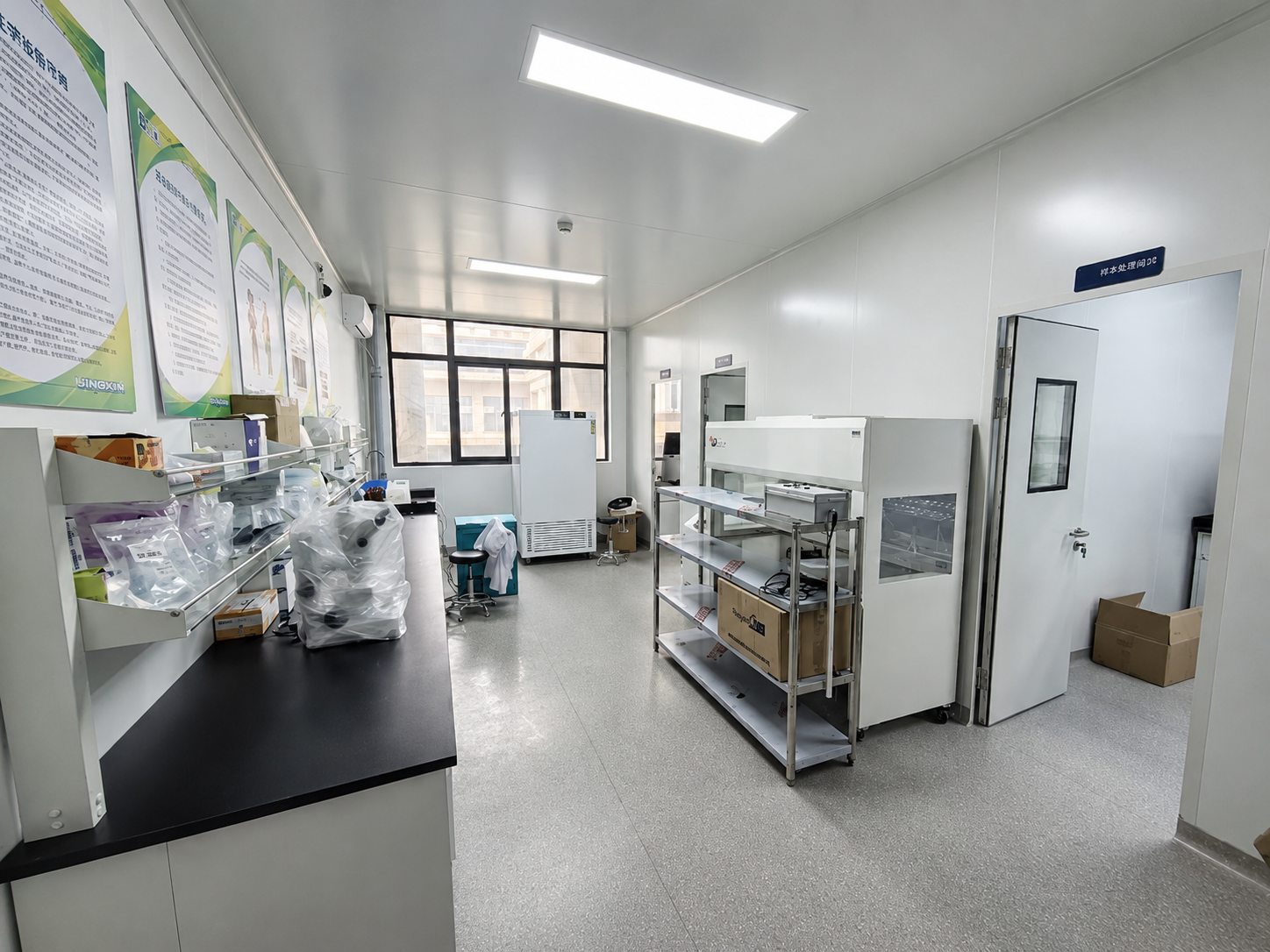
Hunter provided an integrated zebrafish laboratory equipment solution for Xiyuan Hospital of the China Academy of Chinese Medical Sciences.
The project covered approximately 100 square meters and was designed to establish a dedicated zebrafish research platform focused on cardiovascular research, pharmacological efficacy evaluation, and drug safety and toxicology studies.
The completed platform marked an important step in expanding the hospital’s experimental research capabilities. As a complementary platform to its existing rodent research facilities, the zebrafish laboratory provides a faster and more cost-efficient model for early-stage drug screening, efficacy evaluation, toxicity assessment, and the development of new experimental models.
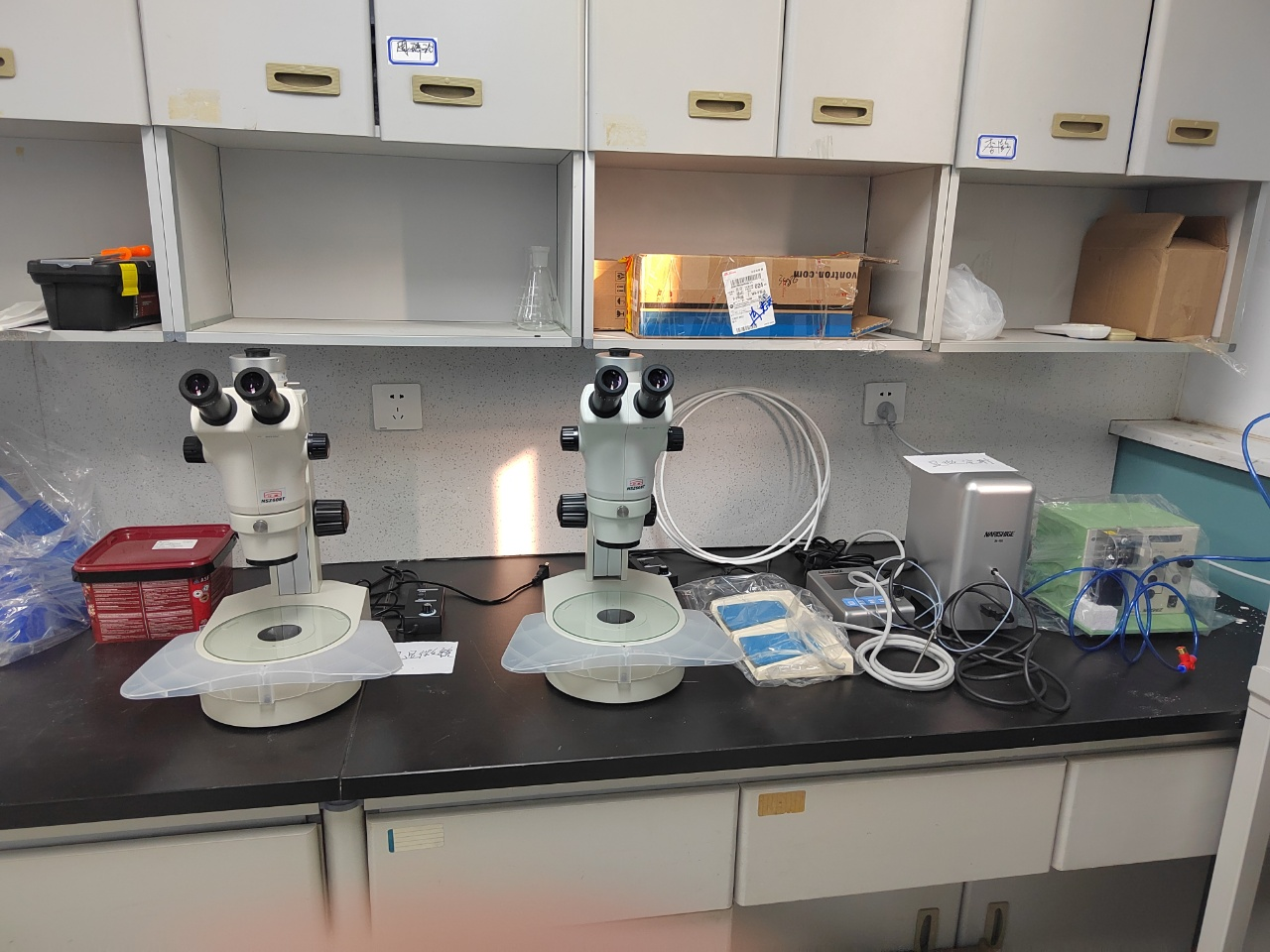
Integrated zebrafish laboratory solution for Xiyuan Hospital of the China Academy of Chinese Medical Sciences
Project Positioning
The project was positioned as a specialized zebrafish research platform supporting studies in:
- Cardiovascular disease
- Pharmacological efficacy
- Drug-property and pharmacology research
- Toxicology and safety assessment
- Traditional Chinese medicine research
- Early-stage drug screening
- Experimental model development
The platform was designed to help the hospital extend its existing biomedical research system beyond traditional cell and mammalian models.
By introducing zebrafish into the research workflow, the hospital can conduct certain experiments with shorter study cycles, lower compound consumption, and greater experimental throughput.
This is especially valuable in cardiovascular and pharmacological research, where investigators often need to compare multiple compounds, dose levels, or intervention strategies before proceeding to more resource-intensive studies.
Main Equipment Configuration
The project included the following core equipment:
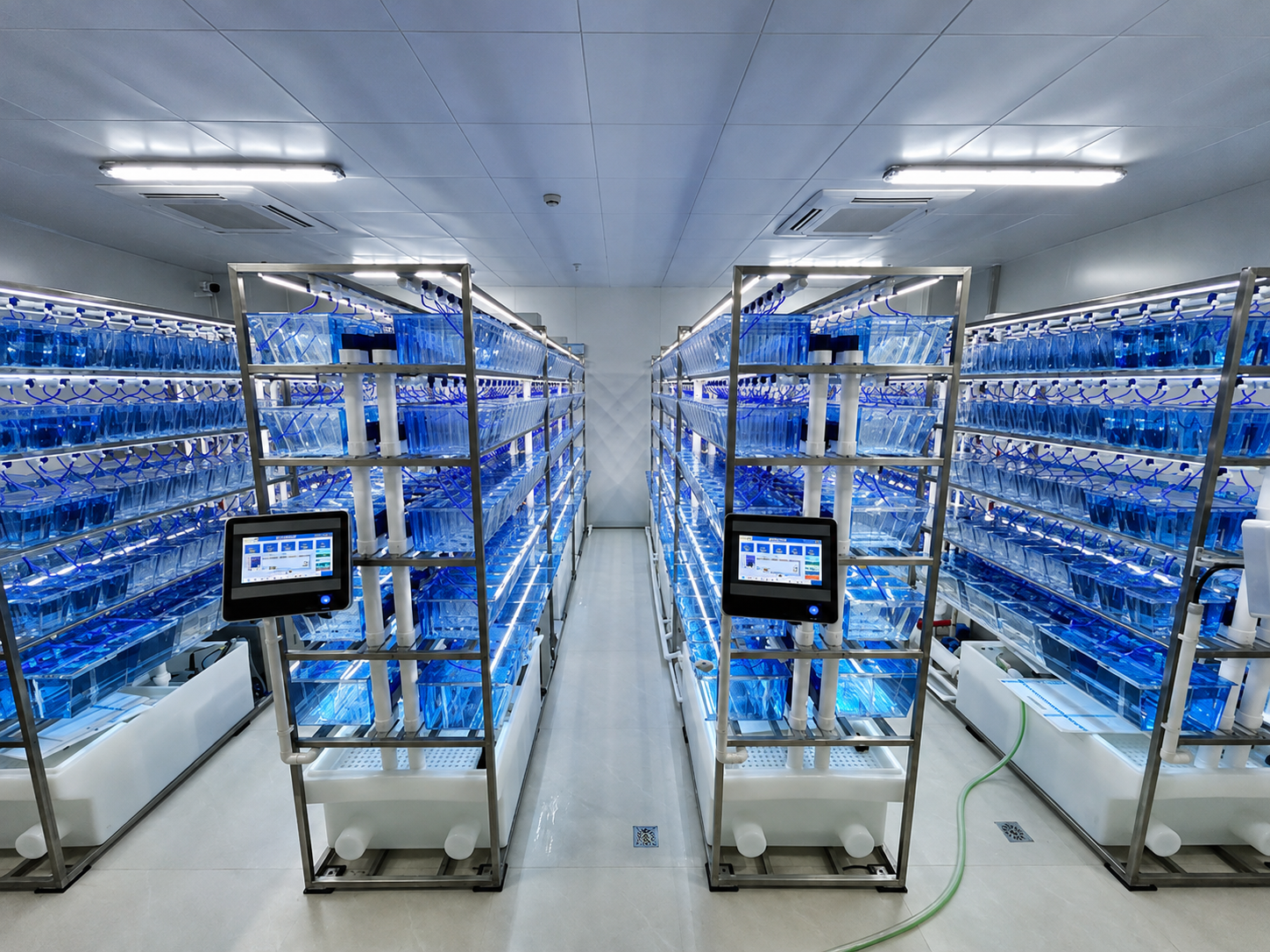
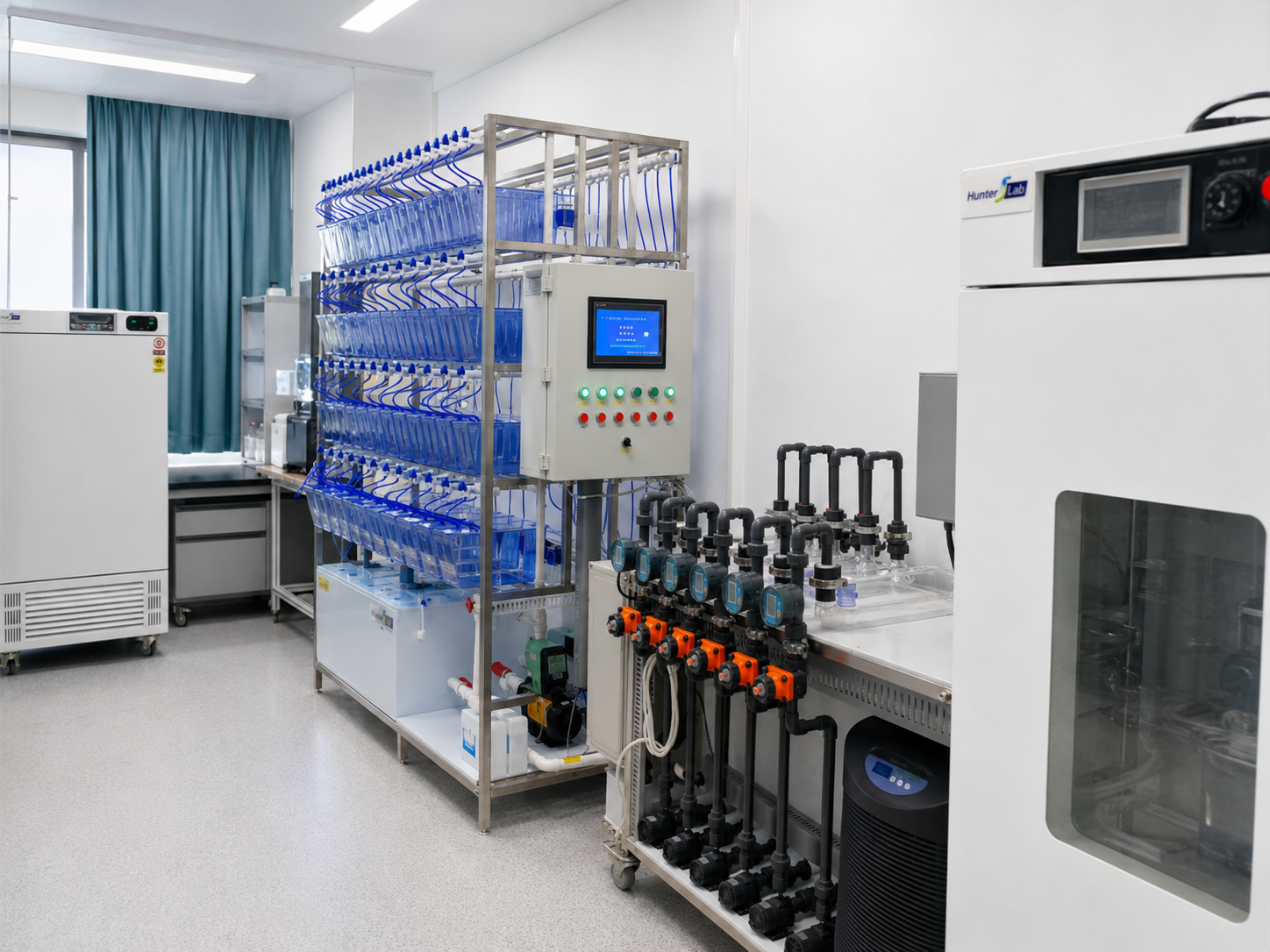
- Independent four-tier, double-sided zebrafish housing units
- Zebrafish forced swimming system
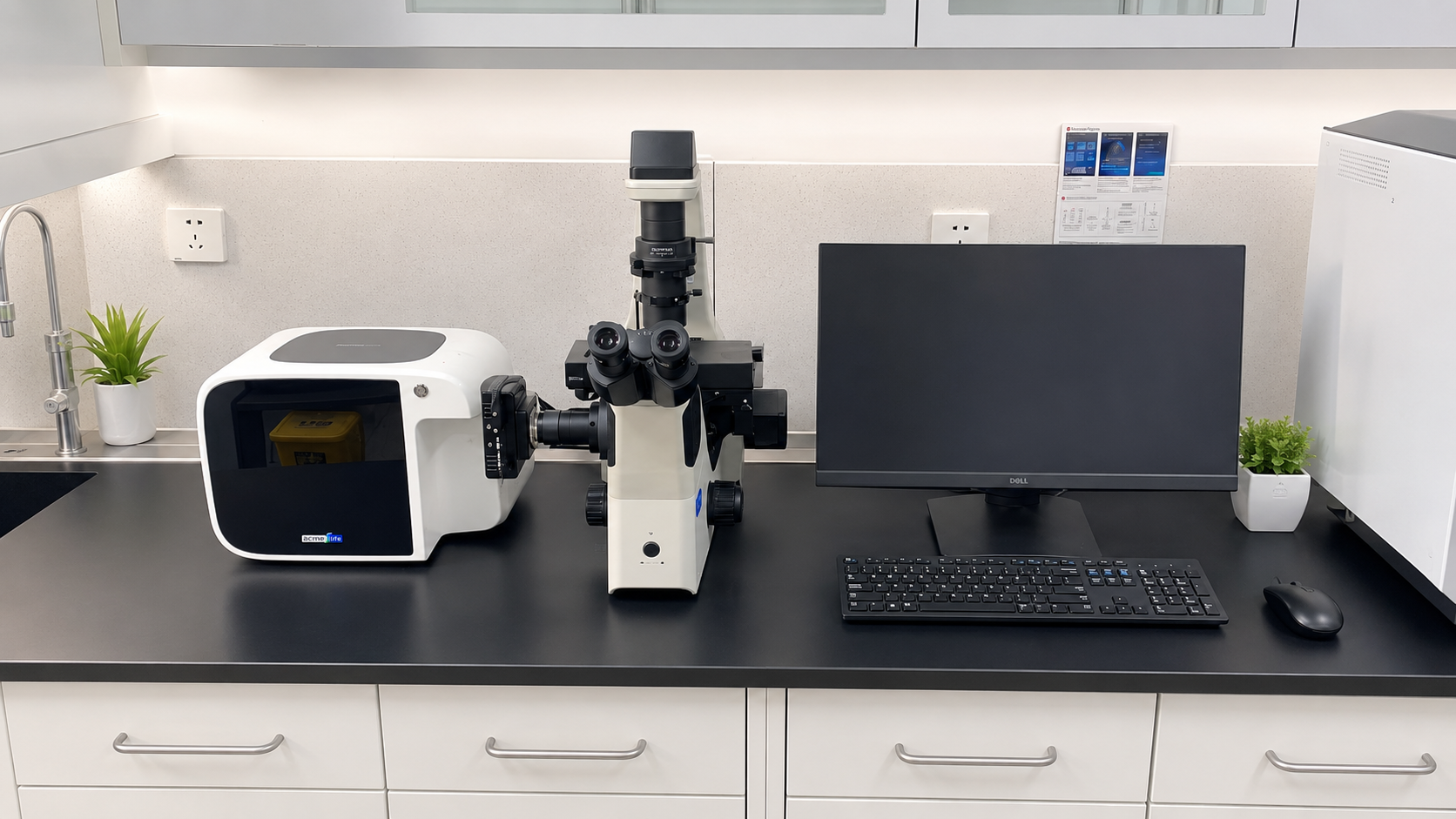
- Zebrafish panoramic imaging system
These systems were selected to support routine zebrafish husbandry, cardiovascular and pharmacological research, endurance-related testing, phenotypic imaging, and safety evaluation.
The equipment was integrated into a laboratory platform capable of supporting both daily animal management and specialized experimental applications.
Independent four-tier, double-sided zebrafish housing units installed at Xiyuan Hospital
Establishing a New Zebrafish Research Platform
Before the project, the hospital’s preclinical research capabilities were mainly supported by existing cell and rodent platforms.
The establishment of the zebrafish laboratory created a new whole-organism research option that can complement these conventional models.
Zebrafish offer several advantages for early-stage biomedical research:
- Rapid development
- Small body size
- Low compound consumption
- Optical transparency during early development
- Efficient drug exposure
- Compatibility with high-throughput studies
- Quantifiable cardiac, vascular, behavioral, and morphological endpoints
These features make zebrafish particularly useful in cardiovascular research, where researchers can evaluate endpoints such as heart rate, blood flow, vascular development, cardiac morphology, circulation, and drug-induced changes.
The platform also supports pharmacological and toxicological studies involving efficacy, safety, dose response, and observable phenotype changes.
As a result, the zebrafish laboratory has expanded the hospital’s ability to develop new research models and explore additional experimental approaches that were previously difficult to conduct.
Supporting Cardiovascular Drug Research
Cardiovascular research is one of the key application areas of the platform.
Zebrafish share many conserved genes and biological pathways with humans and possess a functional cardiovascular system that develops rapidly and can be observed during early life stages.
Depending on the study design, zebrafish models can support research involving:
- Cardiac function
- Heart rate and rhythm
- Blood-flow changes
- Vascular development
- Cardiotoxicity
- Drug-induced cardiovascular effects
- Functional recovery following treatment
- Screening of cardiovascular drug candidates
For traditional Chinese medicine and natural-product research, zebrafish can also provide an efficient in vivo system for evaluating complex extracts, active fractions, and candidate compounds.
This enables researchers to generate early biological evidence before selecting promising candidates for further mammalian or clinical investigation.
Panoramic Imaging for Zebrafish Larvae
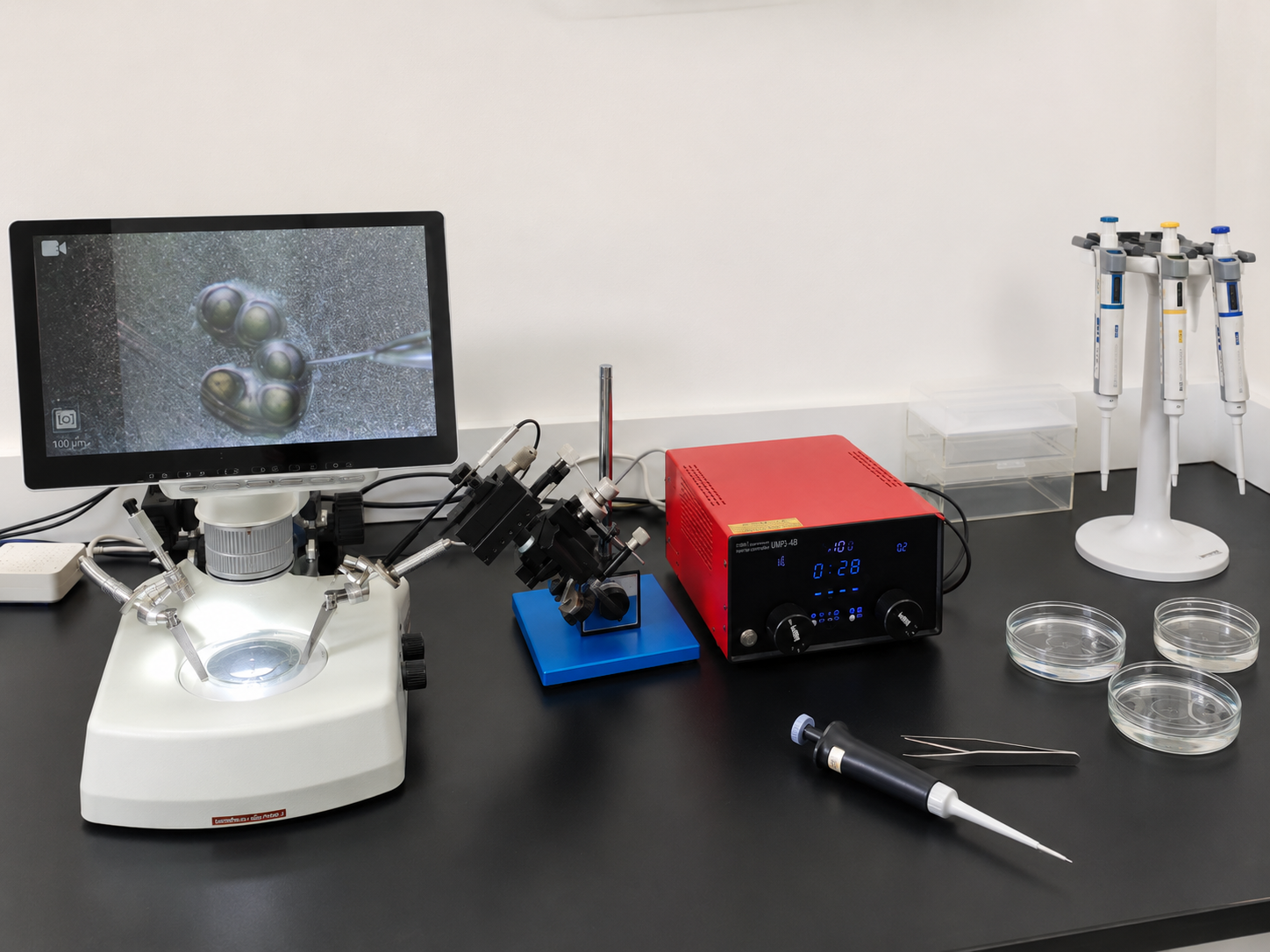
One of the core devices installed in the laboratory was Hunter’s zebrafish panoramic imaging system.
The system is suitable for bright-field and fluorescence imaging of zebrafish larvae from approximately 2 to 7 days post-fertilization.
Its main advantage is the ability to capture zebrafish from multiple angles around the body axis, providing nearly 360-degree visualization with minimal blind spots.
This feature helps reduce the difficulty of positioning larvae during imaging and allows researchers to obtain more complete phenotypic information.
The system can support applications such as:
- Larval morphology assessment
- Fluorescence imaging
- Cardiovascular phenotype observation
- Organ-development analysis
- Drug-efficacy evaluation
- Toxicity-related phenotype assessment
- Comparative imaging across experimental groups
The panoramic imaging function also improves imaging speed by reducing the need for repeated manual repositioning.
For researchers conducting multiple treatment groups or high-volume experiments, this can improve both efficiency and consistency.
Hunter zebrafish panoramic imaging system for bright-field and fluorescence imaging
One-Click Recovery and Automated Cleaning
The panoramic imaging system includes a one-click drainage and zebrafish recovery function.
After imaging, the zebrafish can be collected and reused for subsequent experimental procedures or additional endpoint measurements, depending on the study design.
The system also includes an automated cleaning function that reduces the need for users to manually clean the internal pipeline after every imaging session.
This helps simplify daily operation and improves workflow efficiency.
For the hospital’s research team, these features reduce the amount of repetitive handling required during imaging and make it easier to incorporate zebrafish imaging into routine experimental work.
The equipment therefore supports not only image acquisition, but also a more complete and practical laboratory workflow.
Forced Swimming System for Endurance and Drug Intervention Studies
The project also included a zebrafish forced swimming system designed for adult zebrafish endurance testing and drug intervention studies.
This equipment enables researchers to evaluate swimming performance under controlled water-flow conditions.
Potential applications include:
- Endurance assessment
- Exercise-capacity studies
- Fatigue-related research
- Cardiovascular performance evaluation
- Drug intervention studies
- Hypoxia-related studies
- Temperature-related physiological studies
Each channel can be controlled independently, allowing researchers to set different water-flow speeds according to the experimental design.
The system supports simultaneous testing across six channels, improving experimental throughput and reducing the time required to complete multi-group studies.
A cooling module and a hypoxia module are also available, enabling the system to support more diverse experimental conditions.
This flexibility is valuable for cardiovascular and pharmacological studies in which environmental stress, exercise load, oxygen availability, or temperature may influence the experimental outcome.
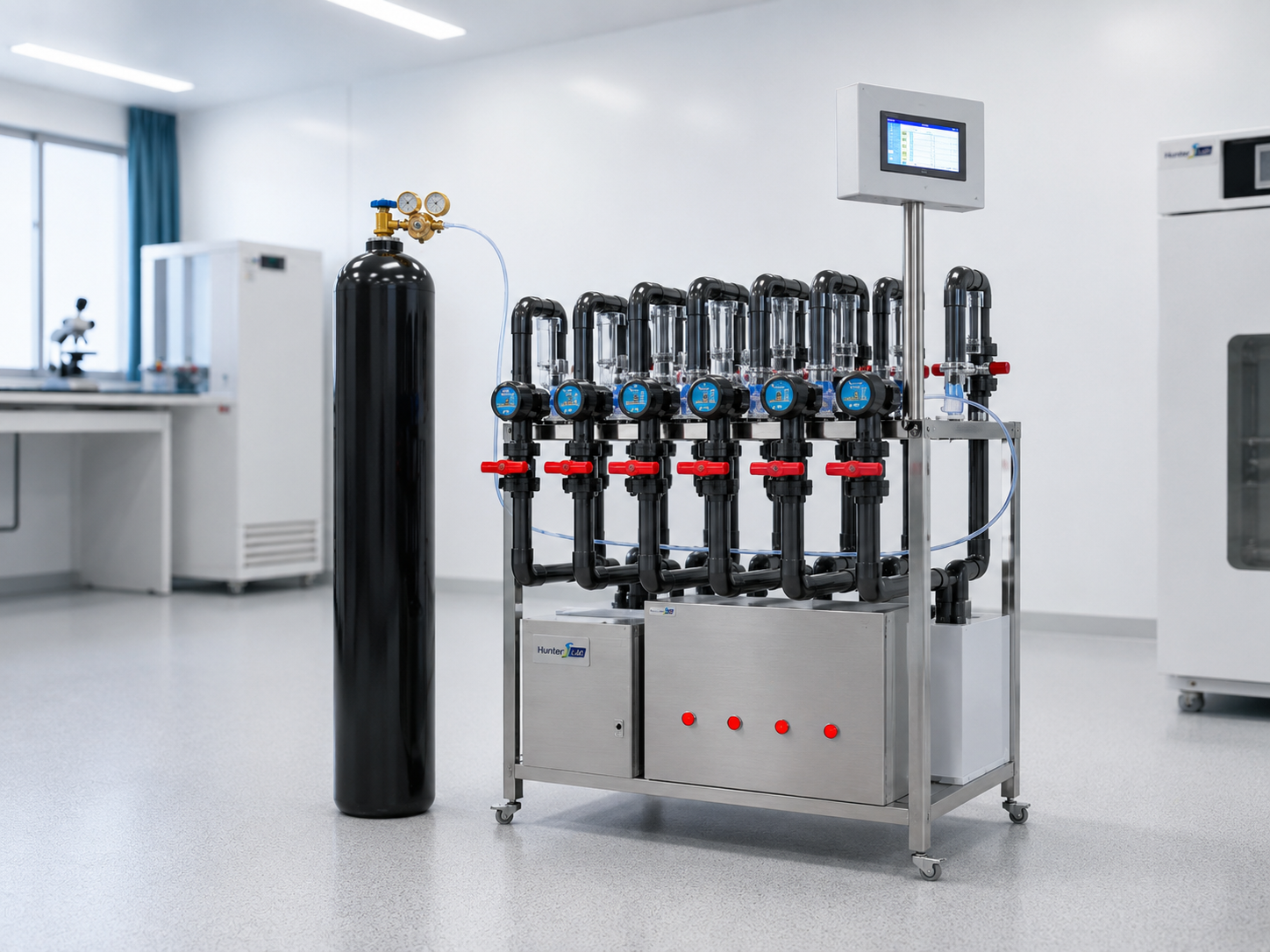
Zebrafish forced swimming system supporting endurance and drug intervention studies
Complementing Existing Rodent Research Platforms
The zebrafish platform is not intended to replace the hospital’s rodent research systems.
Instead, it provides an additional model that can be used at an earlier stage of research.
A typical integrated research workflow may include:
- Cell-based screening
- Zebrafish efficacy or safety evaluation
- Candidate prioritization
- Mammalian validation
- Mechanistic investigation
- Clinical or translational research
Using zebrafish before mammalian studies can help research teams compare more candidates and identify biological signals using less material and shorter experimental cycles.
This can be particularly useful in traditional Chinese medicine research, where a large number of extracts, fractions, combinations, or active components may need to be evaluated.
The zebrafish platform therefore helps the hospital make more efficient use of its existing research resources while strengthening the overall preclinical evidence chain.
Customer Recognition and Technical Collaboration
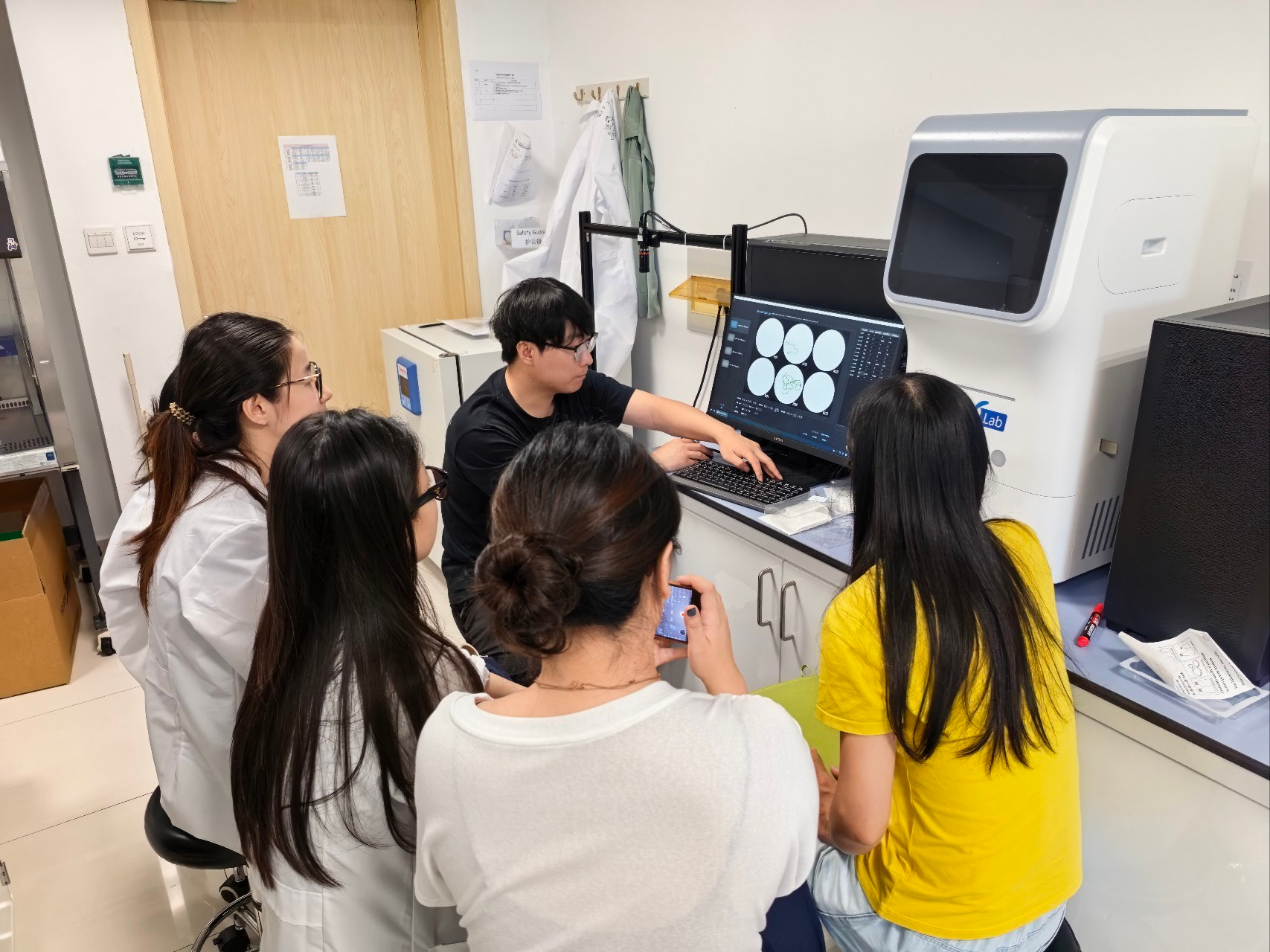
The hospital’s research team gave positive feedback on the performance of the equipment and the quality of Hunter’s technical services.
In addition to equipment installation and operational support, the two sides conducted technical discussions related to zebrafish methodology, experimental design, and potential research projects.
The customer also expressed interest in further cooperation involving zebrafish technology and research applications.
This reflects the broader value of the project.
A successful zebrafish laboratory requires more than equipment delivery. It also depends on appropriate experimental workflows, operating procedures, researcher training, model selection, and long-term technical support.
Hunter’s role therefore included helping the customer connect laboratory hardware with actual scientific applications.
About Xiyuan Hospital
Xiyuan Hospital of the China Academy of Chinese Medical Sciences is a major institution integrating medical care, scientific research, education, and healthcare services.
The hospital was established in 1956 as an affiliated hospital of the former Academy of Traditional Chinese Medicine and has played an important role in the development of traditional Chinese medicine research and clinical practice in China.
Today, Xiyuan Hospital serves as an affiliated hospital and the First Clinical Medical Research Institute of the China Academy of Chinese Medical Sciences.
Its research organizations include institutes focused on:
- Clinical pharmacology
- Geriatric medicine
- Cardiovascular disease
The hospital is also part of the international emergency medical assistance network under China’s national health authorities.
According to the project information provided, the hospital has:
- Five national-level key clinical specialties
- Fourteen key specialties recognized by the National Administration of Traditional Chinese Medicine
- Six high-level key disciplines in traditional Chinese medicine
Its strong foundation in cardiovascular disease, clinical pharmacology, and traditional Chinese medicine made it well suited for the development of a zebrafish research platform.
Project Value
The Xiyuan Hospital zebrafish laboratory project provides several important benefits.
Expanded Research Capabilities
The hospital gained a new whole-organism research platform capable of supporting efficacy, safety, pharmacology, and toxicology studies.
Shorter Early-Stage Research Cycles
Zebrafish studies can often be completed more rapidly than conventional mammalian studies, allowing researchers to evaluate more candidates within a shorter period.
Lower Experimental Costs
The small size of zebrafish and their compatibility with high-throughput testing help reduce compound use, animal-maintenance requirements, and early-stage screening costs.
Greater Model Diversity
The platform complements existing rodent and cell systems and allows researchers to select a more suitable model according to the scientific question.
Support for Cardiovascular and Traditional Chinese Medicine Research
The platform provides additional tools for investigating cardiovascular function, drug efficacy, toxicity, and the biological activity of traditional Chinese medicine-related candidates.
Improved Experimental Efficiency
The panoramic imaging system and forced swimming equipment reduce repetitive manual operations and support more standardized data collection.
An Integrated Zebrafish Laboratory Solution
This project demonstrates Hunter’s ability to deliver an integrated zebrafish laboratory solution for a major medical and research institution.
The solution combined:
- Laboratory planning
- Zebrafish housing infrastructure
- Specialized imaging equipment
- Behavioral and endurance-testing systems
- Installation and commissioning
- Equipment training
- Technical consultation
- Long-term application support
By aligning the equipment configuration with the hospital’s cardiovascular and pharmacological research priorities, Hunter helped establish a platform that can support both current projects and future research expansion.
Looking ahead, Hunter will continue to provide zebrafish laboratory solutions for hospitals, universities, pharmaceutical companies, and research institutes.
Through the integration of housing systems, specialized research equipment, experimental models, and technical services, Hunter aims to help customers build practical and scalable zebrafish research platforms.

 EN