Project Overview
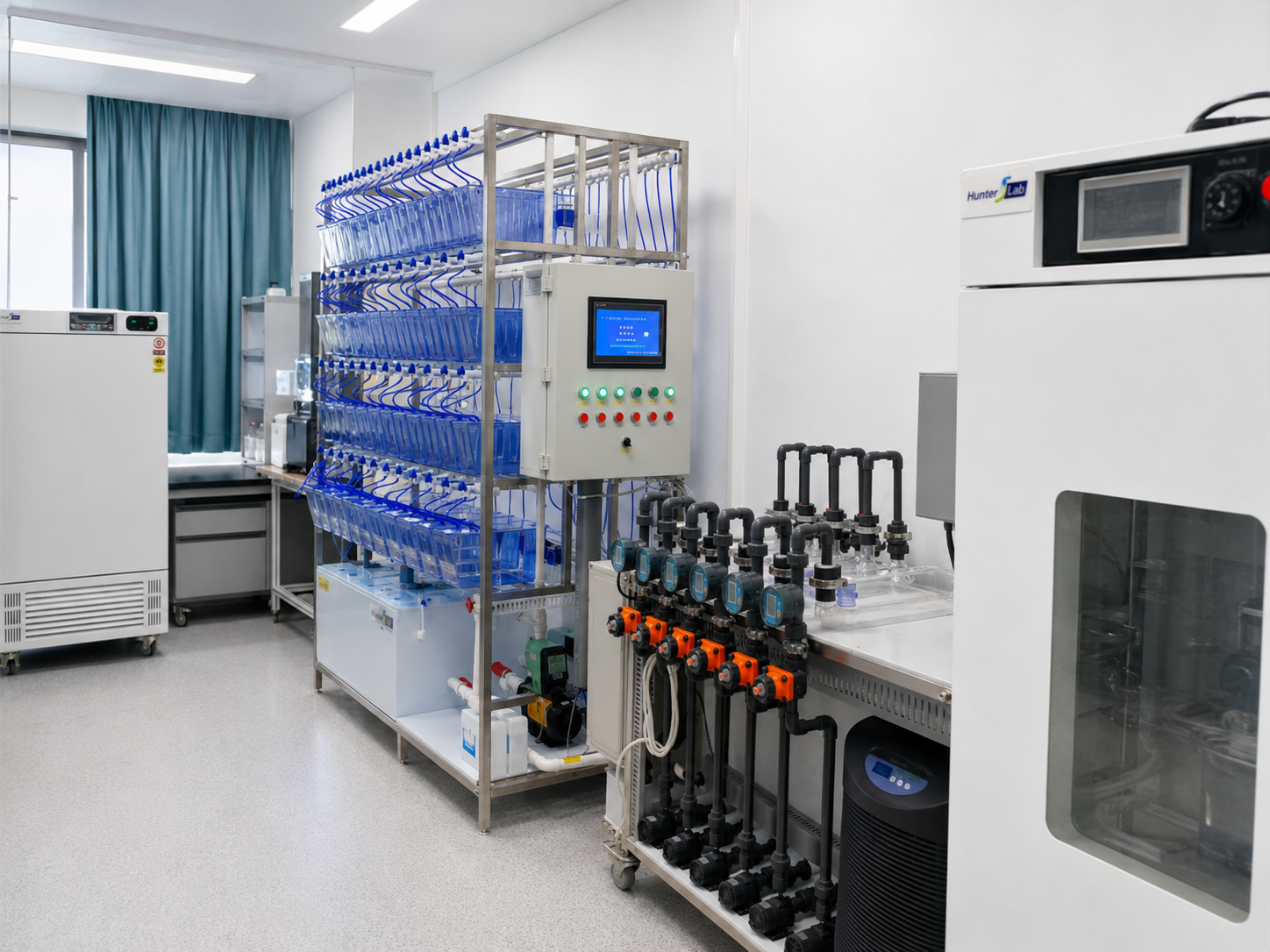
Hunter provided a zebrafish laboratory equipment solution for the School of Pharmacy (Institute of Drug Research), Xinjiang University. The project was designed to support research in ethnic medicine efficacy validation and ethnic medicine screening, helping the institution establish a practical zebrafish-based research platform for drug discovery and pharmacological evaluation.
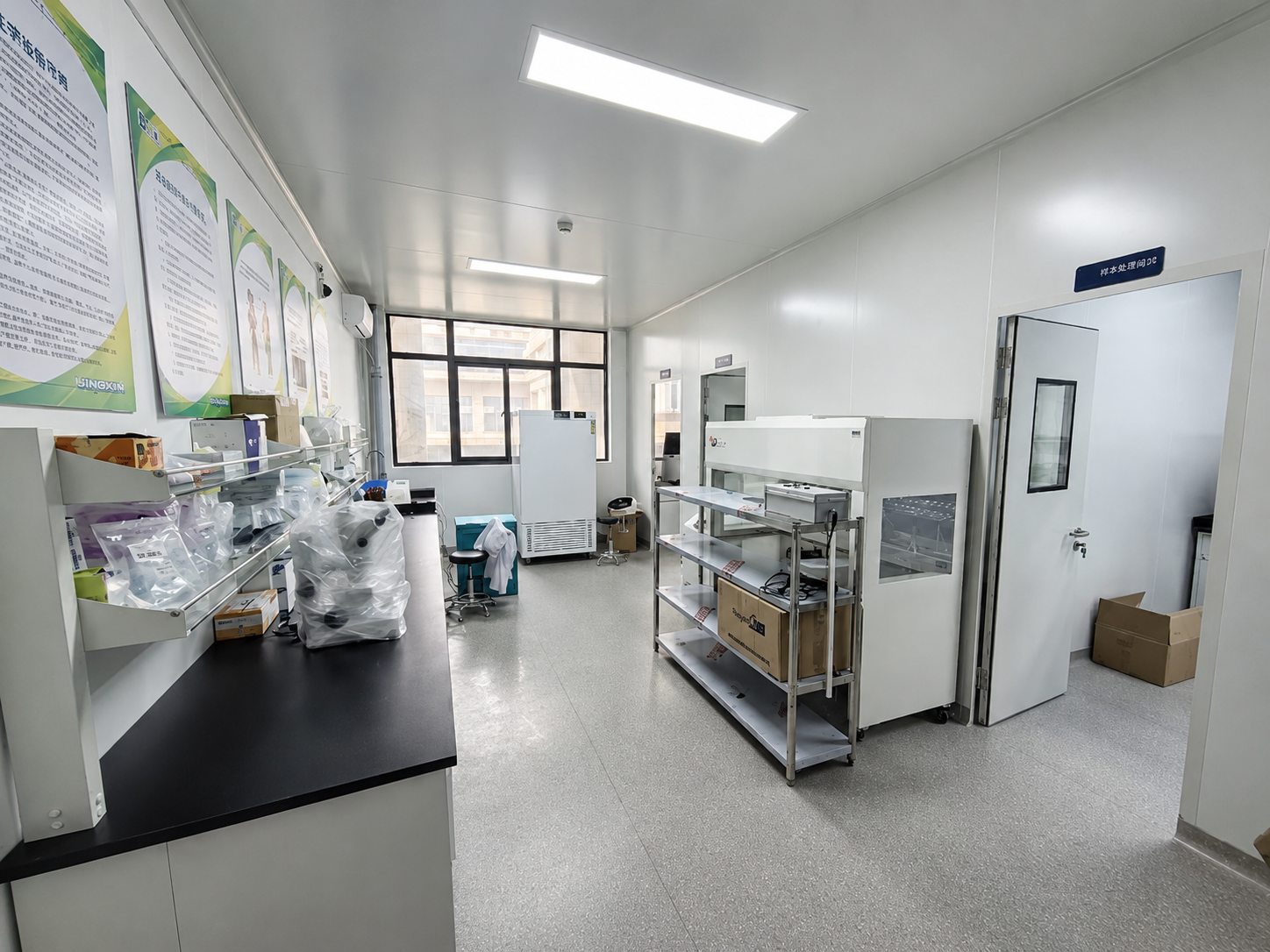
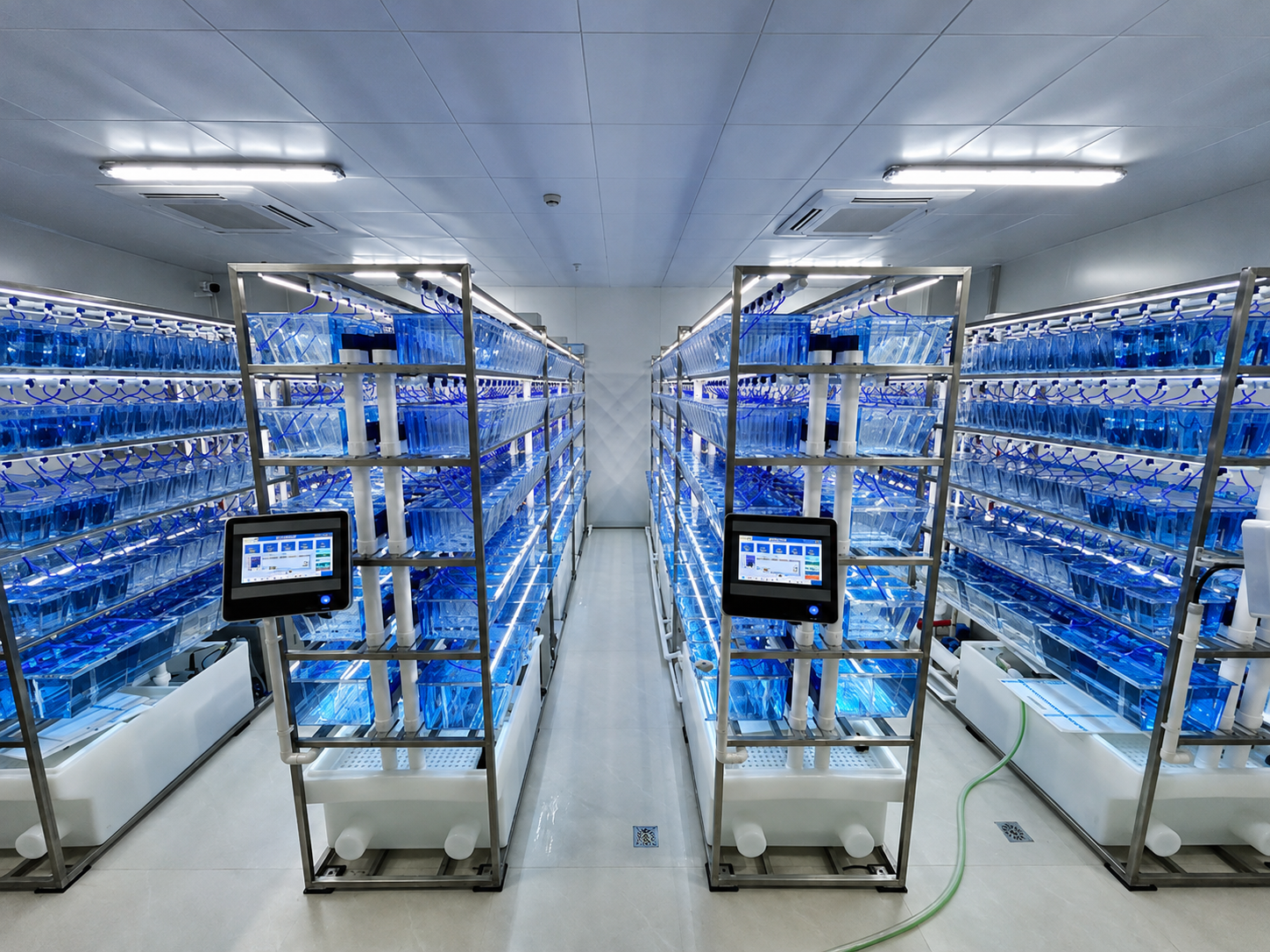
The laboratory covers approximately 20 square meters and is designed to support use by up to 10 researchers. With its specialized zebrafish equipment configuration, the platform can be used for a range of experimental applications, including efficacy analysis, safety assessment, and pharmacology and toxicology studies.
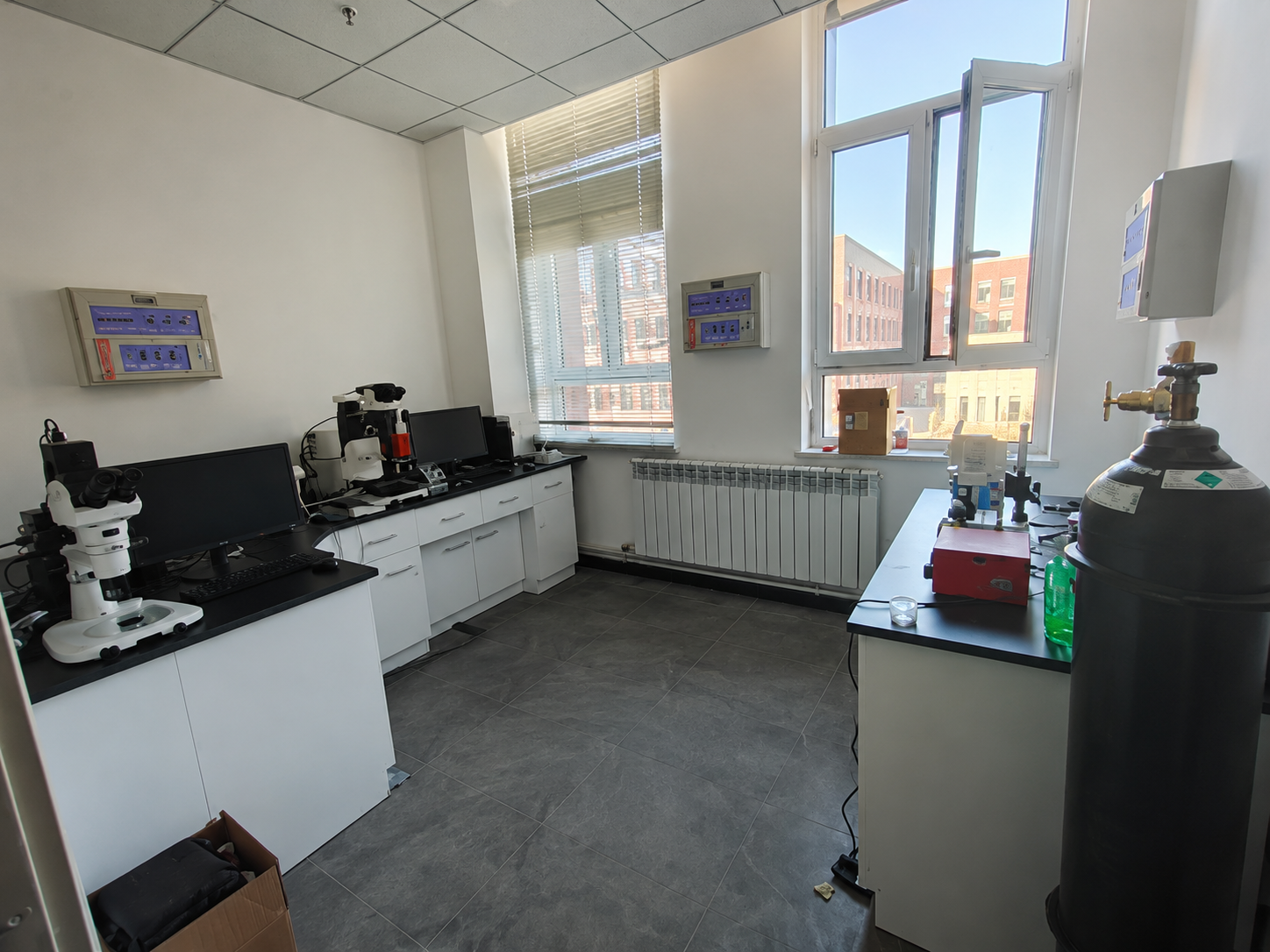
Zebrafish laboratory equipment solution for Xinjiang University School of Pharmacy
Project Positioning
The project was positioned as a compact but functionally complete zebrafish research platform to support the screening and validation of ethnic medicines and related pharmaceutical studies.
The goal was to provide the client with a laboratory platform capable of supporting:
- Ethnic medicine efficacy validation
- Ethnic medicine screening
- Drug efficacy analysis
- Safety assessment
- Pharmacology and toxicology evaluation
- New experimental research projects based on zebrafish models
By integrating imaging, behavioral testing, microinjection, and observation equipment into one laboratory setting, the platform helps researchers carry out both routine and exploratory zebrafish experiments more efficiently.
Equipment Configuration
The project included several core pieces of zebrafish research equipment, such as:
- Zebrafish imaging system
- Forced swimming system for zebrafish
- Digital pneumatic microinjection pump
- Stereo microscope
- Supporting experimental equipment for zebrafish-based studies
These instruments were selected to match the client’s research direction and practical experimental needs, especially in areas related to efficacy validation, screening, and safety evaluation.
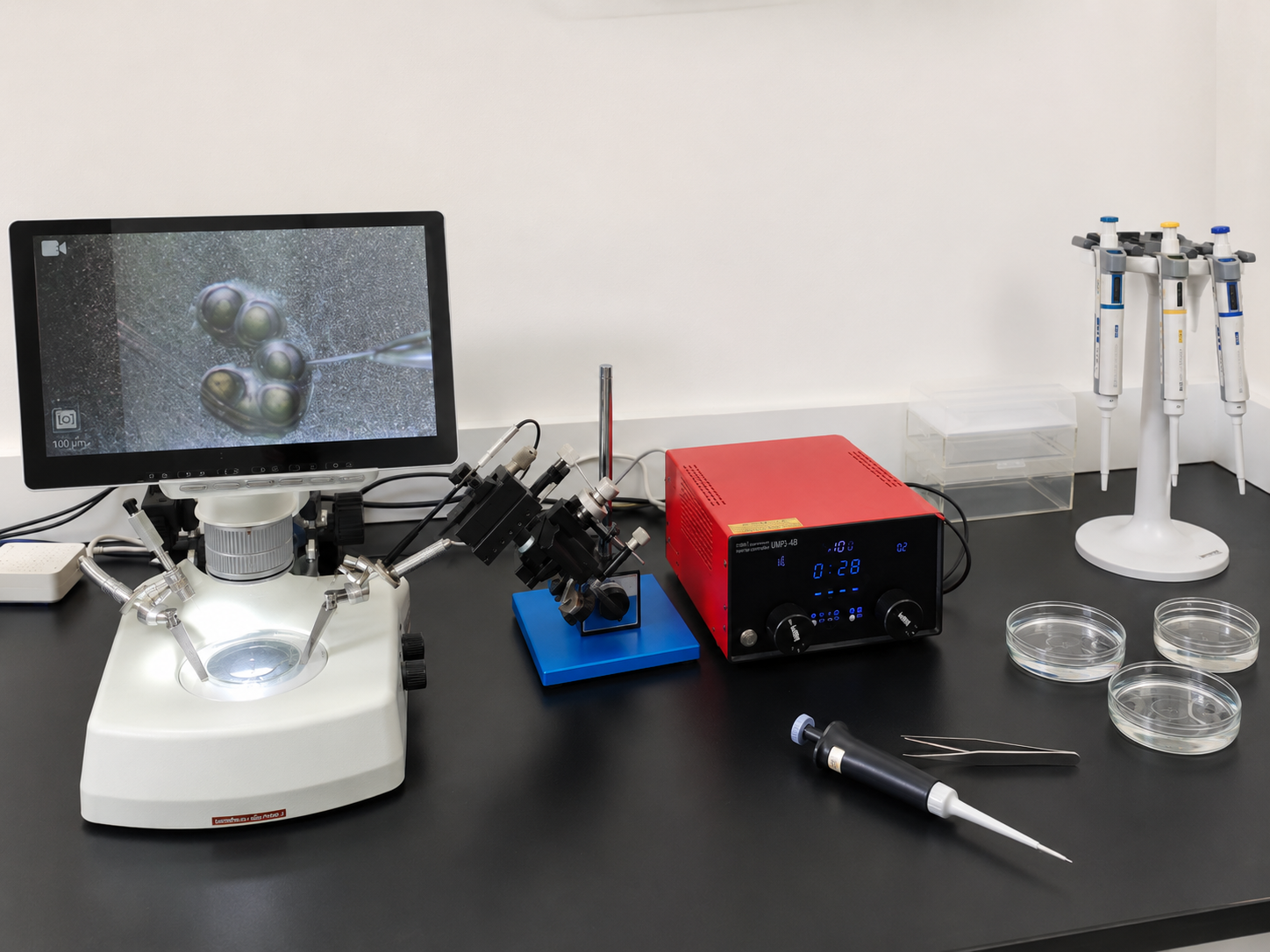
Core zebrafish equipment configured for the Xinjiang University School of Pharmacy laboratory
A Practical Platform for Drug Research
This zebrafish laboratory was built as a versatile research platform rather than a single-purpose facility. Although the overall area is relatively compact, the configuration allows the laboratory to support multiple experimental workflows and accommodate collaborative use by several researchers.
The platform can be used in studies involving:
- Drug efficacy evaluation
- Early-stage safety assessment
- Pharmacological research
- Toxicological evaluation
- Functional validation using zebrafish models
For a research institution working in the field of pharmacy and ethnic medicine, such a platform provides a flexible experimental environment that helps bridge traditional medicinal resources with modern screening and evaluation technologies.
Highly Valued: 360° Panoramic Imaging System
One of the pieces of equipment most appreciated by the client was Hunter’s 360° panoramic zebrafish imaging system.
This system is suitable for bright-field and fluorescence imaging of zebrafish larvae from 2 to 7 days post-fertilization. It was recognized by the client for both its ease of use and its practical value in daily experimental work.
A key advantage of the system is its 360-degree all-angle imaging capability, which allows researchers to capture images without blind spots along the body axis. This significantly reduces the difficulty of image acquisition and improves imaging speed.
In addition, the system is equipped with a one-click drainage and recovery function together with automatic cleaning. As a result, users do not need to clean the pipeline manually after every use. After imaging is completed, the zebrafish can continue to be used in subsequent experiments, which helps improve experimental continuity and reduce unnecessary animal loss.
For laboratories that need efficient phenotype observation, larval imaging, or fluorescence-based studies, such features can make a meaningful difference in both workflow efficiency and experimental consistency.
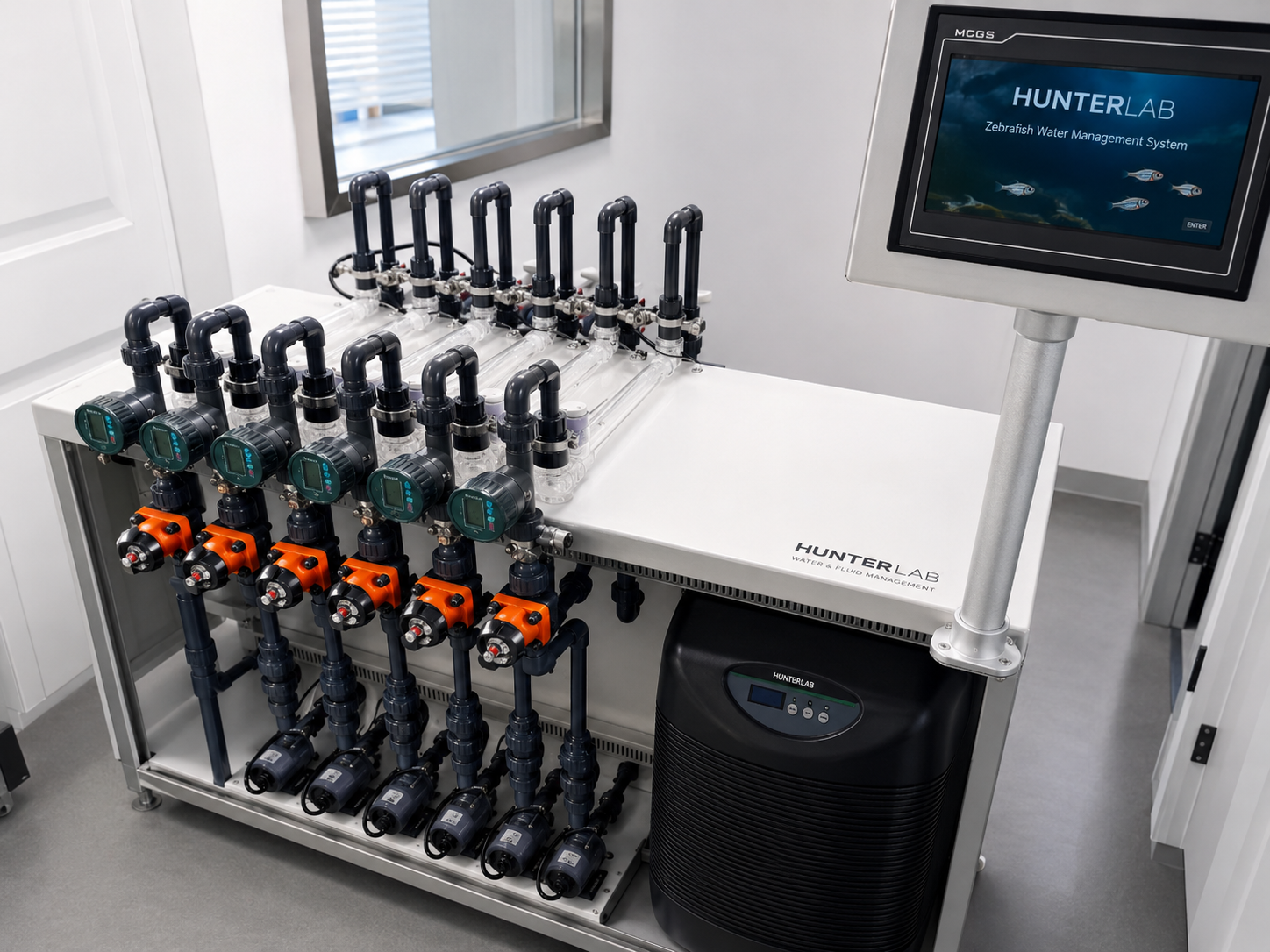
Hunter’s 360° panoramic imaging system for zebrafish larval bright-field and fluorescence imaging
Forced Swimming System for Endurance and Intervention Studies
Another important part of the laboratory configuration is the zebrafish forced swimming system, which can be used for adult zebrafish endurance testing and related drug intervention studies.
The system is designed with independently adjustable water-flow speeds, which greatly reduces the operational difficulty of the experiment and allows researchers to better control test conditions.
It can support simultaneous forced swimming tests in six channels, helping improve throughput and overall experimental efficiency. In addition, the inclusion of a cooling module and a hypoxia module enables the system to support a broader range of experimental scenarios and research objectives.
This makes the equipment suitable not only for routine endurance-related assays, but also for studies involving environmental stress, physiological adaptation, and pharmacological intervention.
Supporting Research on Ethnic Medicine and Drug Screening
Xinjiang University School of Pharmacy is known for its strong focus on pharmaceutical education and research, especially in the field of regional and ethnic medicinal resources.
By establishing a zebrafish-based experimental platform, the institution is better positioned to evaluate the biological activity, efficacy, and safety of compounds derived from ethnic medicines using a vertebrate model that supports relatively rapid and cost-effective screening.
Zebrafish are particularly valuable in such research because they combine:
- High experimental throughput
- Rapid observation of phenotypic changes
- Compatibility with imaging-based analysis
- Suitability for toxicity and efficacy evaluation
- Practical relevance for early-stage screening
For research teams working with diverse medicinal compounds and natural products, zebrafish can serve as an efficient bridge between preliminary screening and more advanced pharmacological studies.
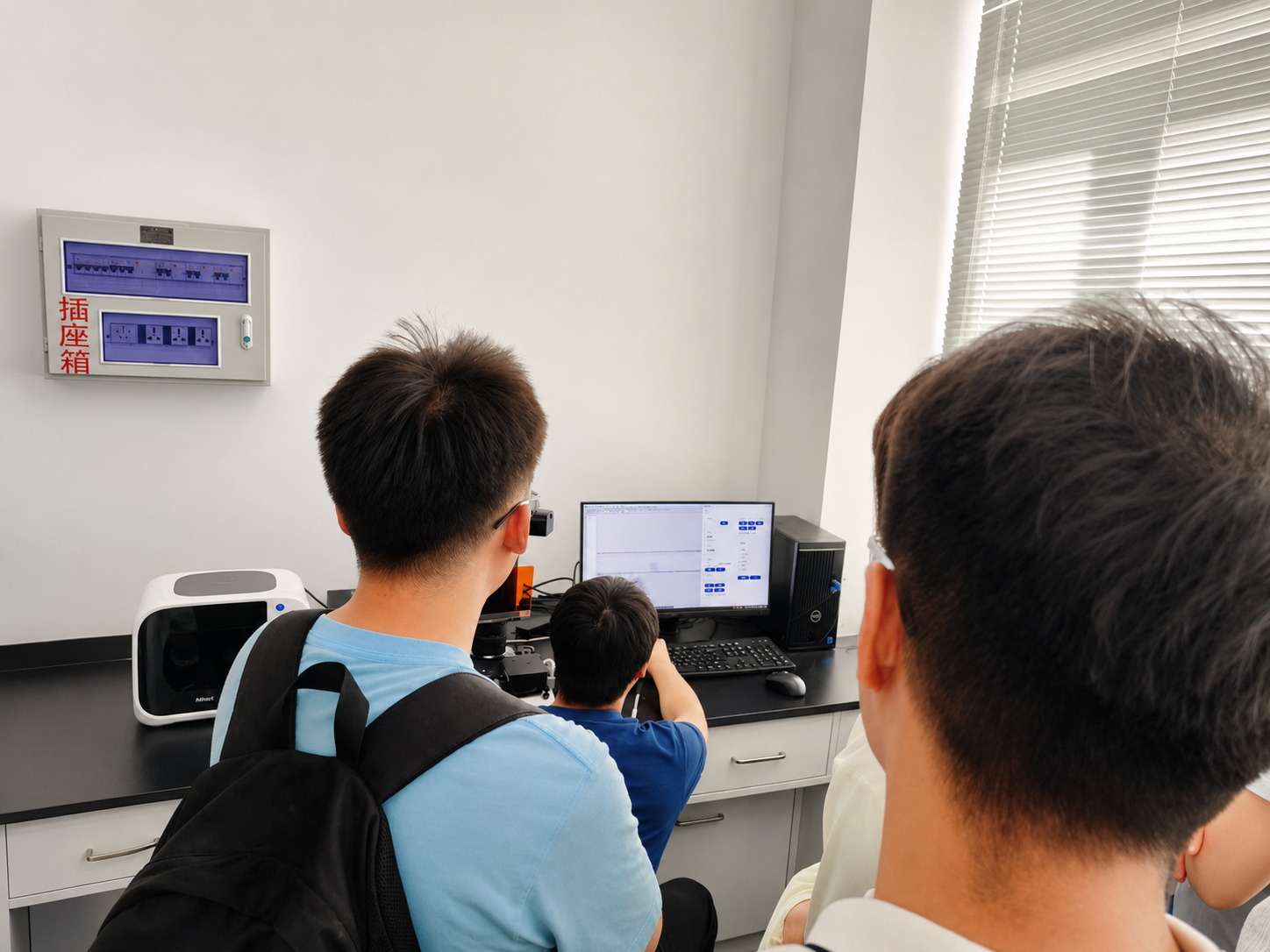
Zebrafish forced swimming system and related equipment supporting endurance and intervention studies
About the Client
The School of Pharmacy (Institute of Drug Research), Xinjiang University is one of the key academic units of a national “Double First-Class” university in China. It has a doctoral program in pharmacy and a postdoctoral research station, and it holds a leading position in pharmaceutical research and education in Northwest China.
The school is supported by research resources related to distinctive medicinal materials from Xinjiang and has established a key laboratory focused on the utilization of regional medicinal resources. Over the past five years, it has undertaken more than 40 national-level research projects and published over 200 papers in SCI journals.
The institution has also achieved notable results in the modernization of Uyghur medicine. Its zebrafish experimental platform serves as an important technical support platform for key research projects, including anti-tumor drug screening and drug-toxicity evaluation, demonstrating strong scientific translation potential and regional research influence.
Project Value
This project demonstrates how a compact zebrafish laboratory can still deliver broad research value when the equipment configuration is aligned with the user’s real scientific needs.
For Xinjiang University School of Pharmacy, the platform provides:
- A dedicated zebrafish research environment within a limited space
- Practical support for efficacy validation and screening of ethnic medicines
- Improved imaging efficiency for larval studies
- More convenient workflow for zebrafish observation and reuse
- Enhanced capacity for endurance testing and intervention studies
- Expanded capability for pharmacology, toxicology, and safety-related research
For Hunter, the project reflects the company’s ability to provide application-oriented zebrafish laboratory solutions tailored to the needs of universities, research institutes, and drug research platforms.
By combining suitable equipment selection with real research use scenarios, Hunter helps customers build zebrafish laboratories that are practical, efficient, and ready for long-term scientific use.

 EN