Project Overview
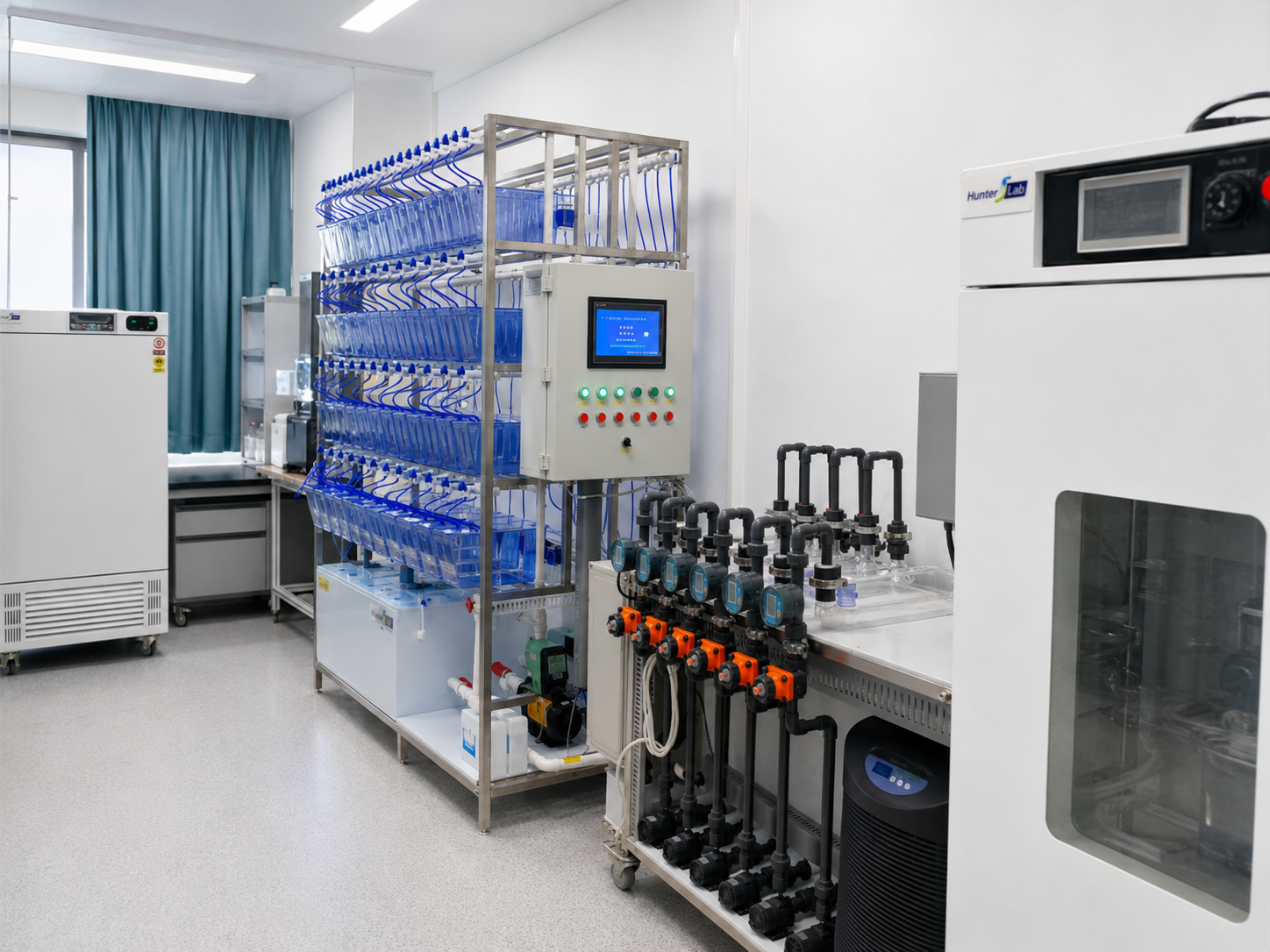
Hunter delivered a large-scale zebrafish housing platform for The Sixth Affiliated Hospital of South China University of Technology, also known as Nanhai District People’s Hospital of Foshan.
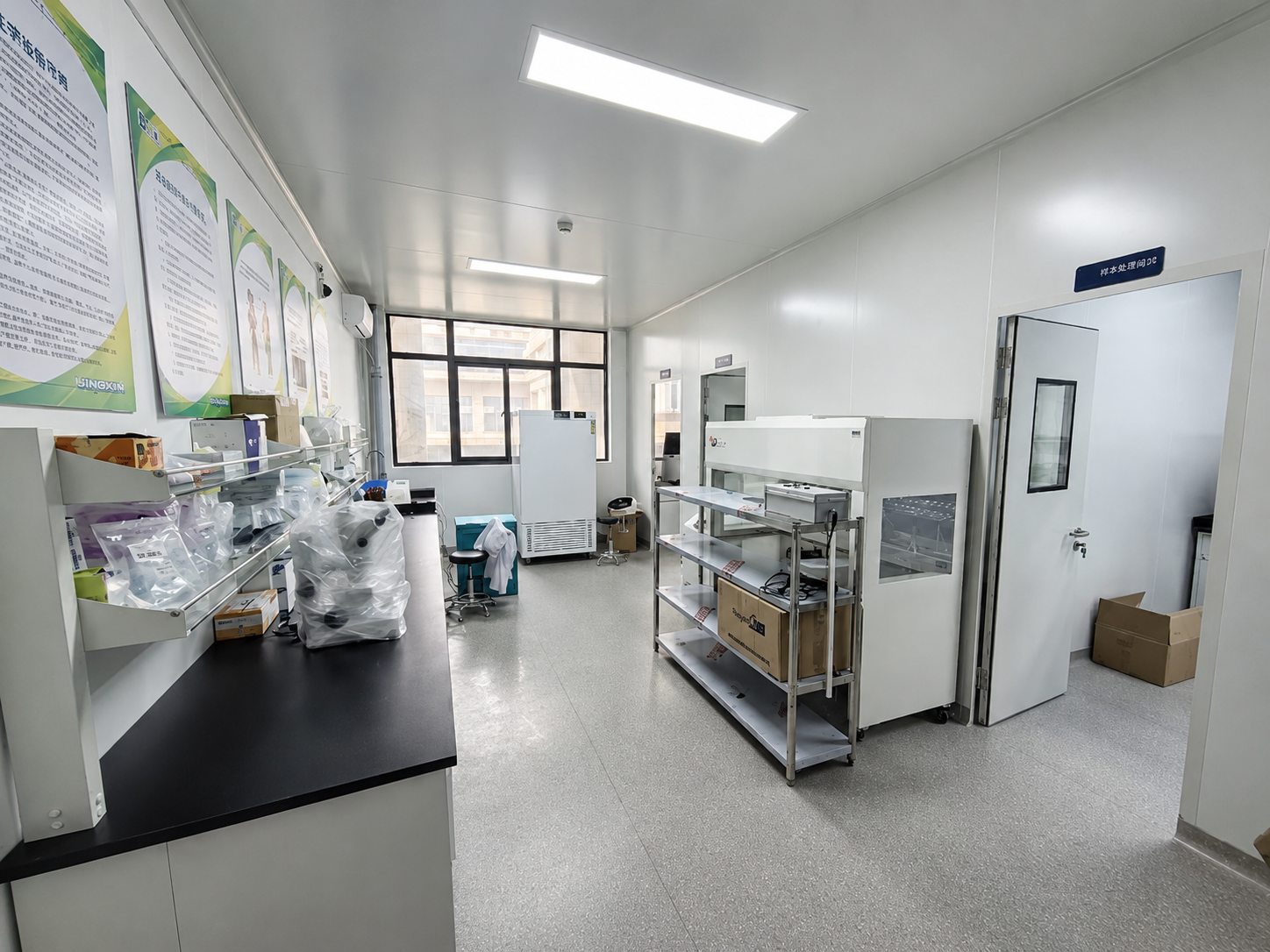
The project covers approximately 300 square meters and includes 40 five-tier, double-sided zebrafish housing systems. With a maximum planned housing capacity of approximately 120,000 zebrafish, the facility was developed to support biomedical and life science research across multiple research teams.
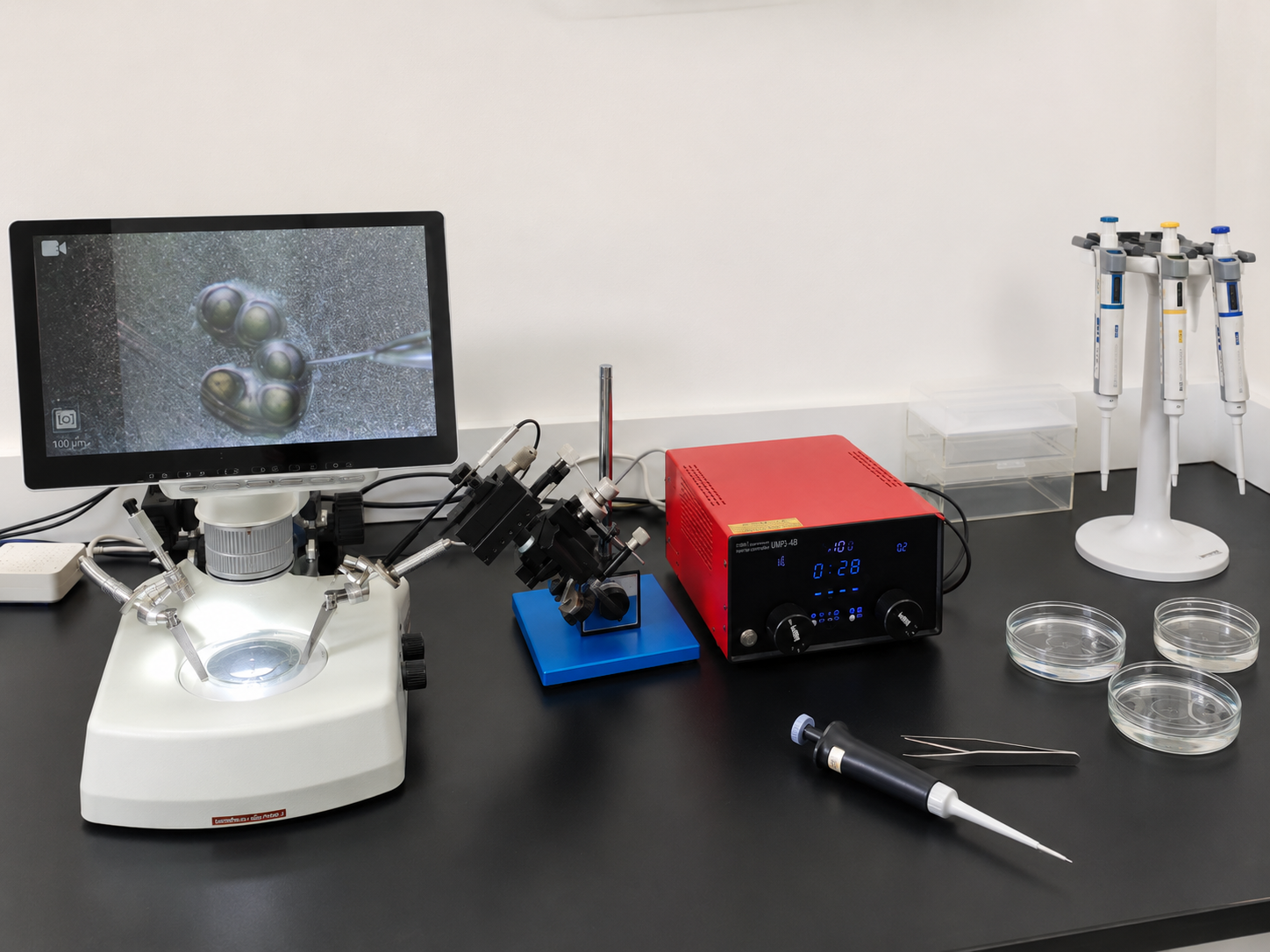
The platform provides standardized zebrafish husbandry conditions for applications including gene editing, disease modeling, drug screening, safety evaluation, and translational medicine research.
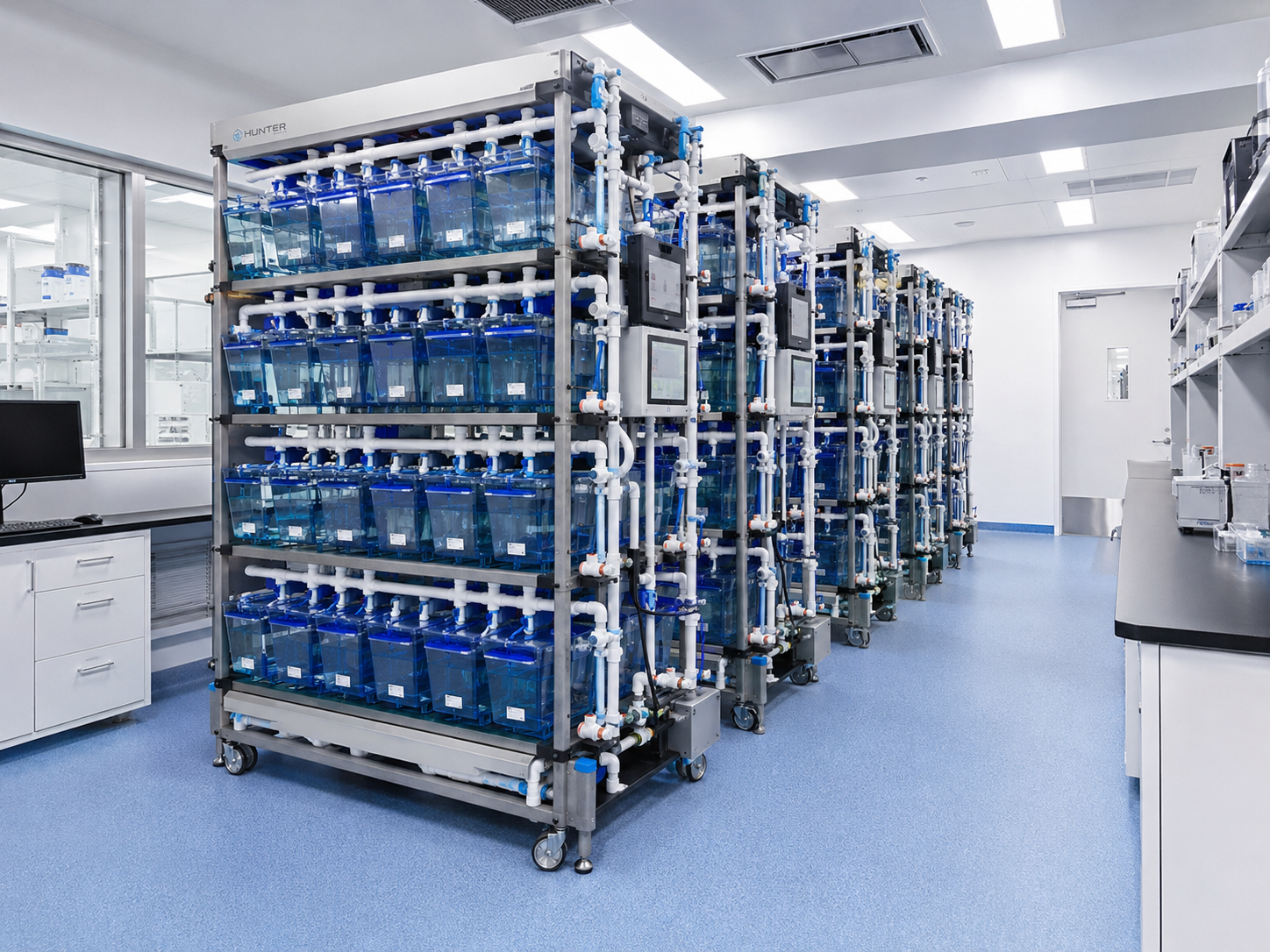
Large-scale zebrafish housing platform installed at Nanhai District People’s Hospital of Foshan
Project Positioning
The project was positioned as a centralized zebrafish research infrastructure platform supporting pharmaceutical, biomedical, and life science studies.
Its primary research applications include:
- Gene-editing model development
- Human disease modeling
- Drug discovery and screening
- Pharmacological efficacy evaluation
- Toxicology and safety studies
- Mechanism-of-action research
- Translational and preclinical research
Rather than serving only one laboratory or research group, the facility was planned to support multiple teams with different scientific objectives.
The large housing capacity allows researchers to maintain several zebrafish strains, disease models, experimental populations, and breeding groups at the same time.
Equipment Configuration
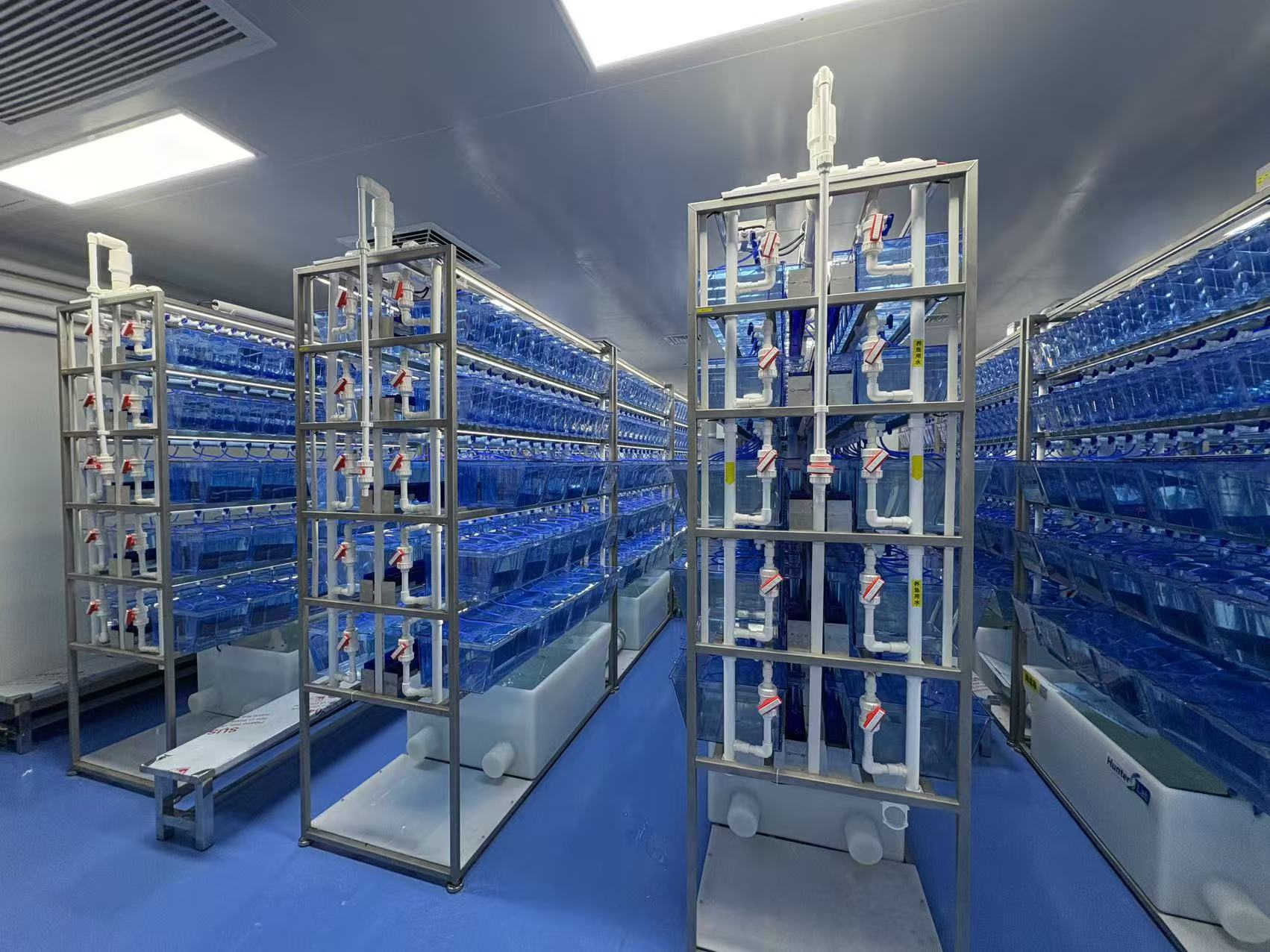
The project included a total of 40 five-tier, double-sided zebrafish housing systems.
The installation consisted of:
- 32 primary housing systems
- 8 additional systems for expanded or specialized use
- Five-tier, double-sided rack configurations
- Intelligent temperature-control modules
- Programmable lighting and photoperiod control
- Water-quality monitoring and circulation systems
- Integrated filtration and life-support components
The configuration was selected to maximize housing capacity while maintaining manageable laboratory workflows and access for routine husbandry.
Five-tier, double-sided zebrafish housing systems configured for large-scale biomedical research
A Maximum Housing Capacity of Approximately 120,000 Zebrafish
With 40 housing systems installed across a 300-square-meter facility, the platform can accommodate a maximum planned population of approximately 120,000 zebrafish, depending on tank configuration, animal age, density requirements, and experimental management protocols.
This scale provides several advantages for a hospital-based research platform.
It allows the institution to:
- Maintain multiple wild-type and genetically modified zebrafish lines
- Support breeding populations and experimental cohorts simultaneously
- Allocate separate systems to different research teams
- Conduct multi-dose and multi-group screening studies
- Expand projects without repeatedly rebuilding infrastructure
- Maintain quarantine or specialized populations where required
Large-scale capacity is particularly important for gene-editing and drug-screening programs, where researchers may need substantial numbers of embryos, larvae, or adult zebrafish across multiple experimental groups.
The platform therefore functions as a shared biological resource and experimental infrastructure rather than simply an animal housing room.
Intelligent Environmental Control
Stable environmental conditions are essential for zebrafish health and experimental reproducibility.
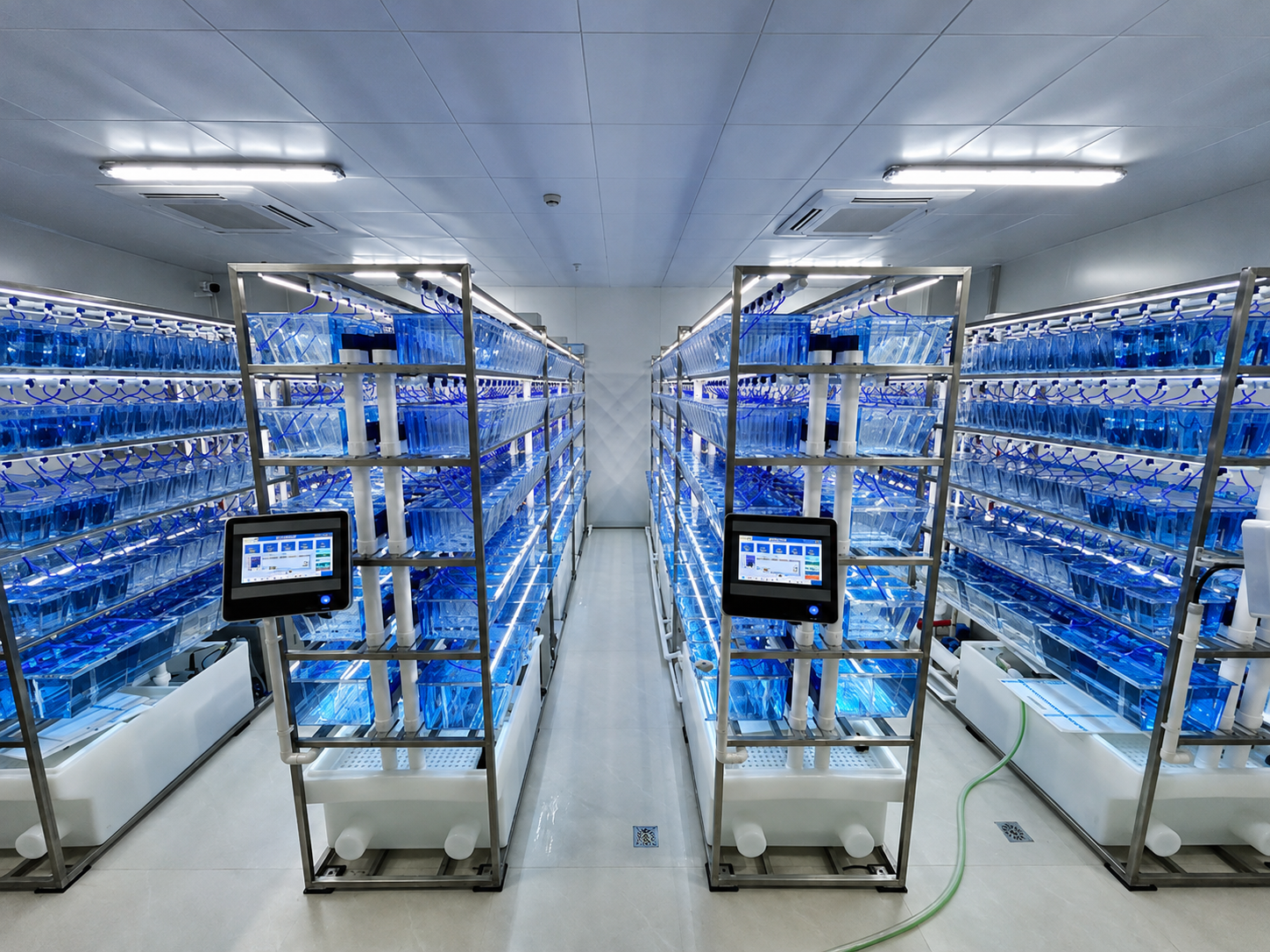
The installed systems integrate several automated control functions, including:
- Water temperature regulation
- Lighting and photoperiod programming
- Water circulation
- Filtration
- Water-quality monitoring
- Operational status monitoring
These functions help maintain more consistent husbandry conditions and reduce variation caused by manual control.
Temperature can affect zebrafish development, metabolism, reproduction, behavior, and disease phenotypes. Photoperiod can influence circadian rhythms, feeding, breeding, and experimental responses.
Water quality, including parameters such as pH and conductivity, can also influence animal condition and data consistency.
By controlling these variables within a standardized system, the platform provides a more reliable foundation for long-term research projects.
Intelligent control and monitoring systems supporting stable zebrafish husbandry conditions
Supporting Multiple Research Teams
One of the main design objectives was to allow several research groups to use the facility simultaneously.
Different teams may require:
- Different zebrafish strains
- Separate breeding programs
- Independent experimental groups
- Different drug exposures
- Different study schedules
- Different model-development workflows
The scale and modular structure of the facility make it possible to allocate housing capacity according to project needs.
This helps reduce conflicts between research teams and allows the hospital to manage the platform as a shared scientific resource.
The modular system design also supports future adjustment. Housing units can be assigned to specific departments, disease areas, or research programs as institutional priorities change.
Zebrafish Models for Human Disease Research
Zebrafish are widely used in biomedical research because many genes, organs, developmental pathways, and physiological processes are conserved between zebrafish and humans.
Their rapid development, small size, genetic accessibility, and optical transparency make them especially useful for disease modeling and early-stage drug research.
Through gene-editing technologies, researchers can generate zebrafish models that reproduce selected disease-associated genetic changes or phenotypes.
Potential research applications include the following areas.
Cancer Models
Zebrafish can be used to study tumor initiation, growth, angiogenesis, metastasis, and drug response.
Examples include models relevant to:
- Melanoma
- Liver cancer
- Leukemia
- Colorectal cancer
- Other solid and hematological tumors
These models can support both basic mechanism research and candidate drug screening.
Cardiovascular and Cerebrovascular Disease
Zebrafish possess a functional cardiovascular system that can be observed during development.
Researchers can evaluate:
- Blood-flow changes
- Vascular development
- Thrombosis-related phenotypes
- Atherosclerosis-related mechanisms
- Cardiac function
- Cardiovascular toxicity
These applications make zebrafish useful for both disease research and safety evaluation.
Neurological Disorders
Zebrafish models can support research into neurological and neurodegenerative diseases.
Potential areas include:
- Alzheimer’s disease
- Parkinson’s disease
- Epilepsy
- Autism spectrum disorder
- Anxiety-related behavior
- Sleep and circadian regulation
Behavioral assays and imaging can be combined with gene editing and compound exposure to evaluate disease phenotypes and treatment responses.
Metabolic Disease
Zebrafish can also be used to study metabolic regulation and related disorders.
Examples include:
- Diabetes
- Fatty liver disease
- Obesity-related pathways
- Lipid metabolism
- Glucose regulation
- Inflammation associated with metabolic dysfunction
These models can support early efficacy evaluation and mechanism studies for pharmaceutical and nutritional interventions.
From Basic Mechanism Research to Preclinical Drug Testing
The facility was designed to support research across multiple stages of the development pathway.
A zebrafish-based project may include:
- Identification of a disease-associated gene or pathway
- Development of a gene-edited or chemically induced model
- Confirmation of measurable disease phenotypes
- Screening of candidate drugs or active compounds
- Evaluation of dose-response relationships
- Assessment of efficacy and safety endpoints
- Selection of candidates for further mammalian or clinical research
This workflow helps connect basic research with translational and preclinical applications.
Zebrafish cannot replace all mammalian studies or clinical trials. However, they can help researchers screen more candidates, identify promising biological signals, and make earlier development decisions.
For a large hospital and university-affiliated research institution, this capability can improve the efficiency of multidisciplinary research programs.
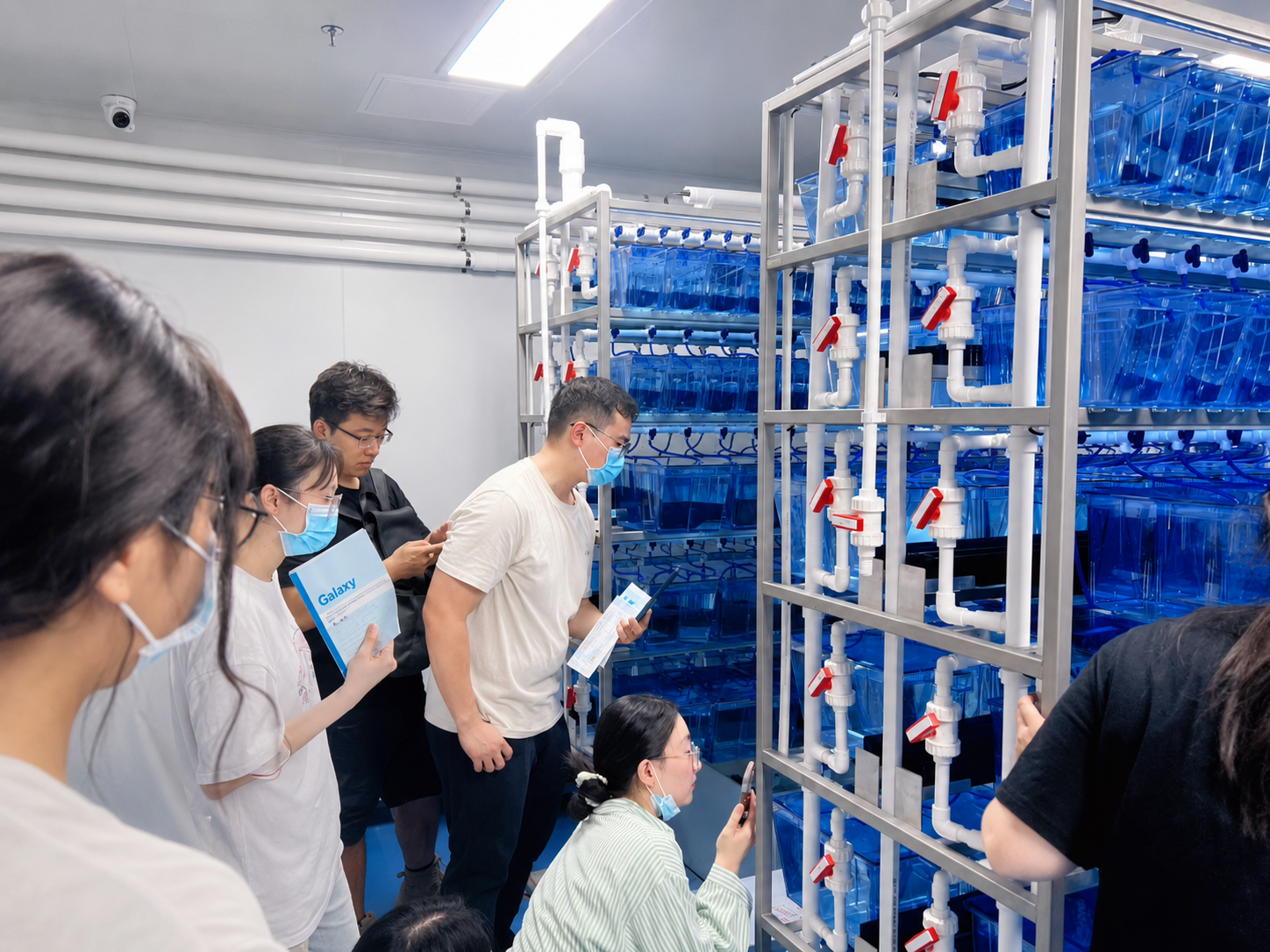
Zebrafish housing infrastructure supporting disease modeling, gene editing, and drug screening
Standardized Biological Models for Drug Discovery
A major advantage of the platform is its ability to provide more standardized biological material for experimental studies.
Drug-screening results can be affected by:
- Animal age
- Genetic background
- Health condition
- Housing density
- Water quality
- Temperature
- Feeding conditions
- Light cycle
By managing these factors within a centralized housing platform, the institution can improve consistency across studies.
The system also makes it easier to maintain stable breeding populations and produce zebrafish embryos or larvae according to planned experimental schedules.
This is particularly valuable for high-throughput screening, where experiments may require large numbers of animals with consistent developmental stages.
Operational Efficiency and Scalable Research Capacity
The five-tier, double-sided configuration was selected to improve space utilization.
Compared with dispersed small-scale systems, a centralized platform can offer:
- Higher housing density per unit of floor space
- More efficient circulation and filtration management
- Easier routine inspection
- Centralized maintenance
- More consistent environmental control
- Improved allocation of animal resources
- Greater ability to expand research programs
The 300-square-meter facility also provides sufficient space for access, husbandry, equipment maintenance, sample handling, and research operations.
A large housing installation must balance capacity with workflow. Systems must remain accessible for feeding, breeding, tank changes, inspection, cleaning, and emergency response.
For this reason, laboratory layout and equipment spacing are important parts of the overall solution.
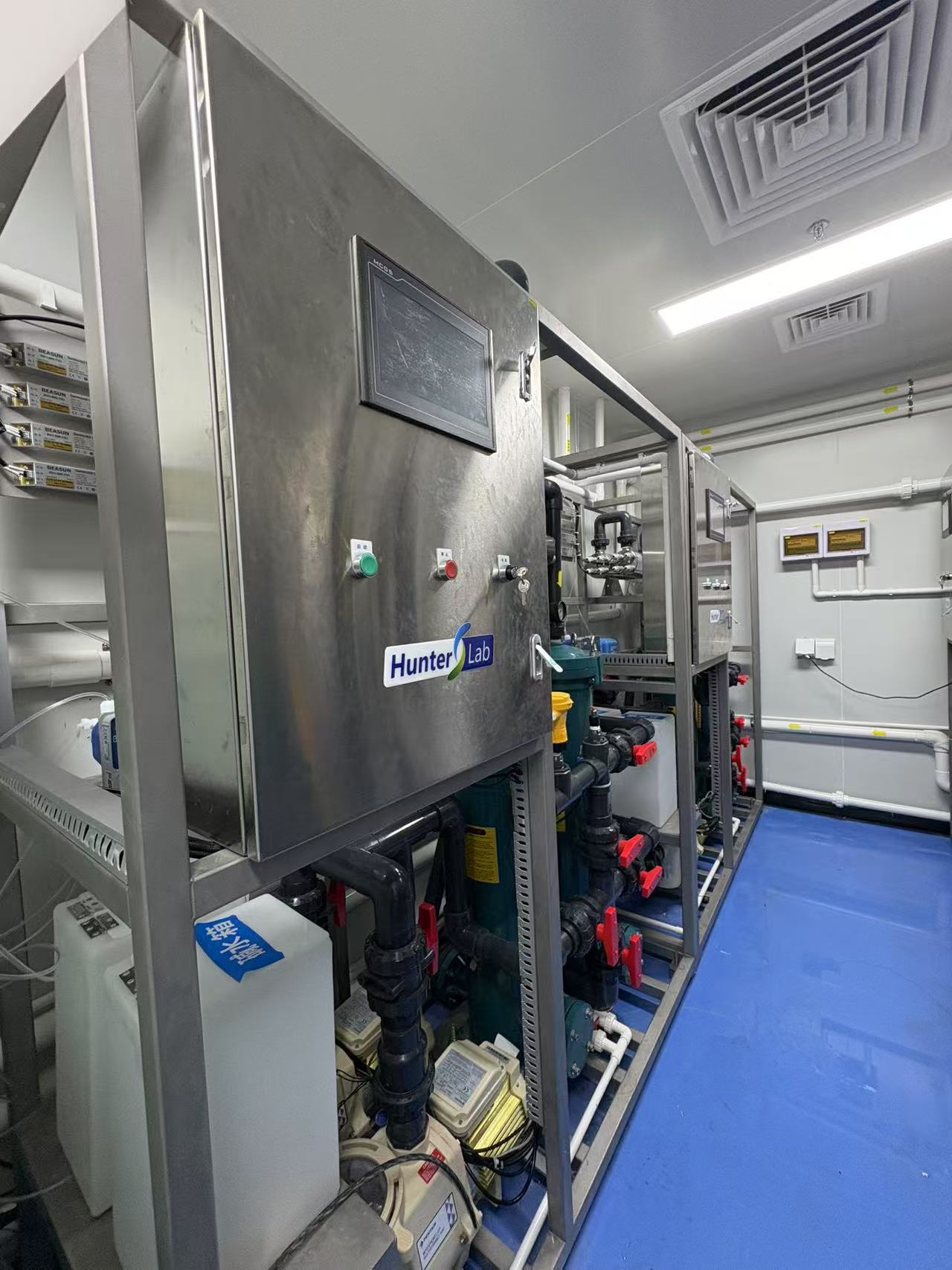
Hunter’s Integrated Project Support
Hunter’s role extended beyond the delivery of housing racks.
The project solution included support for:
- Facility and equipment planning
- Housing-system configuration
- Installation and commissioning
- Water circulation and system testing
- Environmental parameter setup
- Operator training
- Routine maintenance guidance
- Technical consultation
- Long-term system operation support
For a facility of this scale, commissioning is especially important.
The water-treatment system, circulation loops, temperature control, monitoring modules, and individual housing units must operate together reliably before full animal introduction.
Hunter’s technical team worked to support the transition from installation to operational use and to help the customer establish a stable zebrafish husbandry platform.
About the Client
The Sixth Affiliated Hospital of South China University of Technology, Nanhai District People’s Hospital of Foshan, was founded in 1946.
Located in Foshan, Guangdong Province, it is a major comprehensive Grade III Class A hospital integrating:
- Medical care
- Teaching
- Scientific research
- Disease prevention
- Healthcare services
- Rehabilitation
The hospital’s new campus covers approximately 220 mu and serves as a major medical institution in the region.
As an affiliated hospital of South China University of Technology, it combines clinical resources with university-based research and education capabilities.
This background provides a strong foundation for the development of translational medicine platforms that connect clinical needs, biomedical research, disease modeling, and drug evaluation.
Project Value
The completed zebrafish platform provides several long-term benefits.
Large-Scale Research Capacity
The facility can support large zebrafish populations and multiple simultaneous research programs.
Shared Institutional Infrastructure
Multiple departments and research teams can use the platform according to their project requirements.
Standardized Husbandry Conditions
Automated environmental control helps maintain more stable conditions for disease models and experimental animals.
Support for Precision and Translational Medicine
Gene-edited zebrafish models can support research into disease mechanisms and individualized therapeutic strategies.
Faster Early-Stage Screening
Zebrafish allow researchers to compare multiple compounds and experimental groups within shorter study cycles.
Lower Compound and Operating Costs
Their small size and compatibility with multiwell testing reduce compound consumption and improve early-stage screening efficiency.
Expandable Research Platform
The modular system configuration supports future adjustment and expansion as the hospital develops new research directions.
Building Infrastructure for Translational Medicine
The Nanhai District People’s Hospital project demonstrates how large-scale zebrafish infrastructure can support the development of modern hospital-based research.
By combining standardized animal housing, intelligent environmental control, gene-editing applications, disease modeling, and drug-screening capability, the platform connects basic life science research with translational and preclinical needs.
Hunter will continue to provide zebrafish laboratory systems and technical solutions for hospitals, universities, pharmaceutical companies, and scientific research institutions.
Through scalable housing infrastructure, specialized research equipment, and long-term operational support, Hunter aims to help customers establish reliable zebrafish platforms for biomedical innovation.

 EN