Project Overview
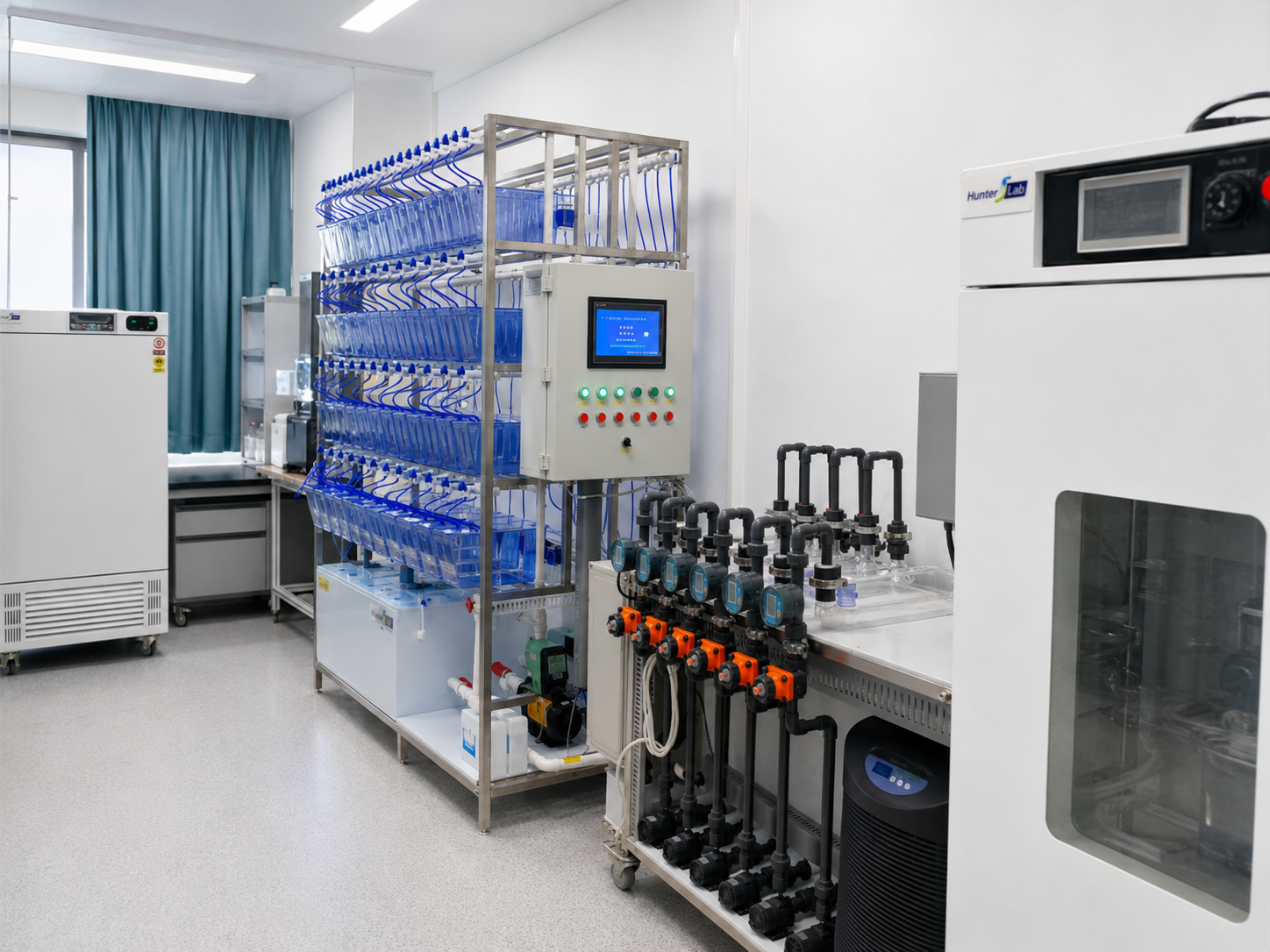
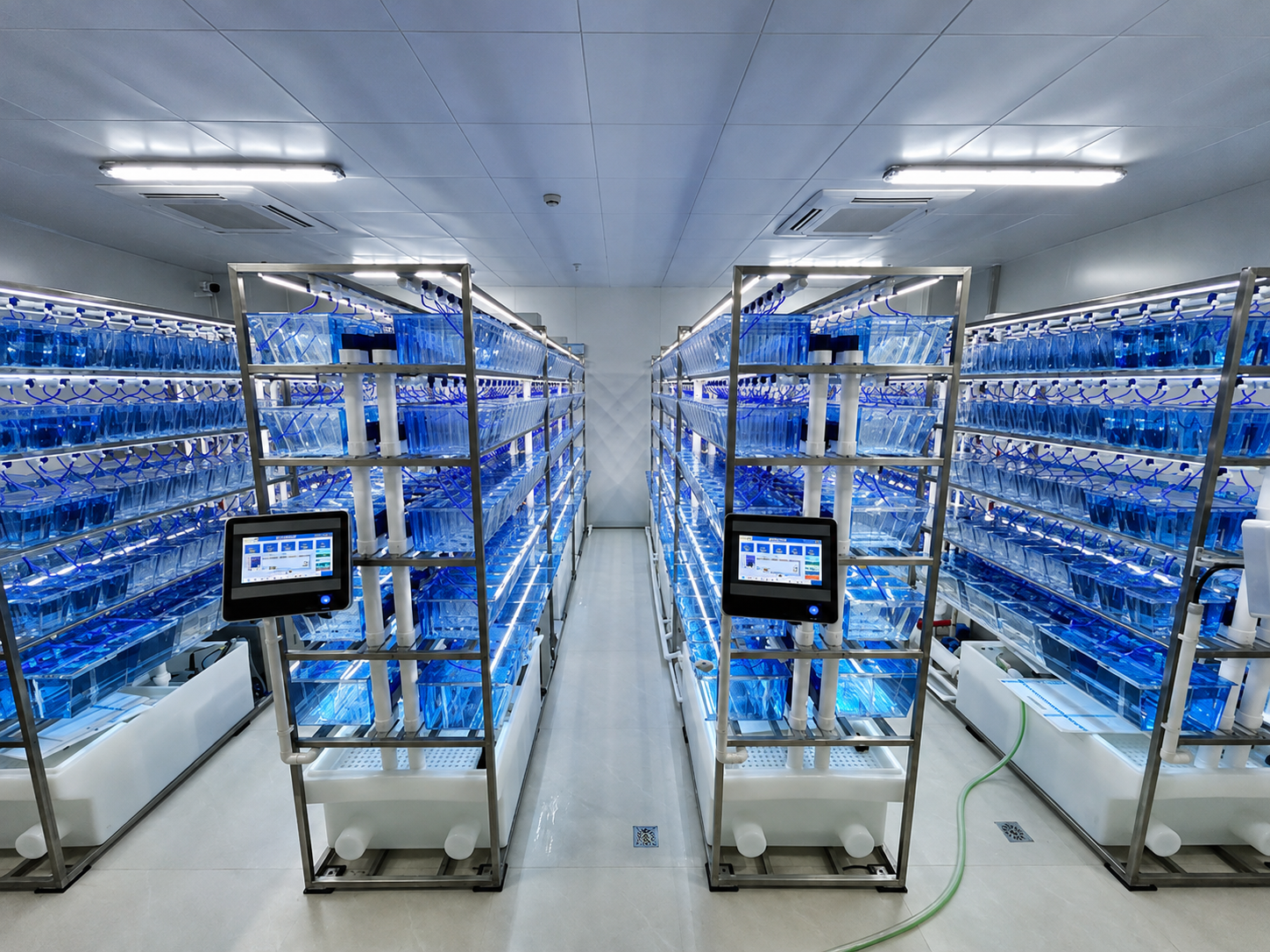
Hunter supported the Institute of Food Science and Technology, Chinese Academy of Agricultural Sciences (IFST-CAAS) in establishing a zebrafish laboratory platform for food nutrition, functional ingredient evaluation, and food safety research.
The project covers approximately 100 square meters and was completed over a period of slightly more than three months.
The platform was designed to support the institute’s research in food nutrition and health, functional food ingredients, agricultural product processing, quality control, and safety evaluation.
By introducing zebrafish as an in vivo vertebrate model, the laboratory provides researchers with an additional tool for studying the biological effects, efficacy, and potential safety risks of food-derived compounds and agricultural products.
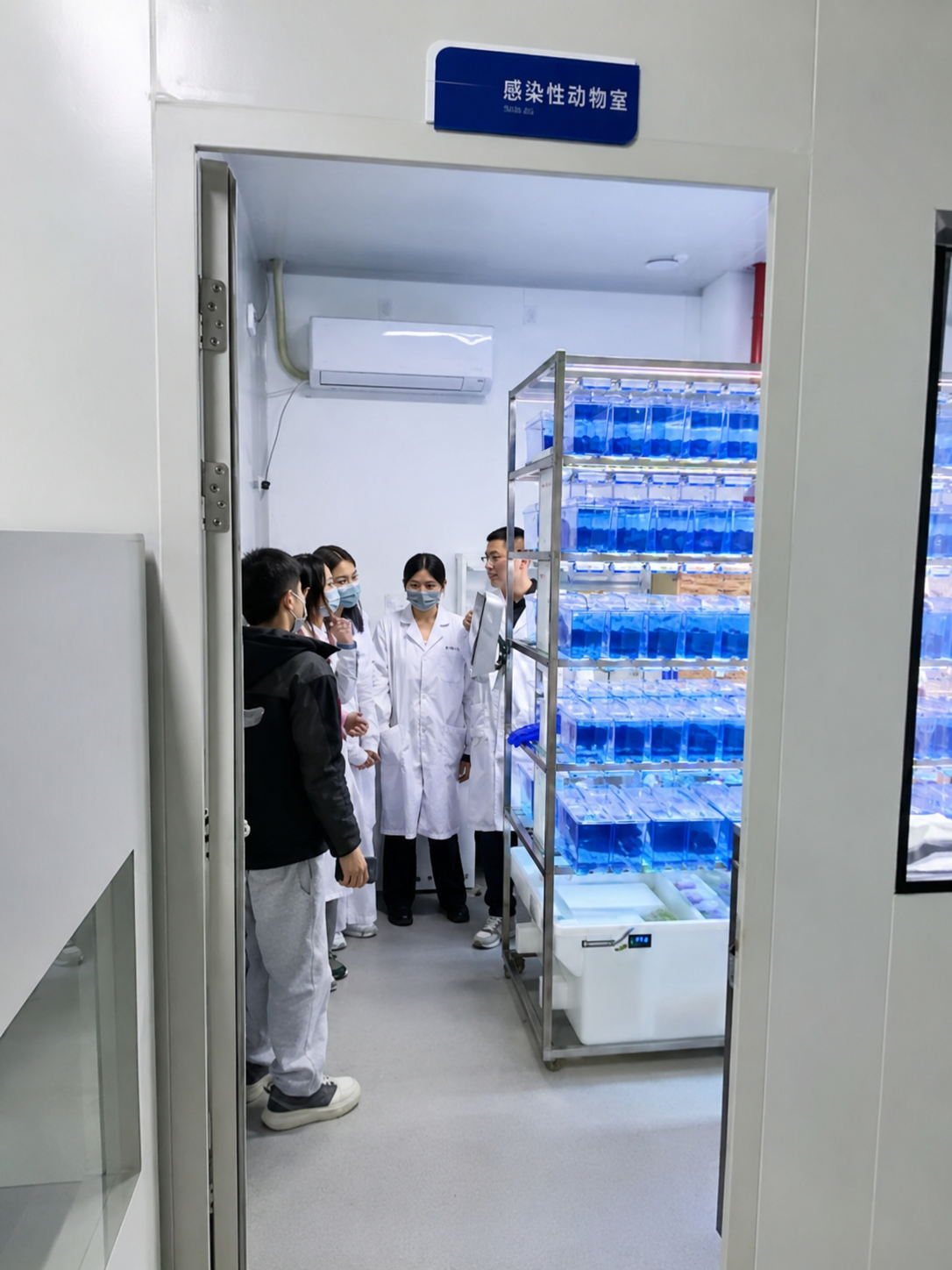
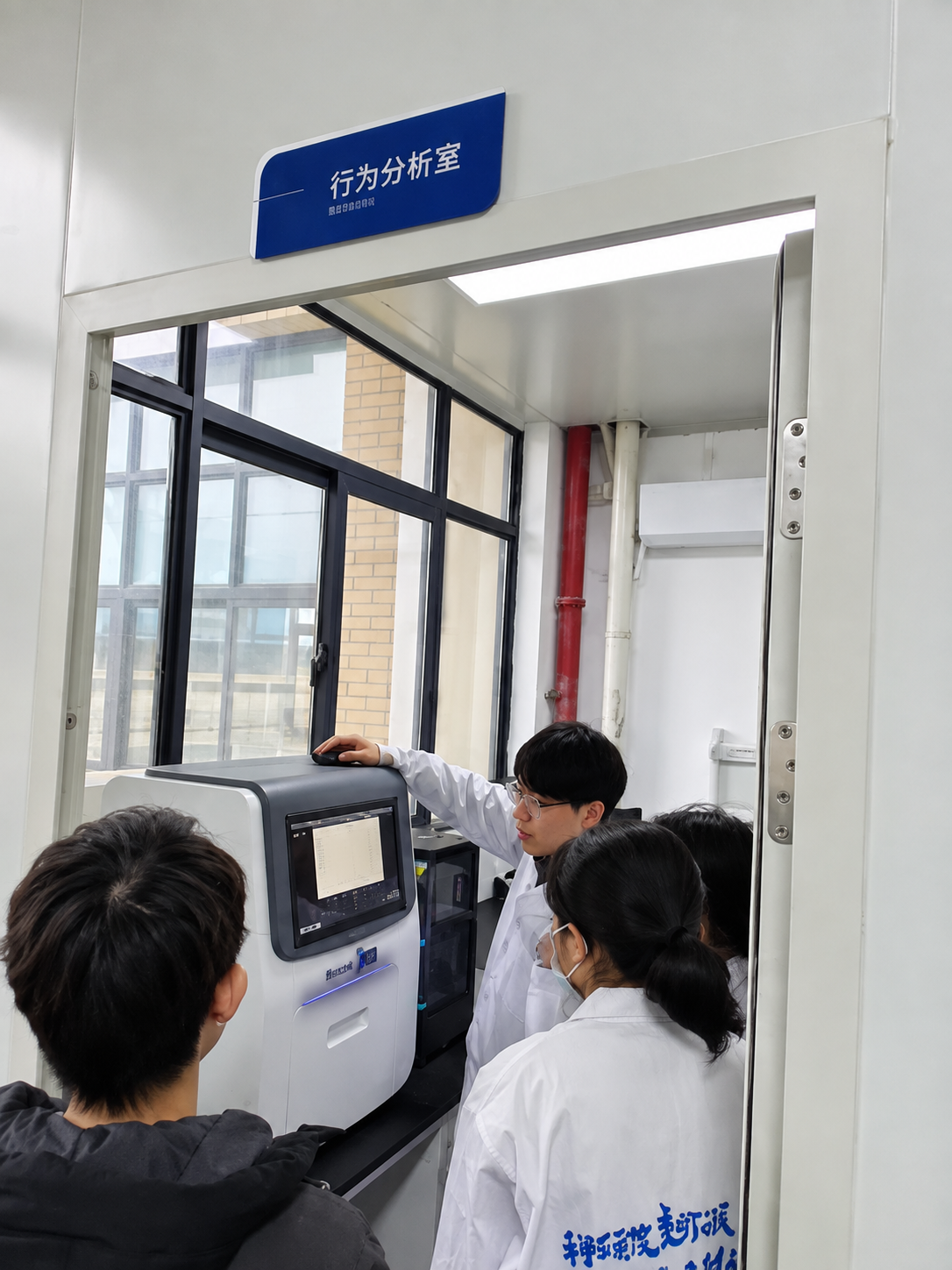
Zebrafish laboratory platform for food nutrition and safety research at IFST-CAAS
Project Positioning
The zebrafish laboratory was positioned as a multidisciplinary research platform supporting two major areas:
- Food nutrition and functional ingredient research
- Model-based research on quality and safety during agricultural product processing
The platform can support studies involving:
- Biological activity of food-derived compounds
- Functional ingredient screening
- Nutritional efficacy evaluation
- Safety and toxicity assessment
- Oxidative stress and inflammation
- Metabolic regulation
- Intestinal health
- Lipid and glucose metabolism
- Quality changes during food processing
- Evaluation of potentially hazardous substances
This positioning connects food science with whole-organism biological evaluation.
Instead of relying only on chemical analysis or isolated cell assays, researchers can use zebrafish to observe integrated physiological responses in a living vertebrate model.
Why Zebrafish Are Valuable in Food and Nutrition Research
Food and agricultural product research often involves complex mixtures rather than a single purified compound.
A functional ingredient, plant extract, fermentation product, or processed food fraction may contain multiple active components that influence several biological pathways at the same time.
Cell-based assays can provide useful information about individual mechanisms, but they cannot fully reproduce digestion-related exposure, circulation, metabolism, organ interactions, or whole-organism responses.
Zebrafish provide a practical complementary model because they combine:
- Rapid development
- Small body size
- High experimental throughput
- Low sample consumption
- Optical transparency during early development
- Conserved metabolic and physiological pathways
- Quantifiable behavioral and morphological endpoints
- Compatibility with automated imaging and analysis
These characteristics make zebrafish suitable for early-stage screening and comparative evaluation of food-derived substances.
They can help researchers identify promising functional ingredients, observe biological responses, compare dose levels, and prioritize candidates for further studies.
Supporting Functional Ingredient Research
One of the main applications of the platform is the evaluation of functional food ingredients.
Depending on the research objective, zebrafish models may be used to investigate potential effects related to:
- Antioxidant activity
- Anti-inflammatory activity
- Lipid-lowering effects
- Glucose regulation
- Liver protection
- Intestinal function
- Immune regulation
- Cardiovascular health
- Neuroprotective activity
- Fatigue and exercise performance
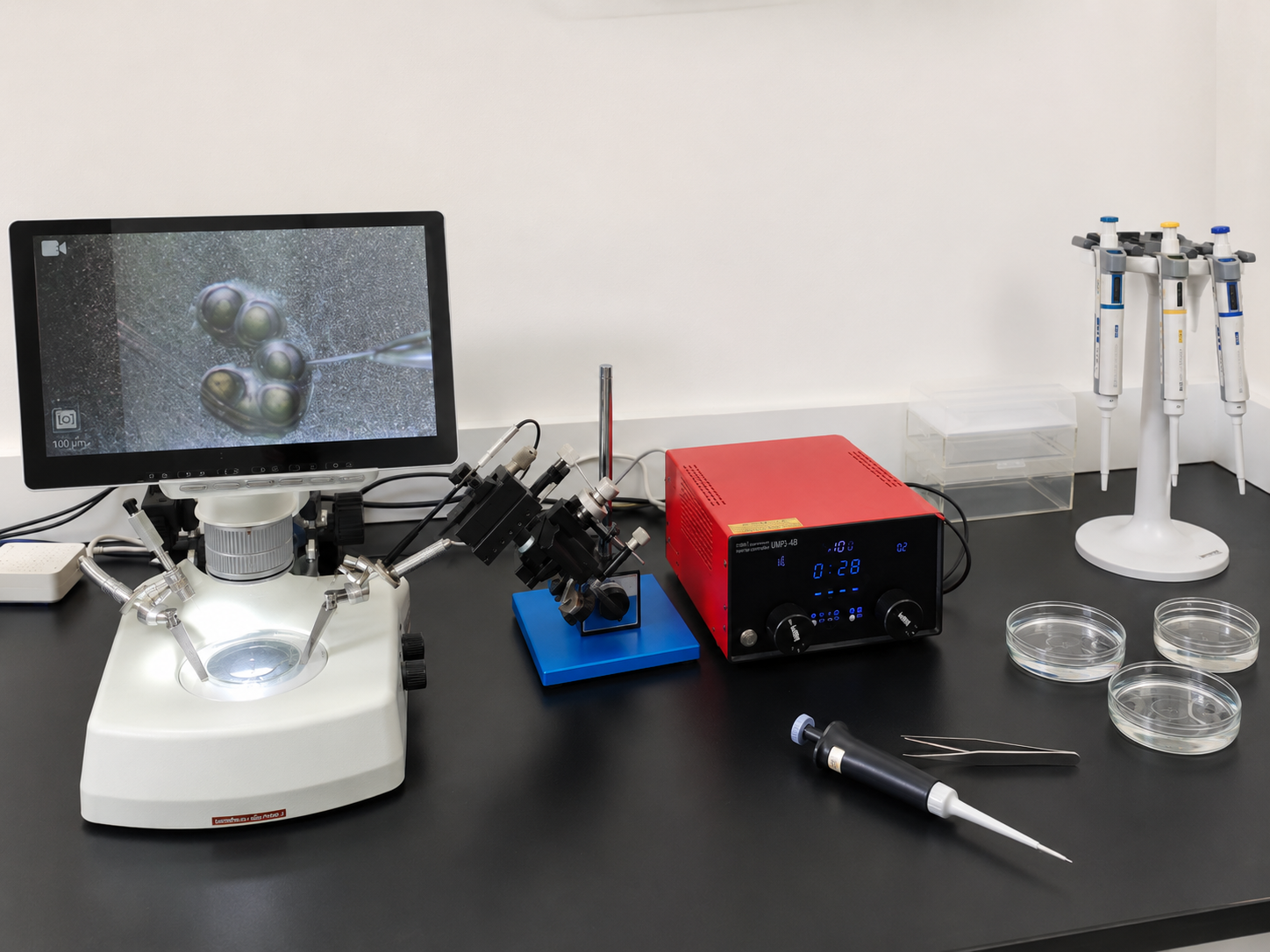
For example, fluorescent reporter models or phenotype-based assays can be used to observe inflammation, oxidative stress, lipid accumulation, vascular changes, or organ development.
Behavioral assays may also be introduced when researchers need to evaluate activity, stress-related responses, sleep, endurance, or neurological effects.
This allows the platform to support both mechanism-oriented research and application-oriented ingredient screening.
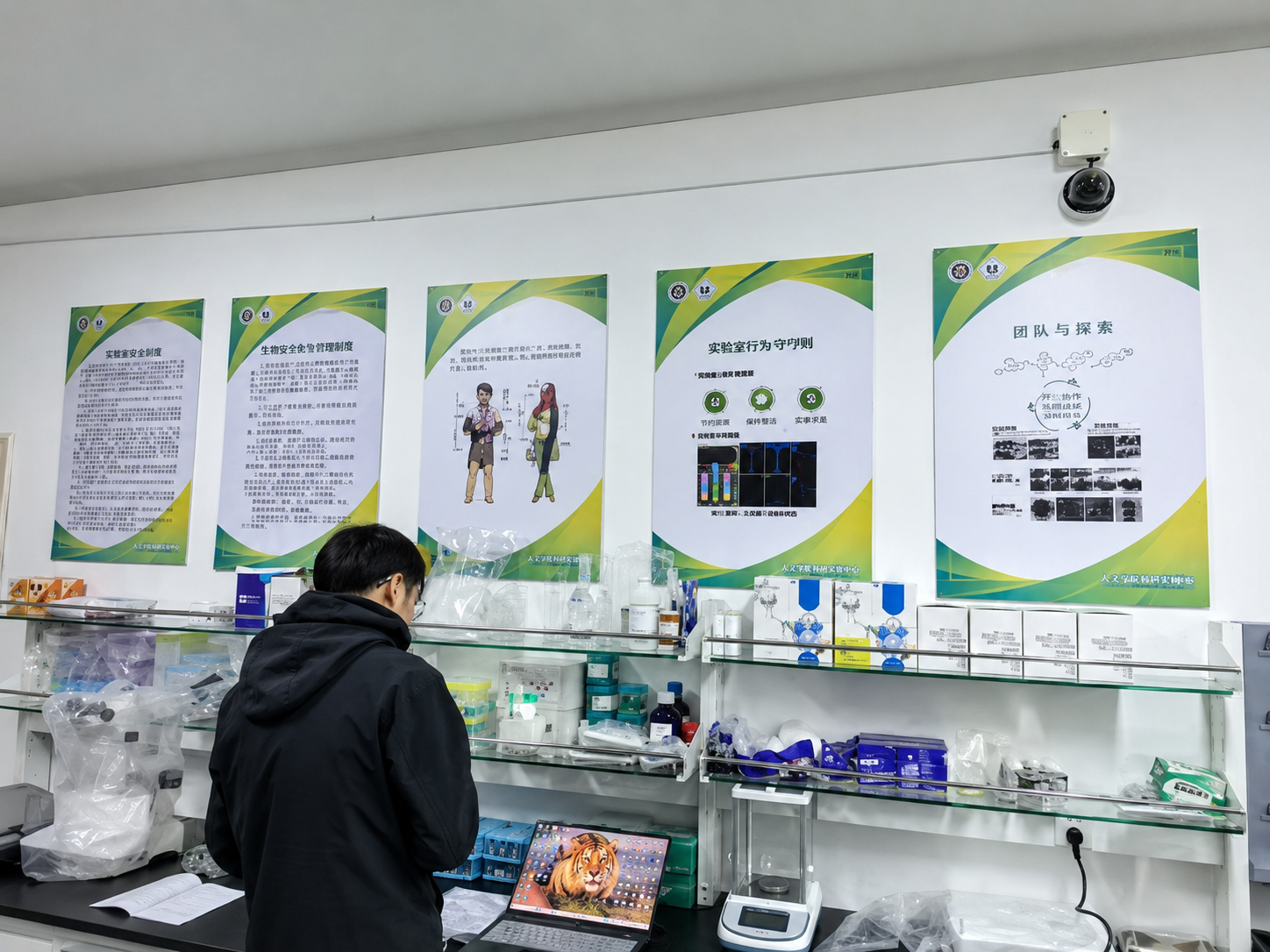
Zebrafish-based evaluation platform for food-derived functional ingredients
Research on Food Nutrition and Health
The laboratory also supports research into how nutrients and food components affect growth, metabolism, organ function, and physiological health.
Potential study areas include:
- Nutrient absorption and utilization
- Effects of dietary components on growth and development
- Lipid accumulation and fatty liver-related phenotypes
- Glucose metabolism
- Intestinal barrier function
- Microbiota-related research when combined with suitable methods
- Oxidative damage
- Inflammatory responses
- Cardiovascular and neurological effects
Zebrafish can help researchers move beyond purely compositional analysis.
A compound may have a high concentration of a certain nutrient or phytochemical, but its biological value also depends on whether it produces a measurable physiological effect.
By combining chemical characterization with zebrafish-based biological evaluation, researchers can build a more complete evidence chain for functional foods, nutritional ingredients, and processed agricultural products.
Quality and Safety Research in Agricultural Product Processing
Agricultural product processing can improve shelf life, flavor, digestibility, and nutritional value. At the same time, processing may alter chemical composition or produce unwanted by-products.
The zebrafish platform can support model-based research into quality and safety issues associated with:
- Thermal processing
- Fermentation
- Drying
- Extraction
- Storage
- Packaging
- Preservation
- Processing-related contaminants
- Degradation products
- Residual substances
Researchers can compare materials before and after processing to evaluate whether the process changes biological activity or introduces potential safety risks.
This is particularly useful when analytical testing identifies a chemical difference but does not fully explain its biological significance.
Zebrafish-based assays can provide additional evidence by showing whether the change is associated with developmental toxicity, organ-specific effects, cardiovascular changes, behavioral abnormalities, or other measurable endpoints.
Supporting Agricultural Product Preservation and Quality Control
The institute’s research also covers logistics, preservation, and quality regulation of agricultural products.
During transportation and storage, agricultural products may undergo:
- Nutrient loss
- Oxidation
- Microbial spoilage
- Texture and flavor changes
- Formation of degradation products
- Changes in biological activity
The zebrafish platform can be used as part of a broader research strategy to compare preservation methods and assess whether changes in product quality are associated with measurable biological effects.
For example, researchers may compare:
- Fresh and stored samples
- Different packaging methods
- Different preservation treatments
- Different processing temperatures
- Different extraction or preparation methods
This helps connect physicochemical quality indicators with biological evaluation.
Zebrafish models supporting agricultural product processing, preservation, and safety studies
Improving Research Efficiency
The 100-square-meter laboratory provides a dedicated environment for zebrafish husbandry, experimental operation, sample handling, and data collection.
A centralized platform can improve research efficiency by providing:
- Standardized animal housing conditions
- Consistent experimental procedures
- Shared access for multiple research groups
- Reduced duplication of equipment and resources
- Better control of animal age and developmental stage
- More efficient comparison across treatment groups
- Improved traceability of research data
The project duration of slightly more than three months covered the transition from laboratory planning to system installation, commissioning, and operational preparation.
For an institutional platform, the construction process must consider not only equipment placement, but also workflow, water and drainage conditions, environmental control, animal management, and future research expansion.
Complementing Existing Food Science Research Methods
The zebrafish platform does not replace analytical chemistry, cell experiments, mammalian studies, or human clinical research.
Instead, it adds an intermediate whole-organism model to the institute’s existing research capabilities.
A potential research workflow may include:
- Chemical composition and quality analysis
-
- In vitro screening or cell-based mechanism studies
- Zebrafish efficacy and safety evaluation
- Candidate or formulation optimization
- Mammalian validation
- Human or application-focused research
This integrated approach allows researchers to use different models for different scientific questions.
Chemical analysis can identify what is present in a sample. Cell assays can examine specific mechanisms. Zebrafish can reveal integrated in vivo responses. Mammalian and human studies can then provide deeper validation when required.
Supporting Research on the Cascading Utilization of Agricultural Resources
The Institute of Food Science and Technology, CAAS also conducts research on the processing and cascading utilization of agricultural resources.
Agricultural by-products may contain proteins, polysaccharides, polyphenols, lipids, pigments, peptides, or other potentially valuable components.
However, identifying a compound is only the first step. Researchers also need to understand:
- Whether it has measurable biological activity
- What dose range may be effective
- Whether it produces undesirable effects
- Which extraction or processing method preserves its activity
- Whether it is suitable for further development
Zebrafish can provide a relatively rapid way to compare different fractions, extraction methods, or formulations.
This can help researchers prioritize higher-value applications for agricultural resources and reduce the time required to identify promising functional ingredients.
About the Client
The Institute of Food Science and Technology, Chinese Academy of Agricultural Sciences is a national-level research institution focused on major scientific and technological challenges in agricultural product processing and food science.
Its research is organized around four core areas:
- Processing and storage
- Quality and safety
- Nutrition and health
- Intelligent manufacturing
The institute supports scientific innovation, technology transfer, industry development, and international cooperation in the agricultural and food-processing sectors.
It also operates advanced research facilities and participates in national-level scientific platforms and international cooperation programs.
The institute places strong emphasis on researcher development and postgraduate education and supports the training of high-level scientific talent through postdoctoral, doctoral, and master’s programs.
Core Functions of the Zebrafish Laboratory
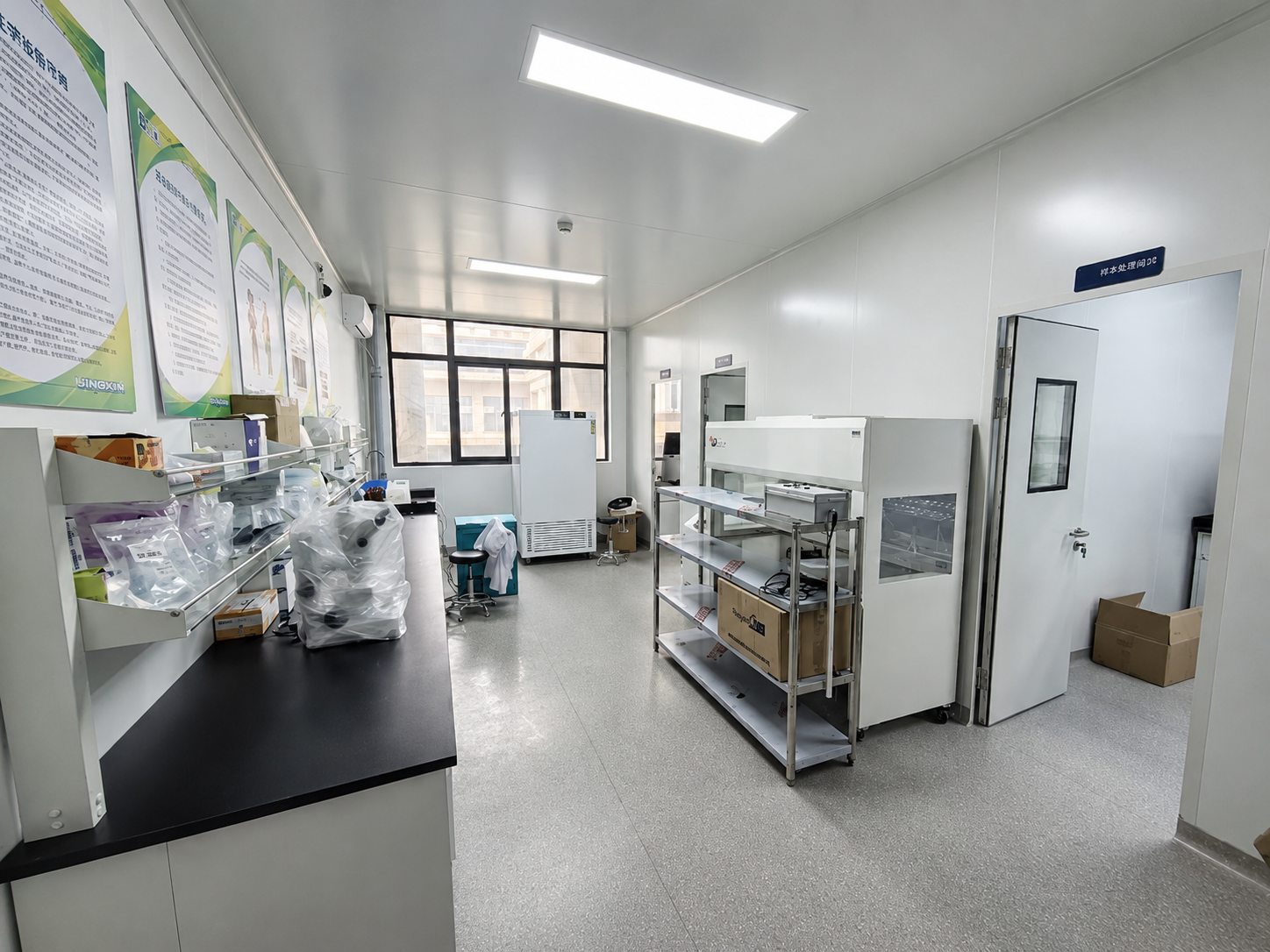
The 100-square-meter zebrafish laboratory supports several of the institute’s key research responsibilities.
Agricultural Product Logistics, Preservation, and Quality Regulation
The platform can contribute biological evaluation data when researchers compare preservation methods, storage conditions, and product-quality changes.
Agricultural Product Processing and Cascading Resource Utilization
Zebrafish assays can help screen functional components recovered from agricultural products and processing by-products.
Food Nutrition and Functional Ingredient Research
The platform supports efficacy screening, biological activity evaluation, and mechanism-related research for nutrients and functional compounds.
Quality and Safety During Agricultural Product Processing
Researchers can use zebrafish models to evaluate whether processing conditions or processing-derived substances produce potential safety signals.
Scientific and Technical Services
The platform can also support technical consultation, scientific communication, collaborative research, and the translation of research findings into practical applications.
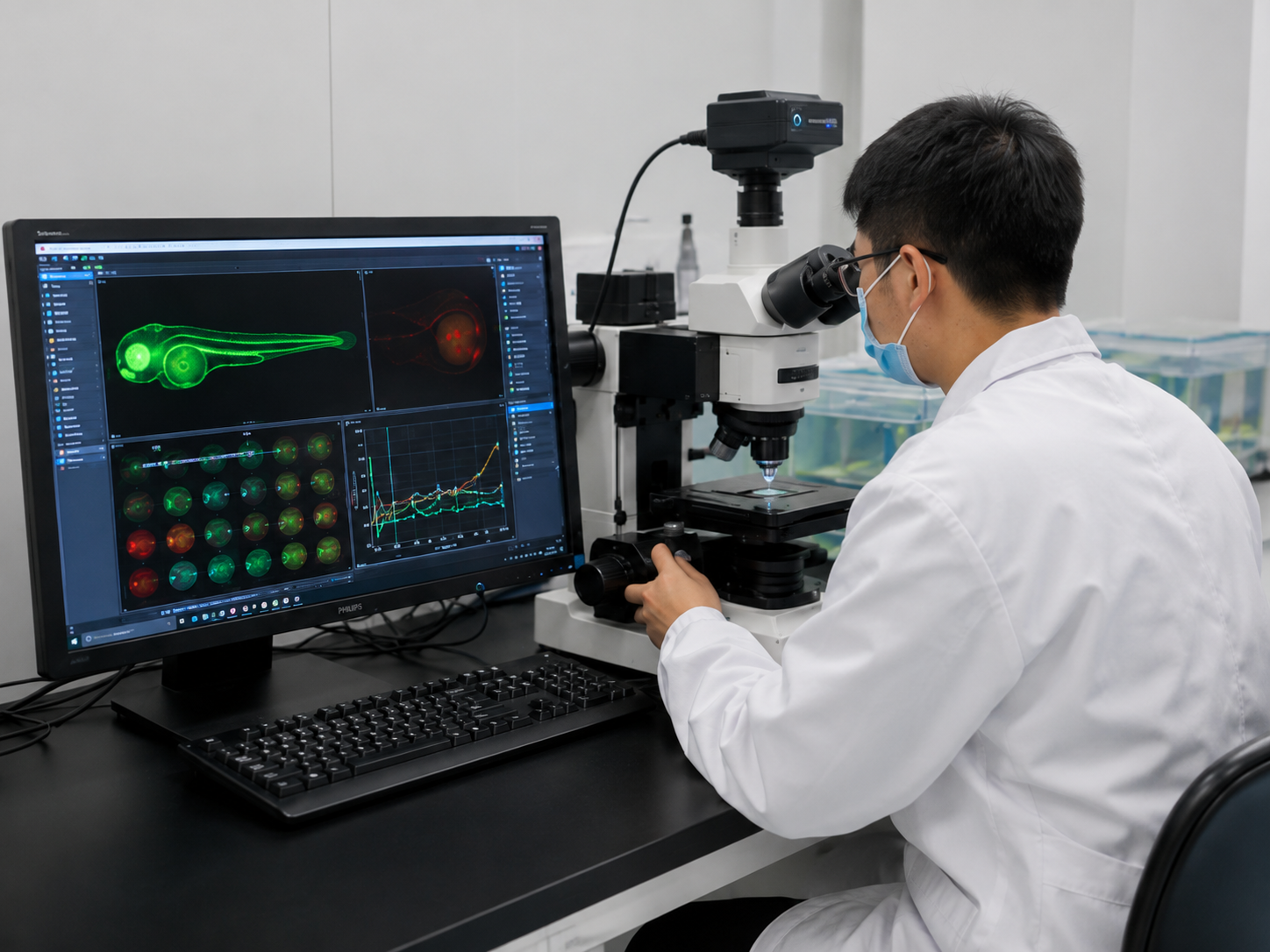
Researchers conducting food nutrition and safety studies using the zebrafish laboratory platform
Project Value
The completed platform provides several forms of long-term value.
A New Whole-Organism Evaluation Capability
The institute can evaluate food and agricultural product samples in a living vertebrate model rather than relying only on chemical and cell-based methods.
Greater Screening Efficiency
Zebrafish allow multiple samples and dose levels to be compared within relatively short study periods.
Lower Sample Consumption
The small size of zebrafish reduces the amount of extract, compound, or formulation required during early-stage evaluation.
Support for Precision Nutrition Research
The platform provides tools for investigating biological responses to nutrients and functional ingredients, helping researchers generate more targeted efficacy evidence.
Improved Food Safety Research
Zebrafish models can support the identification of potential developmental, cardiovascular, metabolic, and organ-related safety signals.
Stronger Translational Evidence
The platform helps connect chemical composition, biological mechanisms, whole-organism effects, and later-stage validation.
Hunter’s Project Support
Hunter supported the project through an integrated laboratory development process.
The project scope included support for:
- Laboratory planning
- Functional zoning
- Equipment configuration
- Zebrafish housing infrastructure
- Installation and commissioning
- Environmental and system testing
- Operator training
- Experimental application consultation
- Long-term technical support
The aim was not simply to install equipment, but to establish a usable research platform aligned with the institute’s food science and agricultural product research priorities.
By connecting zebrafish technology with nutrition, processing, preservation, and safety research, the project provides a practical foundation for future scientific studies and technology transfer.
Advancing Food Science with Zebrafish Models
The IFST-CAAS project demonstrates how zebrafish technology can be applied beyond conventional pharmaceutical research.
Food science increasingly requires evidence that connects ingredients and processing methods with measurable biological outcomes.
Zebrafish provide an efficient platform for this purpose because they support whole-organism observation while remaining suitable for comparative and higher-throughput studies.
Looking ahead, Hunter will continue to provide zebrafish laboratory solutions for research institutions working in:
- Food nutrition
- Functional ingredients
- Agricultural processing
- Food safety
- Natural products
- Health foods
- Precision nutrition
Through standardized laboratory infrastructure, experimental models, imaging tools, and technical services, Hunter aims to help researchers generate stronger scientific evidence for food and agricultural innovation.

 EN