
 EN
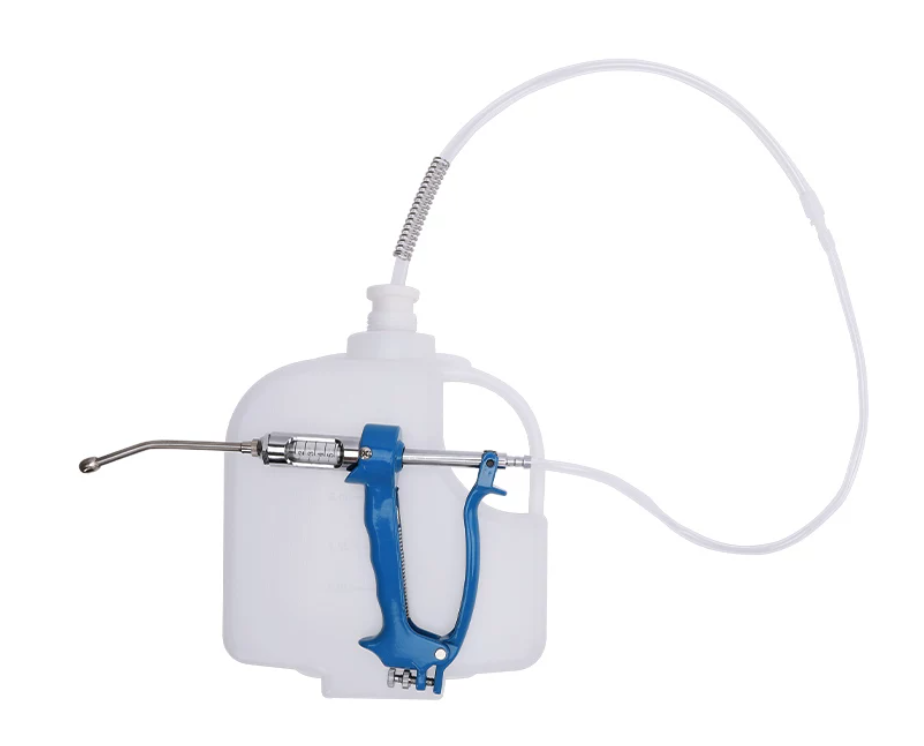
For a biotech team that relies on zebrafish studies, feeding is not a background chore. It is a repeated husbandry process that affects staffing, schedule discipline, recordkeeping, and the conditions surrounding each study. A Zebrafish Automated Feeding System can make that process more repeatable when it is selected and validated as part of the facility workflow, rather than treated as a shortcut.
The case for a Zebrafish Automated Feeding System is strongest when manual rounds are consuming skilled staff time, feeding windows vary across racks, or growth in colony size is making routine documentation harder to maintain. For a biotech organization, the practical question is not whether automation replaces careful husbandry. It is whether a controlled feeding workflow gives the team more consistent execution and more time for observation, protocol work, and study readiness.
Why feeding consistency matters to biotech operations
Zebrafish facilities often balance routine care with tight experimental schedules. In a manual process, small differences in timing, portion handling, shift handoff, or weekend coverage can accumulate. A Zebrafish Automated Feeding System gives the facility a defined mechanism for scheduling and delivering planned feeding events, but the protocol still needs to specify diet, ration, frequency, tank population, and escalation rules.
Published work on automated zebrafish feeding has described standardized daily food delivery as a design objective. That is useful context, not a promise of a biological result. Feeding is one part of a broader rearing environment that also includes water quality, density, health monitoring, and local husbandry practice. A biotech team should therefore evaluate a Zebrafish Automated Feeding System as a way to control a repeatable process and document how the process was run.
Operational reasons to consider automation
1. Create a more repeatable feeding routine
A Zebrafish Automated Feeding System can support scheduled delivery patterns across compatible tanks or racks. That may reduce the reliance on each individual round being performed in exactly the same way by every operator. The value is not that a machine makes judgement unnecessary; experienced staff still set the program, verify supplies, inspect fish, and respond to exceptions. The value is that routine execution can be made easier to define, train, and review.
2. Use technician time where observation matters most
Manual feeding can require repeated movement between rooms, racks, and tanks. In a growing biotech facility, a Zebrafish Automated Feeding System may allow technicians to shift part of that repetitive time toward health checks, breeding support, inventory preparation, equipment verification, and study-specific observations. The actual time effect depends on colony scale, feeding regimen, layout, and the level of supervision retained after installation. Measuring baseline rounds before purchase makes the business case more credible.
3. Improve workflow traceability
For research teams, a Zebrafish Automated Feeding System can be paired with a simple operating record: scheduled event, confirmed event, feed type, operator review, exception, and corrective action. This is especially helpful when husbandry staff, research users, and quality teams need a shared view of routine work. Automation alone does not create data integrity. Clear ownership, review intervals, and a written exception process do.
4. Support growth without copying yesterday’s manual process
As programs add tanks, studies, or locations, scaling a manual routine can mean adding more coordination points. A Zebrafish Automated Feeding System offers a chance to redesign the feeding workflow before that complexity becomes embedded. It can be useful to map the current process first: preparation, transport, delivery, cleanup, observation, logging, and response to missed events. That map will show whether automation addresses a real constraint or merely moves it elsewhere.
What a biotech buyer should evaluate
Not every facility needs the same configuration. Before choosing a Zebrafish Automated Feeding System, define the use case in operational terms rather than starting with a feature list.
- Colony and rack fit: Confirm compatibility with the facility’s tank, rack, room, and access arrangements.
- Feed handling: Document the feed formats, storage needs, preparation steps, and cleaning controls your program requires.
- Scheduling flexibility: Check whether the system can support the feeding windows and study-specific variations that your SOPs allow.
- Verification process: Decide how staff will confirm successful events and how missed, partial, or unexpected events will be investigated.
- Serviceability: Review cleaning access, routine maintenance, spare-part planning, training, and support expectations before deployment.
- Validation plan: Pilot the Zebrafish Automated Feeding System on a defined scope, compare it with the baseline process, and set acceptance criteria before wider rollout.
Automation should strengthen, not replace, husbandry oversight
A sensible implementation regards a Zebrafish Automated Feeding System as a controlled aid within an existing animal-care program. Staff should continue to inspect fish condition, tank conditions, feed availability, and system status. They should also know what to do when a schedule changes or a dispensing event needs attention. In practice, the most useful automation projects are those with a clear boundary: what the system handles, what people verify, and when human judgement takes priority.
This perspective also helps a biotech company communicate the adoption internally. The goal is not to claim that an automated feeder solves every husbandry variable. It is to establish a reproducible routine for a task that occurs every day, then use that routine to support better planning and accountability.
How to introduce a Zebrafish Automated Feeding System with confidence
- Document the current feeding workflow and identify the points where timing, workload, or recording varies.
- Set a pilot scope that includes representative tanks, diets, schedules, and operators.
- Create written acceptance criteria for delivery, cleaning, alarm response, logging, and staff review.
- Train users on both normal operation and exceptions; a Zebrafish Automated Feeding System should have a clear manual fallback procedure.
- Review pilot records with husbandry and research stakeholders, then refine the SOP before expansion.
Make adoption a measured operational decision
For a biotech company, the reason to adopt a Zebrafish Automated Feeding System is not novelty. It is the opportunity to make a high-frequency husbandry task more consistent, visible, and easier to scale responsibly. That kind of innovation is worth considering only when it fits the facility’s documented needs. A competitive benefit, if one develops, should come from disciplined execution and study readiness rather than from the equipment alone. When the facility defines its requirements, validates the workflow, and maintains human oversight, a Zebrafish Automated Feeding System can become a practical part of research operations.
The right next step is a facility-specific assessment: quantify today’s rounds, identify the controls that matter to your teams, and evaluate whether a Zebrafish Automated Feeding System fits your racks, feed practices, and quality expectations. That evidence-based approach keeps the adoption decision aligned with both operational needs and animal-care responsibilities.








