
 EN
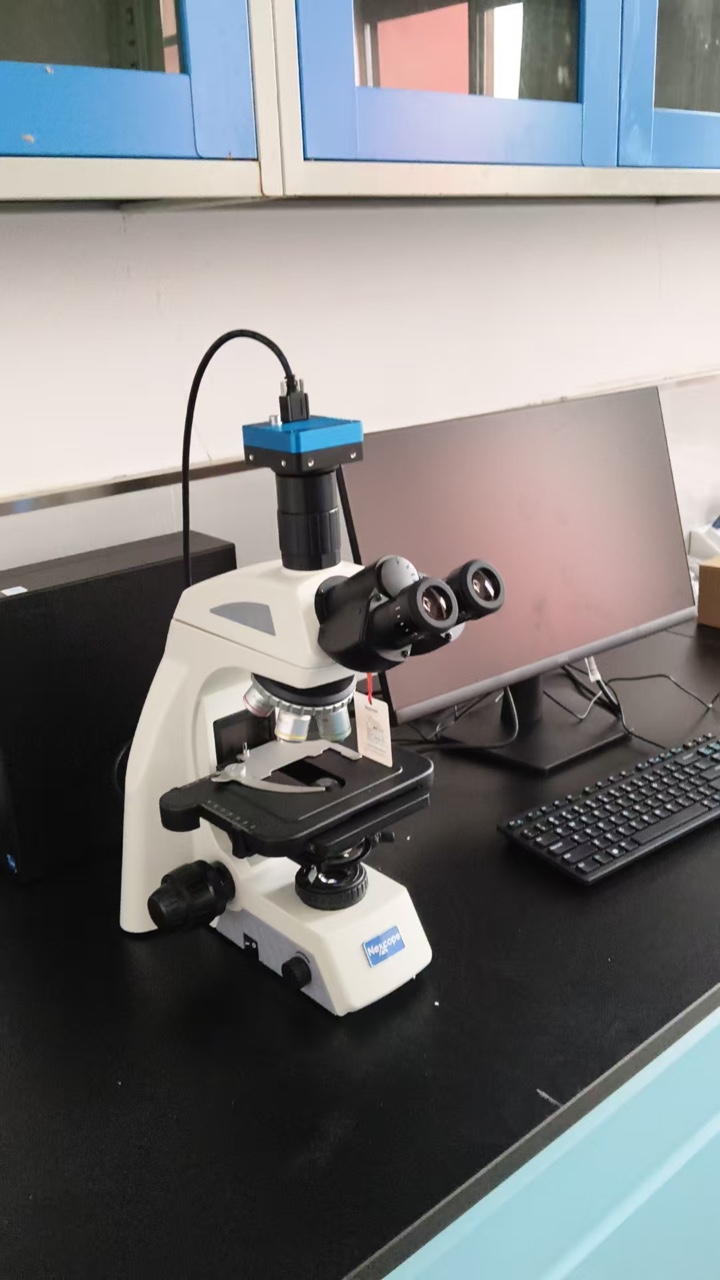
Early drug safety decisions are stronger when they connect a molecular signal to what happens in a living organism. A Zebrafish Cardiovascular Analysis System gives discovery teams a practical way to observe cardiac effects in intact larvae while a program still has time to investigate a signal, adjust chemistry, or refine an exposure plan. It is not a substitute for the established nonclinical package. Its value is that it adds physiological context to drug safety decisions that may otherwise rely on a narrow endpoint.
From a drug-discovery perspective, the useful question is rarely “did this compound change one readout?” It is whether a concentration-related finding is repeatable, biologically consistent, and important enough to move into follow-up testing. A well-planned Zebrafish Cardiovascular Analysis System helps answer that question by bringing heart rate, rhythm, contractility, circulation, morphology, and survival observations into the same early-stage workflow.
Why whole-organism cardiac context matters
Many promising molecules reach a difficult point in development: an in vitro assay suggests a cardiac liability, but the team does not yet know how that signal will appear in an organism. A Zebrafish Cardiovascular Analysis System can provide a phenotype-level view. Rather than treating a channel or cell response as the whole story, researchers can examine whether exposed larvae show changes in beat regularity, reduced ventricular movement, altered blood flow, edema, or developmental delay.
That broader view matters because cardiotoxicity is not one observable event. A compound may influence rhythm without an obvious structural change, affect contractility while leaving rate relatively stable, or produce a general developmental effect that complicates interpretation. With a Zebrafish Cardiovascular Analysis System, teams can assess several linked observations in a consistent imaging session and decide which signal deserves confirmation.
Published reviews describe zebrafish as a useful whole-organism model for high-throughput assessment of therapeutic safety, efficacy, and toxicity. The appropriate takeaway is measured: zebrafish evidence can help prioritize risk and guide the next experiment; it does not establish human safety on its own.
How a zebrafish cardiovascular workflow supports drug safety
A Zebrafish Cardiovascular Analysis System is most informative when it is used as a structured decision tool rather than a single-pass screen. Start by defining baseline ranges for the developmental stage, strain, temperature, anesthesia conditions, imaging settings, and vehicle. Then use concentration-response testing with suitable controls and enough replicates to distinguish a compound effect from ordinary biological variation.
- Heart rate and rhythm: A Zebrafish Cardiovascular Analysis System can flag bradycardia, tachycardia, beat-to-beat irregularity, or pauses that warrant closer electrophysiology work.
- Contractility and chamber motion: M-mode or video-derived measurements can help show whether a rhythm finding is accompanied by altered ventricular wall motion.
- Blood flow and vessel observations: Recording circulation adds context when a cardiac phenotype may be contributing to reduced perfusion or edema.
- Morphology and viability: These observations help separate a targeted cardiovascular concern from a broader exposure-related phenotype.
The detail that often changes a protocol is not a more elaborate score; it is linking each endpoint to a predefined follow-up action. For example, a repeatable rhythm change on a Zebrafish Cardiovascular Analysis System may trigger concentration confirmation, exposure verification, and complementary electrophysiology work. A diffuse phenotype may instead call for a revised dosing window or a general toxicity assessment.
Where hERG fits—and where it does not
hERG is a central consideration in cardiac safety pharmacology because inhibition of the channel can be associated with delayed ventricular repolarization and proarrhythmic concern. ICH S7B describes a nonclinical strategy for evaluating the potential of a test substance to delay ventricular repolarization. In a drug-safety program, hERG results and in vivo observations should be interpreted together with exposure information, reference compounds, assay performance, and the compound’s wider pharmacology.
A Zebrafish Cardiovascular Analysis System therefore complements hERG work; it should not be presented as a replacement for it. A clean hERG result does not make every zebrafish cardiac observation irrelevant, and a positive hERG result does not by itself explain every whole-organism phenotype. Discordant findings can be especially useful when they lead the team to check concentration, metabolites, off-target activity, developmental sensitivity, or technical artifacts.
What makes the data decision-ready?
Reliable interpretation depends on consistency. A Zebrafish Cardiovascular Analysis System should retain the raw video, analysis settings, sample identifiers, and quality-control decisions alongside summary metrics. Temperature, larval age, mounting orientation, anesthesia exposure, and operator procedures can all influence cardiac measurements. If those conditions drift, a small compound effect can be difficult to separate from the baseline.
For a practical drug safety workflow, establish reference responses before screening a large series. Lock the analysis rules where possible, document exclusions, and review representative recordings rather than relying only on automated output. Automated analysis can reduce manual scoring burden, but a Zebrafish Cardiovascular Analysis System still benefits from defined acceptance criteria and human review of edge cases.
Using the system in an evidence package
The strongest use of a Zebrafish Cardiovascular Analysis System is as one layer of evidence. It can help a team rank compounds, select confirmatory studies, and communicate why a signal was advanced or deprioritized. For programs working toward regulated development, the eventual study strategy should be aligned with the applicable guidance, intended context of use, and expert safety-pharmacology judgment.
Hunter Lab’s zebrafish-focused application experience can be useful when a team is establishing the imaging and analysis workflow behind a cardiovascular assay. The scientific aim remains clear: produce reproducible observations that make the next decision more informed, not a broader claim than the model can support.
Conclusion
Drug discovery teams use a Zebrafish Cardiovascular Analysis System because it connects early molecular concerns with visible, measurable cardiac function in a living model. By combining careful baseline control, multi-endpoint testing, thoughtful hERG interpretation, and follow-up studies, zebrafish cardiovascular analysis can make early cardiotoxicity decisions more disciplined and more actionable.








