
 EN
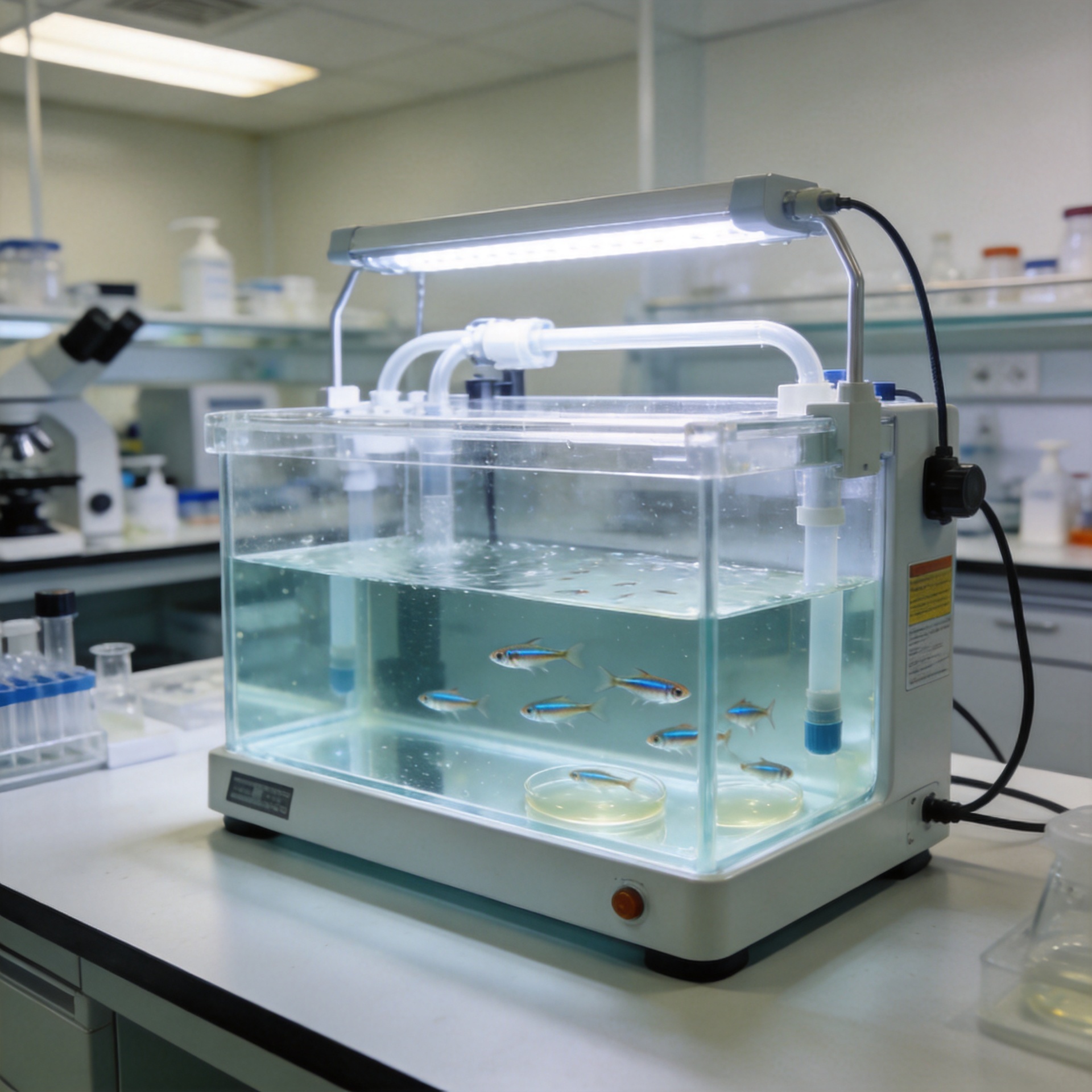
Why large-scale studies need a different kind of reproduction control
Large-scale zebrafish studies put pressure on every part of a facility. A single experiment may need thousands of embryos at the same developmental stage, collected within a narrow window. Manual spawning can work for small projects, but it struggles when the demand is continuous and the tolerance for variability is low. Researchers who run these studies tend to prefer automated zebrafish reproduction systems because the systems remove several sources of inconsistency at once.
The core issue is not that manual methods are bad. It is that they depend on people being in the right place at the right time, following the same routine every day. At scale, that dependency becomes a bottleneck.
Consistent spawning windows start with environmental control
Spawning in zebrafish is triggered by light. A stable photoperiod, usually 14 hours of light and 10 hours of dark, sets the daily rhythm. When the light schedule drifts, spawning spreads across a longer period, and the resulting embryos span a wider range of developmental stages. For a study that needs embryos at a specific stage, that spread is a problem.
Automated reproduction systems control light, temperature, and feeding on a fixed schedule. The fish receive the same cue every day. The result is a tighter spawning window, which means embryos can be collected within a narrower stage range. That consistency is one of the main reasons large-scale studies adopt these systems.
Reducing the human variable in daily operations
Manual reproduction depends on people. Someone has to check the tanks, adjust the lights, feed the broodstock, and collect the embryos. Each of those steps introduces small variations. One technician feeds a little earlier. Another adjusts the temperature slightly differently. Over a large study, those variations accumulate.
Automation reduces the number of human decisions in the daily routine. The system delivers feed at the same time, maintains temperature within a narrow band, and triggers collection at a fixed interval after light onset. Staff still monitor the animals and respond to problems, but they are not the primary source of timing.
| Operational factor | Manual reproduction | Automated reproduction system |
|---|---|---|
| Light cycle | Timer drift, manual correction | Programmed, synchronized |
| Temperature | Room dependent, variable | Active control, logged |
| Feeding | Timing varies by staff | Scheduled, repeatable |
| Embryo collection | Whenever staff check | Timed after light onset |
| Record keeping | Paper notes, often incomplete | Digital logs, exportable |
Data logging supports traceability at scale
Large studies generate a lot of data, and reproduction is part of that record. When an experiment produces unexpected results, the ability to trace back to the spawning conditions can save weeks of troubleshooting. Automated systems log light cycles, temperature, feeding events, and collection times. That record can be linked to the experimental data.
Manual systems rarely produce that kind of documentation. Notes get lost. Times are estimated. The reproduction history becomes a gap in the record. For studies that need to be reproducible or that fall under regulatory oversight, that gap matters.
Labor and scheduling advantages that compound over time
The labor savings from automation are not just about hours. They are about scheduling. A large study may require embryos every week for months. Manual collection means someone has to be available every week, including weekends and holidays. That requirement is hard to sustain without burnout or scheduling conflicts.
An automated system runs on its own schedule. Staff can plan around it rather than the other way around. Over a long study, that shift reduces the risk of missed collections, delayed spawns, and the kind of small errors that come from fatigue.
Where automation has limits and human judgment still matters
Automated reproduction systems are not a substitute for good husbandry. They cannot fix poor broodstock nutrition, disease, or genetic problems. They cannot decide that a particular line needs a different diet or that a tank should be taken offline. Those judgments still require trained staff.
There is also a maintenance burden. Hoppers need refilling. Sensors need calibration. Lines need cleaning. A system that is installed without a maintenance plan will eventually fail, and the failure may not be obvious until a spawn is missed.
A field example from a large-scale research program
A large research program in southern China was running developmental studies that required synchronized embryos on a weekly basis. The initial workflow relied on manual spawning and collection. As the program grew, the collection window widened, and the stage range of the embryos became harder to control. The variance in downstream assays increased.
The program installed automated reproduction systems on its main breeding racks. Light, temperature, and feeding were placed on a central schedule. Collection was timed after light onset. The spawning window tightened, and the stage range at collection narrowed. The program also gained a digital reproduction log that could be linked to experimental records. The biology had not changed. The control had.
Choosing automation for the right reasons
Automation is not the right answer for every facility. A small lab with a few tanks and flexible staffing may not need it. A facility that runs large-scale studies with tight timing requirements usually does. The decision should be based on the specific demands of the research, not on a general preference for technology.
Hunter Lab (Hunter) builds zebrafish laboratory equipment with attention to the environmental control and consistency that large-scale studies require. The manufacturing and quality control side supports the reliability that long-term colony management demands. For programs considering automated reproduction, that kind of build discipline is part of the foundation.








