
 EN
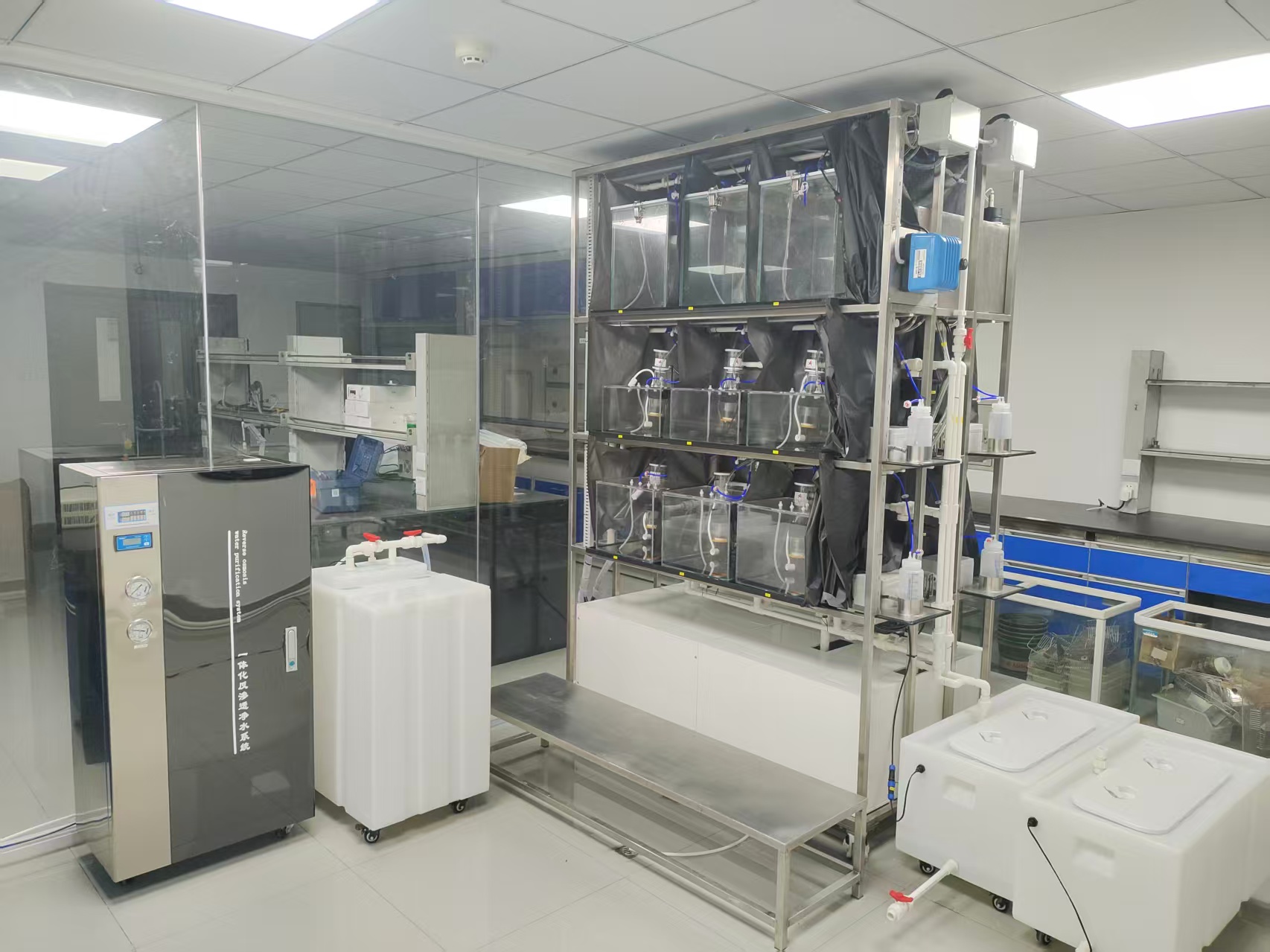
What Safety Alarms Does a Zebrafish Incubator Have for Temperature Deviations?
A Zebrafish Incubator protects more than a setpoint on a display. For embryos, larvae, and time-sensitive assays, temperature affects developmental pace and the comparability of observations across a run. In a shared facility, the useful question is not simply whether the chamber can heat or cool; it is whether a temperature deviation is detected promptly, communicated to the right people, and followed by a documented response.
Alarm packages vary by model, configuration, and monitoring option. That distinction matters. A local alarm may warn the person standing near the unit, while a remote monitoring system may notify staff away from the laboratory. Before relying on any protection feature, confirm the actual specifications, alarm limits, delay settings, sensor location, and notification method in the manual for the specific Zebrafish Incubator.
Why temperature deviations deserve a defined response
Zebrafish embryo development is commonly conducted near 28.5°C in many research settings, but the validated target and allowable range should come from the protocol in use. Temperature outside that range can alter developmental timing. A short excursion may not invalidate every experiment, yet an undocumented event can make samples from one session difficult to compare with another.
That is why temperature deviations should be treated as both an animal-care and data-integrity event. The alarm is the first signal; it does not, by itself, establish how long the condition lasted, whether every shelf experienced the same temperature, or whether the study material was affected.
Core safety alarms to look for in a Zebrafish Incubator
High-temperature alarm
A high-temperature alarm activates when measured chamber temperature rises above a user-configured upper limit or the unit’s preset threshold. It can help identify failed cooling, an obstructed airflow path, a door left ajar, room HVAC changes, or a control problem. In a Zebrafish Incubator, the threshold should be set against the study’s approved tolerance rather than copied from a general laboratory default.
Low-temperature alarm
A low-temperature alarm signals that the chamber has fallen below its lower limit. Possible contributors include interrupted heating, a power issue, a prolonged door opening, an unusually cool room, or a poorly seated door gasket. Low-temperature alerts are particularly important when developmental timing must remain synchronized across plates or batches.
Setpoint-deviation or tolerance alarm
Some systems are configured to alarm when actual temperature differs from the setpoint by more than a defined band for a defined period. This can be more actionable than a simple high/low limit because it connects the alarm to the protocol’s tolerance. A delay is often useful to prevent nuisance safety alarms during normal door openings, but the delay must be short enough that a genuine drift is not ignored.
Audible and visual local alerts
Most basic alarm implementations use an audible buzzer, flashing indicator, display message, or a combination of these. Local alerts are valuable for an operator working nearby, but they have a clear limitation: they may not be heard after hours, during a weekend, or when a facility is empty. Test the indicator during acceptance and include it in routine checks.
Remote notification and independent monitoring
Where the study risk warrants it, facilities often pair the equipment alarm with independent monitoring that records temperature and sends notifications by the facility’s approved channels. This adds a second layer of protection when no one is within hearing range. Do not assume a remote feature is built into every unit: it may require an optional probe, network connection, data logger, or separate environmental-monitoring platform.
Power-failure and recovery alerts
Some incubator and monitoring configurations can report a power interruption, a restart, or an alarm-state recovery. These records help staff determine whether an event occurred while the unit was unattended. The exact behavior differs widely: verify whether the unit merely resumes control, stores an event history, sounds an alarm on restoration, or depends on external monitoring for notification.
Alarm capability is only one part of protection
For a core facility, the safer design is a layered one: a correctly configured Zebrafish Incubator, an independent temperature reference, a response plan, and records that show what happened. Temperature control, sensor calibration, and alarm performance should be reviewed together. A display can be stable while a poorly placed sensor misses a shelf-level problem, so a temperature-mapping or verification approach should reflect the way the chamber is actually loaded.
One practical lesson from shared labs is that the setup step nobody mentions often causes the avoidable problem: an alarm limit is entered but escalation contacts, acknowledgement rules, and backup space are not agreed in advance. The equipment may be functioning normally, yet the facility is not prepared to act on the warning.
How to configure temperature-deviation alerts responsibly
- Start with the protocol. Define the required setpoint, allowable excursion, and any life-stage-specific requirements before setting alarm thresholds.
- Set upper and lower limits deliberately. Use a band that protects the work without creating constant nuisance alarms from routine access.
- Choose an appropriate delay. A brief door opening may need a short grace period; a sustained drift should still trigger timely alerts.
- Confirm who receives notifications. Name primary and backup contacts for working hours and off-hours, then test the notification route.
- Verify the sensor. Compare the control reading and any independent probe using the facility’s calibration practice. Record sensor placement and date.
- Plan the contingency. Identify a qualified backup chamber, responsible staff, and a method to document transfers or study-impact assessment.
What staff should do when an alarm occurs
When safety alarms activate, first protect people and specimens, then investigate the equipment. A calm, repeatable sequence is more reliable than improvisation:
- Acknowledge the alert and record the time, displayed temperature, setpoint, and alarm message.
- Check the door closure, airflow clearance, room conditions, and power status without repeatedly opening the chamber.
- Compare the displayed reading with an independent reference if one is available.
- Move material only under the facility’s approved contingency procedure and document the transfer.
- Notify the study owner or designated facility contact, then preserve alarm and temperature-log information for assessment.
- Do not silence and forget the event. Determine the cause, corrective action, and whether the protocol requires review of affected samples.
If a repeated alarm is traced to loading, door use, sensor placement, or operating practice rather than equipment failure, update the procedure and train users. The goal is not to eliminate every alert; it is to make each alert meaningful and actionable.
Questions to ask before selecting or qualifying an incubator
| Question | Why it matters |
|---|---|
| Can high and low alarm limits be configured separately? | Separate limits allow the Zebrafish Incubator to reflect the approved operating window. |
| Is there a configurable delay and an alarm acknowledgement record? | These features help balance nuisance prevention with traceable response. |
| Are remote notifications native, optional, or external? | The answer defines whether additional monitoring hardware and procedures are needed. |
| What happens during a power interruption and restart? | Recovery behavior affects after-hours protection and event investigation. |
| Where is the temperature sensor, and how is it verified? | Sensor location influences how well the reading represents loaded sample conditions. |
| Can alarm and temperature history be exported or reviewed? | Accessible records support deviation assessment and reproducibility review. |
Bottom line
A well-specified Zebrafish Incubator may provide high-temperature, low-temperature, setpoint-deviation, local audible/visual, and—depending on configuration—remote or power-related alerts. Those features are valuable safeguards, but model-specific capabilities must be verified rather than assumed. The strongest protection comes from aligning alarm limits with the protocol, validating the temperature measurement, testing the escalation route, and documenting each response to meaningful temperature deviations.








