
 EN
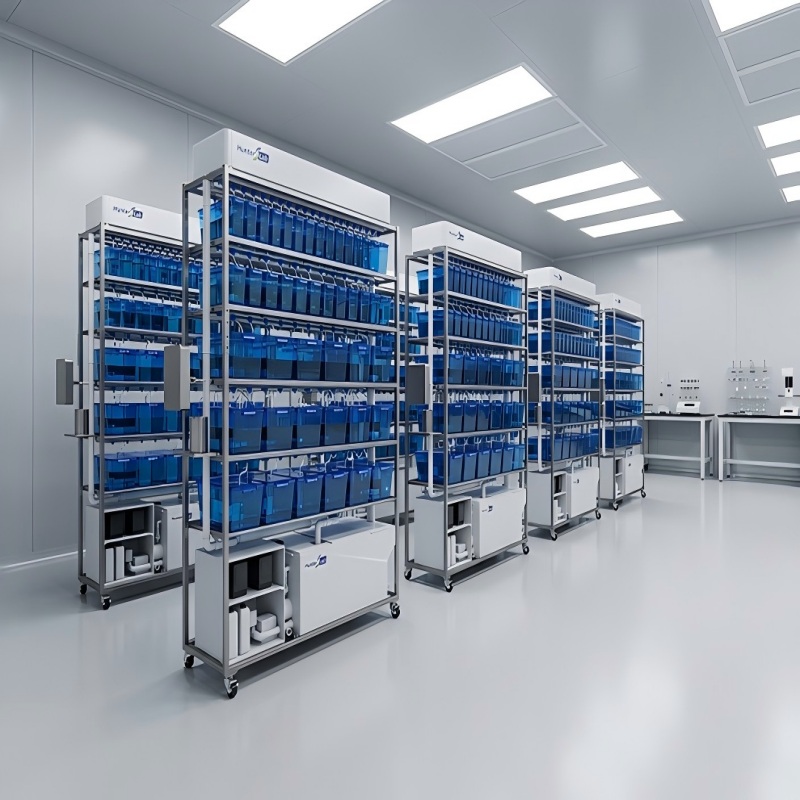
How to Scale Automated Feeding Across Multiple Zebrafish Racks in a Large Facility
Scaling a Zebrafish Automated Feeding System is not just a matter of adding more dispensers. In a large aquatic facility, the real work is turning a feeding routine into a controlled process: one that reaches every assigned rack, preserves meaningful exceptions, and tells staff when a scheduled event did not produce the expected result. For facility managers, technicians, and principal investigators, that distinction matters more as the number of racks grows.
Manual feeding is commonly performed at least twice a day in zebrafish husbandry. That routine can work well in a small room, but a growing route creates handoff points, timing variation, and less time for observation. A well-planned Zebrafish Automated Feeding System can standardize delivery while keeping people responsible for verification and fish welfare.
Start With a Rack Map, Not a Hardware Order
Before choosing how to scale, make a living map of the facility. Give every rack a durable identifier and record its room, water system, population type, diet, feeding windows, and owner. Separate routine production racks from racks that need special handling, such as quarantine, breeding, larval, recovery, or experimental cohorts. Treat this map as the source of truth for the feeding plan.
A useful rollout begins by grouping racks into zones with similar schedules and diet rules. Zones reduce complexity: a coordinator can review one plan for a room or water loop rather than chasing individual timers. They also make it easier to stage maintenance without changing the entire facility at once.
- Assign an unambiguous rack ID and zone.
- Define the diet, feed type, amount setting, and scheduled events for each rack.
- Flag exceptions that must remain under manual approval.
- Record who can edit a schedule and who confirms delivery each day.
Build a Repeatable Feeding Template
The advantage of a Zebrafish Automated Feeding System is consistency, not blind uniformity. Create a small set of approved templates—for example, a standard adult maintenance schedule, a breeding schedule, and a restricted experimental schedule. Each template should state what is delivered, when it is delivered, and what visual or log-based check confirms delivery.
Do not force every rack into the same template. Large facilities often lose control when a shortcut hides biological differences. A clear exception list is safer than many informal workarounds. The feeding plan should make unusual racks more visible, not less.
Use a Pilot Zone to Calibrate Process, Not Just Portions
Run one representative zone first. During the pilot, compare the programmed plan with actual feeder output, staff observations, and water-quality or husbandry notes already used by the facility. The goal is to find issues such as uneven dispensing, humidity effects, blocked feed paths, refill timing, or a schedule that clashes with routine cleaning.
In facility operations, the setup step nobody mentions is usually refill ownership. Decide who checks hopper levels, how often they check, where the record lives, and what happens when a threshold is reached. A schedule cannot compensate for an empty supply path.
Design the System Around Verification and Exceptions
At scale, a scheduled event is not the same as a verified feeding event. The operational design should distinguish between planned, triggered, confirmed, and exception states. This gives staff a shared language when they investigate a missed delivery or a rack that needs a temporary change.
Create an escalation path before expansion. If a rack does not receive a confirmed feed, staff should know whether to inspect the hardware, apply a documented manual contingency, notify the zone owner, or suspend the template. Keep the escalation short enough to use during a busy shift.
- Review the rack schedule and most recent confirmation.
- Check feed availability and the physical delivery path.
- Apply the facility's approved contingency if fish welfare could be affected.
- Log the exception, cause, corrective action, and follow-up check.
- Only return the rack to normal automation after verification.
Scale Zone by Zone With Change Control
Once the pilot is stable, expand in manageable zones rather than activating every rack at once. A phased sequence protects daily husbandry and makes problems easier to isolate. Each new zone should pass the same acceptance checklist: correct rack IDs, approved template, replenishment plan, confirmation method, exception owner, and trained backup staff.
Change control matters here. A small edit to a schedule can affect many tanks if it is copied across multiple racks. Limit editing permissions, timestamp changes, and require a second-person review for wide changes. This is especially useful when multiple teams share the same large facility.
Choose Operational Metrics That Reveal Drift
For a Zebrafish Automated Feeding System, the most useful metrics are operational rather than promotional. Review the percentage of scheduled feedings confirmed, missed-feed exceptions, time to resolve an exception, refill-related interruptions, and the number of racks on temporary overrides. These measures show whether the process remains reliable as the facility grows.
Also review biological and husbandry observations through the facility's established protocols. Automation does not replace daily checks of fish condition, tank cleanliness, and unusual behavior. If a pattern appears in one zone, investigate the process and the husbandry context together rather than assuming the feeder is the only variable.
Prepare People, Documentation, and Backup Coverage
A multi-rack rollout succeeds when responsibility is explicit. Train staff on normal confirmation, manual contingency, cleaning boundaries, replenishment, and incident documentation. Make the quick-reference procedure easy to reach at the point of work. A new technician should be able to identify the right rack, understand its current status, and escalate without guessing.
Specialist support can be valuable during planning, particularly when the facility is aligning feeding workflows with its zebrafish husbandry practices. Hunter Lab focuses on zebrafish instruments and applications, so facilities evaluating their operating model can use application-oriented discussions to clarify workflow needs before committing to a rollout. The practical test is whether the proposed process fits the facility's validated husbandry program.
Frequently Asked Questions
Should every rack use the same feeding program?
No. Standard templates simplify management, but approved exceptions are essential for breeding, quarantine, experimental, or recovery groups. The system should make those exceptions explicit and reviewable.
What is the first sign that scaling is outpacing control?
Repeated unconfirmed events, unclear refill ownership, and staff relying on verbal workarounds are early warnings. Pause expansion, correct the workflow, and validate the pilot controls again.
Can automation eliminate daily fish checks?
No. Automation can standardize scheduled delivery, but personnel still need to verify output and follow established husbandry observations for each facility.
Make Scale a Controlled Process
A Zebrafish Automated Feeding System becomes more valuable as it makes a large facility easier to understand and operate. Start with a rack map, pilot a defined zone, create visible exception rules, and expand only after confirmation and ownership are working. That approach supports scaling across multiple racks without turning automation into a hidden source of variability.








