
 EN
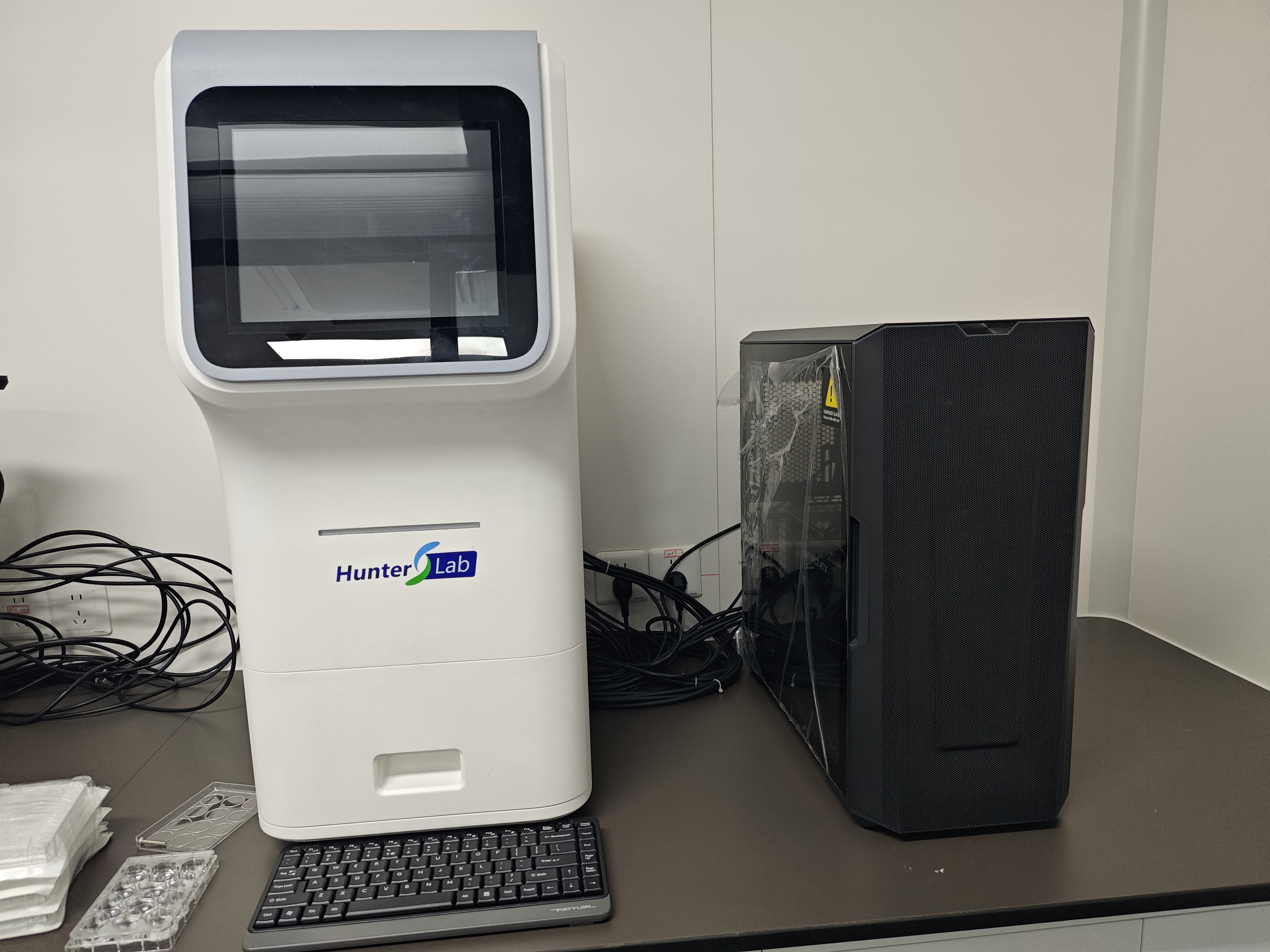
Why Prep Quality Decides the Dataset
A clean behavioral dataset rarely comes from tracking software alone. It starts earlier, when embryos are sorted, plates are rinsed, and the room reaches a stable temperature. Larval zebrafish are small, transparent, and sensitive to handling. A 2023 review of developmental neurotoxicity studies found wide variation in protocols and few reported method details needed for replication. Small changes in age, temperature, or transfer technique can shift baseline movement and blur treatment effects. The zebrafish larva behavior analysis system records what larvae do, but sample preparation decides what larvae are able to do.
Start With Embryo Stage and Health Screening
Most assays work best with larvae between 4 and 7 days post fertilization. By day 4, the swim bladder is usually inflated and swimming is active. By day 5 to 6, startle responses and photomotor behavior are stable enough for light and dark testing. Breeding setup should begin about a day and a half before the run. Adults aged roughly 6 to 12 months tend to spawn reliably. Embryos should move into clean E3 medium and stay at 28°C on a 14:10 light cycle. Health screening is not optional. Larvae with obvious malformations, an uninflated swim bladder, or unusually slow movement should be removed before plating. A quick screen removes common noise.
Set Up a Quiet, Temperature Stable Room
Tracking hardware gets the brochure space. The room around it gets ignored. A closing door, a nearby centrifuge, or footsteps on a hollow floor can create startle spikes that look like treatment effects. Published setups often place behavioral rigs on vibration isolation tables and hold temperature near 28°C. Temperature drift is another silent problem. A room that warms or cools during a run changes baseline activity and stimulus responses. Set the room temperature at least two hours before the first plate and keep the door closed. In one university shared lab retrofit, a behavioral rig was moved away from an air handler after unexplained activity spikes appeared only on weekday afternoons. The cause was mechanical vibration, not biology. Quiet space is data quality.
Pick the Right Plate Format and Condition It
Plate choice shapes behavior in ways that are easy to miss. Well size, well area, and plate opacity all affect movement. Larvae in larger wells often show higher baseline activity, while clear plates can produce stronger stimulus driven responses than opaque ones. For high throughput work, 48 well and 96 well formats are common. A 48 well plate with roughly 300 to 800 microliters of medium per well gives larvae room to swim without constant wall hugging. A 96 well plate raises throughput but can add stress from confined space. Spontaneous locomotion over 30 minutes often works better in 48 well plates. New plates should be rinsed with E3 medium and left to sit before use. That extra step removes residues that can leach into the water and change behavior.
Transfer Larvae Gently and Let Them Acclimate
How larvae enter the well plate matters as much as the plate itself. A standard pipette tip creates turbulence and can damage fragile bodies. Cutting the tip back with clean scissors widens the opening and reduces shear stress. Each larva should move in a small volume of medium with minimal disturbance. The transfer medium should match the rearing medium as closely as possible. A sudden switch in buffer can suppress activity for the first part of recording. After transfer, acclimation is essential. A common target is 30 minutes in light before testing. Without it, baseline activity stays elevated and variable. Plates should sit in the behavioral apparatus during acclimation, not on the bench.
Catch Common Mistakes Before They Reach the Data
Some preparation problems show up clearly in tracking output. Larvae pressed against the well wall often point to too little medium, a well that is too small, or a short acclimation period. Air bubbles can distort centroid detection and create false movement readings. Plates should be checked under a dissecting scope before entering the rig. Evaporation during long runs is another underrated issue. A plate sitting at 28°C in a dry room can lose volume and concentrate dissolved compounds. A breathable seal or a water reservoir in the chamber can reduce that risk. Genotype also matters. Wild type larvae and mutant lines can differ in baseline activity, so treatments and genotypes should be balanced across wells and plates. Randomization sounds fussy until a plate position artifact wastes a week. The table below summarizes common targets and risks.
| Parameter | Common target | Risk if off |
|---|---|---|
| Larval age | 4 to 7 dpf | Baseline activity and feeding status shift |
| Holding temperature | About 28°C | Warmer or cooler changes stimulus response |
| Acclimation | 30 minutes in light | Short periods leave handling stress |
| Light dark cycle | 5 to 10 minutes per phase | Shorter or longer phases alter response |
| Medium volume | 300 to 800 microliters | Low volume restricts movement |
| Plate opacity | Clear for most assays | Opaque plates suppress some responses |
For labs scaling behavioral work, equipment built with these constraints in mind helps. Hunter Lab, the short name behind Zebrafish Lab, focuses on manufacturing, quality control, and supply support for zebrafish research hardware, from tracking enclosures to plate handling accessories. A supplier that understands larval sensitivity tends to build tools that reflect it.








