
 EN
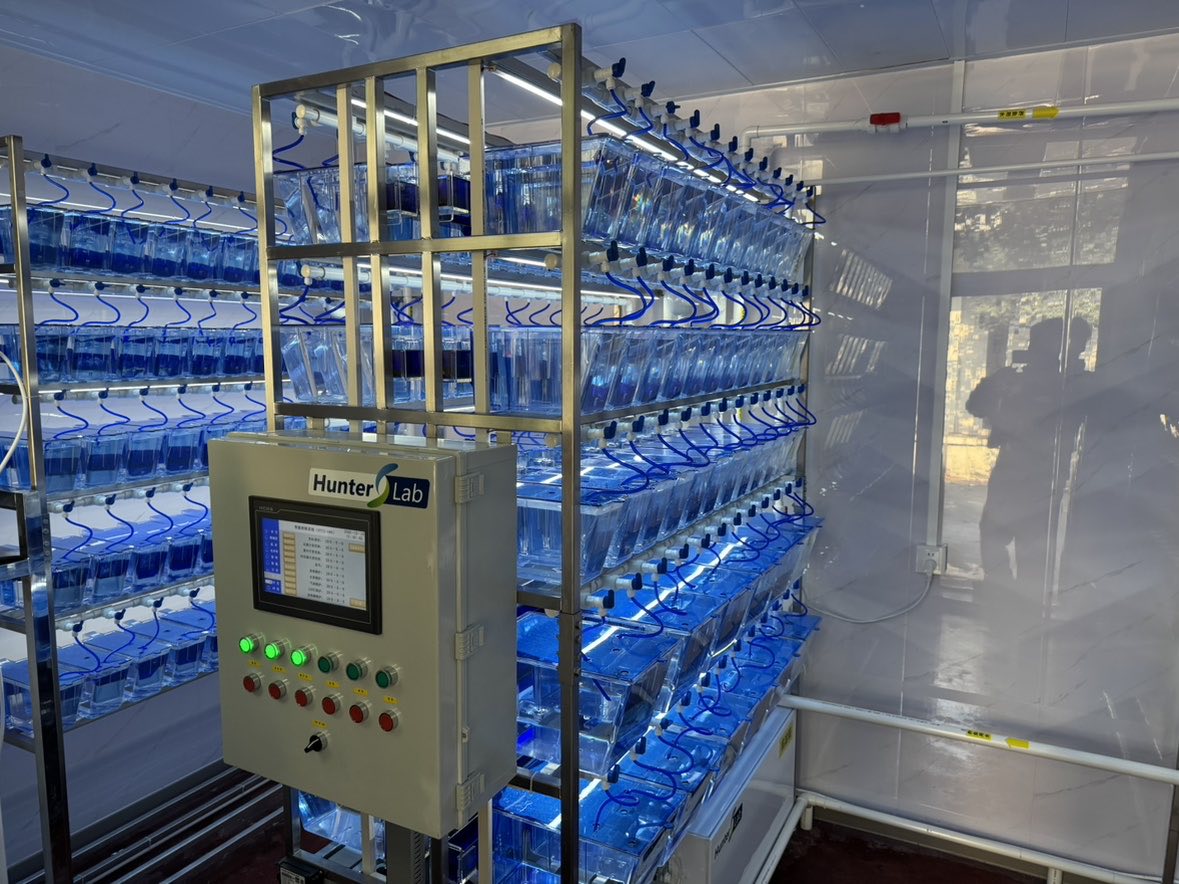
A Zebrafish Breeding System is not just a place to hold fish between experiments. It is a living part of a research workflow, and the routine conditions around it influence husbandry, scheduling, records, and confidence in the work that follows. For a core facility or shared laboratory, the uneasy moment is often not a dramatic equipment event. It is the quieter question after the lights are off: if a condition changes, will the right person know soon enough to follow the facility procedure?
That is why PLC monitoring deserves attention when you evaluate a Zebrafish Breeding System. It can make the system’s operating status easier to review and can support a defined response path when the facility identifies an abnormal condition. It does not replace trained staff, documented checks, or local animal-care requirements. Rather, it gives those routines a clearer operational signal.
The after-hours uncertainty behind a busy fish room
Laboratory zebrafish health, environmental conditions, and water quality all need regular attention because husbandry supports both animal welfare and scientific validity. In practice, a Zebrafish Breeding System may be used by researchers, technicians, and students with different schedules. A problem discovered at morning rounds can be investigated methodically; a concern that emerges overnight requires a different kind of readiness.
Many teams initially focus only on the visible hardware of a Zebrafish Breeding System: tanks, racks, plumbing, filtration, and breeding accessories. The operational question is broader. Who can see the current status? What condition calls for an alert? Who receives it? What should that person check first, and where is the action recorded? Those questions are especially important when multiple staff members share responsibility.
PLC monitoring can help turn that uncertainty into a repeatable workflow. One important distinction is this: a PLC does not make a Zebrafish Breeding System self-managing. Its value depends on the signals configured, the alert rules chosen, the communication method available, and the people assigned to respond.
Why visibility matters more than a promise of unattended operation
Collecting a status value is rarely the hard part of breeding-room oversight. It is deciding what the value means in context. A useful Zebrafish Breeding System monitoring plan distinguishes between information for routine review and conditions that require action. Your facility may track flow, temperature, water-level-related conditions, pump status, or another locally relevant point, but the actual monitored set should follow your documented setup and risk assessment.
Published husbandry guidance can be helpful, but every room has its own layout, staffing pattern, and maintenance rhythm. The setup step nobody mentions is often the handoff: confirming that an alert is routed to a person who knows the first safe check and the escalation path. For that reason, a Zebrafish Breeding System with PLC monitoring should be evaluated as part of the whole operating procedure, not as a stand-alone feature list.
Some laboratory SOPs use alarm escalation when system water flow stops, which illustrates a practical principle rather than a universal rule. A well-considered Zebrafish Breeding System plan defines the condition, the recipient, the response window appropriate to the facility, and the record created after the event. That clarity can support 24/7 awareness without implying that people no longer need to make decisions.
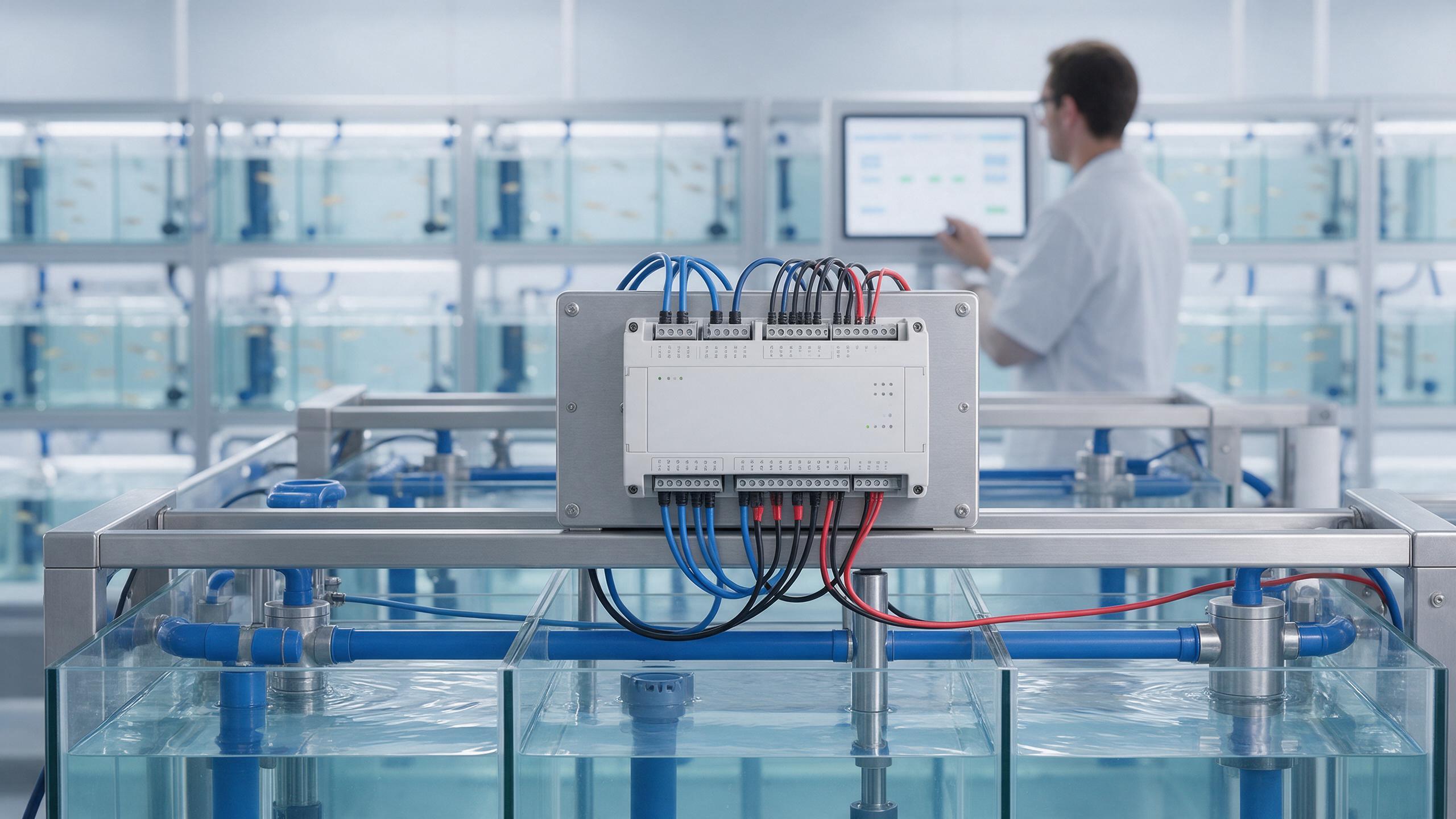
A practical PLC-monitoring workflow for a Zebrafish Breeding System
When reviewing a Zebrafish Breeding System, ask the supplier and your internal team to map monitoring into normal operations. The goal is not to collect every possible signal. It is to build a short, usable chain from status visibility to responsible action.
- List the conditions that matter locally. Start with your own facility’s water-management, environmental, and breeding-room priorities. A Zebrafish Breeding System should be reviewed against those priorities instead of a generic checklist.
- Define normal and exception states. Establish which readings or equipment states are simply logged and which need attention. If thresholds are configurable, document who approves changes and how they are reviewed.
- Assign alert ownership. A 24/7 notification path only helps when its recipients, backups, and escalation contacts are current. Include this information in the operating procedure for the Zebrafish Breeding System.
- Practice the first response. Give each responder a concise first-check list: verify the alert, inspect the relevant area according to site rules, communicate with the appropriate team, and document the outcome.
- Review events and near-misses. A Zebrafish Breeding System monitoring log can reveal whether alert rules are useful, too noisy, or unclear to the people expected to act.
What PLC monitoring can contribute to peace of mind
Peace of mind is not a technical specification. For a facility team, it is the confidence that a Zebrafish Breeding System has a visible status, a defined communication route, and a documented response process. That confidence is built gradually through training, test scenarios, maintenance, and clear responsibilities.
There is also a staffing benefit. When a technician starts an early shift, a concise record from the prior period can make handoff more informed. When a shared facility changes personnel, a well-maintained Zebrafish Breeding System monitoring routine can reduce reliance on individual memory. These are workflow benefits, not a claim that any particular configuration will suit every laboratory.
Ask yourself a direct question: if an alert arrives at an inconvenient time, can the recipient tell what it relates to and what to do next? If the answer is uncertain, the next improvement may be a better response procedure rather than another dashboard. A Zebrafish Breeding System is strongest when monitoring and human judgment work together.
Questions to ask before selecting or configuring monitoring
- Which status points can the proposed Zebrafish Breeding System monitor, and which are optional for our workflow?
- How are alarm conditions configured, reviewed, and tested under our local procedures?
- What information will an alert contain, and how will on-call staff access the relevant system context?
- How should PLC monitoring fit with our routine inspections, maintenance schedule, and recordkeeping?
- Who owns training, contact-list updates, and review after an alert or simulated event?
Build assurance through procedures, not assumptions
For research teams, the purpose of a Zebrafish Breeding System is dependable day-to-day support for responsible breeding work. PLC monitoring can contribute meaningful visibility, but it works only within a deliberate facility process. Review the available monitoring functions, align them with your own risk priorities, test your response steps, and keep ownership clear.
That is a practical route to 24/7 peace of mind: not an assumption that the room can be ignored, but confidence that your Zebrafish Breeding System gives the team timely operational information and a practiced way to respond. Hunter Lab can discuss how a monitoring-oriented zebrafish setup may fit the needs of your laboratory and its established procedures.








