
 EN
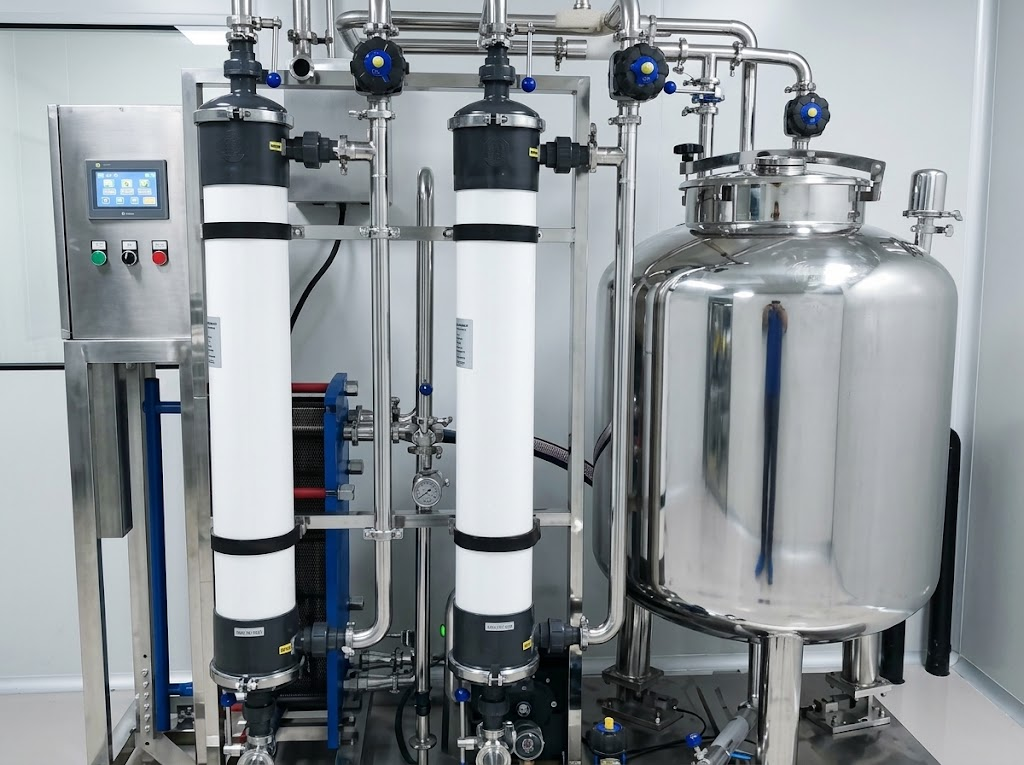
How Does a Zebrafish Flow-Through Exposure System Differ From Static Systems?
A Zebrafish Flow-Through Exposure System continuously delivers fresh test solution to an exposure chamber and removes an equal volume of effluent. A static system starts with a prepared solution and leaves it in place for the planned exposure period. That mechanical difference affects concentration control, water quality, workload, and the kind of question a laboratory can answer with confidence.
For teams planning toxicity, environmental, pharmaceutical, cosmetic, or water-quality studies, the right choice is not simply “more advanced is better.” It is whether the exposure method protects the critical condition of the study: a known and appropriate chemical exposure for the animals and endpoints being measured.
The core difference: solution stays put or keeps moving
In a static setup, embryos or larvae are placed in vessels containing a set dose. Unless the protocol includes renewal, the same test medium remains throughout the assay. OECD Test Guideline 236 describes a static test as one in which test solutions remain unchanged during exposure. Static work is often straightforward to set up, which makes it useful for short, well-controlled screens.
In contrast, a Zebrafish Flow-Through Exposure System uses pumps, reservoirs, tubing, chambers, and drainage to supply test medium continuously. OECD describes flow-through testing as continued flow of test solutions through the system during exposure. The practical purpose is not movement for its own sake. It is to maintain a controlled exposure environment while metabolites, waste, evaporation effects, and chemical losses are managed through the study design.
Static vs flow-through at a glance
| Decision factor | Static system | Zebrafish Flow-Through Exposure System |
|---|---|---|
| Test-solution handling | Prepared once and left unchanged for the interval. | Fresh solution enters while effluent exits continuously. |
| Operational complexity | Lower; fewer fluidic components. | Higher; pumps, flow balancing, leak prevention, and waste routing require validation. |
| Exposure stability | May be suitable when the compound remains stable under the actual test conditions. | Better suited when maintaining a controlled replenishment pattern is important. |
| Water-quality management | Can change as organisms and medium remain in the vessel. | Can support ongoing renewal, but incoming water and flow rate still need monitoring. |
| Suitable use | Short screens, early feasibility work, and stable compounds. | Longer studies or compounds where loss, degradation, or accumulation could confound interpretation. |
Why concentration control changes the interpretation
The main advantage of a Zebrafish Flow-Through Exposure System is its ability to support a defined replenishment pattern. In a static vessel, the nominal dose at time zero may not represent what embryos experience later. A compound can adsorb to plastic or organic matter, degrade, volatilize, precipitate, or be transformed. Meanwhile, biological loading can change water chemistry. Those processes do not make static testing invalid; they make analytical verification and protocol fit essential.
With a Zebrafish Flow-Through Exposure System, a laboratory can design inflow, chamber volume, and collection procedures around the exposure objective. But continuous delivery is not a substitute for measurement. Flow consistency, reservoir concentration, tubing compatibility, carryover between dose groups, and sampled chamber concentrations all remain critical controls. If the delivery system is poorly balanced, it can create a new source of variability rather than solve one.
Where static systems still have real advantages
Static systems are valuable when the exposure is brief, the test material is demonstrably stable over that interval, and the study needs efficient replication. They are comparatively easy to clean, configure, and scale across plates or small vessels. For exploratory work, a static design can reduce equipment burden and help teams identify dose ranges before committing to a more involved setup.
Static systems also simplify the physical chain of custody for a test solution: fewer pumps and connections mean fewer locations for leaks, unintended dilution, or cross-contamination. The trade-off is that the team must decide whether an unchanged solution is scientifically appropriate. When it is not, semi-static renewal can be a practical middle ground: medium is replaced at scheduled intervals rather than delivered continuously.
Advantages and disadvantages of flow-through operation
A Zebrafish Flow-Through Exposure System can be especially useful for longer exposures, concentration-sensitive compounds, and workflows that benefit from a sustained water-exchange pattern. It may reduce the risk that a changing vessel environment obscures a biological response. It also makes the exposure process more comparable to a continuously renewed aquatic environment when that is relevant to the protocol.
The disadvantages are equally concrete. A Zebrafish Flow-Through Exposure System needs pump qualification, flow-rate verification, reservoir preparation, tubing and chamber compatibility checks, effluent handling, and a response plan for interruption. It consumes more solution and may demand more analytical sampling. These are not merely engineering tasks; each can affect the actual concentration delivered to the fish.
How to choose between static, renewal, and flow-through
Start with the study question, then work through the chemistry and the duration. A Zebrafish Flow-Through Exposure System deserves serious consideration when the test article is expected to decline or drift in a static vessel, when the assay spans a longer period, or when a laboratory must document a controlled exposure profile. Static exposure may be the better operational choice when the interval is short, the material is stable, and high-throughput replication matters more than continuous renewal.
- Check stability first: assess likely degradation, adsorption, volatilization, and precipitation under the real test conditions.
- Define the exposure target: decide whether nominal concentration is sufficient or chamber concentration needs analytical confirmation over time.
- Match system scale to biology: consider developmental stage, chamber volume, stocking density, oxygenation, and the intended endpoint.
- Validate the fluidics: for a Zebrafish Flow-Through Exposure System, verify equal delivery, drainage, and separation among treatment groups before the study begins.
- Plan for failure: document alarms, backup power, manual intervention, and how an interruption will be reported.
A practical conclusion
A Zebrafish Flow-Through Exposure System differs from a static system because it continuously renews the exposure medium instead of leaving one prepared solution unchanged. That can strengthen control of a long or chemically demanding exposure, but only when the additional fluidics are validated and monitored. Static systems remain a sound choice for many short, stable, high-throughput assays. The most defensible method is the one whose concentration behavior, water conditions, and operational controls match the biological question—not the one with the most hardware.








