
 EN
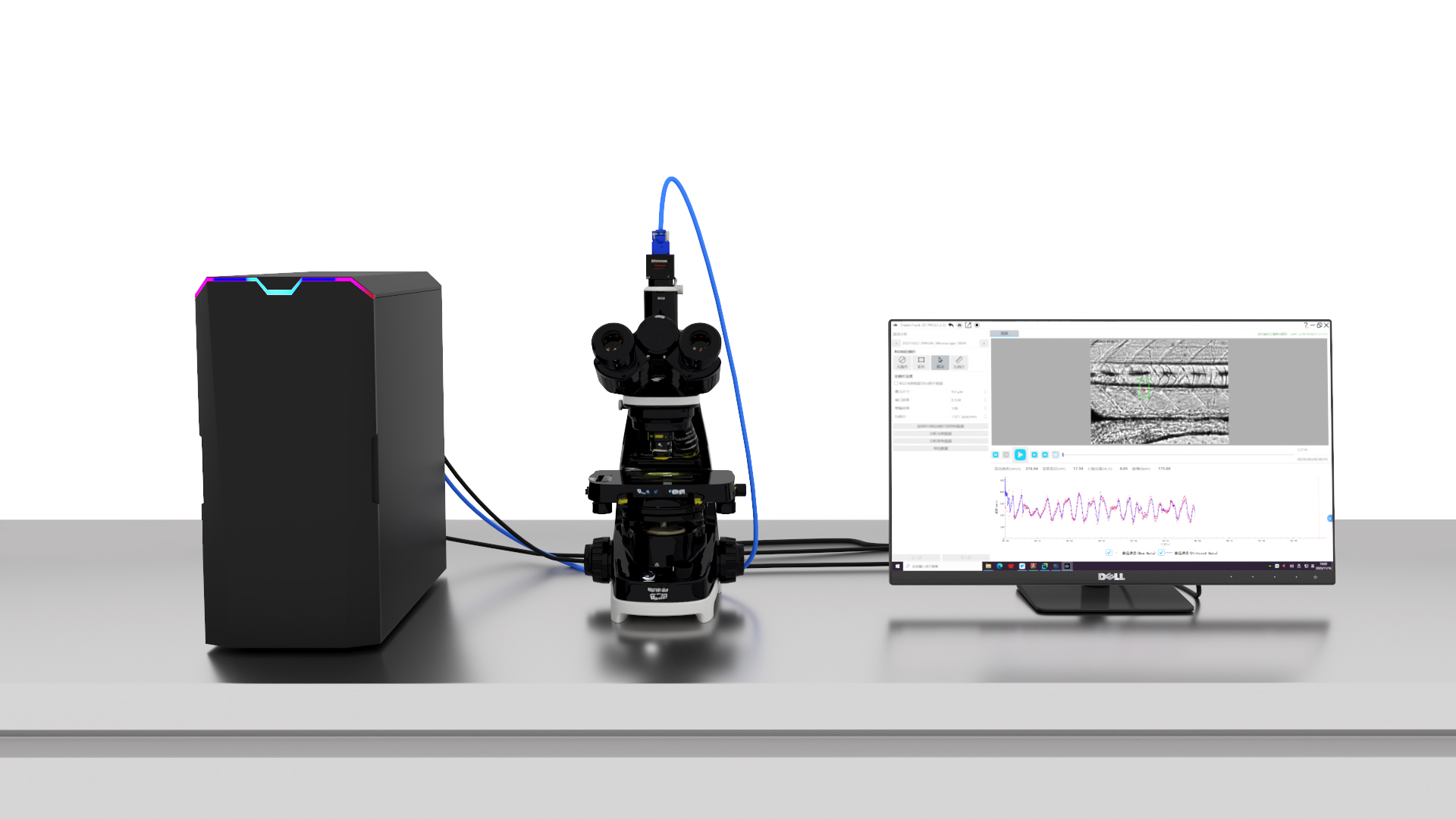
Understanding How Zebrafish Heart Analysis Supports Modern Research
A zebrafish cardiovascular analysis system is designed to measure and evaluate heart function by capturing biological signals related to cardiac activity, movement, and physiological performance. Because zebrafish share many conserved cardiovascular pathways with humans, they have become an important model for studying heart development, disease mechanisms, and potential therapeutic approaches.
The challenge in cardiovascular research is not only observing a beating heart, but also collecting reliable measurements that can be compared across experiments. A cardiovascular analysis system helps transform visual observations into measurable data by combining imaging technology, automated analysis tools, and specialized software workflows.
Unlike traditional manual observation methods, advanced systems can evaluate multiple aspects of heart performance, including heart rate, contraction patterns, blood flow characteristics, and changes in cardiac structure. These measurements provide researchers with a clearer understanding of how genetic changes, environmental factors, or experimental compounds may influence cardiovascular function.
Measuring Heart Function Through Imaging and Data Analysis
The core process of a zebrafish cardiovascular analysis system usually begins with high-resolution imaging. The system captures the movement of the zebrafish heart during different stages of the cardiac cycle, then processes the recorded information through analysis algorithms.
Several key measurements are commonly considered:
- Heart rate, which reflects the frequency of cardiac contractions.
- Contractility, which shows how effectively the heart muscle performs movement.
- Chamber movement, which provides information about structural changes.
- Blood circulation patterns, which help evaluate cardiovascular performance.
The measurement process requires careful control of imaging conditions. Factors such as lighting consistency, image quality, temperature stability, and sample handling can influence results. This is why reliable analysis depends not only on software capability but also on the stability of the entire equipment environment.
A well-designed system reduces unnecessary variation and allows researchers to focus more on biological interpretation rather than repeated manual measurements.
The Technology Behind Accurate Cardiac Evaluation
Modern cardiovascular analysis combines several technical elements. Optical imaging is often used because zebrafish embryos and larvae are naturally suitable for transparent observation during early development stages.
The system typically works through several steps:
- Image acquisition captures continuous heart movement.
- Software identifies cardiac regions and movement patterns.
- Algorithms calculate functional parameters.
- Data outputs allow researchers to compare different experimental groups.
The following comparison shows how different approaches may influence laboratory workflows:
| Evaluation Method | Manual Observation | Digital Cardiovascular Analysis System |
|---|---|---|
| Data collection | Depends heavily on operator experience | More standardized image-based measurement |
| Heart movement analysis | Mainly visual judgment | Automated tracking and parameter calculation |
| Repeatability | Can vary between observers | Improved consistency across testing periods |
| Data storage | Often limited to records or notes | Digital files support later review |
| Suitable workflow | Small-scale observation | Larger experimental studies requiring structured data |
The table does not suggest that automated systems eliminate the need for scientific judgment. Instead, they provide additional measurement support and reduce some common sources of inconsistency.
Engineering Experience Shows the Importance of Stable Measurement
During an equipment evaluation project at a biomedical research center, technicians reviewed a cardiovascular imaging workflow after researchers noticed differences between repeated measurements. The investigation found that biological variation was only part of the issue. Image capture stability and environmental control also affected the quality of collected data.
After improving equipment setup and measurement procedures, researchers reported more consistent analysis results and smoother operation during routine experiments. The experience demonstrated that accurate cardiovascular analysis depends on the interaction between biological samples, imaging hardware, and data processing methods.
Similar challenges appear in many laboratory environments. A highly capable analysis platform cannot compensate for unstable sample preparation or inconsistent operating conditions. Equipment selection should therefore consider the complete workflow rather than focusing only on individual specifications.
Research Standards and Practical Limitations Need Consideration
Zebrafish cardiovascular studies often follow established laboratory practices for animal care, imaging procedures, and experimental documentation. Organizations such as the National Institutes of Health and international research communities provide guidance on responsible animal research and laboratory management.
However, cardiovascular analysis systems also have limitations. Results can be influenced by sample age, genetic background, environmental conditions, and experimental design. A measurement platform provides valuable data, but interpretation still requires scientific expertise.
For example, changes in heart rate may indicate physiological responses, but additional analysis is usually needed to understand the underlying biological mechanism. Reliable conclusions often come from combining imaging data with molecular, genetic, or biochemical information.
Selecting a System Based on Research Requirements
Choosing a cardiovascular analysis system requires understanding both current and future research needs. Important considerations include:
- The type of cardiac parameters that need measurement.
- The expected number of samples and analysis frequency.
- Compatibility with existing laboratory workflows.
- Data management requirements for long-term projects.
For research groups expanding their capabilities, flexible systems that support consistent measurement processes may provide greater practical value than equipment designed around only one application scenario.
The role of a cardiovascular analysis system is to create a bridge between biological observation and measurable scientific data. By improving consistency, visualization, and analysis efficiency, these systems help researchers better understand zebrafish heart function while maintaining realistic expectations about technology limitations.
Hunter Lab supports the development and manufacturing of laboratory equipment solutions with attention to production quality, supply chain coordination, and practical application needs. Through manufacturing experience and quality-focused processes, Hunter Lab helps provide reliable equipment options for research environments requiring stable performance.








