
 EN
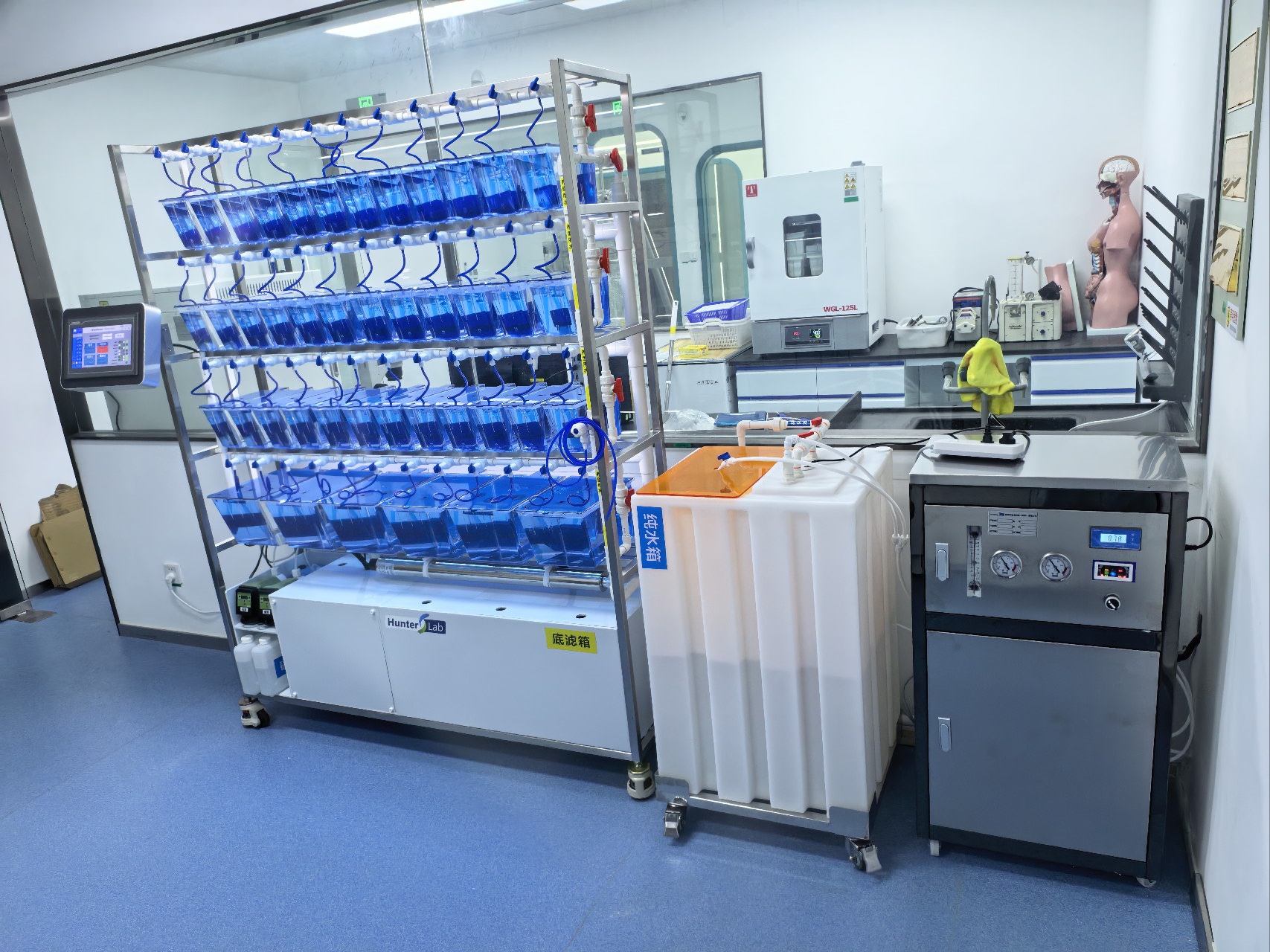
A Zebrafish Breeding System is often evaluated for water management, rack layout, and breeding capacity. For a shared research facility or a regulated screening team, however, the data path matters just as much. The useful question is not simply whether the system stores a breeding event; it is whether staff can turn that event into a timely, reviewable record without manually rebuilding it in a spreadsheet.
The distinction matters when several operators record pairings, egg collections, tank movements, health observations, and environmental checks. A well-designed Zebrafish Breeding System can make data export part of the routine workflow, so reporting and traceability are supported at the point where information is created rather than reconstructed later.
Why real-time export changes the compliance workload
In a paper-based or fragmented workflow, one person records a cross, another logs a tank change, and a third prepares a monthly report. Each handoff can introduce missing context, delayed transcription, or uncertainty about who made an update. A connected Zebrafish Breeding System reduces that gap by capturing structured records as work happens and making them available for controlled export.
This is not a claim that every facility needs the same regulatory configuration. The relevant level of compliance depends on the study type, customer requirements, institutional policy, and the electronic-record controls already in place. Still, the same practical principle applies: an export is more useful when it retains its context, including timestamps, user identity, animal or tank identifiers, and the reason for a meaningful change.
Start with a record model that follows the breeding workflow
Real-time reporting works when the exportable fields reflect the actual work at the rack. At a minimum, teams should decide how the Zebrafish Breeding System will connect the following records:
- Breeder and tank identifiers, strain or line information, and approved mating-pair details.
- Pairing date and time, collection window, fertilization observations, and embryo transfer destination.
- Operator identity, protocol or project reference, and any required review or approval state.
- Water-quality, feeding, health, mortality, cleaning, or quarantine observations that affect husbandry context.
- Corrections, voided entries, and the reason for each change when a record is amended.
A facility manager can ask a simple question: Could another authorized reviewer understand this exported row six months later without asking the original operator what it meant? If not, the workflow likely needs more controlled fields or clearer naming conventions.
Make data export event-driven rather than end-of-month
A useful Zebrafish Breeding System does not require the team to wait for a monthly reporting deadline before checking data quality. An event-driven approach can make approved records available as CSV, spreadsheet, or API-ready datasets after defined actions, such as a collection being closed, a tank transfer being confirmed, or a supervisor review being completed.
The export trigger should be deliberate. Immediate export may be appropriate for operational dashboards, while a locked daily export may fit a review process that needs time to resolve incomplete entries. In either case, the system should distinguish live working data from a reviewed reporting snapshot. That separation helps teams avoid presenting a changing operational record as though it were a finalized report.
Fields that make an export reviewable
For reporting, a list of breeding outcomes alone is rarely enough. Add a stable record ID, source-system identifier, event time, recorded-by user, export time, and status. Where edits are allowed, record both the original value and the changed value in an audit history. This approach supports traceability because a reviewer can follow a reported result back to the operational event that produced it.
Facilities also benefit from exception-oriented exports. Instead of asking reviewers to read every normal record, use filters for unassigned lineage, overdue review, missing collection count, unusual mortality, or a late data entry. The purpose is not to replace scientific judgment; it is to make potential documentation gaps visible early enough to resolve.

Preserve traceability across tanks, people, and downstream files
Traceability is strongest when identifiers remain stable from breeding through embryo collection, transfer, experiment assignment, and archive. If a tank label changes or fish are moved, the exported record should preserve both the historical identifier and the current location. Otherwise, a later report can be technically complete but difficult to interpret.
The same discipline applies to people. A generic shared login may seem convenient during a busy collection window, but it weakens accountability. Role-based access, named users, and recorded approvals make it easier to show who entered, reviewed, or corrected a record. For teams with electronic-record obligations, computer-generated, time-stamped audit trails are commonly considered an important control; the exact implementation should be assessed against the facility's applicable requirements.
Connect exports to a practical compliance reporting routine
A real-time Zebrafish Breeding System supports compliance reporting most effectively when its outputs are part of a defined routine:
- Define the report purpose. Separate operational husbandry reports from study-level evidence and management summaries.
- Set required fields and ownership. Specify which role enters each field, who reviews exceptions, and when records are considered complete.
- Export on a controlled schedule or trigger. Document the format, filters, date range, and responsible reviewer.
- Review exceptions before distribution. Resolve missing values, duplicate identifiers, and unexplained amendments while the event is still recent.
- Retain the reporting snapshot. Keep the exported file with its run date, parameters, and approval context according to the facility's retention policy.
This workflow is useful for pharmaceutical, cosmetics, and health-supplement teams that need to explain how husbandry context relates to screening data. It can also help university core facilities support repeatable multi-user operations without forcing staff to maintain separate shadow logs.
What to verify before selecting or configuring a system
Not every platform exposes the same data controls. Before implementation, ask whether the Zebrafish Breeding System can export the records your SOP requires, retain meaningful change history, apply permissions by role, and preserve identifiers when fish or records are reassigned. Also verify how API access, file format, backups, and retention are handled within the wider laboratory data environment.
Hunter Lab focuses on zebrafish instruments and applications, and its team can discuss how a facility's intended workflow should shape equipment and documentation planning. That is a planning conversation, not a substitute for validating a system against your own SOPs, quality procedures, and applicable regulations.
Conclusion
A Zebrafish Breeding System supports real-time data export for compliance reporting when it turns breeding actions into structured, attributable, time-aware records and makes those records available in a controlled format. The value is not simply faster file creation. It is the ability to connect a reported result to the breeding event, personnel, and review history behind it. Build that chain deliberately, and the system can support clearer reporting, more reliable traceability, and a more manageable review process.








