
 EN
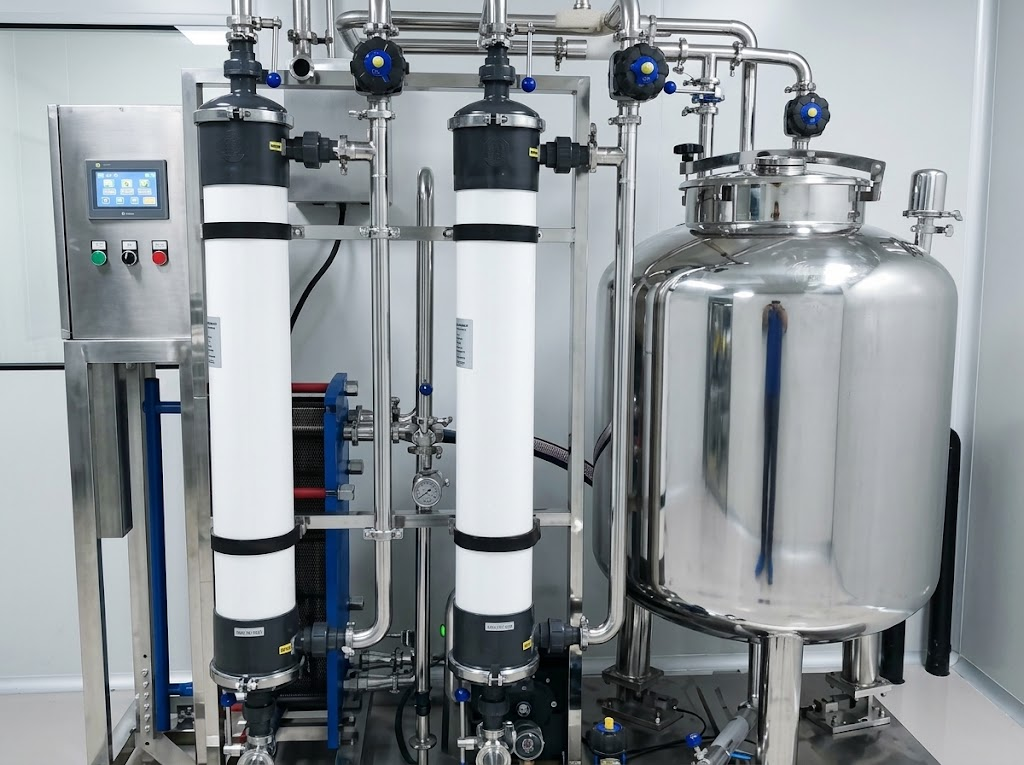
A zebrafish water quality monitor provides 24/7 oversight of your aquatic environment.
A Zebrafish Water Quality Monitor is not simply another display on a rack. For a research facility, it is a way to make changing water conditions visible between scheduled checks. That matters because fish rooms operate overnight, over weekends, and during handoffs between technicians. A well-designed Zebrafish Water Quality Monitor program gives the team a continuous record to review, an alert path to verify, and a clearer basis for deciding what to do next.
Hunter Lab works with zebrafish-focused research teams, so the practical question is rarely “Do we need data?” It is “Which data need attention, who owns the response, and how do we avoid confusing a sensor reading with a confirmed husbandry event?” The answer turns 24/7 oversight into useful operational security, not just more notifications.
Why continuous oversight changes the conversation
Manual checks remain essential, but they are snapshots. A Zebrafish Water Quality Monitor can fill the time between snapshots by logging selected conditions and drawing attention to unexpected movement. That gives staff the opportunity to investigate before a small drift becomes a prolonged exposure. It also helps preserve context: a technician can compare an alert with feeding, water exchange, maintenance, filter work, or a facility event instead of relying on memory.
Published zebrafish housing guidance offers useful reference points rather than one-size-fits-all targets. For example, a review of husbandry recommendations describes pH 6.5–8, water temperatures of 24–29 °C, total ammonia below 0.1 mg/L, nitrite below 0.3 mg/L, nitrate below 25 mg/L, and conductivity of 150–1700 µS/cm. Each facility should validate its own operating ranges, strain needs, system design, and experimental requirements. A Zebrafish Water Quality Monitor supports that validation by making patterns easier to see.
What should a Zebrafish Water Quality Monitor watch?
Start with the risks your system can actually detect and your team can act on. A Zebrafish Water Quality Monitor is most useful when its measurements connect to an escalation procedure rather than an impressive-looking dashboard. Common categories include:
- Temperature: A stable trend supports consistent husbandry conditions; an abrupt shift deserves confirmation against the system and room environment.
- pH and conductivity: Together, they can help the team recognize water-chemistry movement and check whether mixing, dosing, or source-water changes are involved.
- Dissolved oxygen: Where relevant to the system, this can be part of a broader check of aeration, circulation, stocking, and filtration performance.
- Nitrogen-compound testing: Ammonia, nitrite, and nitrate often require an established testing workflow. A Zebrafish Water Quality Monitor should complement—not replace—validated sampling and verification.
- System-status signals: Flow, pump, temperature-control, or filtration indicators may be as important as a chemistry value when interpreting a change.
That distinction is important. A monitor detects a signal; trained personnel determine whether the signal is real, what it means, and what corrective action is appropriate.
Build alerts around response, not anxiety
Constant alerts can erode confidence quickly. Before configuring a Zebrafish Water Quality Monitor, define a small set of alert tiers. A trend outside the normal operating band may call for a logged review; a rapid deviation, loss of communication, or a critical system alarm may call for an immediate verification step. The right thresholds are facility-specific, so they should be based on validated operating practices rather than copied from another site.
A practical alert workflow answers five questions: What changed? Who receives the message? How is the reading verified? Who can authorize an intervention? Where is the decision documented? This is where 24/7 oversight becomes more than technology. It becomes a repeatable chain of custody for your aquatic environment.
Use trends to protect experimental context
Water conditions can affect animal welfare and can complicate interpretation of research outcomes. A Zebrafish Water Quality Monitor gives researchers a time-stamped record to consult when a cohort behaves unexpectedly or a baseline shifts. It does not prove causation, but it can rule in a worthwhile line of investigation. If temperature, conductivity, or system status moved during a critical interval, that information belongs beside the experimental record.
In practice, the most useful graphs are often the boring ones: stable, documented baselines with a clear note when maintenance occurred. A continuous record creates peace of mind because it replaces “we think conditions were stable” with an auditable history of what the system reported.
A deployment checklist for a Zebrafish Water Quality Monitor
- Map the tanks, loops, and points where a sensor represents meaningful conditions.
- Choose parameters based on your risk assessment and validated husbandry protocol.
- Document calibration, cleaning, sampling, and cross-check responsibilities.
- Set alert tiers and run a tabletop response drill before relying on notifications.
- Make trend review part of daily husbandry, not a task reserved for incidents.
- Review data after filter changes, water-source changes, power events, or unexplained cohort variation.
Hunter Lab’s zebrafish specialization can be valuable during this planning stage: the goal is not to promise that one instrument prevents every event, but to align monitoring, husbandry, and research workflows before a system is selected. A Zebrafish Water Quality Monitor is most useful when the facility has agreed on the decisions the data will support.
From visibility to confident care
The strongest case for a Zebrafish Water Quality Monitor is operational clarity. It helps a team see the aquatic environment when no one is standing at the rack, preserve a useful trend history, and route potential problems to a defined response. Combined with routine hands-on checks, calibration, and documented verification, continuous monitoring can strengthen the security of daily husbandry and give researchers greater confidence in their environmental records.
For laboratories building or refining a zebrafish facility, 24/7 oversight is not about outsourcing judgment. It is about ensuring that judgment arrives with better context, at the moment it can be most useful.








