
 EN
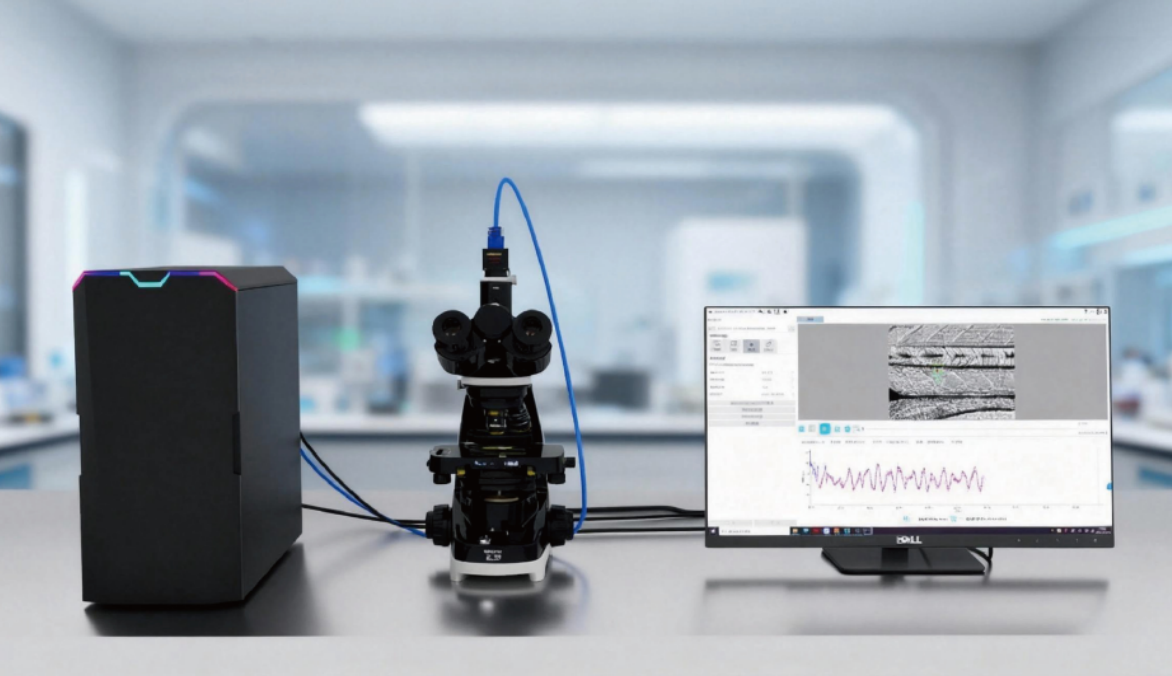
A zebrafish microinjection system enables high-precision delivery of genetic material.
For early developmental studies, the useful question is not simply whether an embryo can be injected. It is whether each embryo receives a controlled, traceable dose of genetic material at a consistent developmental moment. A Zebrafish Microinjection System brings the microscope, micromanipulator, injector, needle, and embryo-holding workflow into one controllable process. When those elements work together, researchers can make delivery more repeatable while protecting embryos from avoidable handling damage.
This distinction matters for experiments involving mRNA, morpholinos, CRISPR-related reagents, reporter constructs, and other injectable preparations. A change in injection volume, needle opening, embryo stage, or target location can alter the biological result before any downstream analysis begins. Precision is therefore a workflow property, not a button on an injector.
Why controlled delivery starts before the needle reaches the embryo
A reliable Zebrafish Microinjection System begins with preparation. Embryos should be collected, assessed for fertilization, and arranged so that the operator can approach them at a consistent angle. For an embryo-injection workflow used to study gene function, one-cell-stage embryos are preferred and embryos should not progress beyond the four-cell stage. That timing is not a universal substitute for a study-specific protocol, but it illustrates why collection timing and injection scheduling must be planned together.
The injection mix deserves the same attention. A well-mixed preparation with an appropriate tracer, where suitable, makes it easier to confirm delivery and identify technical failures. Air bubbles can disrupt pressure delivery, and an overloaded or poorly prepared needle can turn a careful injection sequence into a variable-dose experiment. In practice, each batch should have a defined preparation record: reagent identity, concentration, preparation time, intended dose, and operator.
The components that create a precision workflow
A Zebrafish Microinjection System usually combines a stereomicroscope for visual control, a micromanipulator for stable positioning, a pressure-based microinjector, a pipette holder, and pulled glass needles. None of these components independently guarantees precision. Their value lies in how they work together: the microscope reveals the target, the manipulator controls approach, the injector provides a repeatable pulse, and the needle turns that pulse into delivery.
Needle geometry and system stability
Needle quality is often the first hidden source of variation. The tip must be fine enough to enter the chorion and yolk or cell with minimal trauma, yet open enough to deliver a stable droplet. A tip that clogs, cracks, or produces an irregular bead should be replaced rather than compensated for with increasingly aggressive pressure. Stable positioning also matters. If the embryo holder, dish, or manipulator drifts during a run, the operator may unconsciously change insertion depth and injection angle from embryo to embryo.
Volume calibration as a routine control
Calibration connects a pressure setting to a delivered volume. One published embryo protocol uses a mineral-oil droplet on a micrometer to estimate injection volume and describes 500 pL to 1 nL as typical examples. Those values are not a default dose for every genetic material preparation; the appropriate dose depends on the reagent and experiment. The practical lesson is to verify droplet size before a run and continue monitoring it while the batch is underway. A consistent pulse duration without a consistent droplet is not meaningful precision.
A practical injection sequence for genetic material
- Define the target and dose. Specify whether delivery is intended for the yolk, cell, or another validated location, then document the intended volume and reagent concentration.
- Align embryos consistently. Use a holding arrangement that keeps embryos accessible without compressing them. Consistent orientation reduces avoidable changes in needle trajectory.
- Calibrate before the batch. Test pulses into oil or another validated calibration setup. Confirm that the needle delivers a stable bead and that no visible bubbles remain in the preparation.
- Use a smooth, deliberate entry. Enter through the chorion and proceed to the intended target without crushing or stretching the yolk. Stop and reassess if resistance or an abnormal trajectory suggests a damaged tip.
- Verify and record. Check a defined subset of embryos for delivery marker distribution, obvious leakage, and survival. Record pressure, pulse setting, needle batch, stage window, and any adjustment made.
This sequence makes the Zebrafish Microinjection System useful beyond a single injection session. It turns setup decisions into documented variables that can be compared across operators, days, and experimental groups.
Where precision is commonly lost
Automation and digital injection settings can help, but they are not the entire answer to precision. A digital setting can reduce one source of variation, but it cannot correct an inconsistent needle opening, a drifting embryo line, or a preparation that has changed during the session. Likewise, rapid injection may improve throughput while masking a decline in delivery consistency. For work that depends on subtle phenotypes, a short calibration pause is often more valuable than forcing a batch through an unstable setup.
Developmental timing is another frequent confounder. The same genetic material may be delivered with different practical consequences if embryo stage drifts across a session. Separating embryos by collection window, keeping the work area organized, and setting a stop point for each batch helps preserve a meaningful comparison group. These controls are especially important when interpreting a negative result: lack of phenotype can reflect biology, but it can also reflect incomplete or uneven delivery.
How to evaluate a Zebrafish Microinjection System
When choosing or configuring a Zebrafish Microinjection System, evaluate the full workflow rather than a single specification. Ask whether the micromanipulator permits fine, stable movement; whether pressure and pulse settings can be repeated and documented; whether the optical setup provides a clear view of the intended target; and whether the lab can establish a practical calibration routine. Training and protocol support are equally relevant because the system’s result depends on the operator’s ability to recognize a poor needle, an unstable droplet, or an embryo that should be excluded.
For laboratories building zebrafish programs, a specialist partner can be helpful when the discussion is grounded in the actual application rather than generic equipment claims. Hunter Lab focuses its product line and application support on zebrafish research, which can support a more context-specific conversation about experimental workflow. The final protocol, dose, controls, and ethical approvals remain the responsibility of the research team.
Build confidence through visible controls
High-precision injection should be demonstrated, not assumed. Define acceptance criteria before the experiment: a calibration check, an embryo-stage window, an observable delivery check where appropriate, and a record of exclusions. Then apply the same criteria to controls and treatment groups. This approach gives a Zebrafish Microinjection System a clear role: it supports controlled delivery of genetic material while making technical variation easier to detect, discuss, and improve.
With a disciplined setup, calibration habit, and documented injection sequence, researchers can focus less on whether material entered the embryo and more on what the resulting biology means. That is the practical value of precision in zebrafish injection.








