
 EN
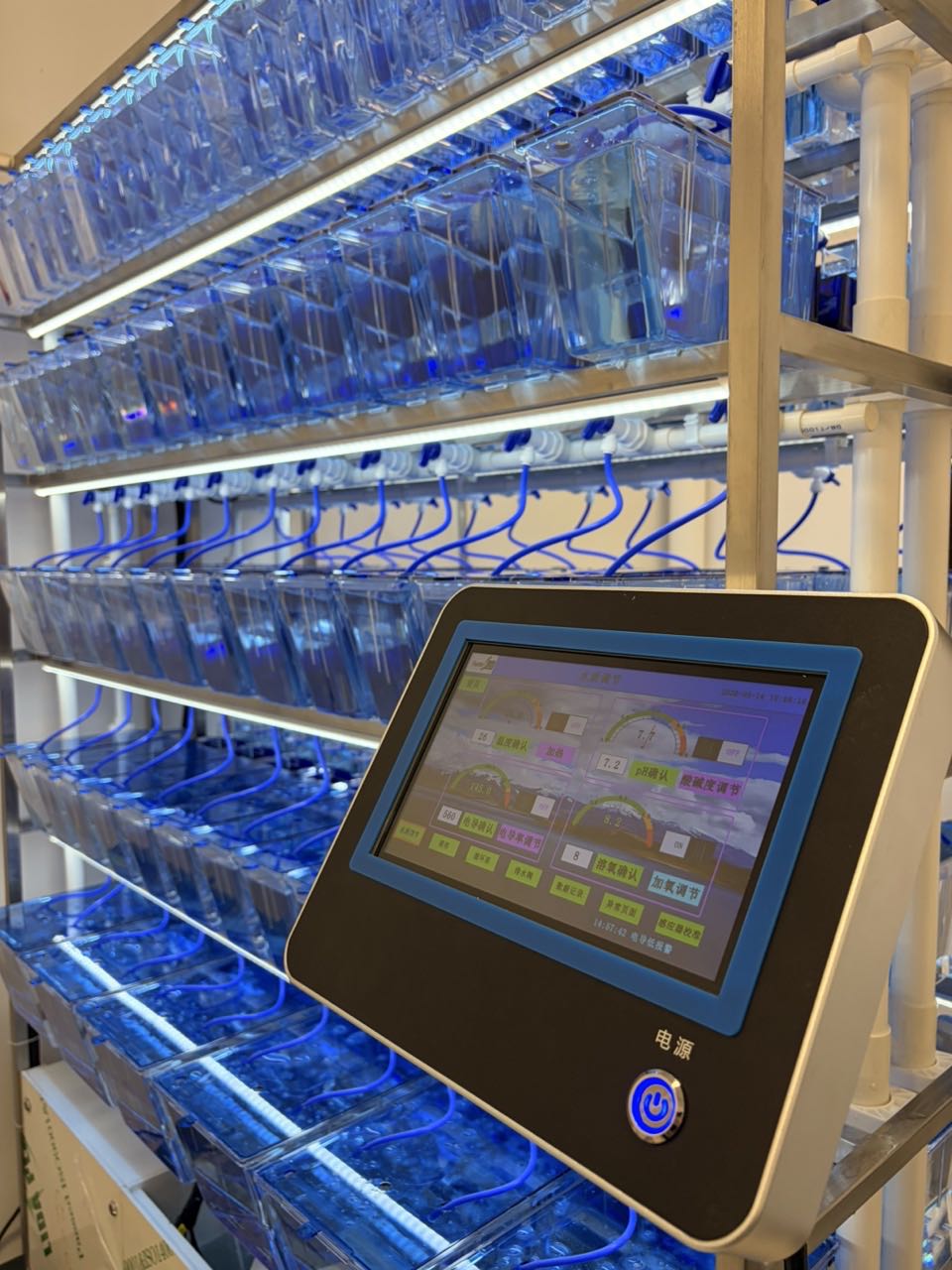
A well-designed zebrafish breeding system ensures consistent embryo production year-round.
For laboratories that depend on embryos for scheduled studies, consistency is not achieved by a single successful cross. It comes from a repeatable husbandry workflow. A Zebrafish Breeding System should make the conditions around mating predictable: stable water, dependable light timing, orderly fish movement, protected eggs, and records that help staff spot drift before it disrupts a study. This approach supports consistent production without treating biological output as a promised number.
That distinction matters. Broodstock condition, line-specific fertility, age, diet, and experimental handling can all influence results. Good facility design does not erase those variables; it makes them visible and manageable. When the same critical steps happen reliably each day, teams have a stronger basis for planning year-round embryo collection.
Start with a controlled daily breeding rhythm
Zebrafish are photoperiodic, and embryo collection is commonly organized around the beginning of the light period. A breeding area therefore needs a light schedule that is consistent, protected from unexpected room-light exposure, and understood by every operator. The point is not simply to install a timer. It is to align fish transfer, mating setup, morning checks, and collection windows with a documented routine.
In a practical Zebrafish Breeding System, the schedule is paired with a clear staging plan. Staff can define when breeders are selected, when pairs or groups are set, when spawning is expected, and when embryos move to counting or downstream assays. This structure reduces avoidable variation created by ad hoc setup times or unclear handoffs between shifts.
Design water management for breeding, not just survival
Fish may remain alive in conditions that are not ideal for dependable breeding. For that reason, water management should be treated as an operational input rather than background infrastructure. Temperature, pH, conductivity, dissolved oxygen, filtration performance, and tank cleanliness all deserve routine observation under the facility’s approved husbandry protocol.
Overnight waste accumulation can affect breeding conditions, which is one reason tank preparation and cleaning cannot be postponed until collection morning. A well-planned Zebrafish Breeding System gives operators convenient access to water checks, makes abnormal readings easy to log, and establishes escalation steps before a compromised setup is used. That kind of reliability is especially valuable when several experiments need embryos on the same day.
Protect embryos while simplifying collection
The breeding vessel is more than a container. Inserts, dividers, and egg-protection features can separate adults from freshly spawned eggs while allowing the team to collect embryos with less disturbance. Laboratories may choose pairwise or group breeding according to the traceability, genetic-crossing plan, and collection scale required for the work. In-tank approaches can be labor-efficient, while pairwise arrangements can make parentage easier to follow.
Choose the arrangement that the team can execute consistently. A thoughtful design includes labeled vessels, standardized setup kits, a defined maximum holding time, and a collection sequence that prevents mix-ups. These small controls turn embryo collection into an auditable process rather than a series of individual habits.
Manage broodstock as a planned resource
Year-round output depends on more than equipment. Breeders need appropriate conditioning, recovery periods, nutrition, and line management. A Zebrafish Breeding System should support a rotation plan so that the same fish are not repeatedly assigned without review. Separating routine production crosses from valuable or sensitive lines can also help laboratories protect both research continuity and animal welfare oversight.
Keep a simple breeding record for each event: fish or line identifiers, setup date and time, vessel, operator, water observations, collection result, and any unusual notes. Over several weeks, these records reveal useful patterns. A drop in consistent production may point to a line-specific issue, a calendar change, a water-quality trend, or a training gap rather than an unexplained failure.
Build redundancy into the workflow
Facilities that require year-round availability should plan for interruptions before they happen. Backup power, alarms, spare breeding inserts, documented cleaning supplies, and alternate holding capacity all reduce pressure during equipment service or unexpected maintenance. The goal is not to promise zero disruption; it is to preserve decision time and avoid improvised workarounds.
Operational redundancy also includes people. Cross-training staff on setup, collection, and record review helps maintain reliability when schedules change. A short daily checklist is often more useful than a complex procedure that remains unread: verify the environment, confirm the pairing plan, inspect vessel readiness, collect on schedule, and record exceptions.
A practical review checklist
- Is the light cycle stable and protected from unplanned exposure?
- Are water observations checked and documented before breeders are assigned?
- Do vessel inserts and labels support clean, traceable embryo collection?
- Does the broodstock rotation allow recovery and line-specific planning?
- Can a second trained operator follow the same workflow without guesswork?
- Are deviations reviewed often enough to improve the next setup?
Turning system design into dependable planning
A well-designed Zebrafish Breeding System connects environmental control, breeding hardware, animal-care routines, and documentation into one working process. That connection is what helps laboratories plan embryo work with greater confidence. Rather than relying on a single variable, teams can improve consistent production by reducing avoidable variation at every handoff.
For research groups scaling a facility or refining an established colony, begin with the workflow that already exists. Map the path from broodstock selection to embryo handoff, identify where timing or information is lost, and make one improvement at a time. With disciplined design, stable routines, and regular review, a breeding program is better positioned to support year-round research schedules.
Frequently asked questions
What is the most important feature of a Zebrafish Breeding System?
The most important feature is repeatability across the full workflow. Stable environmental control, clear breeding-vessel procedures, egg protection, and consistent records work together more effectively than any isolated component.
Can a breeding system guarantee embryo numbers?
No. Biological outcomes vary with broodstock and research conditions. A sound system improves process control and makes variation easier to identify, but it should not be presented as a guarantee of a specific yield.








